
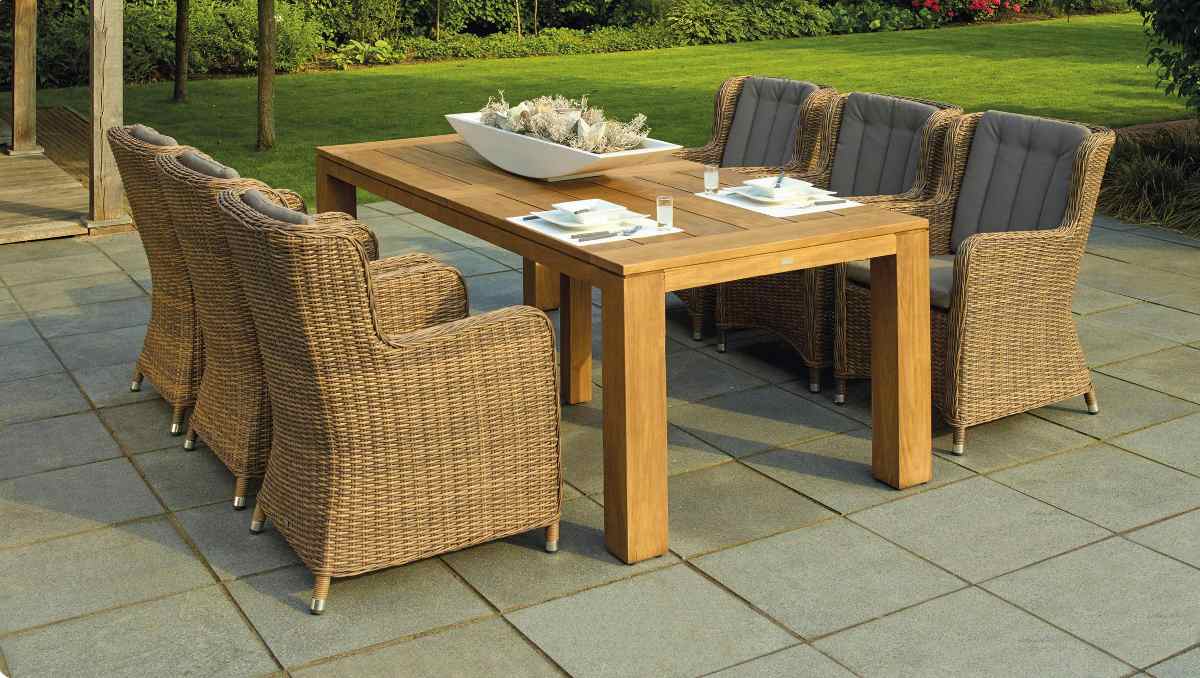
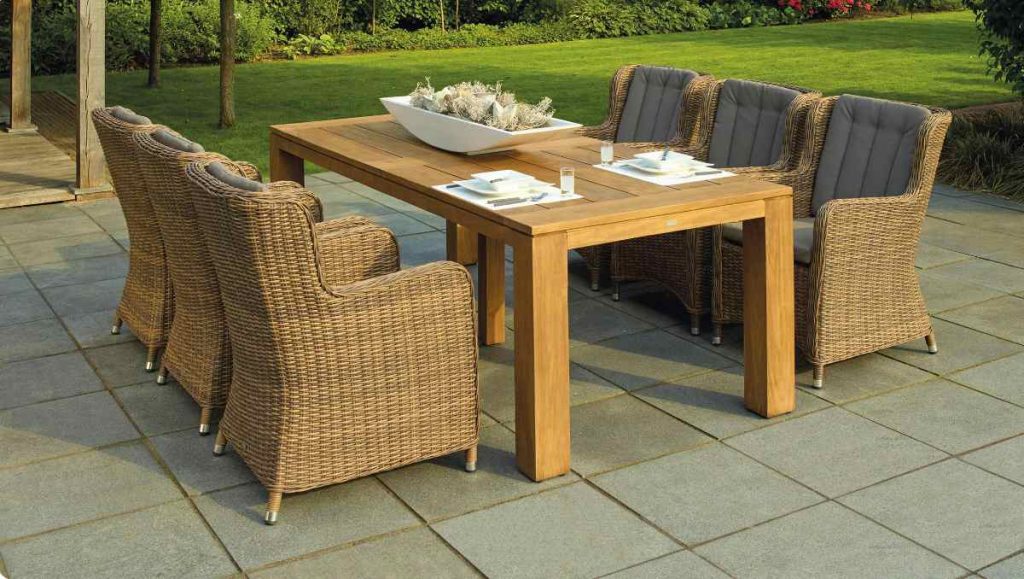
For anyone shopping for high-quality outdoor furniture, the wood vs. poly comparison is an important place to start. Both materials are widely used in Amish-crafted furniture because they offer exceptional durability and timeless style. The difference lies in how they perform over time, the care they require, and the look they bring to your outdoor space.
Key Takeaways
- The right option between wood vs poly outdoor furniture depends on your climate, budget, and personal style.
- Wood outdoor furniture delivers natural beauty and timeless character, but it requires regular care to stay in excellent condition.
- Poly outdoor furniture offers exceptional durability and low maintenance, making it an ideal choice for harsh climates.
What Is Wood Outdoor Furniture?
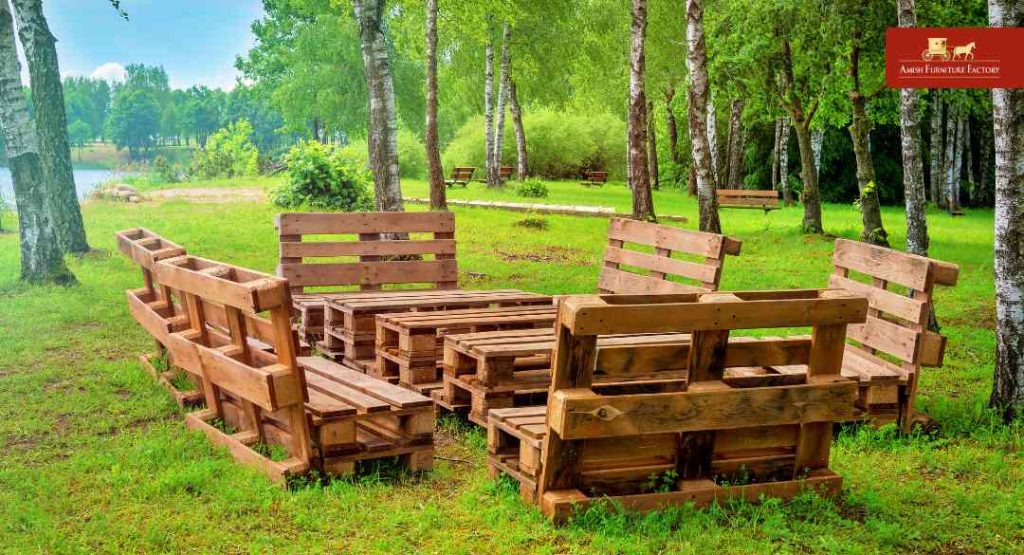
Wood outdoor furniture is patio furniture made from natural hardwoods or softwoods, commonly used for dining sets, Adirondack chairs, benches, shed with porch swings, and lounge seating. Its timeless appearance, unique wood grain, and natural warmth make it a popular choice for outdoor spaces.
Not all types of wood perform equally outdoors. Hardwoods generally outperform softwoods because they have a denser grain, making them more resistant to moisture, insects, decay, and everyday wear. Softwoods are often more affordable and lighter but typically require more frequent sealing, staining, or refinishing to withstand the elements.
What Is Poly Outdoor Furniture?
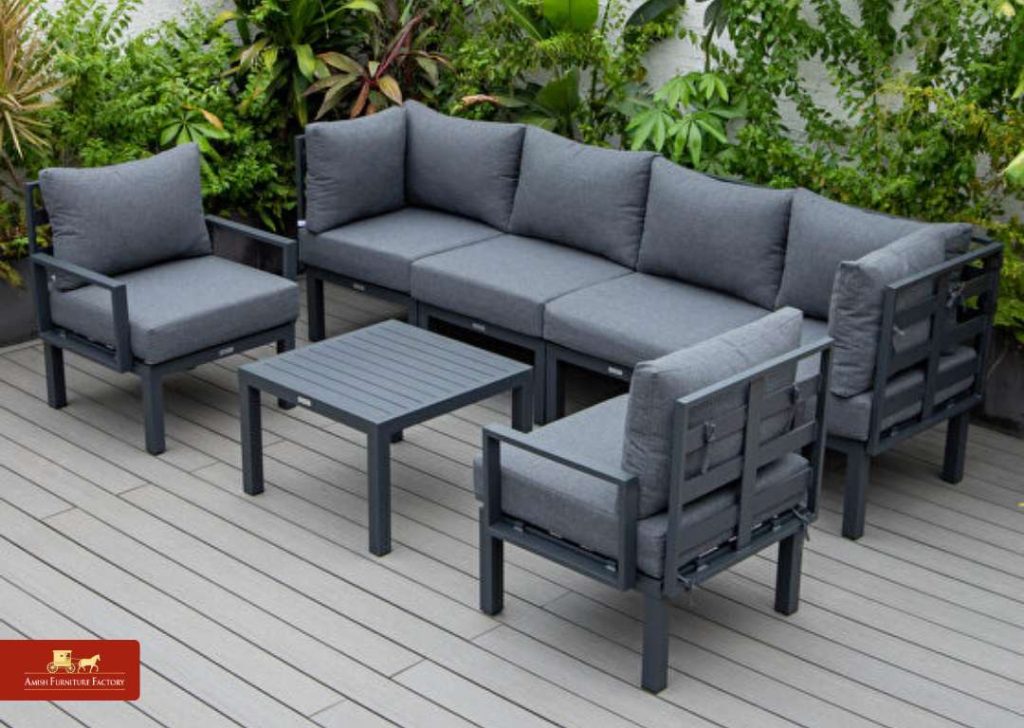
Poly outdoor furniture is made from poly lumber, a durable material typically manufactured from recycled high-density polyethylene, or HDPE. Instead of being cut from trees, this material is manufactured by processing recycled plastic containers and transforming them into sturdy boards that mimic the look of painted wood.
Poly furniture has become increasingly popular for Adirondack chairs, dining sets, deep-seating collections, and modern patio pieces because it offers impressive resistance to weather and requires very little upkeep. The trade-off is that it tends to be heavier and usually costs more upfront than many wood options.
Wood vs. Poly Outdoor Furniture: Side-by-Side Comparison
When selecting a comfortable outdoor furniture, comparing wood and poly side by side can help clarify which material best suits your needs. Each material has unique strengths and drawbacks depending on durability, maintenance, and overall cost.
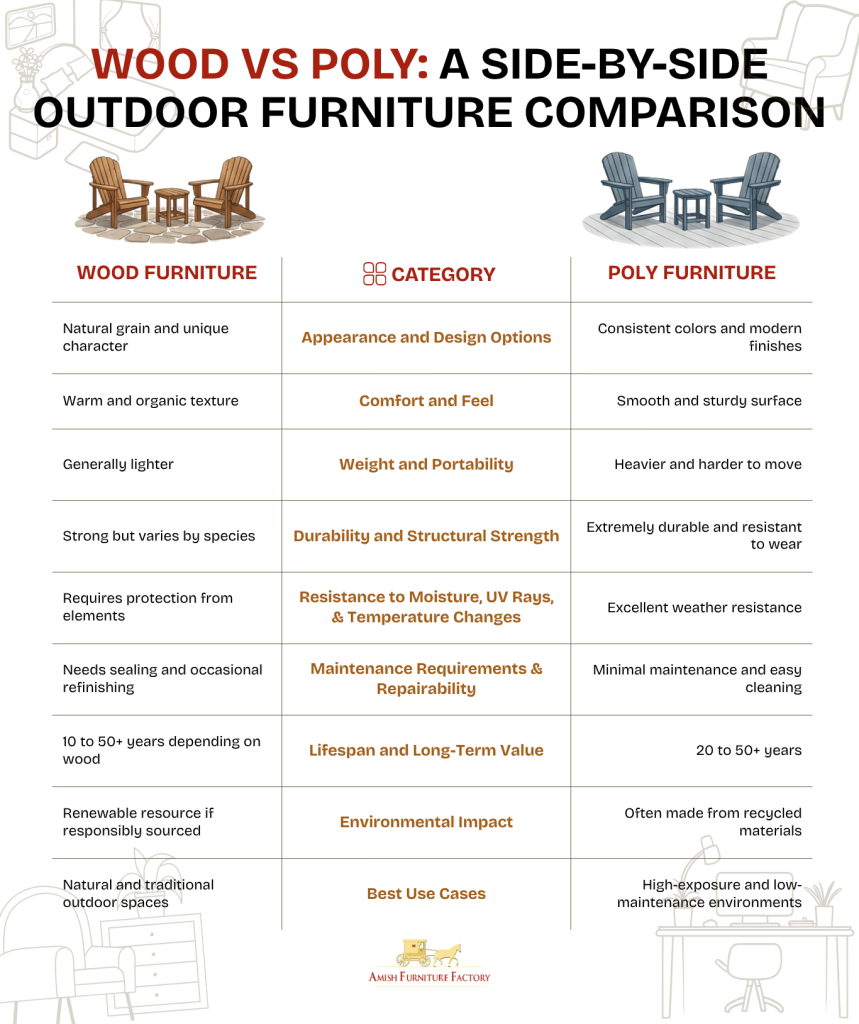
Discover quality, durability, and style for your home with our handcrafted Amish outdoor furniture.
Durability: Which Material Lasts Longer?
Durability often becomes the deciding factor when shopping for outdoor furniture. High-quality wood can last for decades, but its lifespan depends heavily on the type of wood and the climate. With proper care, premium hardwoods such as teak can last 25 to 50 years or more outdoors, while other species like cedar, eucalyptus, and acacia typically last 10 to 25 years.
Poly furniture is designed specifically to withstand outdoor exposure year-round. It doesn’t rot, splinter, crack, or become vulnerable to insect damage. High-quality poly furniture commonly lasts 20 to 30 years or longer with minimal maintenance.
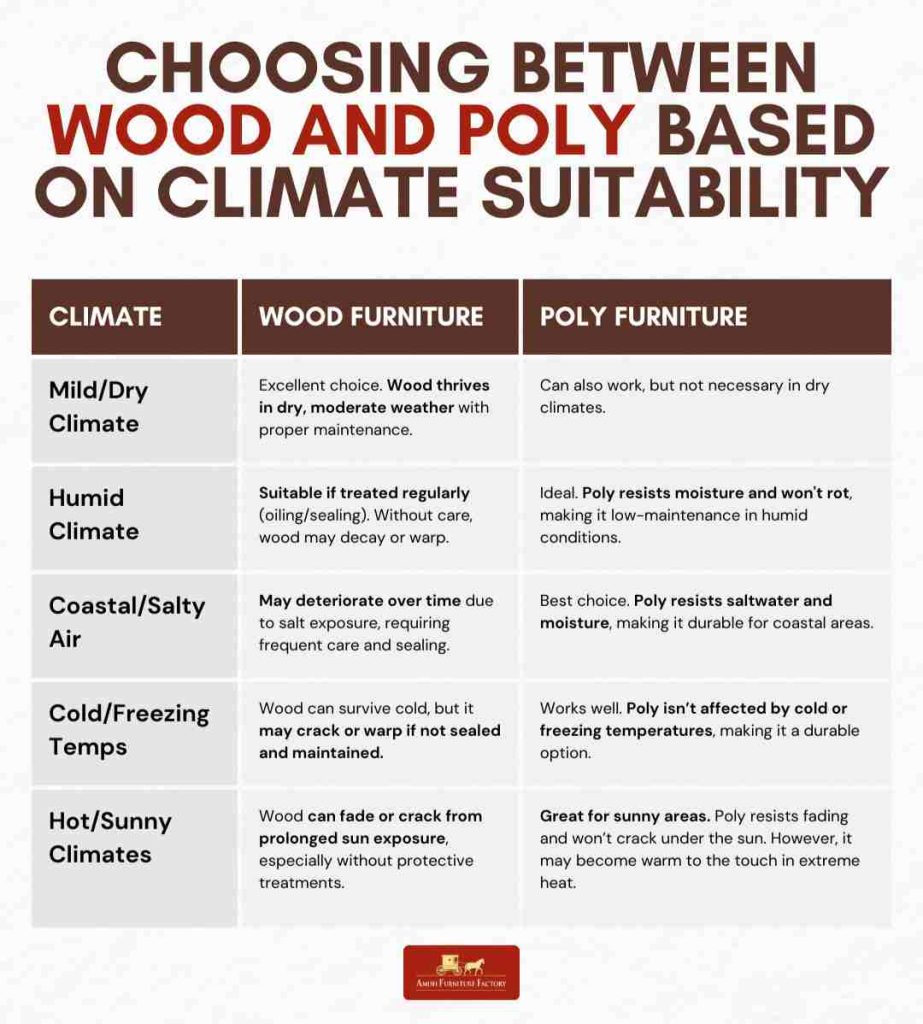
Climate can make a huge difference in how each material performs over time. The table below compares how wood and poly furniture typically hold up under different climate conditions.
Maintenance Requirements: How Much Work Is Involved?
Maintenance is one of the biggest differences in the wood vs. poly comparison. Most wood outdoor furniture should be cleaned several times a year and may need sanding and protective oil every 1 to 2 years, depending on the wood species and your climate. In contrast, poly furniture requires little more than occasional washing with mild soap and water. Most cleanings take just 10 to 20 minutes, with no sealing, staining, or refinishing required.
Cost Analysis: Initial Investment vs. Lifetime Cost
Budget-friendly wood options such as pine or acacia typically cost $150–$500 for a chair or small seating piece, while premium hardwoods like teak often range from $500–$1,500+ per piece. High-quality poly furniture generally falls between $300–$1,200+ per piece. Although poly often costs more than softwoods upfront, its minimal maintenance and long lifespan can make it the more economical choice over time.
Looking beyond the initial price tag is important. Wood furniture often comes with ongoing maintenance costs, including sealers, oils, stains, and occasional repairs. Poly furniture typically requires almost no additional investment after purchase.
Sustainability and Environmental Considerations
Both materials have environmental advantages, but they approach sustainability differently. Wood is a renewable resource when harvested responsibly from well-managed forests. Certified sustainably sourced wood can be an environmentally responsible choice, especially when furniture is built to last for decades.
Poly furniture has its own sustainability benefits because it’s often made from recycled plastics that might otherwise end up in landfills. Its long lifespan also reduces the need for replacement, lowering overall material consumption over time.
Aesthetic Considerations: Which Style Fits Your Outdoor Space?
Wood creates a warm, organic look that fits beautifully in traditional, rustic, coastal, and garden-inspired spaces. As it ages, many wood species develop a weathered patina that some homeowners find even more attractive than the original finish. Poly furniture offers greater color consistency and works particularly well in contemporary and coastal designs. Because it resists fading and weathering, it tends to maintain its original appearance for many years.
Enjoy lasting comfort with the Plain Poly Vinyl Glider Chair. Shop now and add easy, low-maintenance seating to your porch, patio, or backyard.
Conclusion: Making the Right Choice for Your Outdoor Space
The wood vs. poly decision comes down to what matters most to you. If you appreciate natural beauty and don’t mind periodic maintenance, wood offers timeless character that ages gracefully. If you prefer furniture that can withstand the elements with minimal upkeep, poly is a durable, long-term investment that delivers lasting value.
Whichever material you choose, investing in well-crafted outdoor furniture will provide better comfort, performance, and longevity than lower-quality alternatives. Explore our collection of Amish-made wood and poly outdoor furniture to find pieces designed to complement your outdoor space and provide years of dependable enjoyment.
Frequently Asked Questions
Can poly outdoor furniture fade in direct sunlight?
Poly furniture is designed to resist fading, even when exposed to sunlight for extended periods. High-quality options include UV inhibitors to protect the color. However, over many years, intense sunlight may slightly dull the finish.
How do I protect wood outdoor furniture during winter?
Store wood furniture indoors or cover it with breathable, waterproof covers to prevent moisture damage during winter. Avoid using plastic tarps, as they can trap condensation and cause rot. Regularly clean and seal the wood before winter to enhance its resistance to cold and moisture.
Is poly outdoor furniture safe for coastal environments?
Yes, poly furniture is an excellent choice for coastal areas because it resists salt, moisture, and humidity. Its non-porous surface prevents damage from the elements, making it highly durable. It’s a practical option for homeowners near the sea who want low-maintenance outdoor furniture.
What is the average lifespan of wood outdoor furniture vs. poly?
High-quality wood furniture can last 10-30 years with regular maintenance, depending on the type of wood and climate conditions. Poly furniture typically lasts 20 years or more with minimal upkeep. Both options can offer longevity, but poly is less dependent on routine care.
Can poly outdoor furniture be recycled at the end of its life?
Poly furniture is recyclable, as it’s made from high-density polyethylene (HDPE). Many recycling centers accept this material, though availability may vary by location. Recycling poly ensures it can be repurposed into new products, contributing to sustainability efforts.