
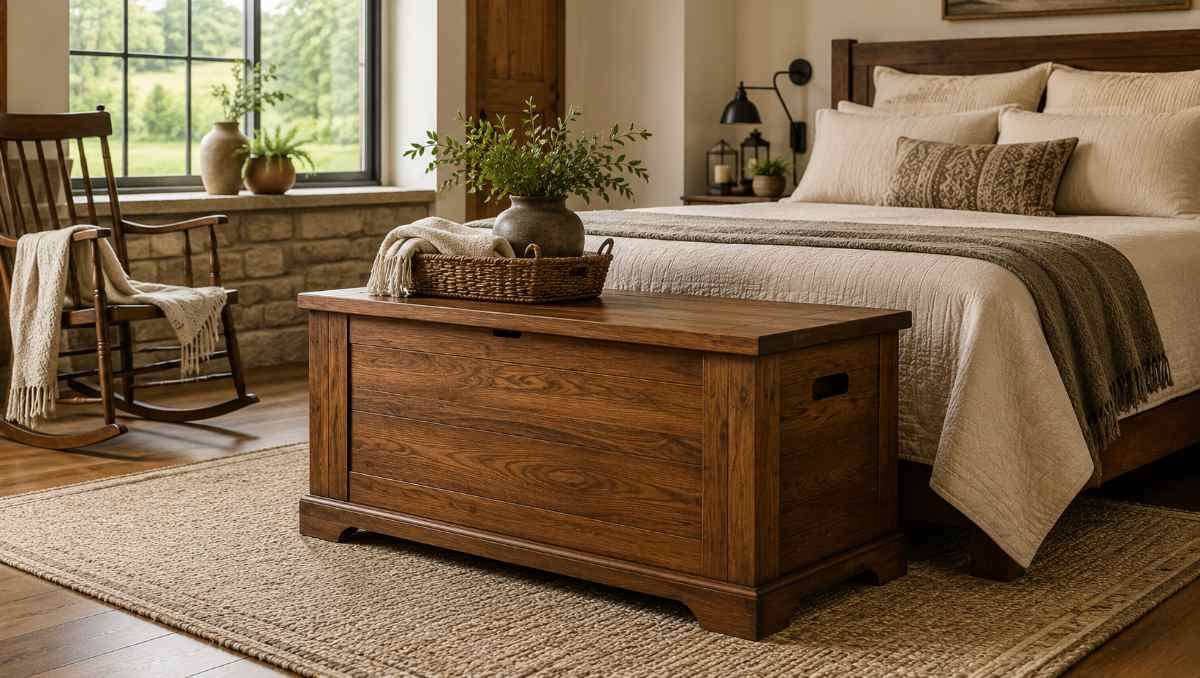
Storage has always been about more than keeping a home tidy. The right furniture can organize everyday essentials while adding warmth, character, and craftsmanship that lasts for decades. A modern storage chest blends practical functionality with timeless design, making it a natural fit for Amish-inspired interiors where quality, simplicity, and longevity remain at the heart of every room.
Key Takeaways:
- Modern storage chests are multifunctional furniture pieces that offer concealed storage for everyday items.
- Entryways, bedrooms, living rooms, dining rooms, kitchens, and family spaces can all benefit from thoughtfully placed storage chests.
- Investing in an Amish storage chest provides lasting value, versatile storage, and a beautiful furniture piece that can be enjoyed for generations.
Why Storage Chests Have Always Been Essential in Amish Homes
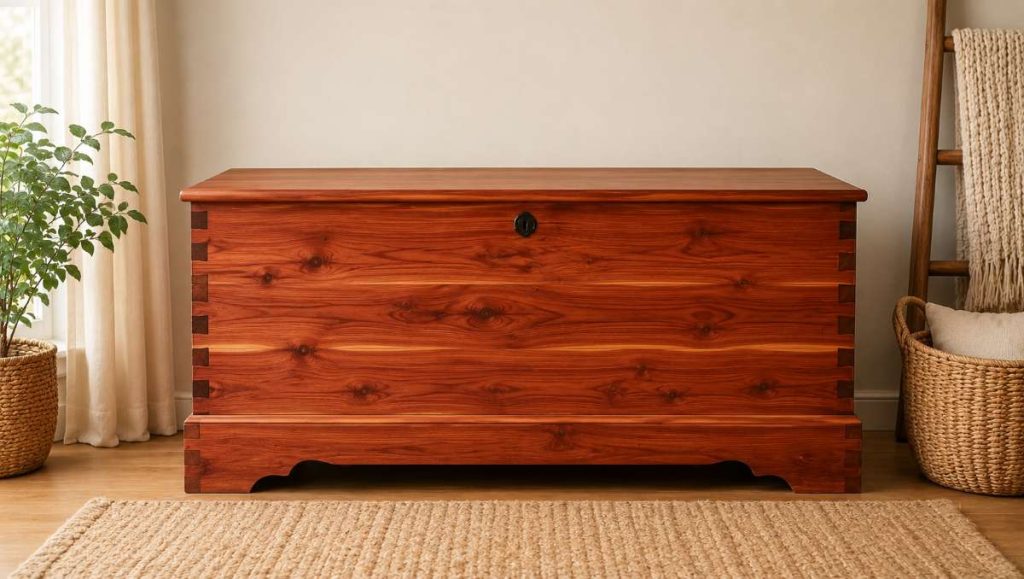
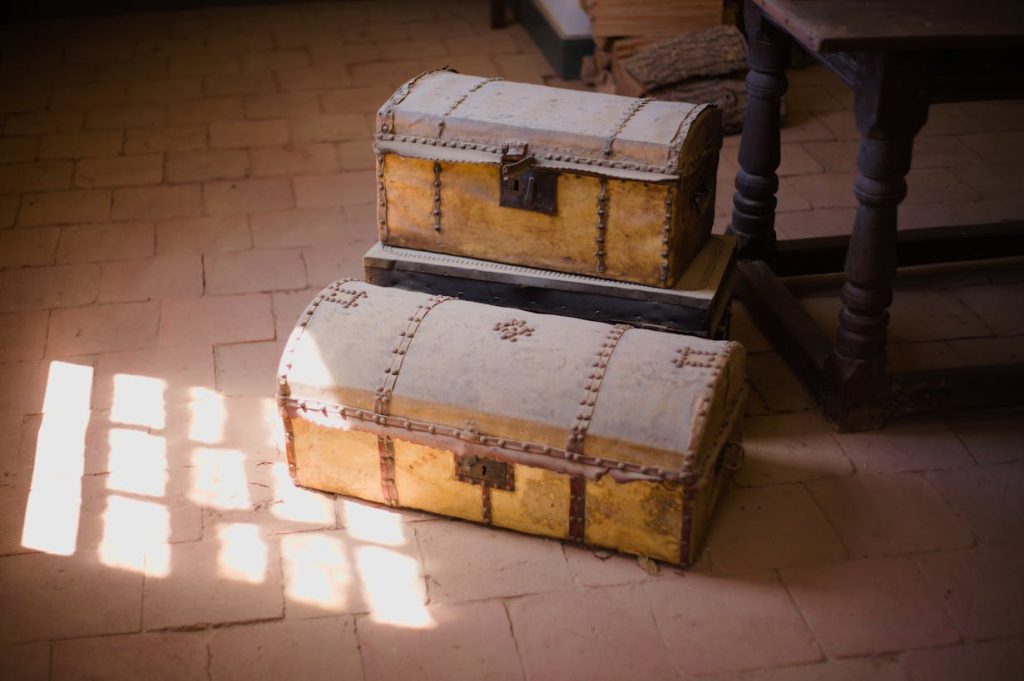
Before built in closets and expansive storage systems became common, storage chests played a central role in Amish households. They provided a secure place to store blankets, quilts, clothing, seasonal items, family keepsakes, and household essentials. Many were also handcrafted as wedding gifts or family heirlooms. Their versatility made them one of the hardest working pieces of furniture in an Amish home and continues to symbolize the Amish belief that well made furniture should become part of a family’s story rather than something replaced every few years.
Key Characteristics of Traditional Amish Storage Chests
While styles may vary across regions and workshops, they share several defining characteristics that have earned them a reputation.
Solid Hardwood Construction and Heirloom Quality
Authentic Amish storage chests are crafted from solid hardwood rather than particleboard or engineered wood. This results in furniture that feels sturdy and stable in everyday use, resisting sagging, wobbling, and wear. Over time, the wood develops character and ages gracefully rather than deteriorating. Because hardwood can withstand decades of regular use, many Amish storage chests become treasured heirlooms passed from one generation to the next.
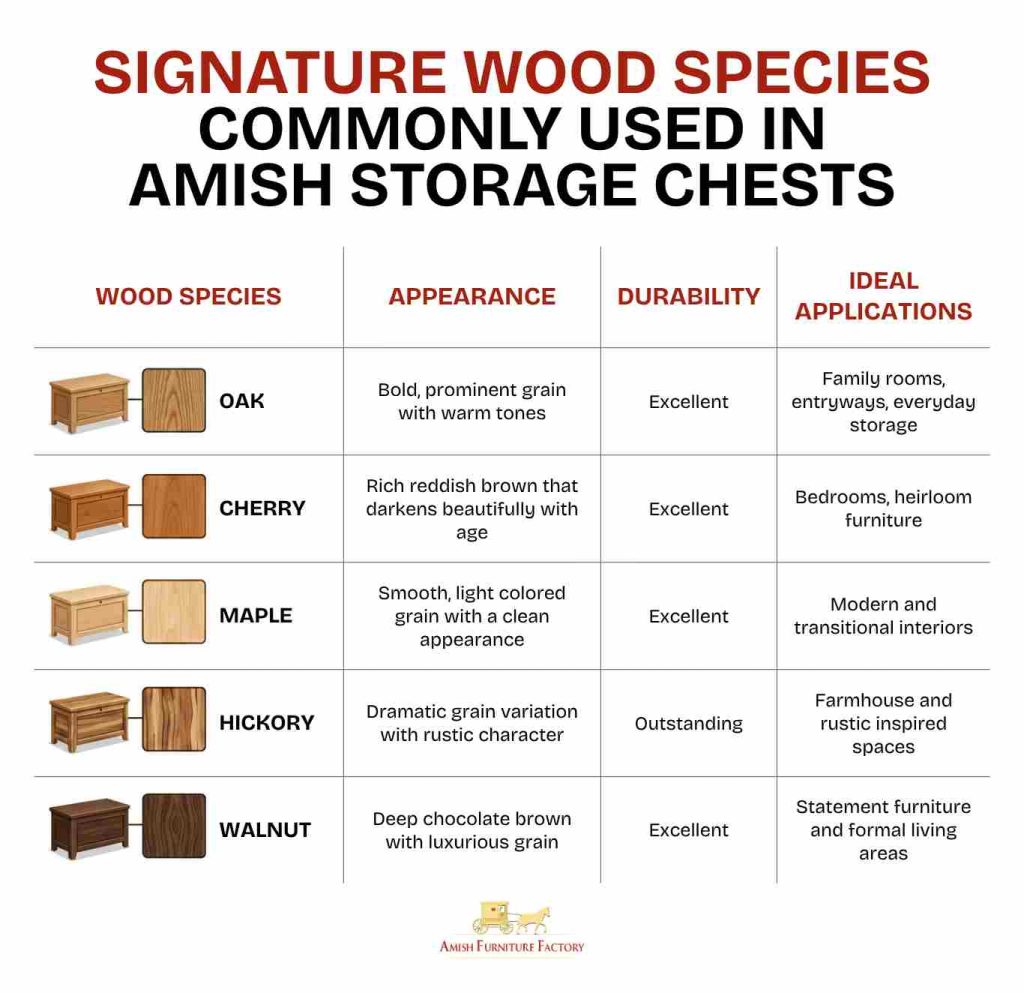
The choice of wood plays an important role in both the appearance and longevity of an Amish storage chest. Each hardwood species offers its own grain pattern, color, durability, and applications:
Joinery Techniques That Stand the Test of Time
One of the hallmarks of Amish craftsmanship is the use of traditional joinery instead of relying primarily on screws, nails, or metal fasteners. By carefully fitting wood components together, these joints become part of the furniture’s structure, creating stronger, longer-lasting connections that can withstand decades of everyday use.
Common Amish joinery techniques include:
- Dovetail joints: Interlocking wedge-shaped joints commonly used on drawers and chest corners. Their mechanical design resists pulling apart, making them exceptionally durable under repeated opening and closing.
- Mortise and tenon joints: A projecting tenon fits precisely into a matching mortise to create a rigid, stable connection. This classic joint is widely used in frames, legs, and structural components because of its superior strength.
- Tongue and groove joints: A tongue on one board fits into a matching groove on another, creating a tight, seamless connection. This joint helps keep panels aligned while allowing the wood to naturally expand and contract with seasonal humidity changes.
Classic Design Elements That Define Amish Furniture
Traditional Amish storage chests emphasize clean lines, balanced proportions, and thoughtful craftsmanship over elaborate ornamentation. Decorative details remain subtle, allowing the natural beauty of the wood to take center stage. Many feature raised panel construction, gently curved lids, solid wood molding, and durable metal hardware selected to complement the handcrafted aesthetic.
Modern Storage Chest Ideas for Every Room
Today’s homeowners often need furniture that serves multiple purposes without sacrificing style. Fortunately, modern storage furniture pairs beautifully with traditional Amish craftsmanship, creating spaces that feel organized, welcoming, and timeless.
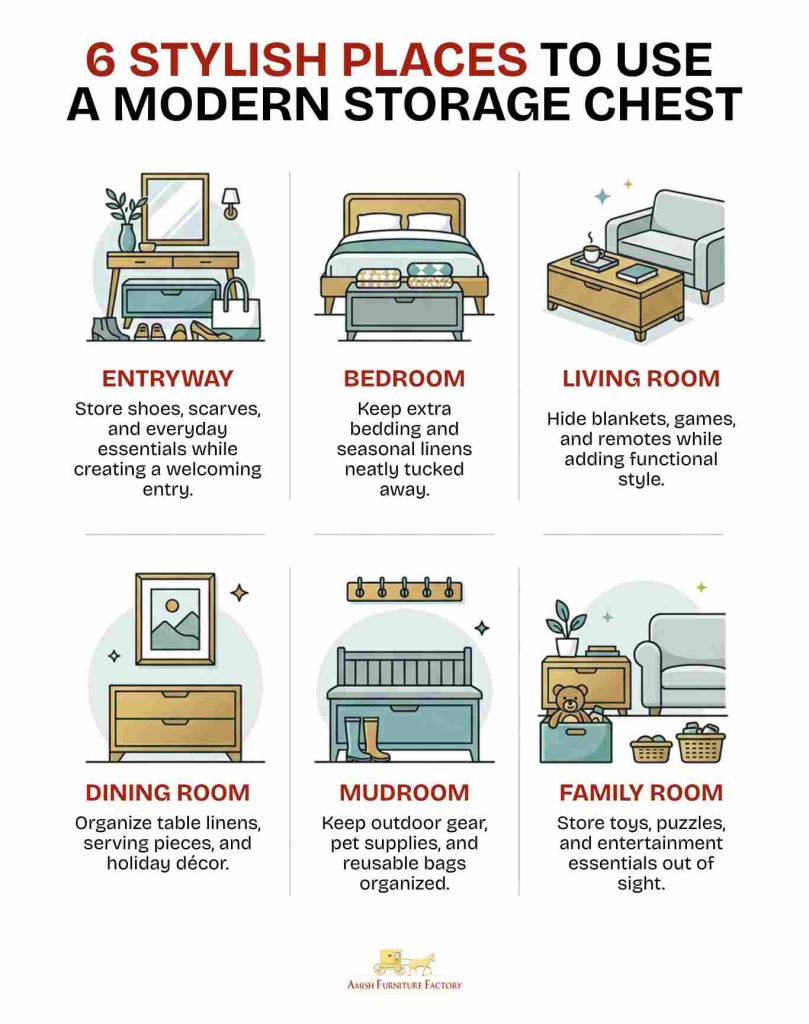
Entryway Storage Chests for Organized Daily Living
Entryway chests keep shoes, umbrellas, scarves, bags, and seasonal items organized while providing a convenient bench for putting on shoes. A simple silhouette and natural wood finish fit well with the understated look of Amish furniture.
Blanket Storage Chests for Bedrooms and Guest Rooms
A classic choice for bedrooms, blanket chests store quilts, comforters, pillows, and seasonal bedding. Placed at the foot of the bed, they add warmth while keeping extra linens within easy reach.
Living Room Storage Chests That Double as Coffee Tables
A storage chest can double as a coffee table decor while hiding board games, books, blankets, and other items. This makes it a practical choice for homes where you want to maximize storage without adding clutter.
Dining Room and Kitchen Storage Chests
These chests provide space for table linens, serving pieces, holiday dishes, and other entertaining essentials. They can also serve as a display surface for décor, photographs, or seasonal pieces.
Toy Storage Chests Designed for Modern Family Spaces
Wooden toy chests help keep play areas organized while fitting naturally into the rest of the home. Spacious interiors make cleanup easy, and their durable construction allows them to remain useful as children grow.
Caring for and Preserving Amish Storage Chests
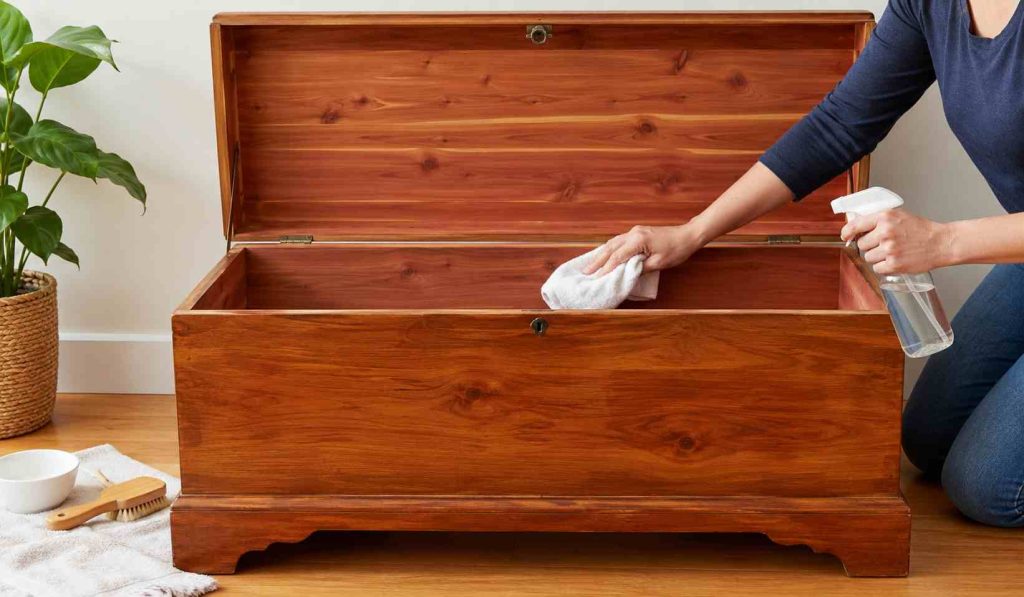
One of the greatest advantages of Amish storage chests is their exceptional durability. However, proper care and maintenance are essential to preserve their beauty and value.
- Dust regularly using a soft, dry cloth. Frequent dusting prevents dirt and debris from accumulating and scratching the wood’s finish. Microfiber cloths work particularly well for routine cleaning.
- Avoid direct sunlight whenever possible. Position storage chests away from windows or use curtains and UV-filtering window treatments.
- Maintain stable indoor humidity levels. Solid wood naturally expands and contracts with changes in moisture. Keeping indoor humidity between 35% and 55% helps minimize warping, cracking, and joint separation.
- Use wood-safe cleaning products. Harsh chemicals, ammonia-based cleaners, and abrasive products can damage protective finishes. Always choose cleaners specifically formulated for fine wood furniture.
- Refresh cedar interiors when necessary. If a cedar-lined chest begins to lose its natural aroma, lightly sand the exposed cedar surfaces with fine-grit sandpaper to revive its scent and insect-repelling qualities.
- Apply furniture polish sparingly. Excessive polishing can lead to buildup. Follow the manufacturer’s recommendations and use high-quality products designed for solid wood furniture.
Conclusion: Bringing Timeless Storage Into the Modern Home
A thoughtfully chosen storage chest offers the versatility today’s households need while honoring the enduring values that define Amish furniture. Whether placed in an entryway, bedroom, living room, dining room, or family space, these storage chest ideas demonstrate how beautifully handcrafted furniture adapts to contemporary lifestyles. Investing in a solid hardwood Amish storage chest means choosing a piece designed not only for today’s needs but also for generations yet to come.
Explore our collection of masterfully crafted Amish chests and upgrade your home with the perfect blend of contemporary design and timeless durability.
Frequently Asked Questions
What size storage chest is best for a bedroom?
Most bedrooms benefit from a storage chest between 40 and 60 inches wide. The ideal size depends on available floor space and what you plan to store, such as blankets, pillows, or seasonal clothing.
Can Amish storage chests be customized to match modern décor?
Yes. Many Amish furniture makers offer custom wood species, stain colors, hardware finishes, and dimensions, making it easy to complement both traditional and contemporary interiors.
How long do Amish storage chests typically last?
With proper care, an Amish storage chest can easily last for several generations. Solid hardwood construction and traditional joinery techniques contribute to exceptional longevity.
How do I choose the right size storage chest?
Choose a storage chest based on what you plan to store and where it will be placed. Measure the available floor space first, then consider the chest’s interior capacity. Smaller chests work well for keepsakes and linens, while larger chests are better for blankets, seasonal clothing, or bulk storage.
What’s the difference between a blanket chest and a storage chest?
A blanket chest is a type of storage chest specifically designed for storing blankets, quilts, and linens, often with a long, low profile. A storage chest is a broader category that can be used for many purposes, including storing clothing, toys, keepsakes, or household items.