
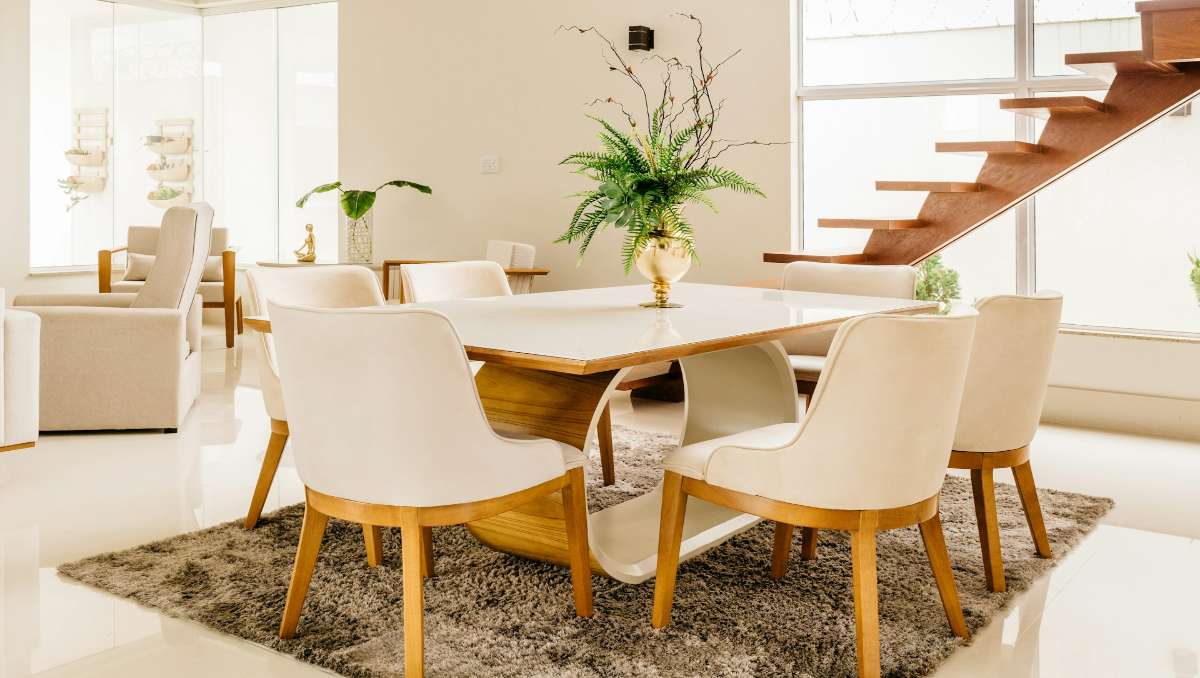
Modern and traditional furniture can share the same room. Pairing clean modern lines with the warmth and craftsmanship of traditional furniture can create a home that feels more collected, personal, and timeless. The key is to look for elements that help contrasting furniture relate to one another, such as color, scale, wood tone, materials, shape, or finish.
Key Takeaways:
- Mix modern and traditional furniture successfully by repeating colors, materials, or shapes throughout the room.
- Choosing one dominant style prevents the space from feeling visually disconnected.
- Keep to two or three wood tones in one room and repeat each one at least twice so the mix reads as deliberate.
What’s the Difference Between Modern and Traditional Furniture?
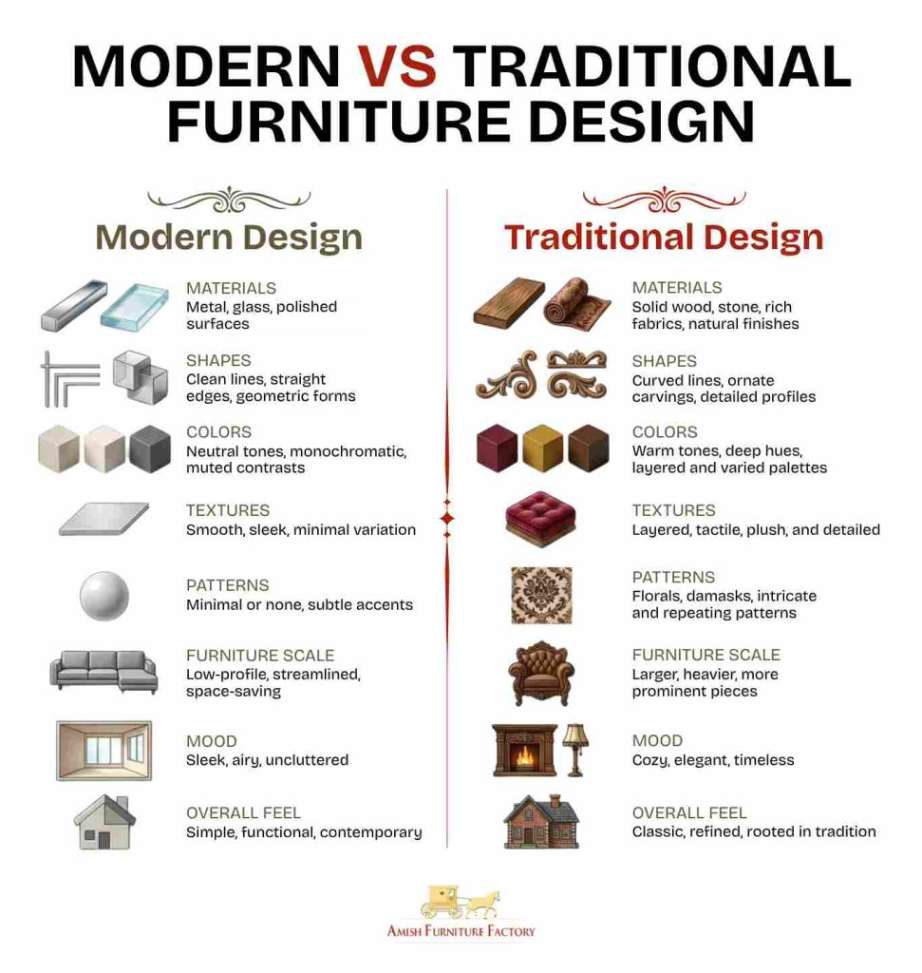
Modern and traditional furniture may work beautifully together, but they are built on very different design principles. Modern furniture focuses on simplicity, clean lines, and functionality, which is why it often features smooth surfaces, minimal ornamentation, and neutral color palettes. Traditional furniture takes almost the opposite approach, emphasizing warmth, craftsmanship, and decorative detail through rich wood tones, silhouettes, layered textures, and classic styling.
These differences are exactly what make the combination so visually appealing when done well. Shaker and Mission furniture shows how narrow the gap really is. Both predate modern design by more than a century, yet their straight lines, flat panels, and absence of carving sit comfortably in a minimalist room. A classic solid wood dining table, for example, can bring warmth and character to a minimalist space, while modern accents can keep traditional furniture from feeling overly formal or heavy.
How To Mix Modern and Traditional Furniture Without Clashing
The rooms that work best tend to follow a few core principles, and they get there gradually rather than forcing the mix all at once.
1. Start With One Dominant Style
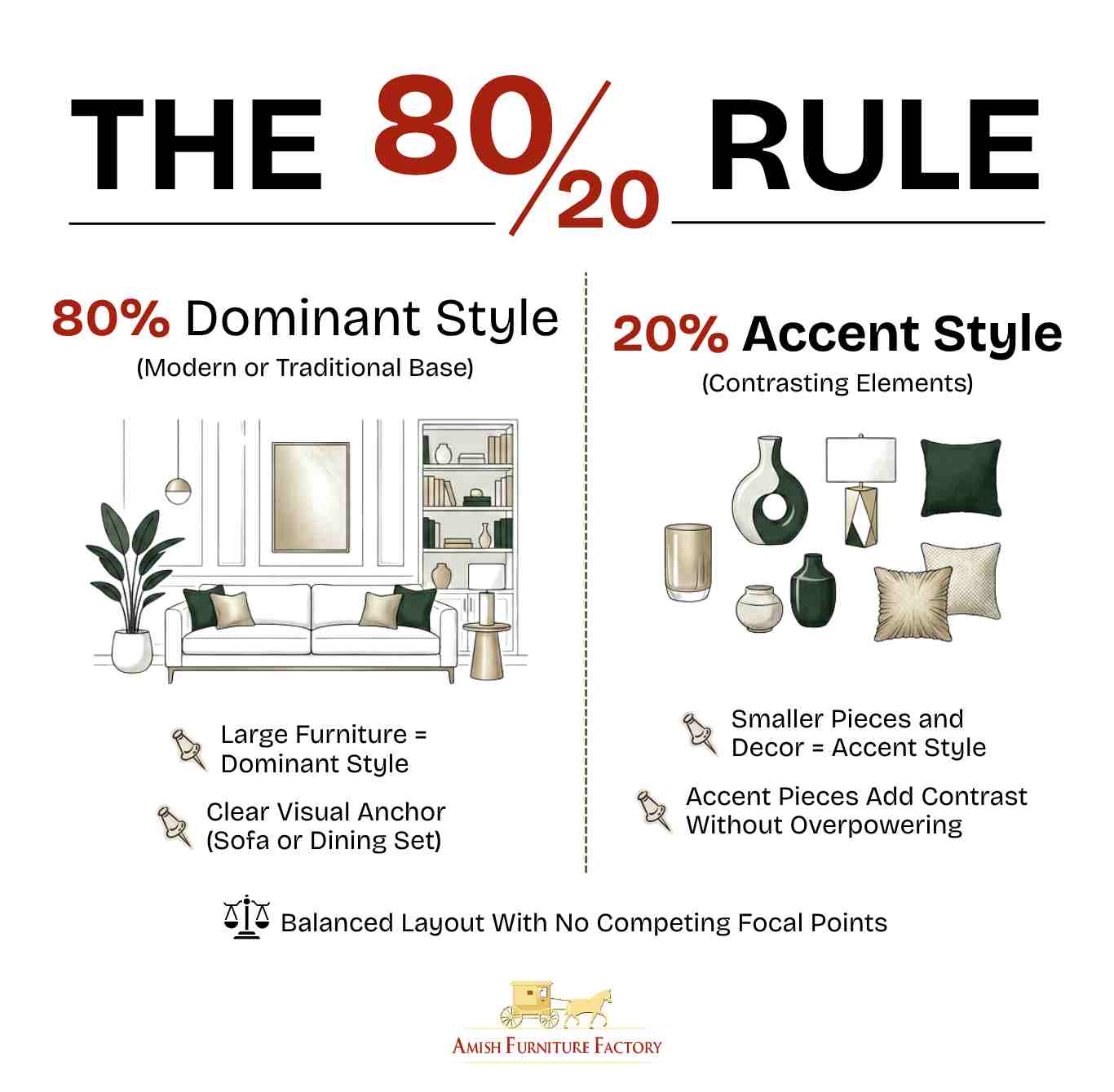
One of the easiest ways to make mixed furniture styles feel intentional is to decide which style will lead the room. The 80/20 rule can be a useful starting point. Think of roughly 80 percent of the room as establishing the dominant style and the remaining 20 percent as providing contrast. You do not need to calculate the percentages literally. The idea is simply to create a clear visual hierarchy.
For example, a room built around a modern sofa, streamlined shelving, and simple lighting might use a solid cherry coffee table as its contrasting focal point. One substantial wood piece does more for a modern room than three or four small traditional accents scattered around it.
2. Match Scale and Proportion Before Style
Furniture does not have to come from the same design period to look good together, but it should feel appropriately scaled. Consider both physical size and visual weight. A substantial traditional dining table may look awkward surrounded by extremely delicate modern chairs, while a small antique side table can easily get lost beside an oversized contemporary sectional sofa.
Look at the height, width, depth, leg thickness, and overall mass of the pieces you plan to combine. The goal is to make differences in scale look intentional rather than accidental. Some proportions hold regardless of style. Dining tables sit at a standard height, so a modern chair and a traditional chair will pair only if their seat heights are close. A coffee table that runs roughly two-thirds the length of the sofa reads as matched, whatever period it came from.
3. Use Color and Repetition to Connect Modern and Traditional Furniture
Repetition is what makes a mixed room read as deliberate. Repeating key elements throughout the room helps everything feel related, even when the furniture itself comes from different design traditions.
This repetition can come through:
- Shared colors
- Similar furniture finishes
- Repeated shapes or silhouettes
- Matching metal accents
- Consistent fabrics or textures
For example, a traditional carved wood console and a modern coffee table may feel connected if they share a similar walnut finish.
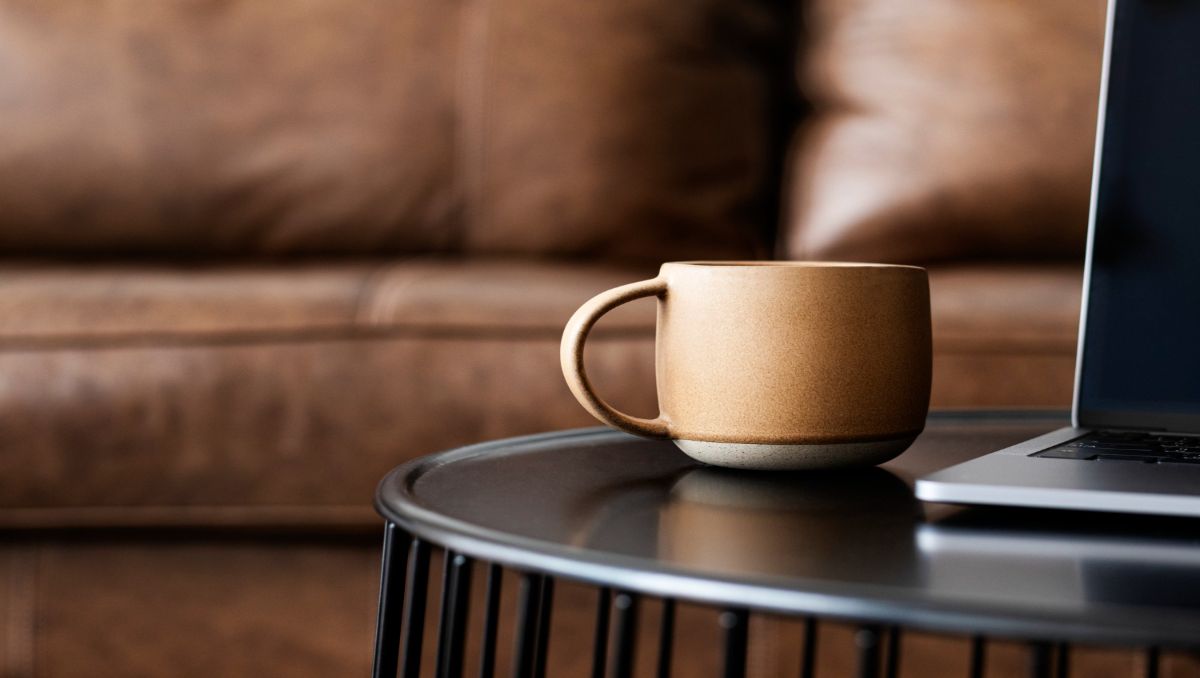
Order free wood samples and hold them against the pieces you already own. Grain and undertone are difficult to judge from a screen.
4. Mix Materials With Intention
Materials follow the same rule as color. Anything that appears once looks accidental, and anything that appears twice looks chosen. Modern interiors often feature glass, metal, and smooth surfaces, while traditional spaces lean toward warm woods, layered textiles, and decorative detailing. A sleek metal floor lamp beside a traditional upholstered chair, or a rustic wood table paired with modern dining chairs, can create a balanced and layered look.
5. Add Transitional Pieces to Bridge the Styles
Transitional style furniture soften the contrast between modern and traditional design. These pieces typically combine cleaner lines with classic materials or subtle detailing, making them easier to pair with both aesthetics.
Shaker and Mission pieces do this job better than anything else in a solid wood catalog. A Shaker dining table in quarter-sawn white oak carries traditional joinery and a straight, unornamented profile at the same time, which is why it sits just as easily under a modern pendant as it does beside upholstered traditional chairs.
6. Apply the Blend Differently in Each Room
Every room benefits from a slightly different balance depending on how the space is used. Living rooms and dining areas often support a more noticeable mix because they are social spaces where style has greater visual impact. Bedrooms and home offices, on the other hand, usually feel better with a softer blend that prioritizes comfort and function.
We often recommend starting each room with one anchor piece, then layering complementary styles around it. Here’s a detailed room-by-room mixing guide:
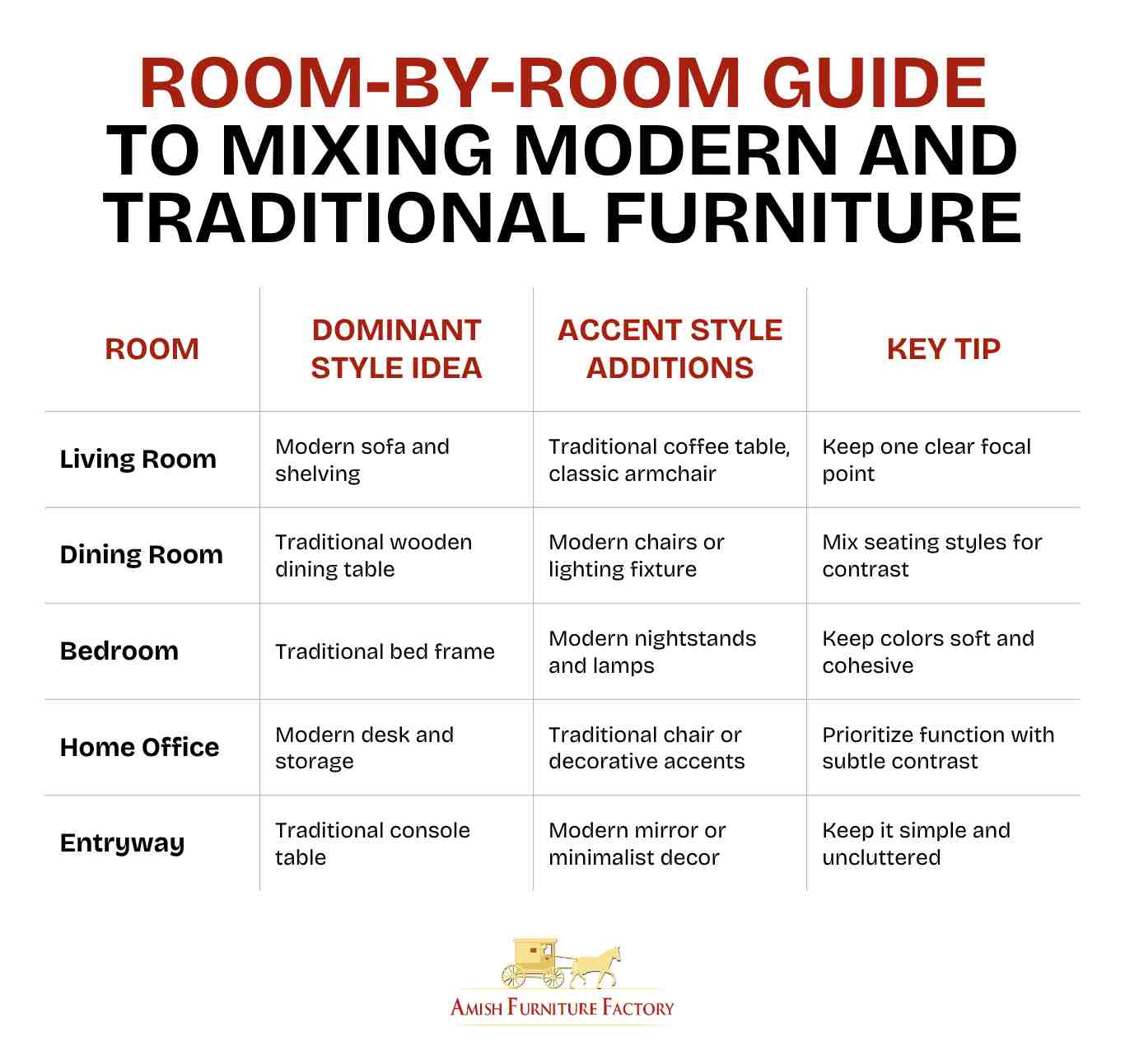
Create a timeless, layered space with modern design and handcrafted Amish living room furniture. Explore our collection today.
Common Mistakes When Mixing Modern and Traditional Furniture
Mixing furniture styles gives you more freedom, but that does not mean every combination will work.
- Trying to Match Everything: Furniture from different styles does not need identical colors, finishes, or details. Too much matching can actually remove the character.
- Using Too Many Statement Pieces: A carved traditional cabinet, bold light fixture, and dramatic coffee table may each look beautiful individually, but together they can compete for attention. Give the room one or two clear focal points and allow the rest to support.
- Introducing Too Many Unrelated Finishes: Different woods and metals can coexist, but a room with four wood tones and three metals reads as accumulated rather than designed. Cut back to the finishes you can repeat.
- Dividing the Room Exactly in Half: An even split gives the eye two competing foundations and no clear place to settle, which is what makes a room feel unresolved even when every piece in it is good.
- Forgetting the Architecture: Furniture should have some relationship with the space around it. Pay attention to flooring, trim, windows, fireplaces, ceiling height, and other permanent features when deciding which style should dominate. Wood floors count here. A red-toned floor will argue with a cool walnut table, so check the room’s permanent finishes before committing to a wood tone.
Creating a Balanced Modern and Traditional Home
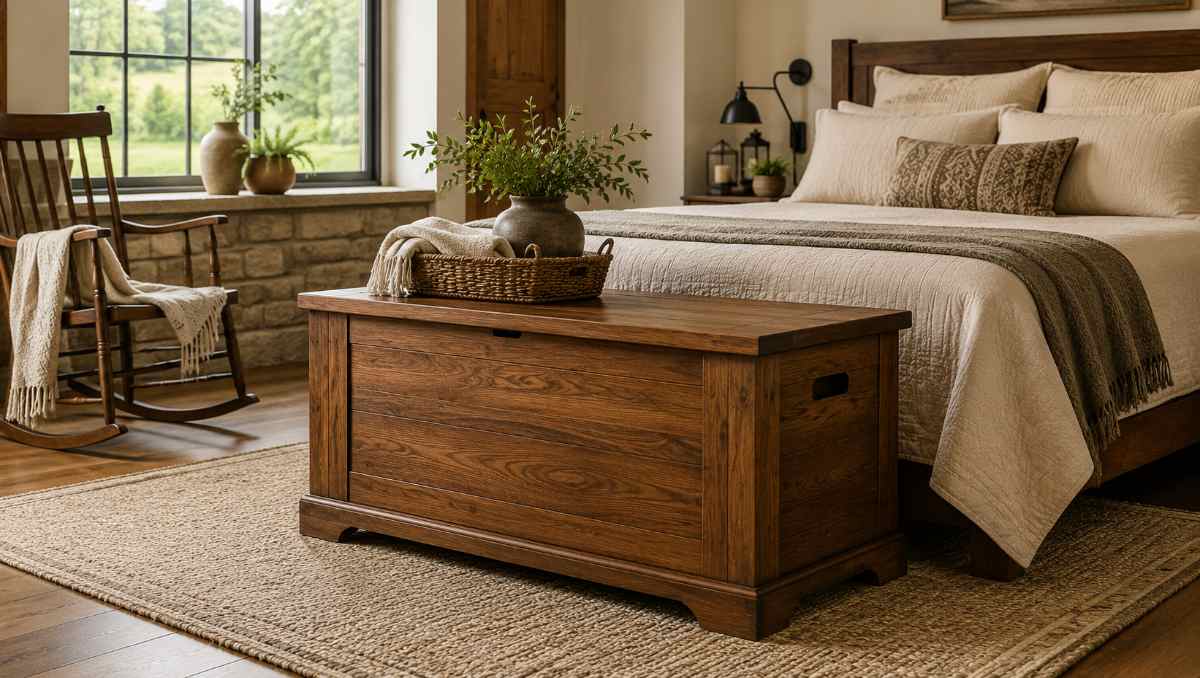
The best modern-traditional interiors do not look as though two decorating styles were simply placed in the same room. They feel collected, because enough elements repeat that the eye stops registering the pieces as separate purchases. Start with the largest pieces and decide which style will establish the room’s foundation. From there, introduce contrasting furniture gradually.
If you’re looking for a timeless piece to anchor your space, explore Amish Furniture Factory’s handcrafted solid wood furniture. With styles ranging from clean-lined Shaker and Mission designs to more traditional pieces, you can find furniture that brings natural warmth and craftsmanship to both modern and traditional interiors.
Not sure which wood tone belongs in your room? Order free samples and compare them in your own light before you commit.
Frequently Asked Questions
How do you mix wood tones without clashing?
Match undertones rather than exact colors. Warm woods such as oak and cherry sit well together, while cool-toned woods pair with each other, and a room reads best with two or three tones repeated in more than one place.
Do dining chairs have to match the table?
No. Chairs from a different style work as long as the seat height suits the table height and one element carries across, such as the wood tone, the finish, or the leg shape.
What is the easiest way to start blending two different furniture styles?
Start with a neutral base and introduce one or two contrasting pieces gradually. This helps you test combinations without overwhelming the space.
How do you choose a dominant style when mixing modern and traditional decor?
Look at your largest and most expensive pieces first. The style of those items usually becomes the foundation for the rest of the room.
When should you not mix modern and traditional furniture?
You may want to avoid mixing modern and traditional furniture when a room already has strong architectural details or a very specific design direction that could feel overwhelmed by another style. It can also be difficult in a small space if both styles introduce too many colors, finishes, or visually heavy pieces.
What colors work best when mixing modern and traditional furniture?
Neutral colors such as white, cream, beige, gray, taupe, and warm brown are reliable choices because they create a calm backdrop for contrasting furniture styles. Warm neutrals work particularly well with traditional wood furniture, while black, charcoal, or muted earthy tones can add a modern edge without feeling disconnected.
Is mixing modern and traditional furniture the same as transitional design?
The terms are closely related, but they do not always mean exactly the same thing. Transitional design intentionally combines characteristics of traditional and modern interiors to create a balanced aesthetic. It often uses classic materials and comfortable furniture alongside cleaner lines, restrained decoration, and a relatively cohesive color palette.