
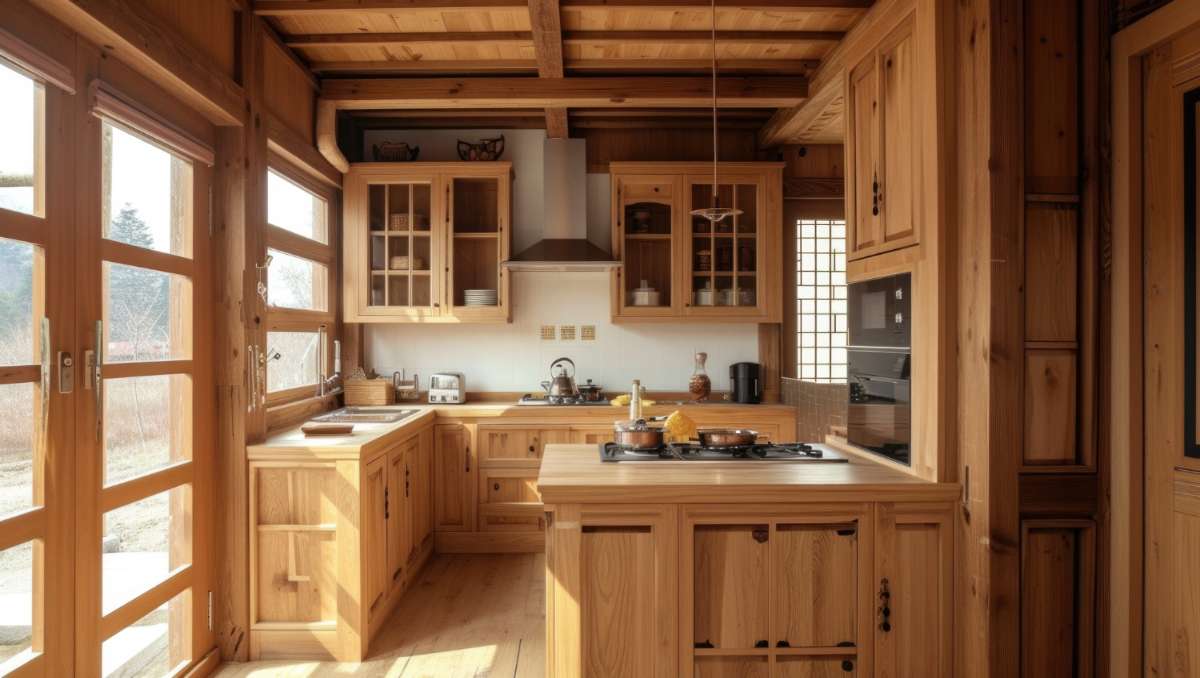
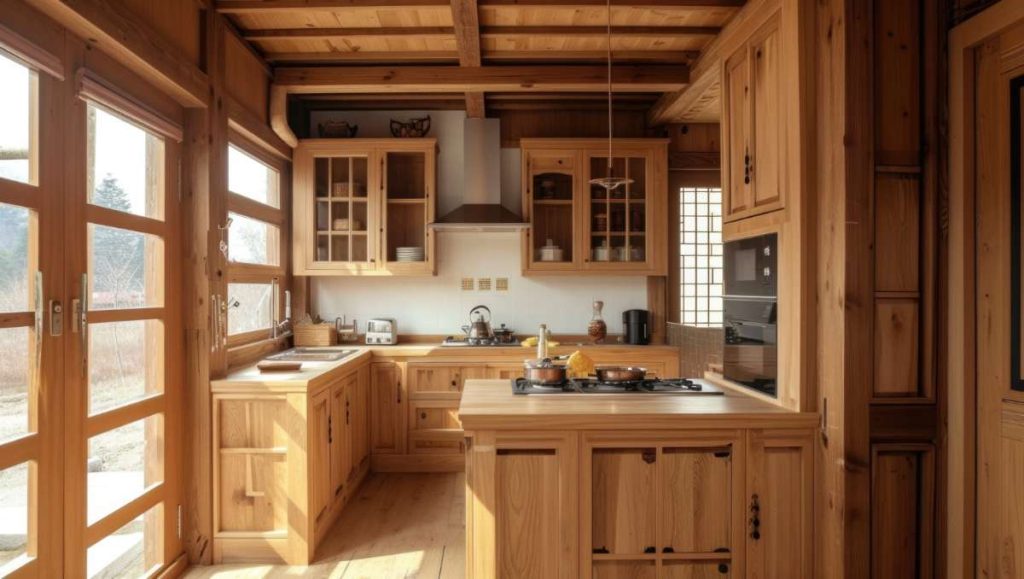
Choosing the right cabinets can completely transform the look and feel of your kitchen, but with so many options, it can be hard to know where to start. Two of the most popular choices are mission style cabinets vs shaker style. Understanding the differences between the two can help you choose the one that fits your lifestyle, complements your home, and creates a kitchen you will love for years to come.
Key Takeaways:
- Mission cabinets are thick, structured, and warm with visible joinery. Shaker cabinets are clean, simple, and light with recessed panels.
- Shaker works well for busy households and easy updates. Mission suits those who want long-lasting, handcrafted pieces with strong character.
- Shaker is usually more affordable and fits many kitchen styles. Mission is pricier but perfect for rustic or traditional spaces and holds value over time.
In this article, we will explore mission-style cabinets vs shaker-style style to help you understand the differences, benefits, and design possibilities of each.
What Is Mission Style Cabinetry?
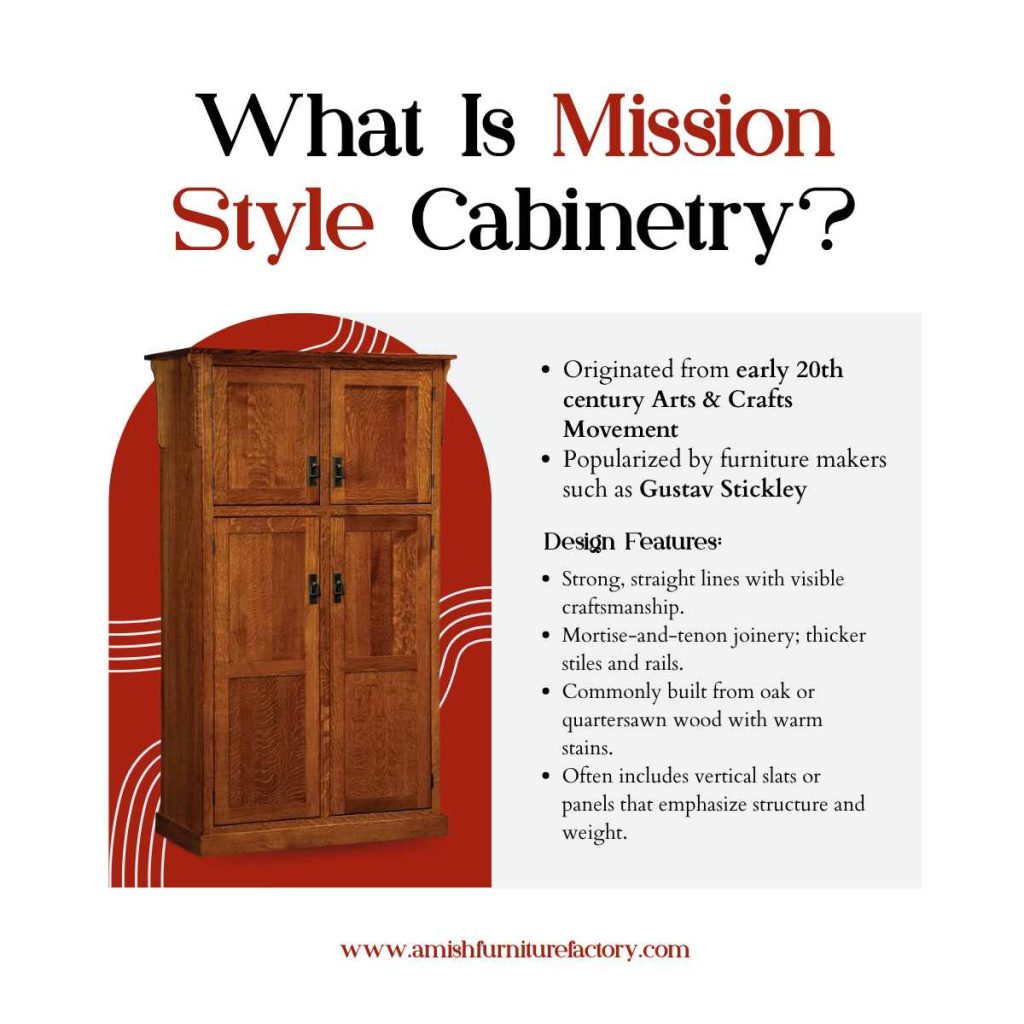
Mission style cabinetry emerged in the early 1900s during the American Arts and Crafts movement, which valued honest craftsmanship and sturdy, functional design. Mission styles showcase strength through heavier frames, rich wood grains, and visible joinery. Oak is the signature wood choice, often finished in warm, earthy tones that highlight its natural texture. The doors typically feature flat panels with straight lines, creating a bold, architectural presence. Mission furniture is meant to be seen and appreciated. They bring warmth and character to a space without feeling ornate or fussy.
What Is Shaker Style Cabinetry?
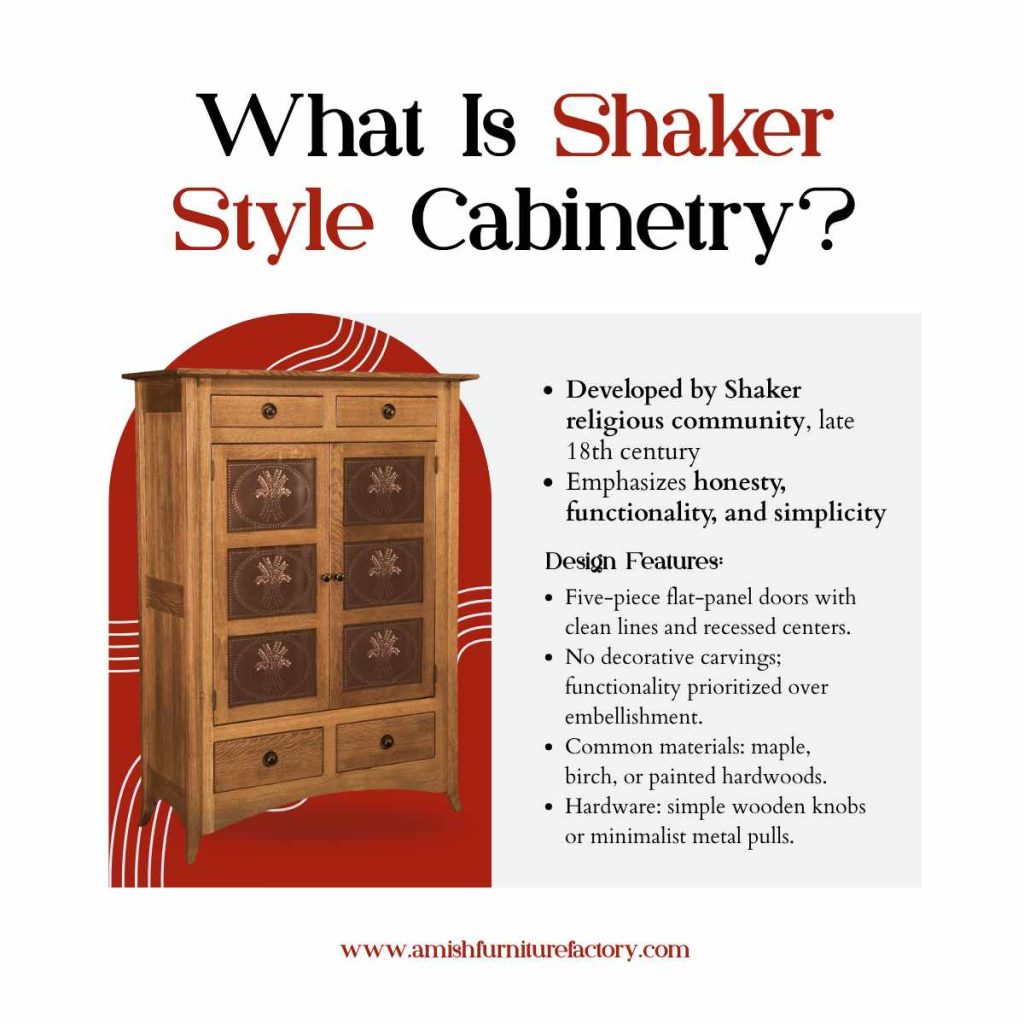
Shaker-style cabinets come from 18th-century Shaker communities, which believed that simple, purposeful design is true beauty. These cabinets are known for their clean, recessed panel doors, balanced proportions, and no extra frills. The focus is all about function and quality craftsmanship. Usually made from sturdy hardwoods like maple or birch, they’re often finished in light stains or painted in classic whites, grays, or soft muted colors. Their simple, timeless look makes them easy to fit into both modern and traditional kitchens.
Enhance your home’s aesthetic with the timeless simplicity of authentic Amish shaker furniture—shop now for handcrafted pieces that embody classic Shaker design.
Mission Style Cabinets vs Shaker Style: Key Differences
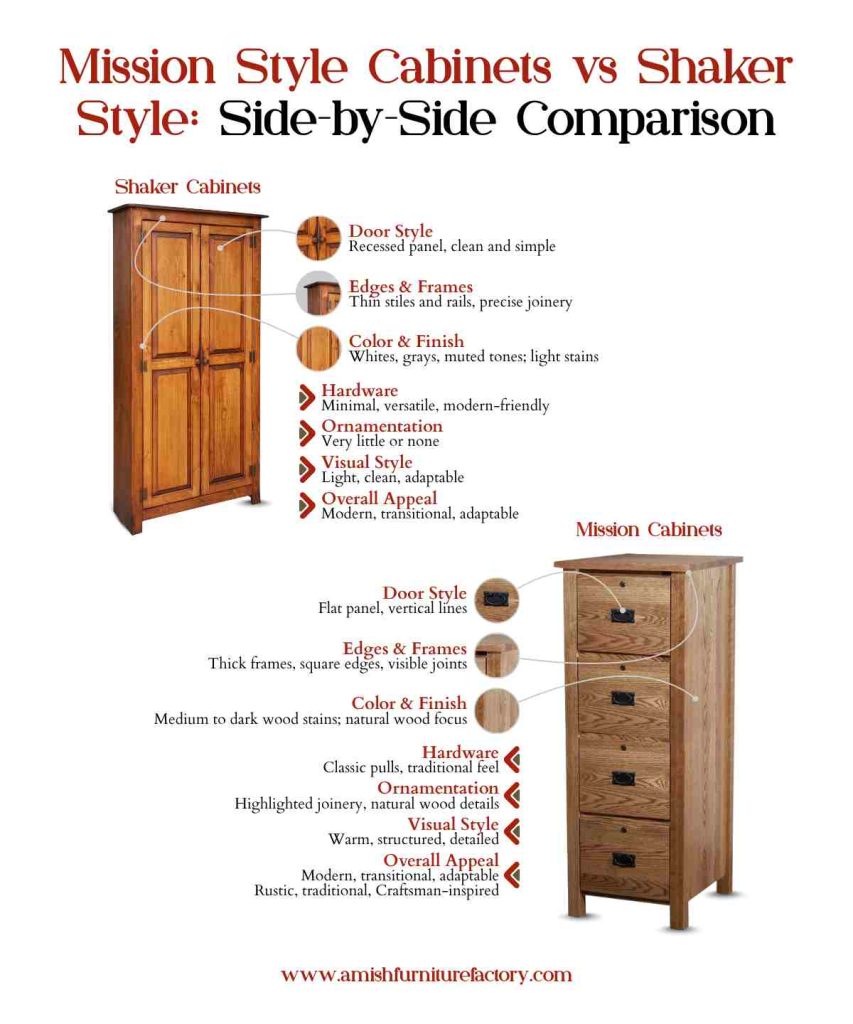
Mission and Shaker cabinets are both rooted in simplicity, quality craftsmanship, and timeless design. But when you dig deeper, subtle differences in their build, materials, and finish reveal two distinct personalities.
Frame, Construction, and Craftsmanship
Both Shaker and Mission cabinetry share a commitment to sturdy, frame-and-panel construction, but their craftsmanship tells two different stories. Shaker cabinets feature thin, even stiles and rails joined with precise, understated wood joinery that keeps the overall design lightweight and symmetrical. Mission cabinets, on the other hand, are built with thicker frames, square edges, and visible mortise-and-tenon joints that emphasize structure and honesty in design.
Wood, Finish, and Ornamentation
The wood and finish of each style reflect their design philosophies. Shaker cabinets often use maple, cherry, or birch, chosen for smooth grains and the ability to take paint or light stain beautifully. They’re frequently painted in whites, grays, or muted tones that enhance their crisp, modern look. Mission style cabinets, by contrast, lean into the natural character of the wood itself — typically quarter sawn oak or walnut — with medium to dark stains.
Aesthetic & Style Compatibility
Shaker cabinetry’s simplicity makes it a design chameleon, fitting effortlessly into almost any home. Its flat panels and straight edges pair well with quartz counters, matte hardware, or minimalist lighting. Mission cabinets, with their stronger lines and visible grain, naturally complement Craftsman, rustic, or traditional interiors where warmth and detail take center stage.
Durability, Maintenance, and Aging
In terms of longevity, both styles are built to last, but their finishes age differently. Shaker cabinets’ smooth surfaces are easy to clean and repaint, making them ideal for busy kitchens that see daily use. Mission cabinets’ heavier wood frames and natural finishes are exceptionally durable but may require more care to maintain their depth and luster over time.
Cost and Resale Value
When it comes to price, Shaker cabinets generally sit in a more affordable range, especially in stock or semi-custom lines, thanks to their simple construction and wide availability. Mission cabinets, with their denser hardwoods and handcrafted details, often cost more — particularly in custom builds. However, both styles hold their value well because they’re considered timeless and desirable among buyers.
Need to watch the difference? Check out this video on Mission vs. Shaker kitchen cabinets.
Which Style Fits Your Home?
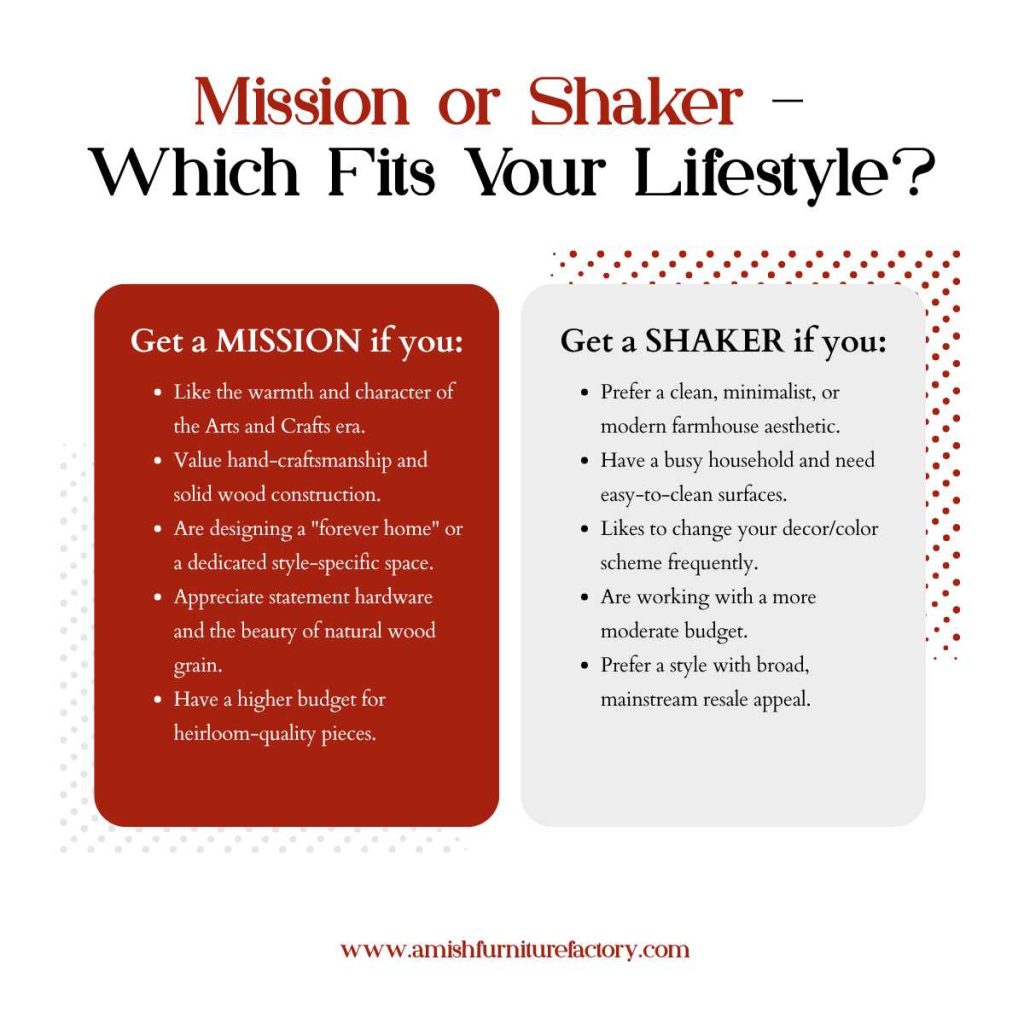
Choosing between Mission and Shaker cabinets isn’t just about appearance—it’s about how you live. If you like flexibility, easy upkeep, and the freedom to change your look over time, Shaker cabinets are your friend. Their clean lines and smooth surfaces make them simple to maintain, refinish, or repaint, which is great for busy families or anyone who enjoys updating their space without committing to a full remodel.
If you’re drawn to long-lasting craftsmanship and a more structured, architectural feel, Mission cabinets might be the better fit. Built from durable woods like oak or walnut, they’re designed to stand the test of time. Their thicker profiles and visible joinery add a sense of substance and intention that feels less trendy and more timeless.
How to Style Your Cabinets
Both Mission and Shaker cabinets can completely shape the mood of your kitchen. Here’s how to make each one shine in your space:
Styling Tips for Mission Cabinets
- Highlight the wood grain. Opt for stains that bring out the richness of quartersawn oak or walnut — the heart of Mission craftsmanship.
- Choose classic hardware. Oil-rubbed bronze or hammered metal handles pair beautifully with Mission’s solid, handcrafted look.
- Incorporate warm lighting. Amber or soft white light enhances the depth of the wood and adds to the cozy, grounded ambiance.
- Pair with natural materials. Stone countertops, tile backsplashes, and woven textures all blend well with Mission cabinetry’s earthy feel.
- Lean into the Craftsman aesthetic. Complement your cabinets with built-in shelving, exposed beams, or handmade pottery for an authentic touch.
Styling Tips for Shaker Cabinets
- Play with contrast. Pair crisp white or soft gray Shaker cabinets with dark hardware or bold backsplash tiles for a modern yet balanced look.
- Mix materials. Combine painted Shaker doors with natural wood shelving or butcher-block counters to add warmth and texture.
- Keep it clean and minimal. Choose simple handles or hidden pulls to maintain that signature Shaker simplicity.
- Add modern lighting. Sleek pendants or matte-finish fixtures complement Shaker’s timeless form while updating the feel.
- Use subtle color tones. Soft neutrals like ivory, sage, or navy enhance the calm, functional nature of Shaker design.
Conclusion: Your Home, Your Style
At the end of the day, choosing between Mission-style cabinets vs Shaker-style comes down to what feels most like you. Both offer timeless beauty and durability, but they express it differently. Shaker cabinets bring quiet order and adaptability, making them ideal for homeowners who want a clean, versatile foundation that evolves with their space. Mission cabinets, on the other hand, speak to those who love craftsmanship, warmth, and the natural beauty of solid wood. There’s no wrong choice — only the one that reflects your lifestyle, your rhythm, and how you want your kitchen to feel every day.
Frequently Asked Questions
What is another name for Mission style furniture?
Mission style furniture is often referred to as Craftsman style, a term inspired by the American Arts and Crafts movement of the early 1900s. Both emphasize simplicity, function, and honest construction using natural materials like oak and walnut.
Is Mission-style furniture still in style?
Mission style remains popular for its authenticity and timeless appeal. Its handcrafted quality and earthy tones pair beautifully with modern and transitional homes that value warmth and character over fleeting trends.
How do I clean and maintain each style effectively?
For Shaker cabinets, use a mild soap and water solution and wipe with a soft cloth to avoid damaging paint finishes. Mission cabinets benefit from occasional polishing with wood-safe oils or conditioners to maintain cabinet depth and prevent drying or fading.
Is Mission style too dark and heavy for a small kitchen?
Not necessarily. While Mission cabinetry tends to feature darker tones, pairing it with light countertops, walls, and ambient lighting can balance the space beautifully. Opt for smaller door panels or glass inserts to create an airier feel.
Which cabinet style is more timeless and less likely to go out of fashion?
Both styles have stood the test of time, but Shaker cabinets hold a slight edge in versatility. Their clean lines and minimalist design fit seamlessly into both modern and traditional homes, making them a safe and lasting choice.