
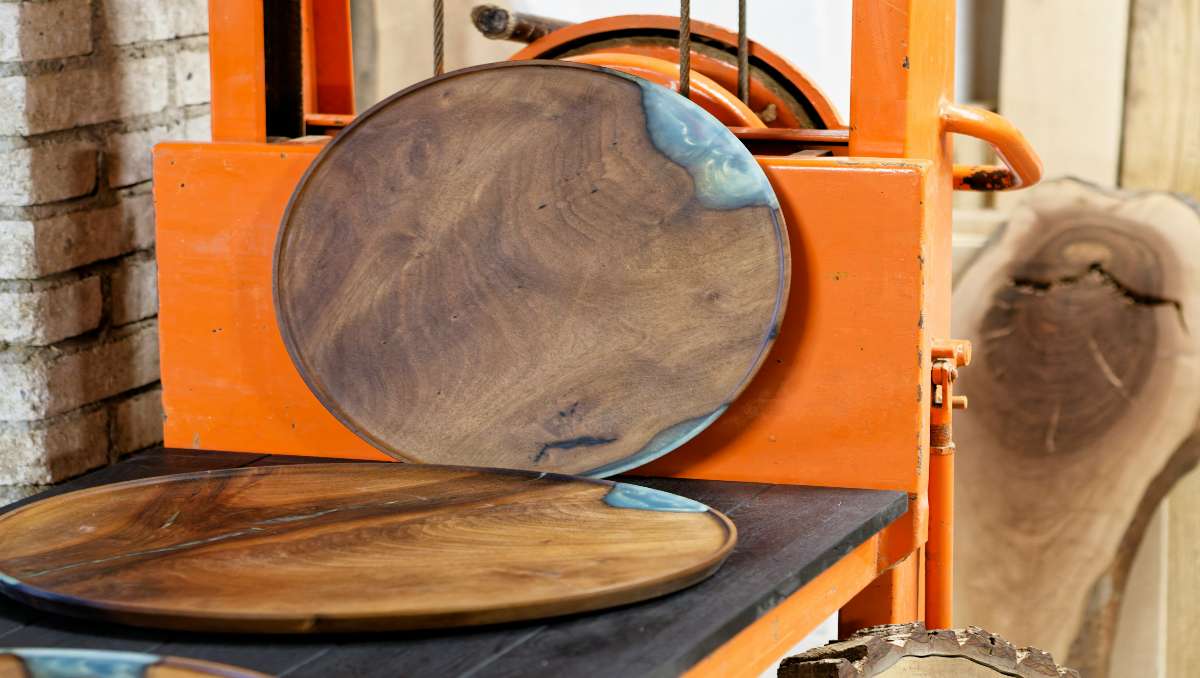
When it comes to choosing wood for furniture, cabinetry, or dark wood flooring, walnut is often considered one of the most desirable options. But with its luxurious appearance and exceptional durability, many wonder: Is walnut expensive? The answer isn’t straightforward, as several factors—such as its rarity, the quality of craftsmanship, and the sourcing of the wood—play a role in its price.
Key Takeaways:
- Walnut wood is considered an expensive hardwood because of its limited availability, slow growth rate, and high demand for its rich color and distinctive grain.
- Though costly upfront, its long-lasting quality and stunning appearance make it worth the investment for those who value high-end furniture and craftsmanship.
- Think about your budget and needs, but keep in mind the lasting value walnut wood can provide.
In this article, we’ll break down what makes walnut wood more costly than other types, and explore whether its beauty and longevity justify the price tag.
What is Walnut Wood?
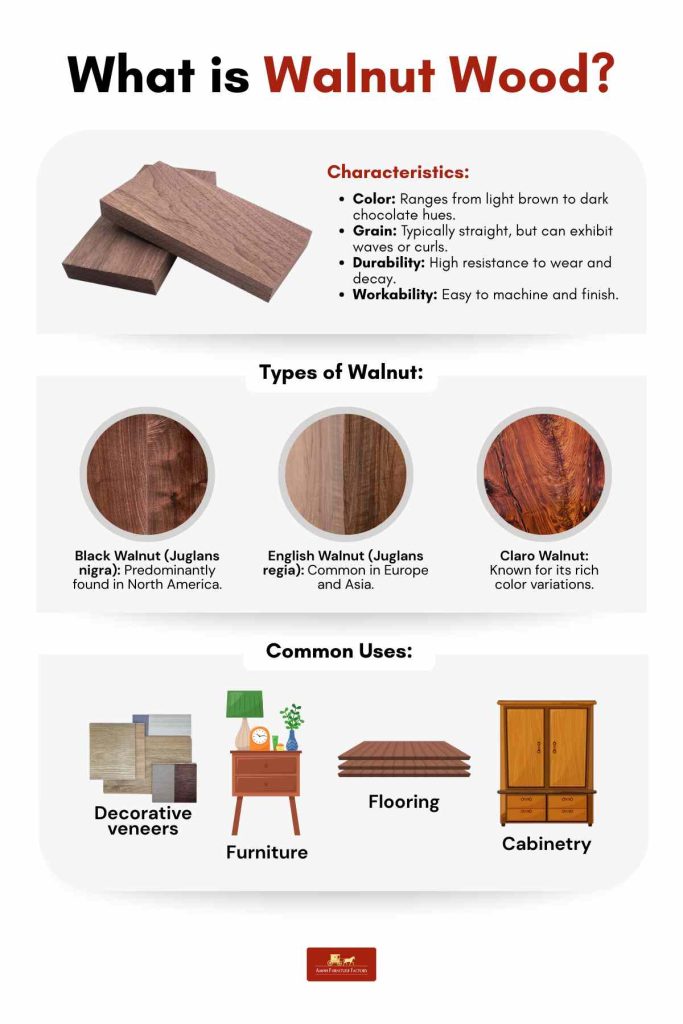
Characterized by its rich, dark brown heartwood that can sometimes feature striking variations of lighter browns, purples, and even reddish tones, walnut hardwood is prized for its beauty, strength, and workability. Sourced primarily from the Juglans genus of trees, with Black Walnut (Juglans nigra) being the most commercially significant species in North America, walnut boasts a relatively tight grain that can range from straight to beautifully figured with curls, burls, and waves. Its moderate density and stability contribute to its durability, while its ability to take finishes smoothly enhances its aesthetic appeal in a wide array of applications.
Is Walnut Wood Expensive? A Breakdown of The Cost
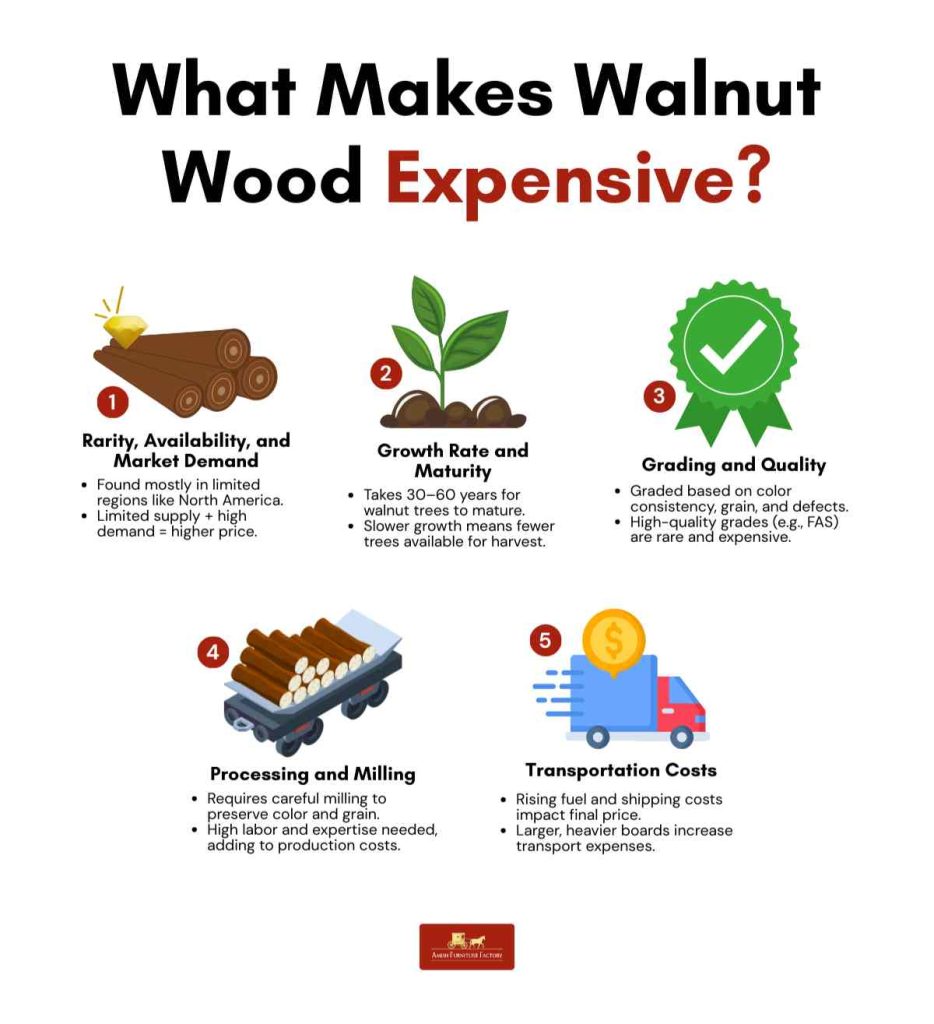
Yes, walnut wood is generally considered an expensive hardwood, and there are several reasons why. Its high cost comes from limited availability—especially premium types like Black Walnut—which grow slowly and take decades to mature. On top of that, walnut is in constant demand for high-end furniture and cabinetry due to its rich color, unique grain, and long-lasting durability.
Processing walnuts also adds to the price. Milling and drying require skill to avoid warping, and top-grade walnuts must meet strict standards in color and consistency. While it costs more than many other hardwoods, walnut can be a worthwhile investment if you’re looking for something both beautiful and built to last.
Why Walnut Wood Is Worth It: Beauty, Strength, and Long-Term Value
Walnut wood isn’t just expensive for the sake of it—there are real reasons why it holds such a respected place in furniture-making and design. Let’s look at what makes it special and why many consider it a smart investment.
It’s Rich in Character
Walnut brings deep, beautiful tones—from warm honey to rich chocolate—that instantly add warmth and depth to a space. Each board has its own personality, with some showing straight grains and others flaunting dramatic swirls or burls, so no two pieces ever look the same.
Brad Smith, Interior Designer at Omni Home Ideas shares this about his clients:
“Walnut ages beautifully, doesn’t warp easily, and has a rich, deep tone that doesn’t require stain to stand out. Clients often request it when they want a warm, elegant, and timeless look. It’s a wood that adds both visual and real value to a space—whether in a dining table, floating shelves, or custom built-ins.”
It’s Built to Last
Walnut scores 1010 on the Janka hardness scale, meaning it’s tough enough to resist everyday dents and scratches. It also resists warping and rot, making it a solid choice for furniture that’s meant to last decades—or even generations.
Easy to Work With—for Pros
Even though it’s durable, walnut is surprisingly easy for skilled pros to work with. It shapes cleanly, holds fine details, and finishes beautifully, making the final piece look polished and high-end.
It Works Almost Anywhere
From sleek cabinetry to bold live edge wood tables and even guitars, walnut is both functional and beautiful. And if solid walnut doesn’t fit your budget, walnut veneer gives you the same stylish look for less.
It Holds Its Value Over Time
Walnut’s timeless appeal means it always looks in style, whether your space leans modern or traditional. Well-crafted walnut pieces not only last—they often increase in value and become treasured heirlooms.
Brad Smith adds:
“Walnut is ideal for statement pieces—think dining tables, headboards, and cabinetry where the grain can be showcased. It’s also a smart choice for heirloom furniture due to its longevity. It shines when treated as a centerpiece.”
Ready to bring the natural beauty of walnuts into your space? Discover the perfect walnut live edge leaner to elevate your home.
How Does Walnut Wood Compare to Other Wood Options?
In terms of durability and longevity comparison, walnut sits comfortably within the range of durable hardwoods like cherry (around 950 lbf) and maple (around 1450 lbf), offering better resistance to dents and scratches than softer woods like pine but perhaps not as robust as some oaks. Regarding aesthetic differences, walnut’s rich, dark brown tones provide a distinct and luxurious look that differs significantly from the lighter hues of maple and the reddish undertones of cherry and oak.
In terms of workability comparison, walnut is generally easier to work with than harder species like some maples and oaks, a characteristic that often appeals to both professional woodworkers and serious hobbyists. Additionally, the price of walnut wood typically falls on the higher end of the hardwood spectrum. Here’s a comparative table illustrating the general price range per board foot for various common hardwoods:
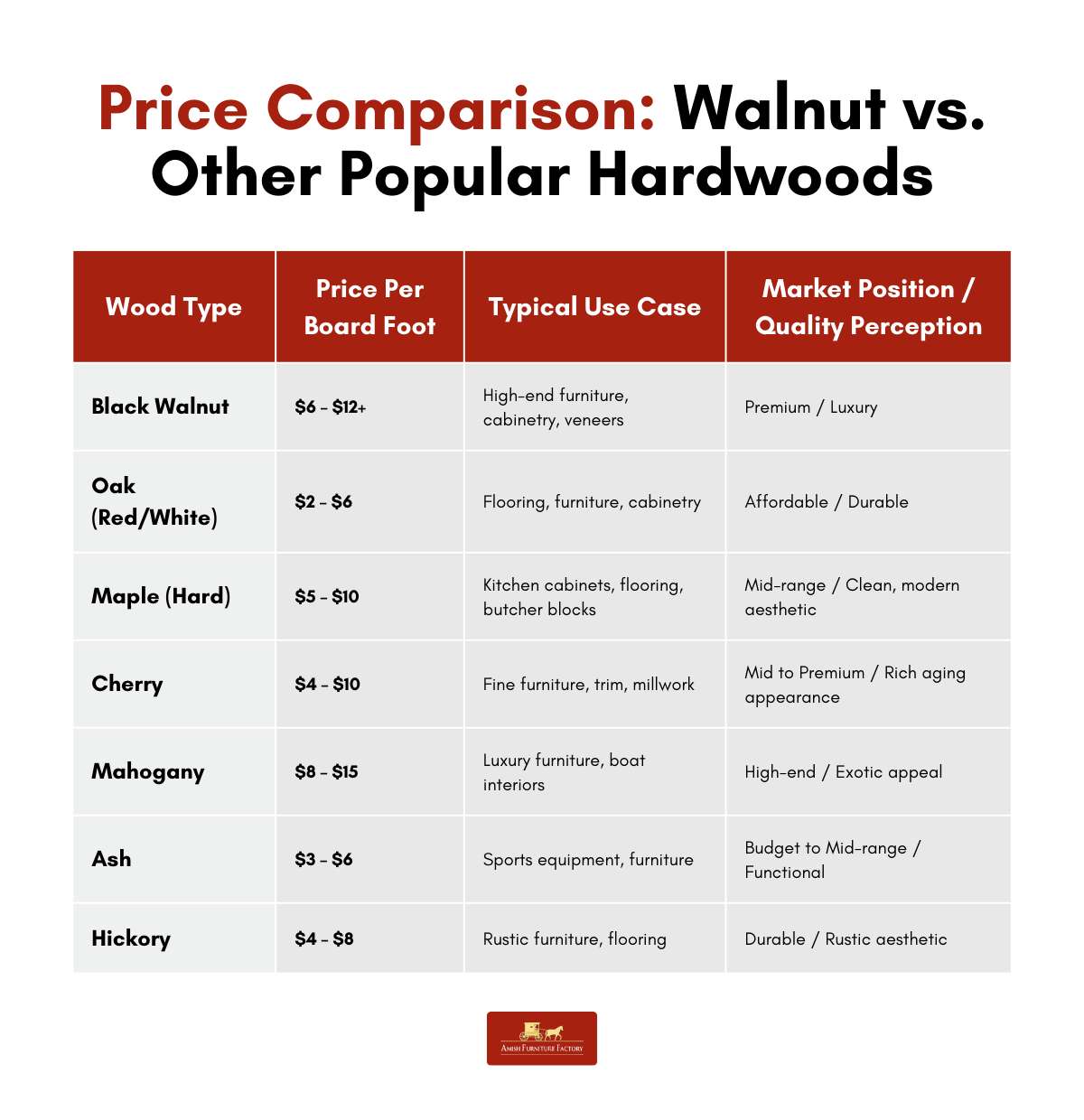
While the initial outlay for walnut wood may be higher than many other options, its unique combination of beauty, good durability, favorable workability, and potential for lasting value often justifies the premium.
💡 Pro Tip
Want the beauty of walnut without the premium price? Look for walnut veneer over a stable core like plywood or MDF—it offers the same luxurious appearance at a fraction of the cost, especially for cabinets or large paneling projects.
What Are The Disadvantages of Walnut Wood?
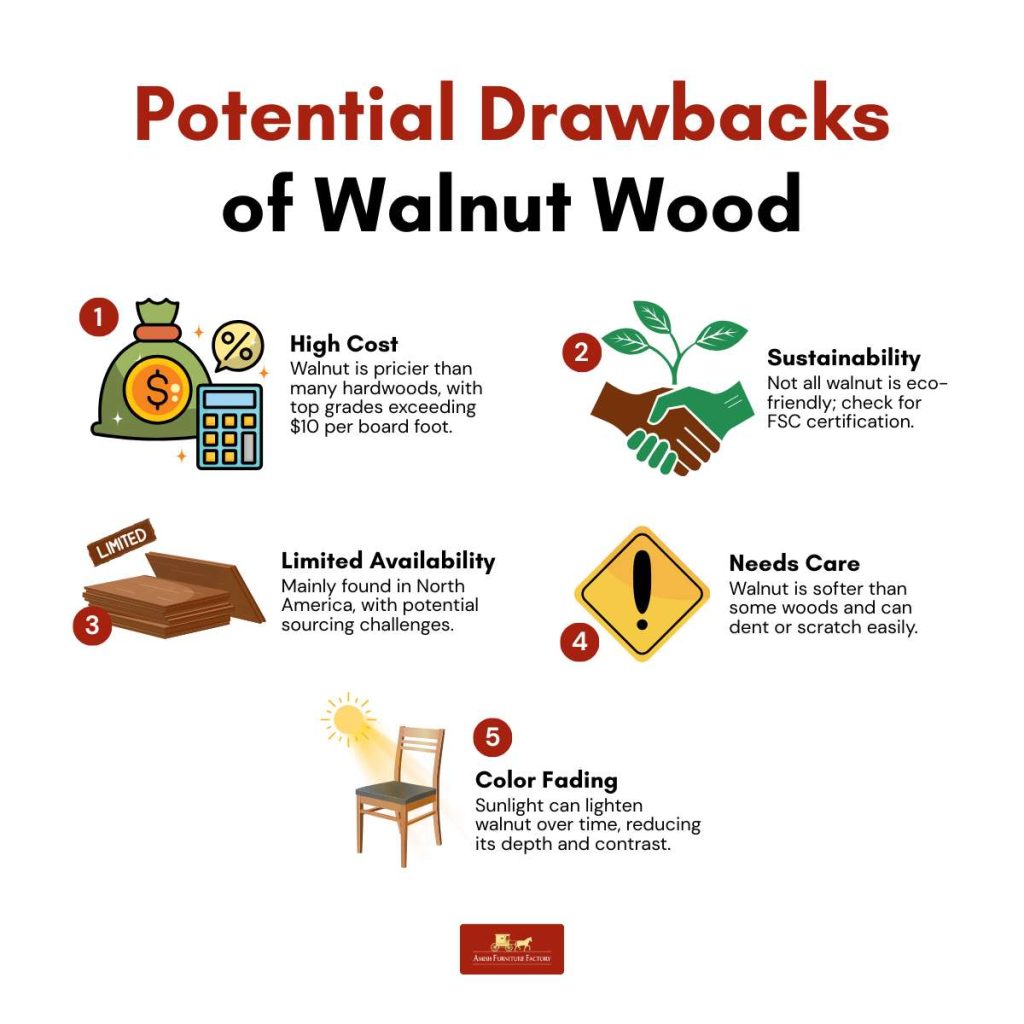
While walnut offers many benefits, it does come with a few potential drawbacks. The biggest is its cost—walnuts are typically more expensive than many other hardwoods. It can also show noticeable color variation between the prized dark heartwood and lighter sapwood, which may require careful selection and finishing for a uniform look.
Lastly, though generally stable, walnut can shift with humidity changes if not properly dried and sealed. As what the Creative Director of Neighbor Outdoor—Mike Fretto shares:
“I would recommend walnuts for indoor furniture, but not outdoor furniture. The main reason for this is that it can be prone to fading. It will usually stand up pretty well against moisture, but when exposed to the sun for too long, too often, the color can fade a lot more easily than it does for other types of wood.”
Making the Decision: Is Walnut Wood Right for You?
Deciding whether walnut wood is the right choice for your project or purchase involves carefully weighing its benefits against its potential drawbacks, particularly its cost. Consider your budget constraints and the overall scope of your endeavor. If you are undertaking a large project or have strict financial limitations, the higher price of walnut might necessitate exploring alternative wood species. However, if the aesthetic appeal, durability, and long-term value are paramount, and your budget allows, the investment in walnut can yield exceptional results that cheaper options may not achieve.
Nana Quagraine, CEO of 54kibo, a luxury decor store, shares this about walnut:
“The financial investment is worthwhile for items that you’ll use every day and keep for decades. When clients inquire about walnuts, I usually tell them: ‘Buy once, cry once.’ The upfront price might shock, but the long-term value of authentic walnut furniture makes it one of the wisest long-term investments for your residence.”
Conclusion: Is Walnut Wood Worth the Price?
In the end, while walnut wood does come with a premium price tag, its combination of striking aesthetics, long-lasting durability, and timeless appeal often makes it well worth the investment. Whether walnuts are “worth the price” depends on your specific needs and priorities. For those who value quality craftsmanship and a touch of elegance, and have the budget to match, walnut is a standout choice that will provide lasting beauty and value.
FAQs
How to tell if wood is walnut?
Genuine solid walnut furniture typically exhibits consistent color and grain patterns throughout exposed surfaces, although variations can occur naturally. Look for solid wood edges rather than thin veneers.
Is buying walnut veneer a good alternative to solid walnut if budget is a concern?
Walnut veneer can be a cost-effective way to achieve the aesthetic appeal of walnut. High-quality veneers can look very similar to solid walnut and offer good durability and stability.
Is walnut wood good for outdoor use?
Walnut wood is generally not advisable for prolonged outdoor use unless specifically treated and maintained meticulously.
What is walnut wood best used for?
Walnut wood is best for high-end furniture, cabinetry, and decorative pieces where its rich color and distinctive grain is visible. It’s especially popular for dining tables, bed frames, headboards, and custom woodwork.