
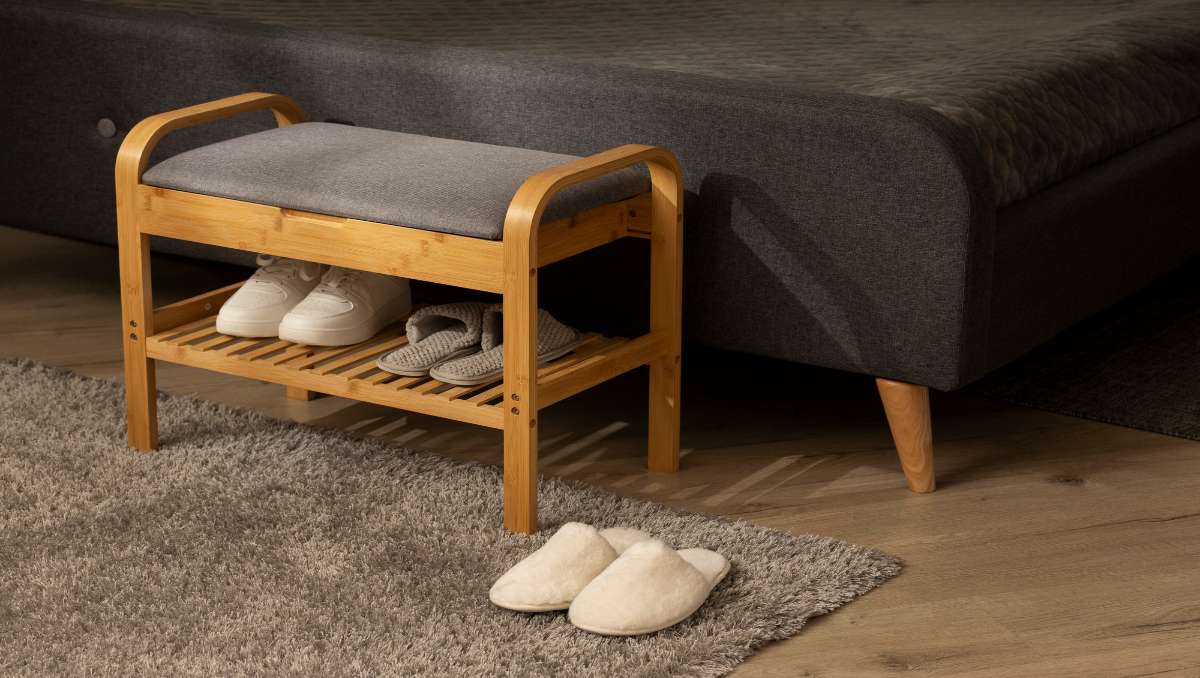
Many people associate Amish furniture with large, heavy solid wood pieces. While durability remains a hallmark of Amish craftsmanship, many artisans now build lightweight furniture that uses slimmer profiles, compact designs, and carefully selected hardwoods to reduce overall weight without sacrificing quality. The result is furniture that’s easier to move, rearrange, and fit into today’s homes while still offering the longevity and handcrafted appeal Amish furniture is known for.
Key Takeaways
- Lightweight furniture is designed for easier movement, greater flexibility, and adaptable living spaces.
- Amish craftsmen achieve lighter designs by selecting appropriate wood species and traditional craftsmanship.
- Choosing the right lightweight Amish furniture means balancing portability, room size, wood type, and practical features.
Why Lightweight Furniture Is Growing in Popularity
Lightweight furniture appeals to homeowners because it’s easier to move, rearrange, and fit into smaller living spaces. Many modern manufacturers achieve this by using engineered wood, thin panels, or lightweight metals that reduce weight and simplify assembly.
Amish furniture takes a different approach. Instead of relying on inexpensive materials, Amish craftsmen create lighter pieces through thoughtful design, slimmer profiles, and careful hardwood selection. This allows them to reduce weight while preserving the solid wood construction, durability, and handcrafted quality that Amish furniture is known for.
The Benefits of Lightweight Furniture
Choosing traditional heavy furniture and lightweight options can significantly impact your daily life when furnishing your home. Let’s explore the benefits of choosing lightweight furniture:
Ease of Mobility
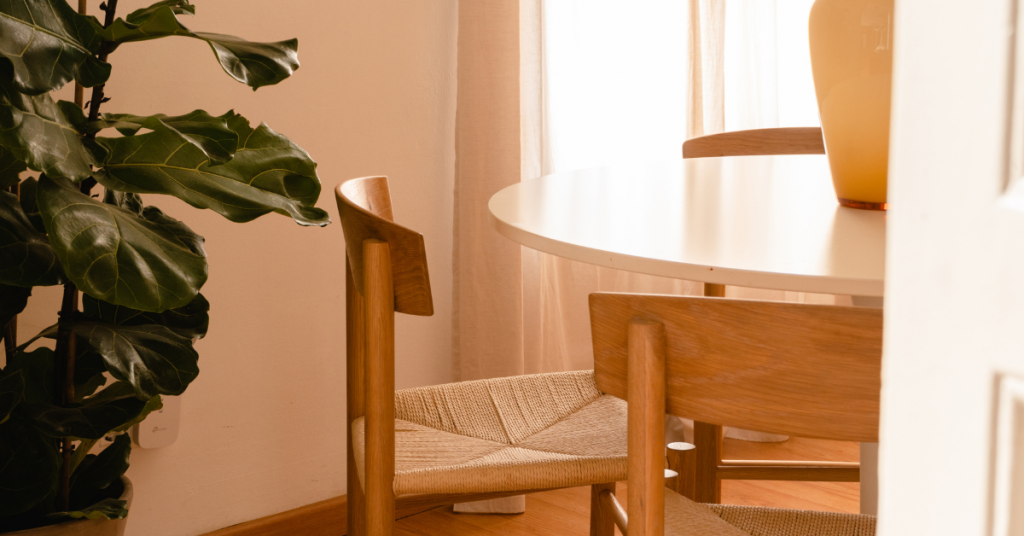
Lightweight furniture is easier to move, rearrange, and transport than traditional heavy pieces. It’s an ideal choice for homeowners who enjoy updating their spaces or renters who relocate frequently, making room changes quicker and more convenient.
Health and Safety
Heavy lifting is not only inconvenient but can also lead to back injuries and other physical strain. Lightweight furniture substantially reduces these risks. Ergonomically designed, it is easier to handle and assemble, minimizing the chances of injury during transport or setup. Moreover, childproofing a room or creating a safe environment for seniors is more convenient when the furniture can be easily moved out of the way or adjusted as needed.
Space Optimization
As urban living spaces shrink, smart space planning matters more than it used to. Lightweight furniture is a fantastic solution for smaller homes and apartments. These pieces often have a sleek, minimalist design that helps create an open, airy feel, making your space look and feel larger than it is.
Eco-Friendliness
Sustainability is a vital consideration in modern furniture design. Amish craftsmen are renowned for using sustainable materials and traditional construction methods, which result in less material waste and a lower carbon footprint. Furthermore, lightweight furniture often requires fewer resources to produce and transport, enhancing its eco-friendly credentials.
Common Materials Used in Lightweight Amish Furniture
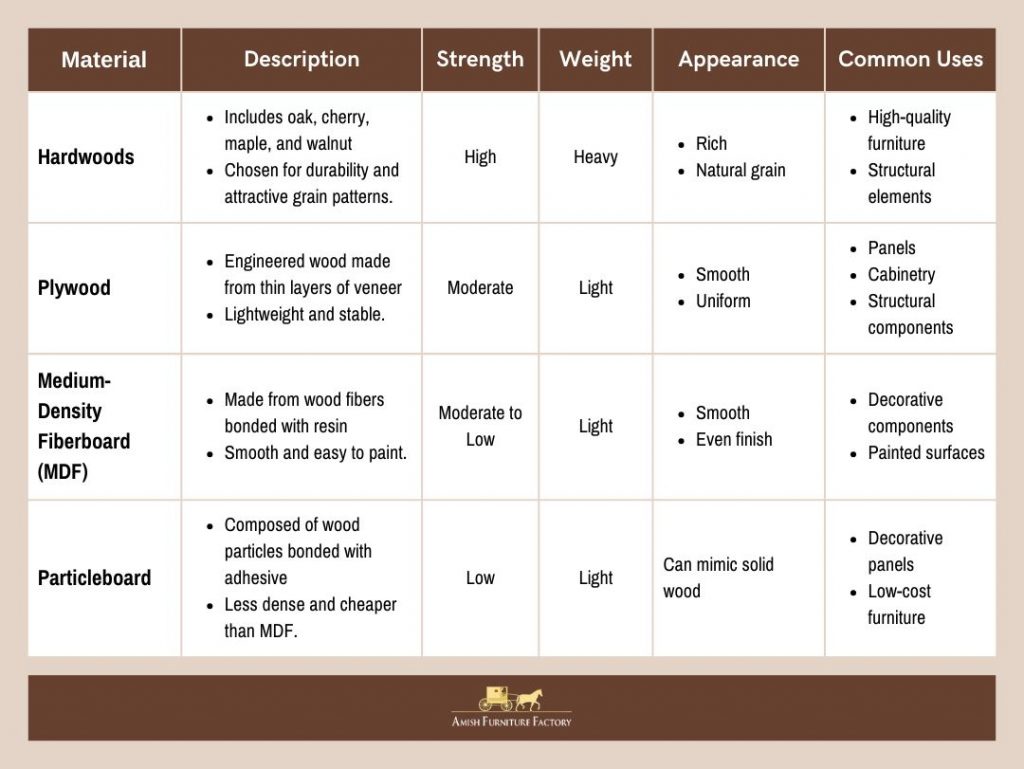
Amish craftsmen choose materials based on the purpose of each piece, balancing durability, weight, and appearance. Here’s a look at the materials:
Hardwoods and Softwoods
Hardwoods such as maple, cherry, oak, and walnut are the most common materials used in Amish furniture because they provide lasting strength. For pieces where reducing weight is a priority, craftsmen may also use lighter hardwoods or softwoods like pine, especially for casual or rustic designs.
Plywood
High-quality plywood offers excellent strength while weighing less than thick solid wood panels. It is commonly used for cabinet backs, drawer bottoms, shelving, and interior components where structural stability is needed without adding unnecessary weight.
Medium-Density Fiberboard (MDF)
MDF has a smooth, uniform surface that works well for painted furniture and decorative panels. Although it is less common in traditional Amish furniture, some builders use it selectively for non-structural parts where a flawless painted finish is desired.
Particleboard
Particleboard is an economical engineered wood product made from compressed wood particles. It is occasionally used for hidden components or furniture intended to meet specific budget requirements, though premium Amish furniture generally favors solid wood or higher-grade plywood for greater durability.
Lightweight Furniture Options from Amish Craftsmen
When selecting furniture that combines elegance with practicality, lightweight options provide an ideal solution. Here’s an overview of the various types of lightweight furniture available:
Chairs: Types and Styles
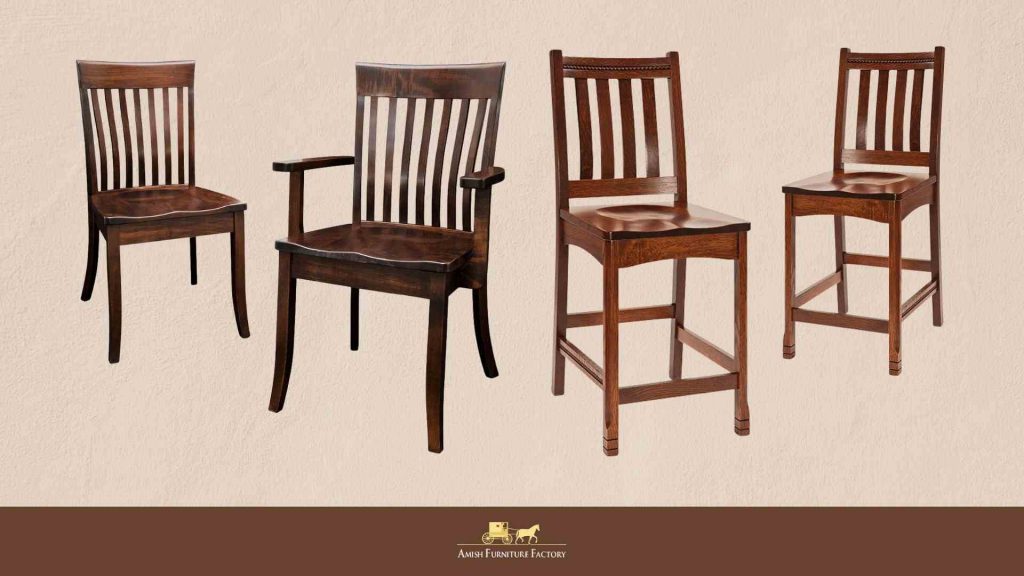
Accent Chairs for Flexible Living Spaces
Accent chairs often feature slimmer frames and lighter hardwoods like maple or cherry, making them easy to move between rooms. They work well in reading nooks, bedrooms, or living areas where seating needs change without sacrificing handcrafted style.
Dining Chairs Built for Everyday Use
Dining chairs are designed to be lifted and repositioned frequently, so many Amish craftsmen prioritize ergonomic designs and efficient use of solid wood. They’re ideal for busy families, entertaining guests, or homes where furniture is moved regularly for cleaning.
If you love the clean look of lightweight furniture but refuse to sacrifice durability, explore our collection of Amish shaker dining room furniture!
Tables: Options for Every Room
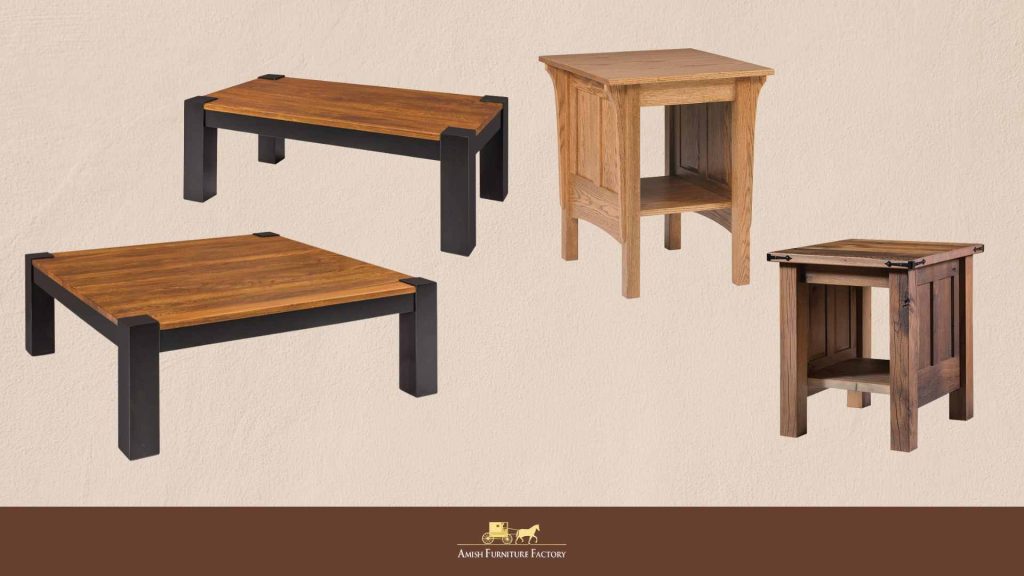
Coffee Tables for Flexible Living Rooms
Coffee tables with streamlined bases and thinner solid wood tops are easier to reposition when entertaining, cleaning, or refreshing your layout. Amish craftsmen achieve a lighter feel through thoughtful design while preserving the strength and timeless appeal of solid wood construction.
Side Tables for Multi-Purpose Spaces
Compact side tables are naturally lightweight, making them easy to move wherever you need an extra surface. Whether placed beside a sofa, reading chair, or bed, Amish-crafted side tables provide everyday functionality with the beauty of handcrafted hardwood.
Beds and Storage Solutions
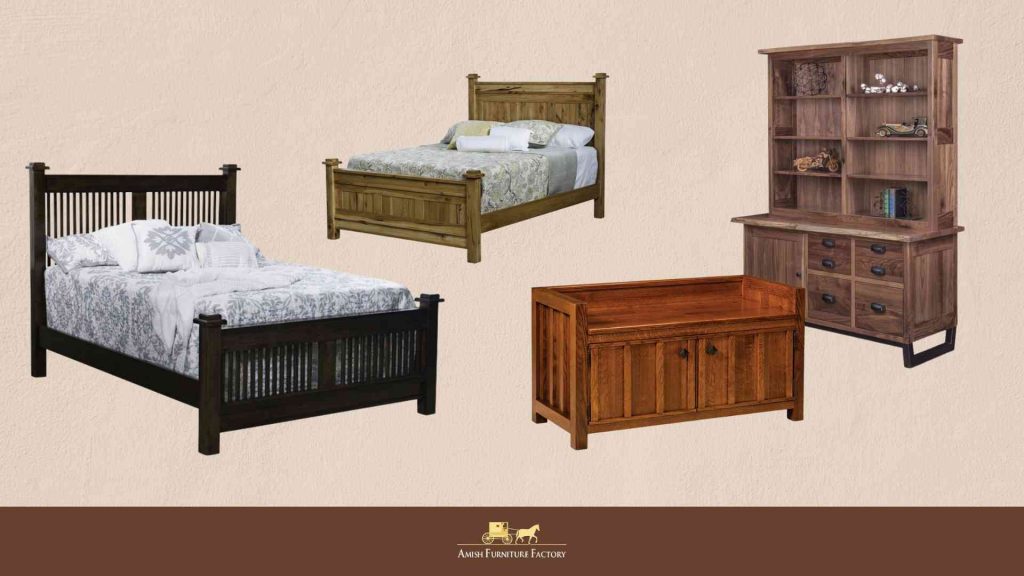
Bed Frames Designed for Easier Moving
Lightweight Amish bed frames use efficient joinery and simplified designs to reduce bulk without compromising stability. They’re an excellent choice for homeowners who move frequently or want a bed that’s easier to assemble and reposition.
Storage Solutions with Smarter Construction
Shelves, nightstands, and smaller dressers can incorporate plywood for hidden panels such as drawer bottoms and cabinet backs to reduce overall weight. This thoughtful construction makes the furniture easier to handle while maintaining the durability and craftsmanship expected from Amish-made pieces.
How to Choose the Right Lightweight Amish Furniture
Selecting the perfect lightweight Amish furniture for your home involves a thoughtful approach. Here are some key considerations to guide you in making the best choice:
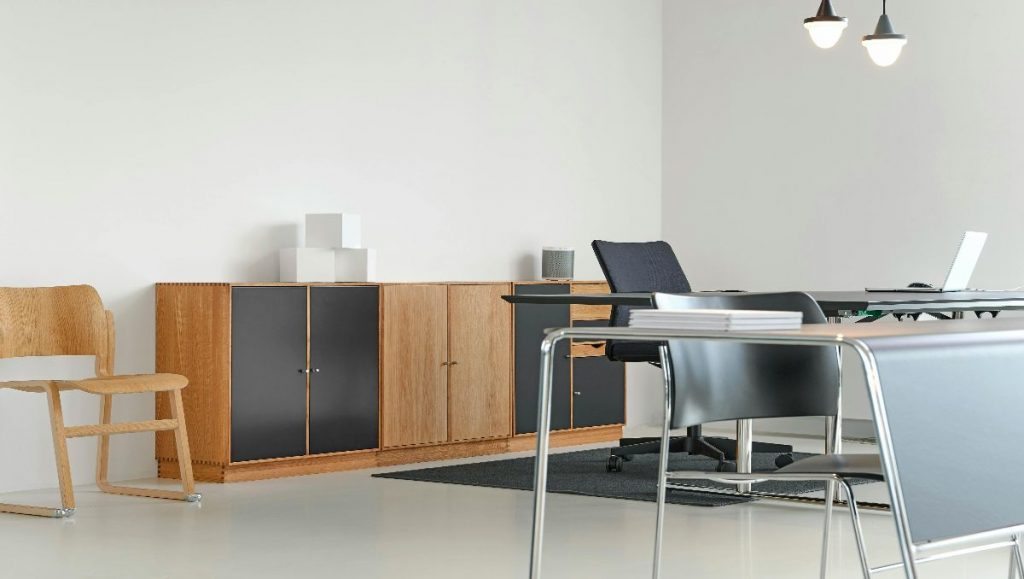
Evaluate Your Mobility Needs
Start by thinking about how often the furniture will need to be moved. If you like to rearrange your living room with the seasons or expect to relocate in the next few years, lighter pieces can make those changes much easier. It’s also worth considering who will be moving the furniture. A coffee table or desk that one person can comfortably reposition offers far more flexibility than a piece that always requires two or three people.
Consider Room Size and Layout
A lightweight design is especially useful in smaller homes where furniture may need to pass through narrow hallways. Before making a purchase, measure not only the space where the furniture will sit but also the path it will take during delivery and future moves.
Select the Right Wood Species
The type of wood plays a major role in both the weight and overall character of the furniture. Pine, poplar, and alder are naturally lighter choices that still provide excellent durability for many everyday applications. An experienced Amish craftsman can often recommend a wood species that balances appearance, durability, and manageable weight.
Balance Weight, Function, and Style
Weight is only one part of the decision. Consider how the furniture will be used each day and what features matter most to your household. A lightweight dining table may be ideal for families who regularly host guests and need to reconfigure their space, while a compact writing desk can make a home office more adaptable.
Caring for Lightweight Amish Furniture
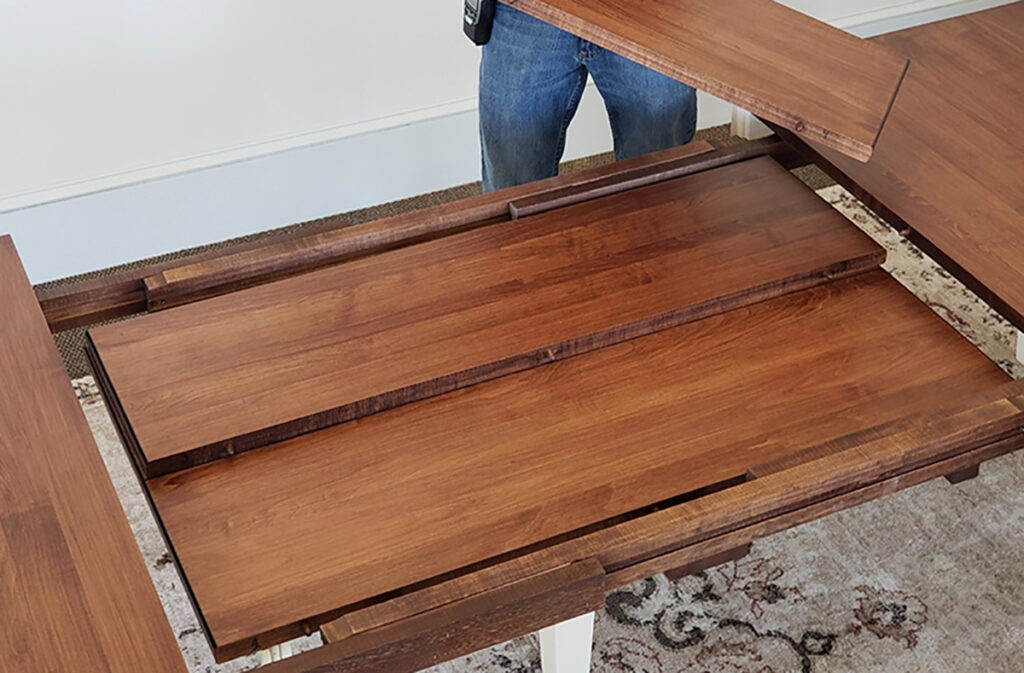
Lightweight Amish furniture is built to last. However, proper care helps preserve its solid wood construction and handcrafted finish for generations.
- Dust with a soft cloth: Wipe surfaces regularly using a dry microfiber or lint-free cloth to prevent dust from dulling the finish.
- Clean with wood-safe products: Use a slightly damp cloth for routine cleaning and avoid harsh chemicals, abrasive cleaners, or excessive moisture that can damage the wood or finish.
- Maintain the finish: Apply a wood conditioner or polish recommended for solid wood furniture only when needed. Avoid silicone-based products that can leave buildup over time.
- Protect the wood: Keep furniture away from direct sunlight, heating vents, and areas with large humidity swings, which can cause solid wood to expand or contract. Use coasters, placemats, and felt pads to guard against heat, moisture, and scratches.
- Move pieces carefully: Although lighter than traditional solid wood furniture, Amish pieces should still be lifted rather than dragged to protect the joinery and prevent stress on the legs and frame.
Conclusion: Embrace the Timeless Quality of Amish Craftsmanship
Lightweight Amish furniture combines the best of traditional craftsmanship and modern innovation. Each piece offers exceptional quality, durability, and elegance, making it a valuable addition to any home.
Amish-crafted furniture provides functionality and style, whether you want to enhance your living room, dining area, bedroom, outdoor space, or home office. By choosing Amish-made, you invest in items that will stand the test of time and bring lasting beauty and functionality to your living spaces.
Frequently Asked Questions
What is the lightweight material for a table?
The lightest materials commonly used for tables include plywood, pine, and other lightweight hardwoods or softwoods. In Amish furniture, solid wood remains the preferred choice, but craftsmen may use lighter species like pine or incorporate high-quality plywood for hidden components.
What is the lightest wood commonly used in Amish furniture?
Pine is generally the lightest wood used in Amish furniture because it is easier to move and more affordable.
Does lightweight Amish furniture last as long as traditional Amish furniture?
Yes, lightweight Amish furniture can last just as long when it is built with quality materials and expert craftsmanship. Amish craftsmen reduce weight through thoughtful design, efficient joinery, and careful material selection while preserving the furniture’s structural integrity.
How do Amish craftsmen make solid wood furniture lighter without sacrificing durability?
Amish craftsmen make solid wood furniture lighter by using slimmer profiles. They select lighter wood species where appropriate and incorporate engineered wood for non-visible components such as drawer bottoms or cabinet backs.