
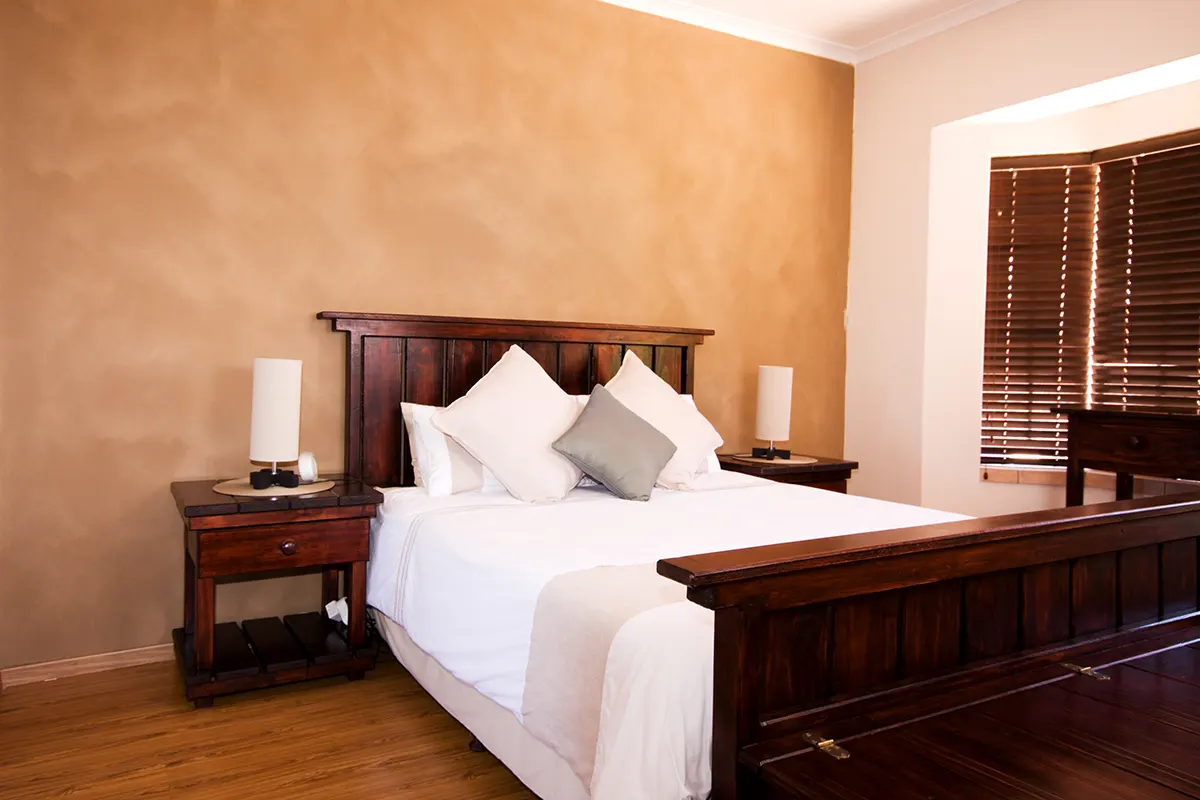
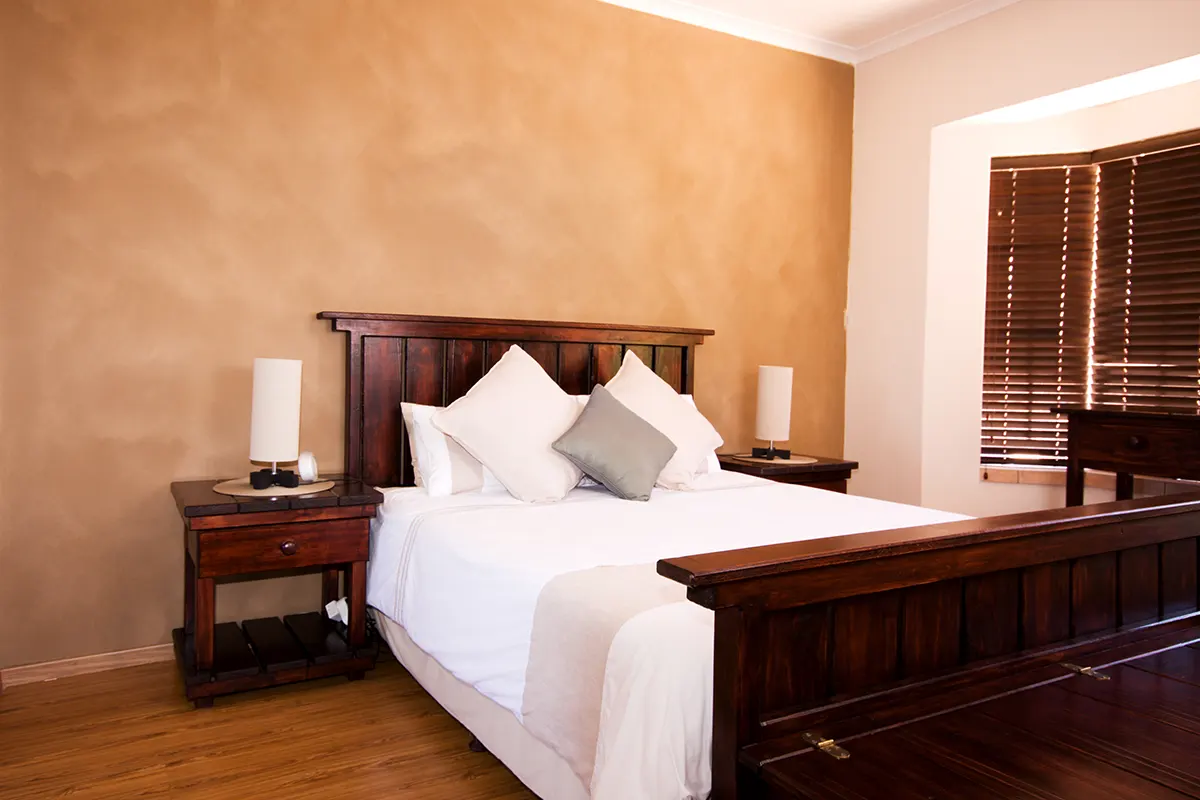
Footboards are less common than headboards. However, you will likely see a bed with a footboard and no headboard. While both offer many of the same benefits, people tend to have difficulty choosing between a high and low footboard when buying a bed frame. What are the differences between the two, anyway?
Key Takeaways:
- The difference between a high and low footboard is that a high footboard adds height and enclosure, while a low footboard offers a more open look and easier access.
- Footboards come in many styles, including traditional, modern, and custom designs.
- Amish footboards are renowned for their meticulous craftsmanship and enduring quality.
This article highlights the various styles of footboards as well as their practical benefits, and the unparalleled craftsmanship of Amish-made footboards.
What Is A Footboard?
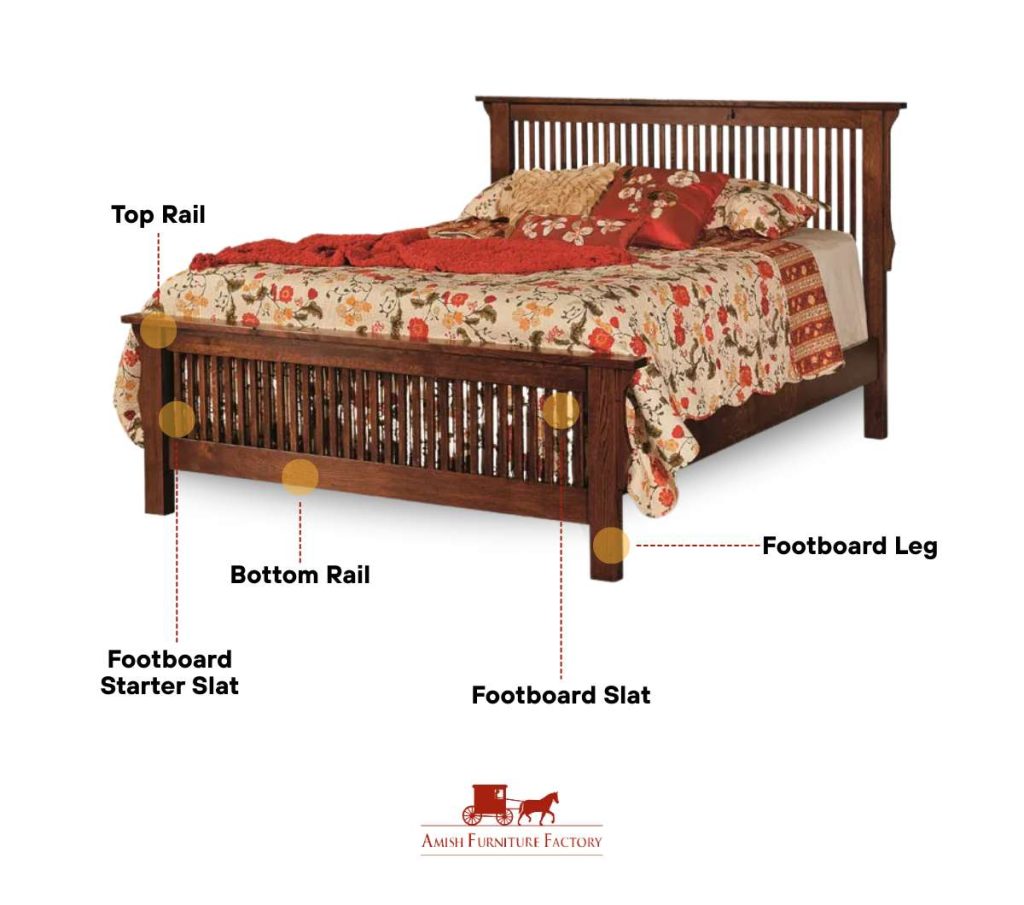
A footboard is a panel at the foot of a bed, extending across and standing vertically to meet or slightly exceed the mattress height. While often seen as decorative, it also holds the mattress in place, prevents bedding from slipping off, and creates a cozy, enclosed feel.
Apart from its functional aspects, footboards can be a central piece of a bedroom’s decor, setting a tone or complementing other furniture. They come in various styles, materials, and finishes, allowing them to either stand out as a statement piece or blend seamlessly with the overall design theme of the room.
Types of Footboards
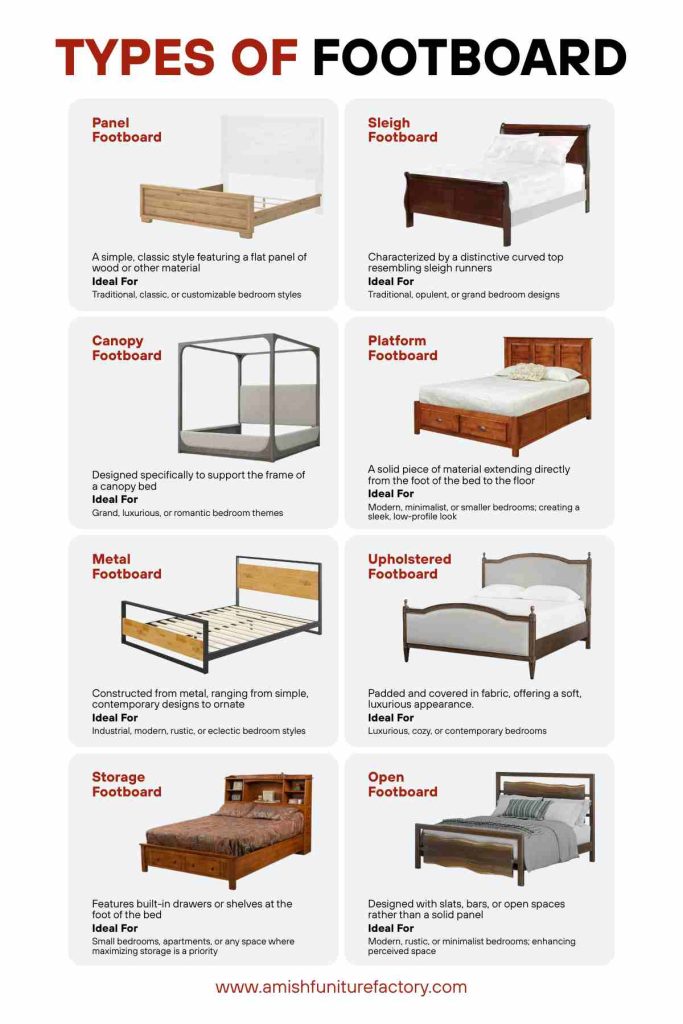
Footboards come in a diverse array of styles, each offering unique aesthetic and functional qualities to complement different bedroom designs and personal preferences. From classic and elegant to modern and practical, the choice of footboard significantly influences a bed’s overall character and how it integrates into the room. Understanding the various types can help you select the perfect footboard to enhance your bedroom’s comfort and visual appeal.
Here’s a breakdown of common footboard types:
A High Footboard and Its Advantages
If a bed has a board installed on the end of it, no matter the size, even if it is just half an inch, it is automatically called a “high footboard”.
Although there were no verified documents of when footboards were invented, many believe that this specific bed accessory was first seen at the same time headboards were in ancient Egypt and Greece. This was also when everyone would judge other people’s social status just by looking at the bed frame and headboard in a family’s master bedroom. A bed was considered a prized status symbol back then. Many people may not realize it, but there are many advantages to having a bed frame with a high footboard.
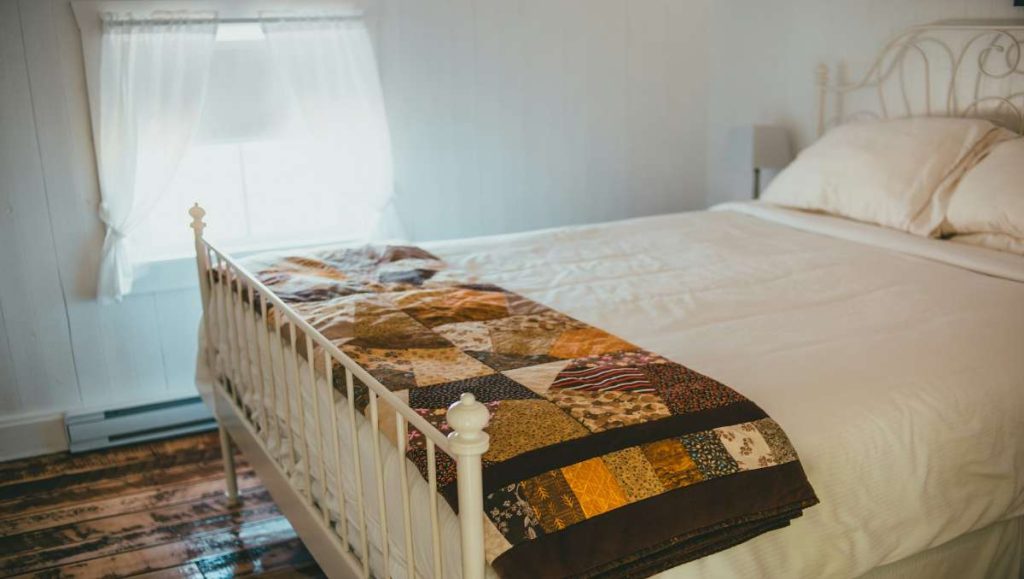
Traditional Style
A bed with a headboard and a footboard is something that people would match with a mission, rustic, shaker, and traditional home interior designs. If you’re into any of these styles and are planning to get one, an authentic Amish furniture shop is the first and best place to start looking. Most Amish-made beds have a footboard installed to complete the overall look.
Clean Look
A high footboard conceals worn-out and unkempt bedding. You don’t have to change and purchase a new bedding set every time the fabric’s color starts to fade. When you’re the type of person who’s always in a rush and places everything on top of the bed and go, this can be a great help to hide the mess until you get back and find the time to clean up.
Opportunity to Get Creative
Since Pinterest was born, people have been getting more and more creative. Every blank space in all corners of the house would turn into a masterpiece in a snap. Board rails are often used to hang hats, necklaces, and other accessories. Some even install sets of fairy lights because – why not?
Support to Mattresses
The footboard stops the mattress from falling from its box spring. In addition, it secures the covers, sheets, and blankets – preventing them from going all over the place. Since this device keeps everything in one place, it adds to the overall clean look of the room where it’s in.
Foot Rest for Those Who Need It
A footboard is an essential part of a hospital bed. It’s more than just a design since it helps a patient maintain proper foot alignment and posture. In some cases where patients and the elderly have to sleep in a slightly upright position, it acts as a stopper, preventing anyone from slipping down.
A Low Footboard and Its Advantages
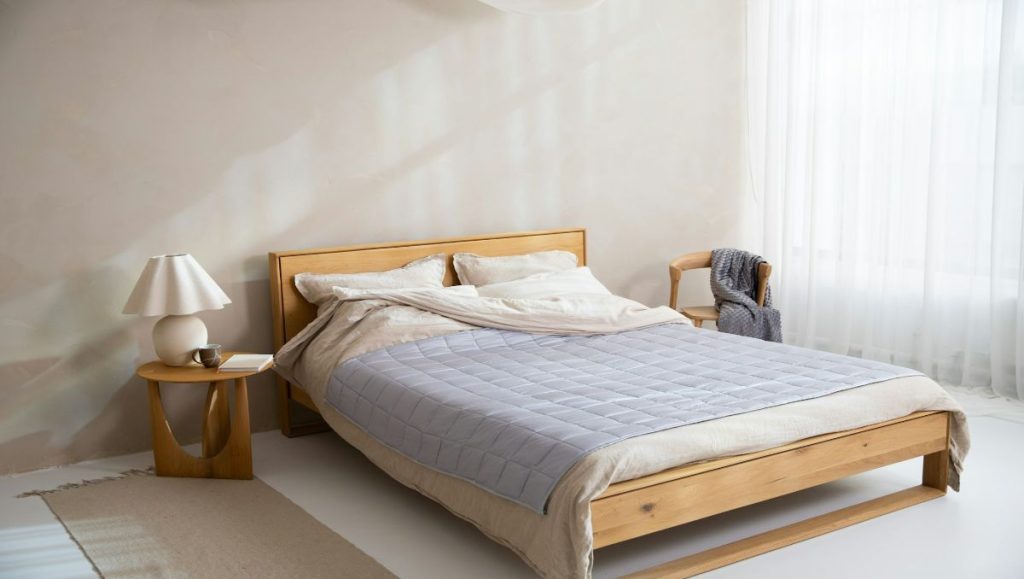
Simply put, a “low footboard” means “no footboard”. There’s nothing installed across the end of the bed. Instead, the side rails are often used as the “stopper”. In these times where “less is better” when it comes to home decorating, more and more people are switching from big traditional beds to smaller and simpler ones. A bed that has no footboard is the number one choice for people going for contemporary and minimalistic home interior designs.
Dimension-Friendly
The low footboard is suitable for any bedroom size. The absence of a raised platform at the end of the bed creates openness in the entire room. It doesn’t generate any border that would make a small room smaller.
Matches Other Bedroom Furniture
A board-free bed saves you thousands of bucks from buying a whole bedroom furniture package to ensure everything matches. Aside from that, having a footboard would require you to consider the height and size of the other pieces you’re about to get for your bedroom. You wouldn’t want your items or bed to look too big and chunky.
More Affordable Redecorating Costs
If you love redecorating from time to time, having an open bed allows you to spend more on other things in your room you want to replace and add. Since the mattress is the only thing visible, you only have to play with the bedding sets’ colors and designs to match the new theme properly.
Makes Adding a Bedroom Bench Easy
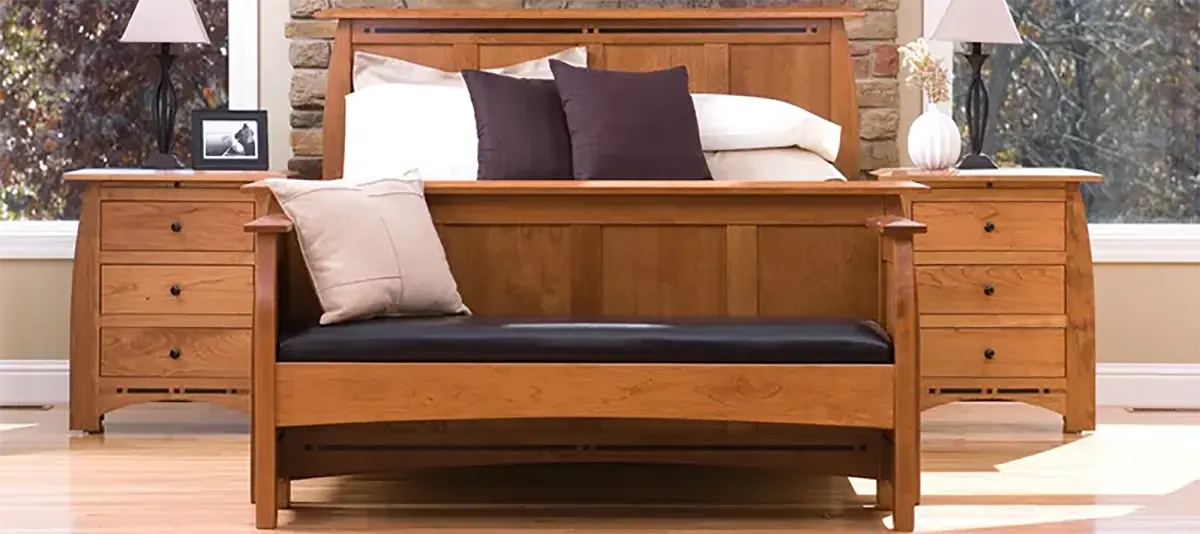
Sometimes, a bedroom bench is a functional accent to any bedroom. Without anything installed at the foot of the bedframe, you can easily add a bedroom bench of any design of your choice at the end of it.
Provides Safer and More Space for Taller People
Taller people hate boards at the end of the bed. They accidentally stub their toes, especially when they’re active sleepers. They also tend to bump into them when returning to bed after a midnight bathroom break.
Leaves Making Beds Quicker
Without any board in the way, you can easily make the bed without bangs, bumps, or any possible injuries caused by hidden sharp objects under the mattress.
Choosing the Right Footboard Height
Choosing the right footboard height for your bed significantly impacts the comfort, functionality, and overall feel of your bedroom. A high footboard, typically extending above the mattress, often evokes a sense of grandeur and traditional elegance, acting as a strong visual anchor in larger rooms. Conversely, a low footboard, which usually sits at or below mattress level, creates a more open and contemporary look, enhancing the perceived spaciousness of a room.
Beyond style, personal comfort and practicality play a vital role. Taller individuals, for instance, might find high footboards restrictive, potentially bumping their feet or feeling cramped at the end of the bed, making a low or even no footboard a more comfortable option. In contrast, those who prefer a more enclosed and cozy sleeping environment might gravitate towards a higher footboard.
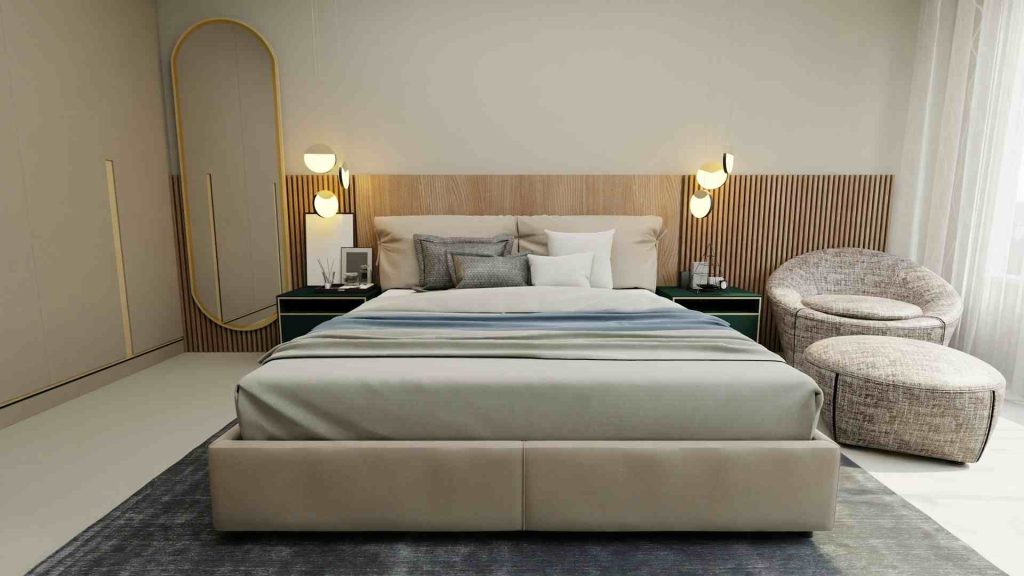
Footboards in Amish Furniture
Amish footboards are a testament to quality craftsmanship, showcasing exceptional attention to detail in every joint and finish. Made from durable, solid hardwoods like oak, cherry, and maple, these footboards are built to last a lifetime. The choice of material often defines the style, ranging from the simple lines of Shaker designs to the intricate carvings of Queen Anne pieces.
Known for their unmatched quality and durability, Amish footboards withstand daily use far better than mass-produced furniture. A unique benefit of this furniture is the option for customization, allowing you to adjust the size, finish, and other details to perfectly match your personal style and bedroom decor. This combination of robust construction, timeless design, and personalization makes Amish footboards a durable and beautiful addition to any home.
Whether you prefer the grand statement of a high footboard or the open feel of a low one, our handcrafted Amish beds offer timeless beauty and superior durability. Explore our collection today!
In Summary
There are tons of differences between a high and a low footboard. Aesthetically speaking, if you’re planning to buy a new bedframe for your room, you may want to consider your overall house theme and the other existing furniture around it first.
Many today choose low footboard beds due to their simplicity and minimalist feel. However, the other has some advantages that a low one couldn’t provide. It may be a bit old-fashioned and too traditional, but isn’t that why you’re shopping for some timeless solid wood furniture that could turn into a good investment someday.
Frequently Asked Questions
What are the main differences between a footboard and a headboard?
While both footboards and headboards are integral parts of a bed frame, their functions differ. The headboard is typically larger and designed to be a focal point, as well as providing support for sitting up in bed. In contrast, the footboard is usually shorter, meant to anchor the bedding and complement the overall aesthetic of the bed.
Can a footboard be added to an existing bed frame?
Yes, a footboard can often be added to an existing bed frame, provided the frame includes the necessary brackets or extensions for installation. It’s important to ensure that the footboard is compatible with the bed frame in terms of size and attachment method to guarantee a secure and aesthetic fit.
How do I maintain and care for a wooden footboard?
Maintaining a wooden footboard involves regular dusting and occasionally cleaning with a mild soap and water solution. Avoid harsh chemicals and excessive moisture to prevent damage. Periodically, applying a suitable wood polish can help preserve the color and protect the wood from drying out. It’s also wise to keep the footboard out of direct sunlight to protect from sun damage and prevent fading.
Could you make us (2) twin cabinet murphy beds in a white finish?
site i find it hard to uncover beneficial tips out there when it comes to this topic thank for the post
You actually make it seem so easy with your presentation however I find this matter to be actually something which I believe I would by no means understand. It seems too complicated and extremely extensive for me. I’m having a look ahead to your next post, I will attempt to get the dangle of it!
It’s really a nice and helpful piece of information. I am glad that you shared
this useful info with us. Please keep us informed like this.
Thanks for sharing.
We are a group of volunteers and starting a new scheme in our community. Your web site provided us with valuable info to work on. You’ve done a formidable job and our whole community will be grateful to you.
I like the helpful info you provide in your articles. I will bookmark your blog and check again here regularly. I am quite sure I will learn a lot of new stuff right here! Good luck for the next!
|
The best online gaming site with millions of members worldwide
The best online gaming site with millions of members worldwide
Touche. Sound arguments. Keep up the great spirit.
Hi there this is kinda of off topic but I was wanting to know
if blogs use WYSIWYG editors or if you have to manually code with HTML.
I’m starting a blog soon but have no coding expertise so I wanted
to get guidance from someone with experience.
Any help would be greatly appreciated!
This was an incredibly insightful and well-written post! I truly appreciate the clarity with which you explained the topic, breaking down complex ideas into digestible points that are easy to understand and relate to. Your writing style is engaging and thoughtful, striking the perfect balance between informative and approachable. I particularly enjoyed how you included practical examples and real-life applications, which helped me see how the concepts can be applied beyond theory.