
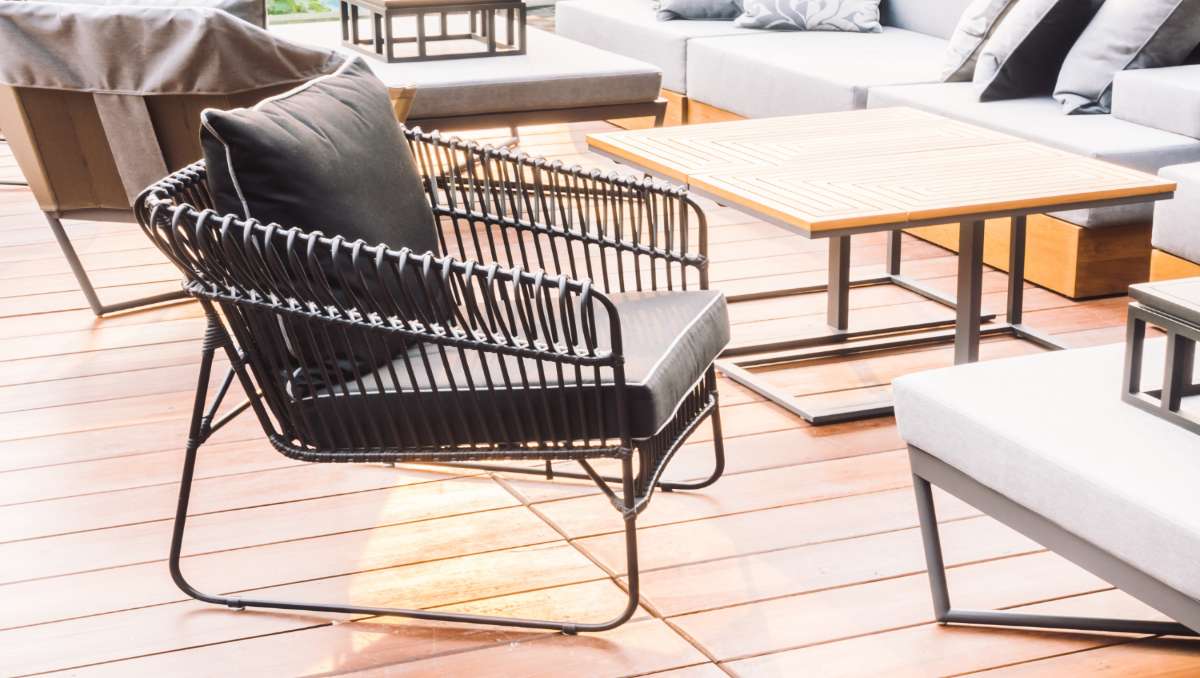
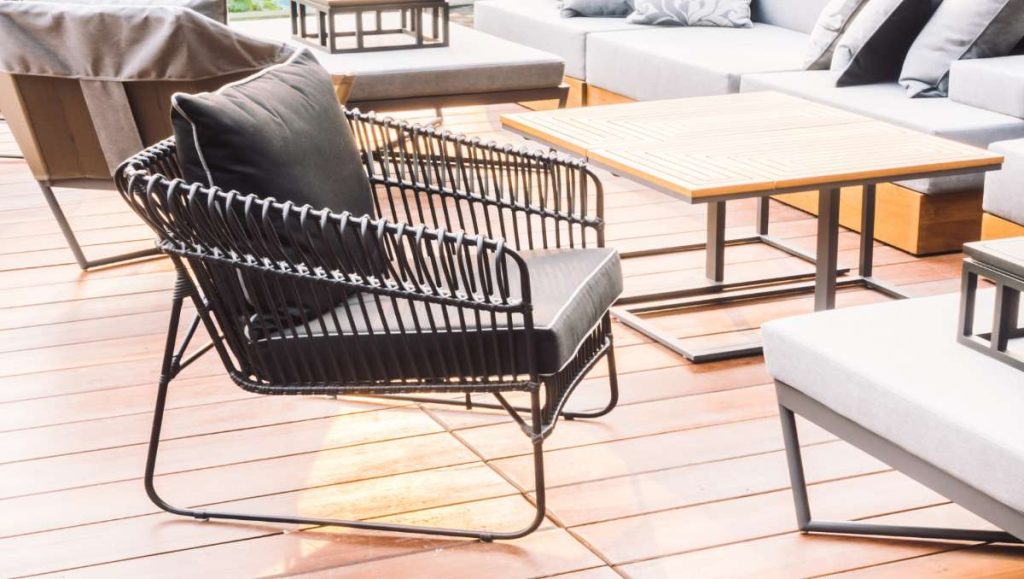
When it comes to outdoor furniture, choosing the right colors is about more than just aesthetics. It is about selecting hues that can stand up to harsh sun, rain, and changing weather conditions. Your patio or backyard is more than a place to sit and relax. It is an extension of your home where you gather with family, entertain guests, and enjoy time outside. With so many appealing color options available, it can be hard to know which ones will continue to look great year after year.
Key Takeaways:
- The best outdoor furniture colors for sun and weather resistance are neutral tones, grays, earthy shades, and muted blues or greens.
- Durable materials and UV-resistant finishes help outdoor furniture colors stay vibrant longer.
- Using covers, shade, and regular cleaning prevents outdoor furniture from fading.
In this guide, we will explore the top outdoor furniture colors that are known for their durability and lasting appeal.
How Color Affects the Lifespan of Outdoor Furniture
Color matters for outdoor furniture partly because of how sunlight, especially ultraviolet (UV) radiation, interacts with the pigments or coatings used on materials. UV light gradually breaks down those chemical bonds, causing colors to fade or even chalk and crack. Over time, this fading not only dulls the look of chairs, tables, or cushions; it also signals weakening of the material itself.
Another key point is that some colors naturally hold up better under these conditions than others. Lighter, more muted shades tend to reflect more sunlight and absorb less UV energy, slowing down pigment breakdown. That’s why, when selecting comfortable outdoor furniture, color isn’t just about style: it’s a practical factor that influences how long your pieces will look and perform well under the elements.
The Best Colors for Outdoor Furniture
Below are the most reliable color groups to help you pick a palette that’s both beautiful and built for longevity.
For a Calming or Neutral Outdoor Look
1. Light Tones
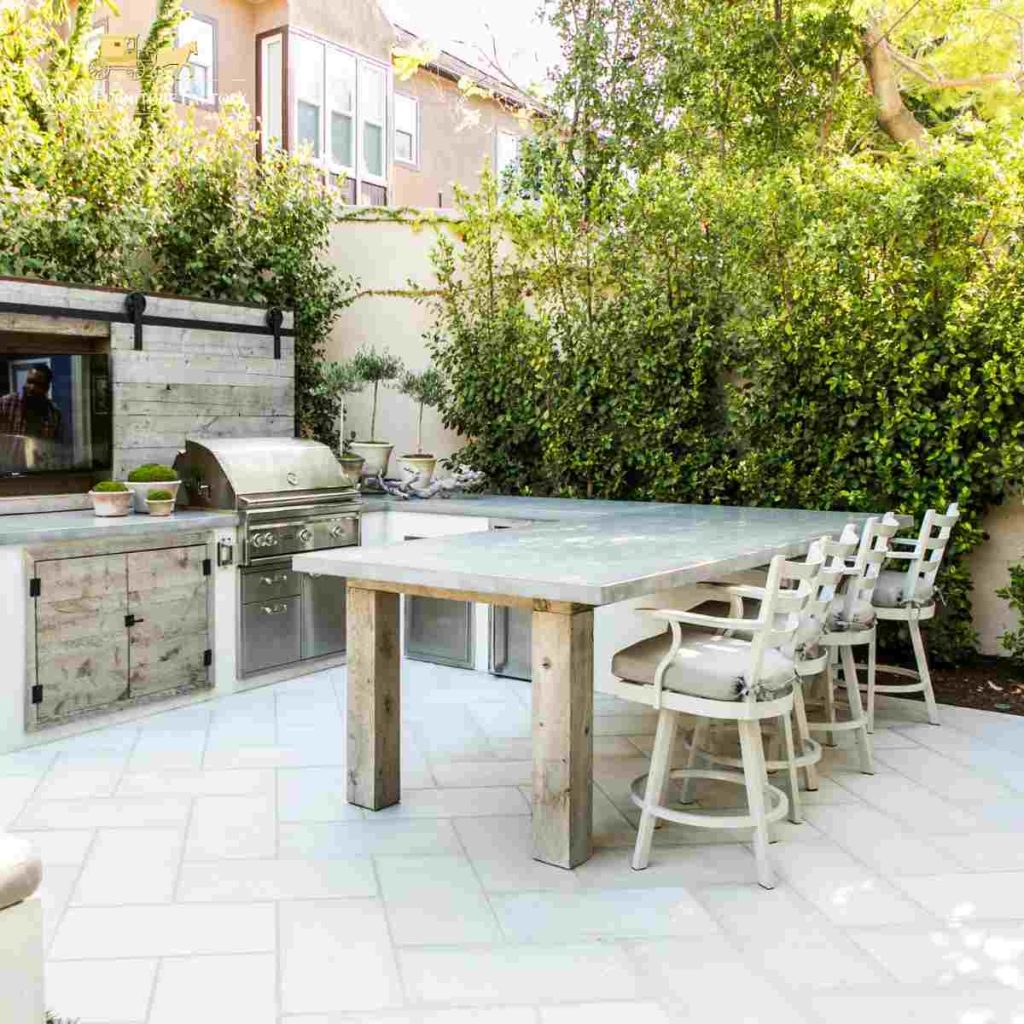
Light tones like white, beige, and light gray reflect sunlight well, which helps reduce heat absorption and slows down fading. They create a breezy, open feel ideal for patios near water or gardens. Though lighter shades may show dirt more easily, they maintain color exceptionally well over time.
2. Cool Blues
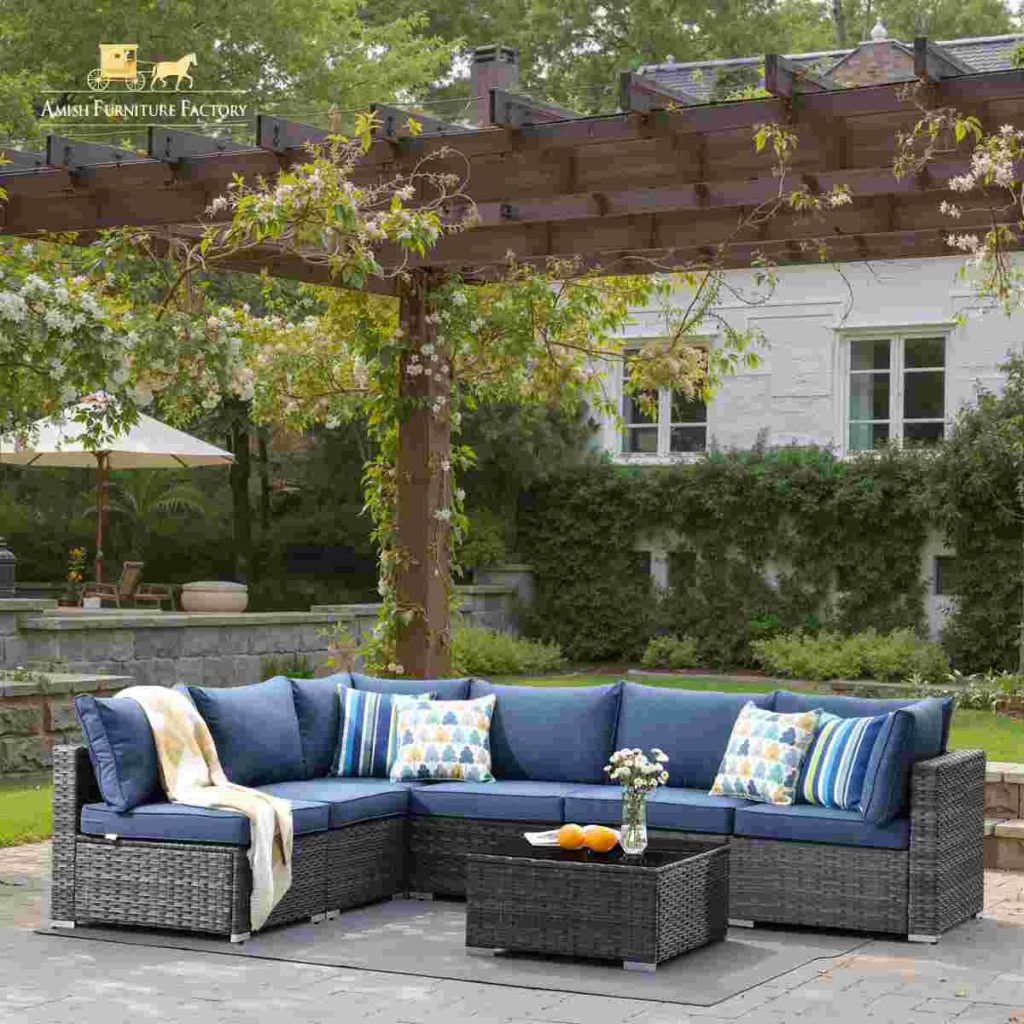
Blue-based tones offer a peaceful, coastal vibe while holding up surprisingly well under sun exposure. Mid-tone blues and gray-blues fade more gradually compared to bold, saturated pigments.
3. Earth Tones
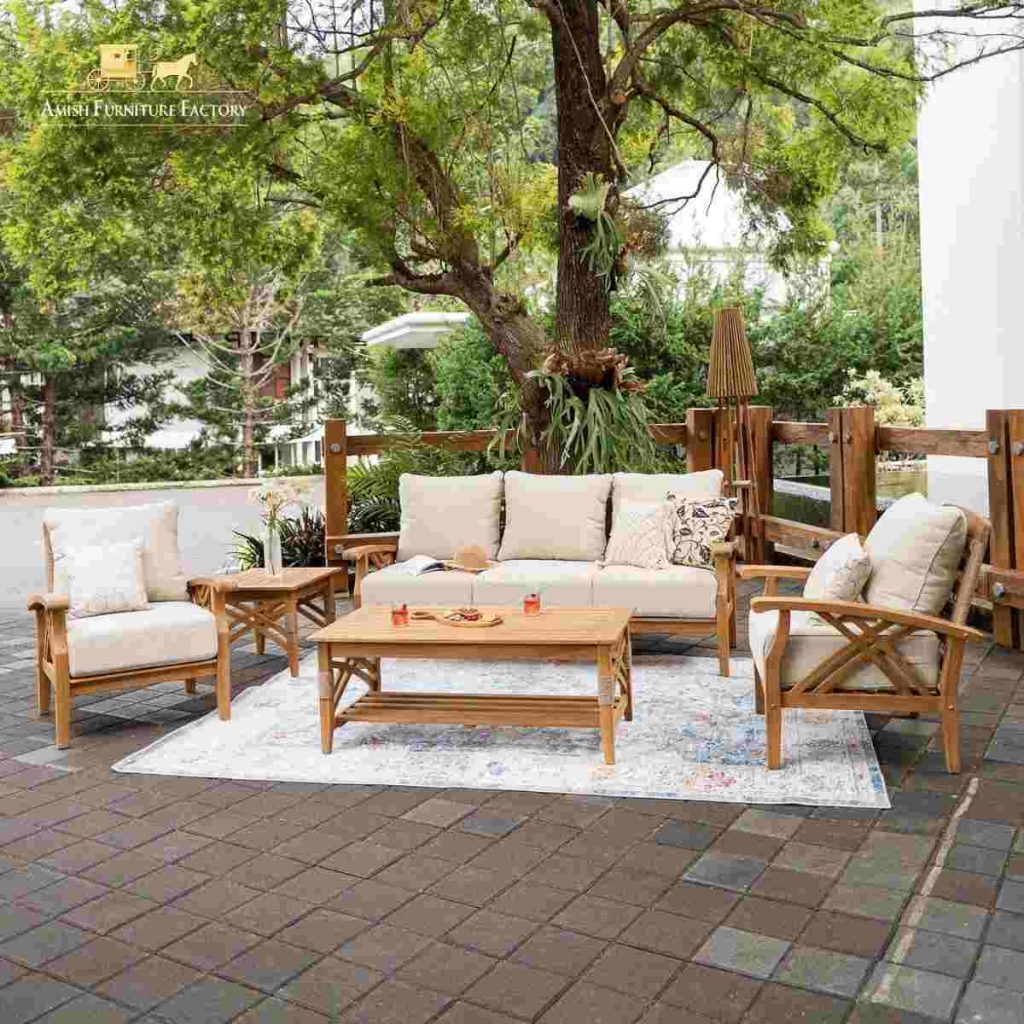
Nature-inspired colors like tan, clay brown, and sage green blend seamlessly with most landscapes and age gracefully as they lighten. Because they echo natural surroundings, small wear marks or fading often appear intentional rather than problematic.
According to Tommy Randall of Randall Landscaping:
“I always recommend lighter neutrals—tans, grays, and whites—because they reflect UV rather than absorbing it. We’ve installed dozens of patios where clients used teak or high-density polyethylene (HDPE) in light gray, and those pieces still look fresh after 5+ years while their neighbors’ dark furniture looks beaten.”
For a Vibrant and Energetic Look
1. Bold Hues
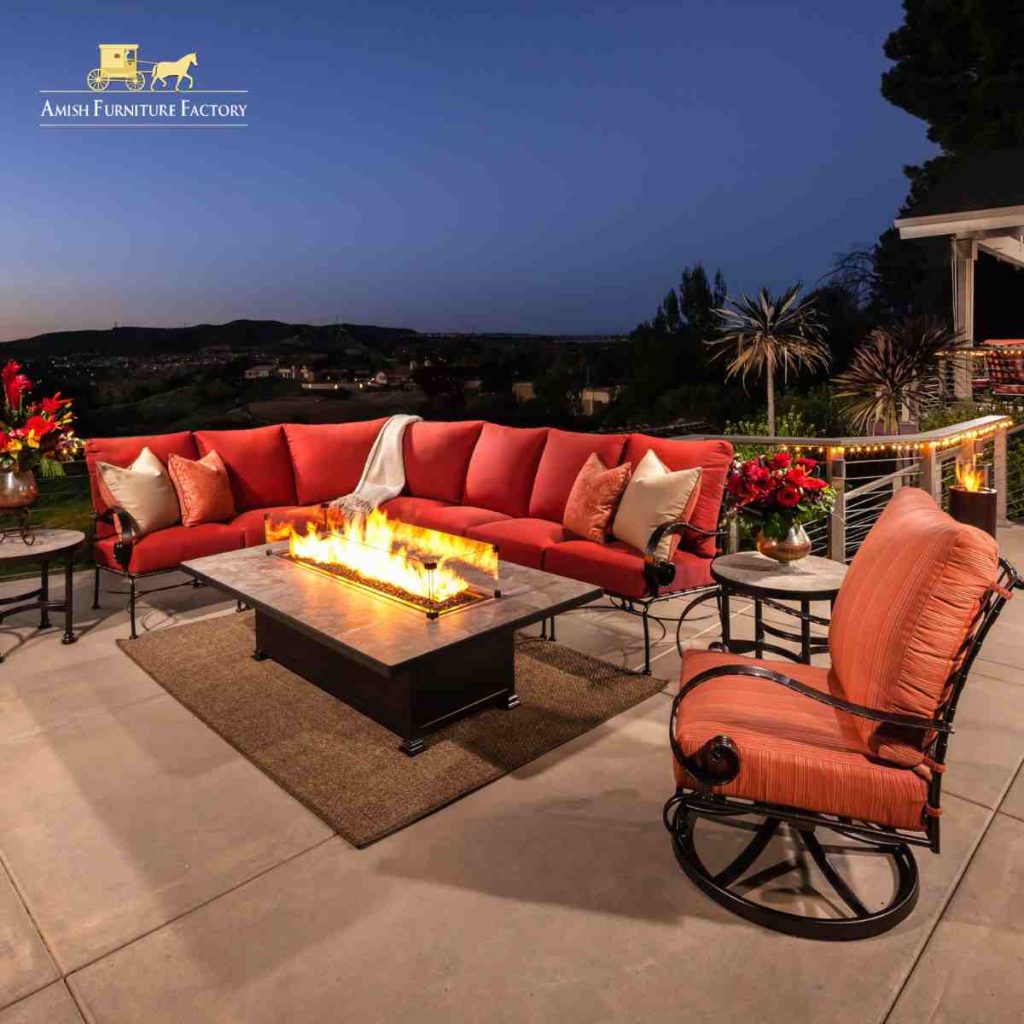
Rich hues such as bold reds, terracotta, and warm sunset bring personality to any outdoor setup, making them great accent colors. While reds can fade faster, terracotta and earthy sunset tones hold their saturation longer and wear more evenly.
2. Tropical Colors
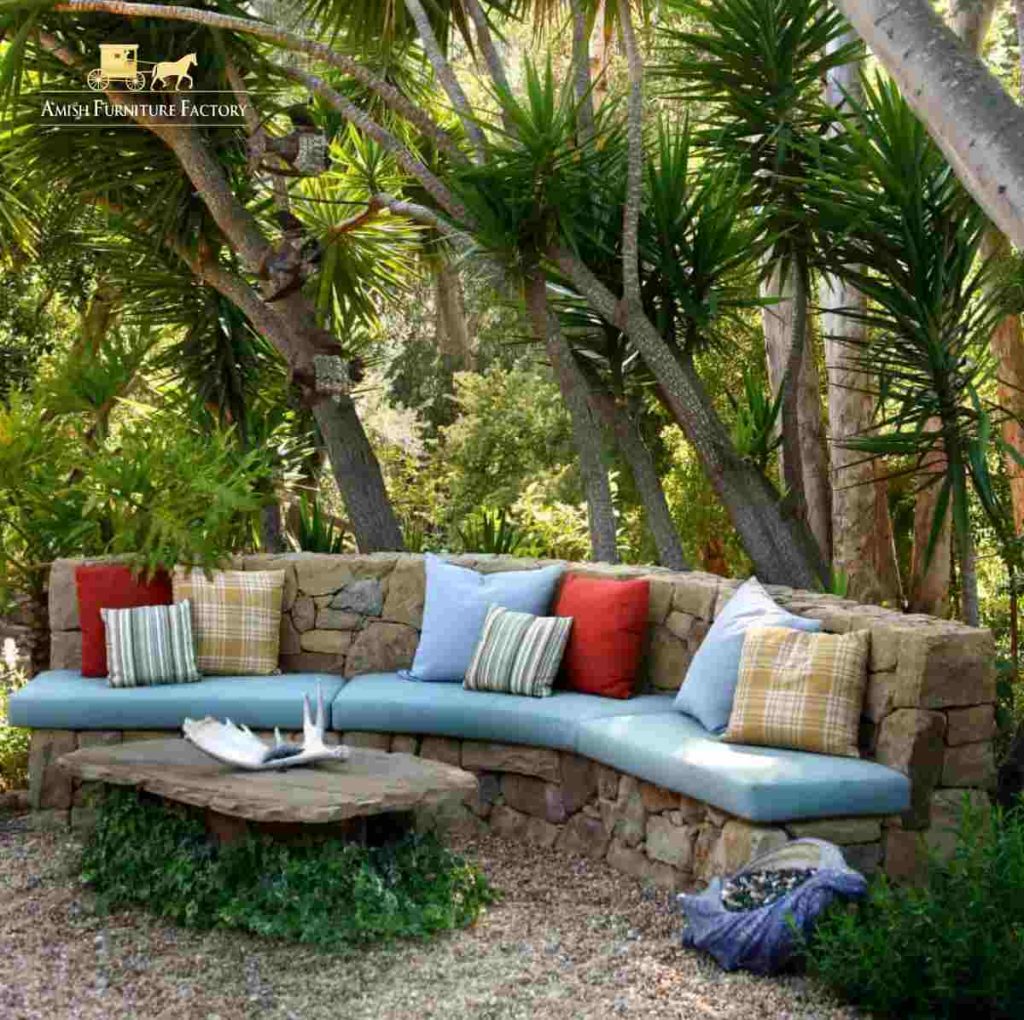
Vibrant tropical tones like teal, turquoise, and coral create a lively setting and pair beautifully with greenery and water. Teal and turquoise tend to be more fade-resistant than pure blues, thanks to their green undertones. Coral adds a fun pop of color without overwhelming the space.
3. Sunshine Tones
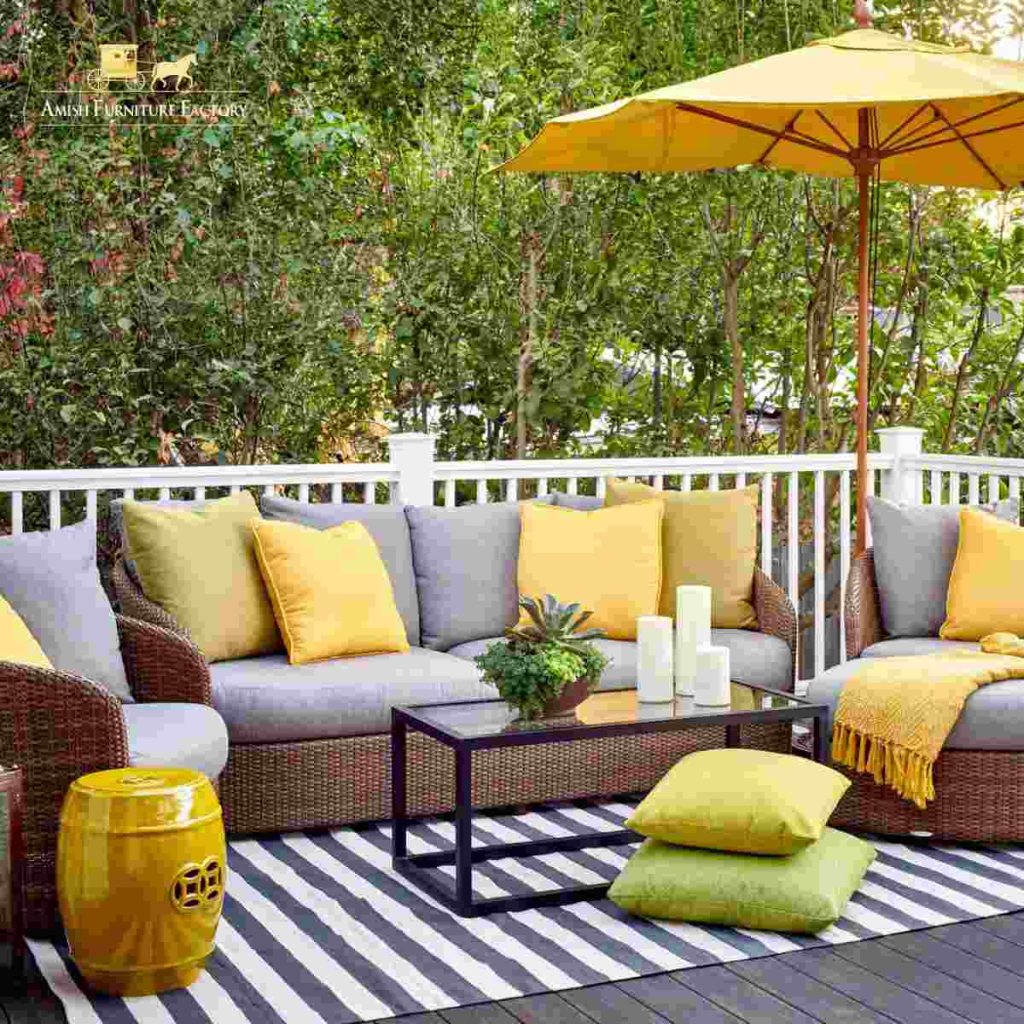
Playful tones like sunshine yellows and citrus greens energize a patio and stand out against neutral backdrops. While vivid, they often fade more softly compared to reds or purples, resulting in a gentle pastel over time rather than a harsh wash-out. They’re best used in cushions, accents, or mixed palettes.
For Practicality, Longevity, and Low Maintenance
1. Natural Wood and Wood-Look Colors
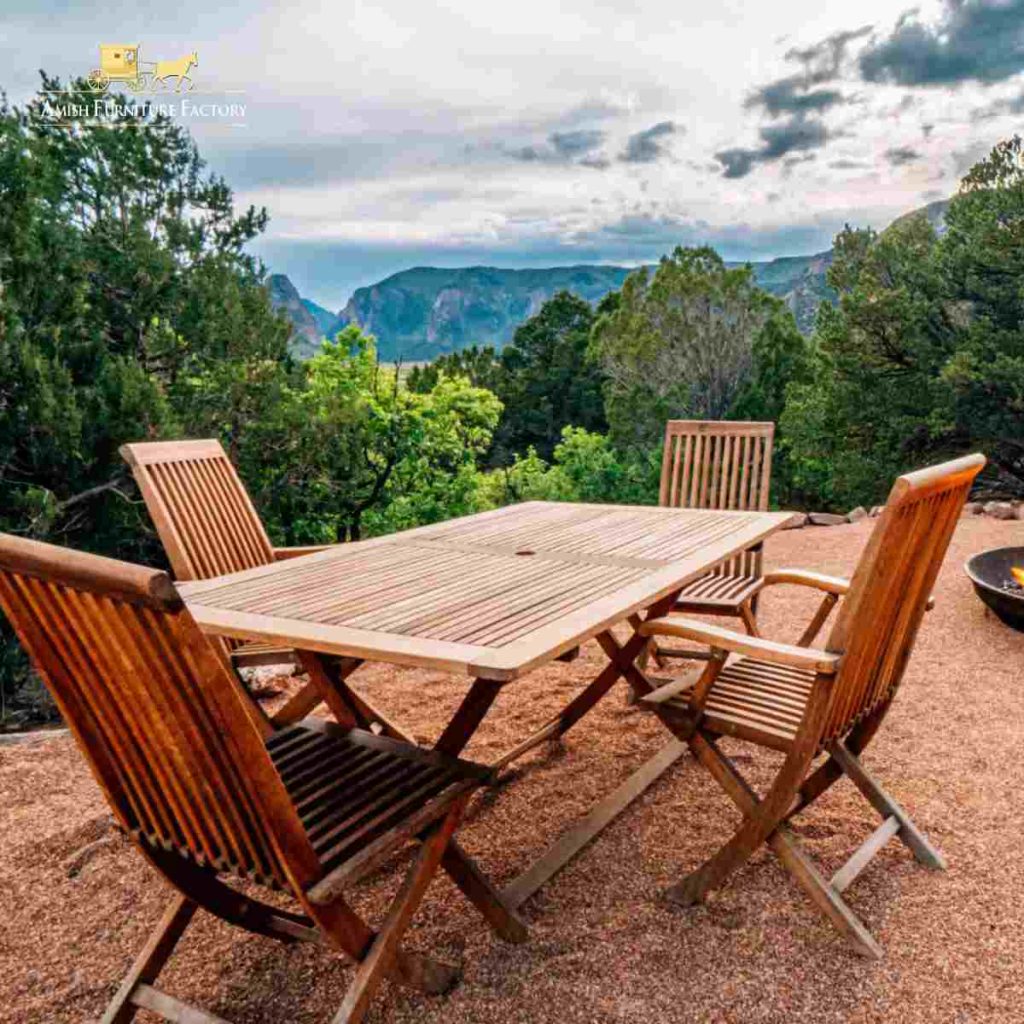
Wood tones bring warmth and timelessness to any outdoor space. They hide imperfections well, especially when they develop a natural patina or slight softening in color. Wood-look finishes on aluminum or resin provide the same charm with improved fade resistance and durability.
2. Monochrome Palette
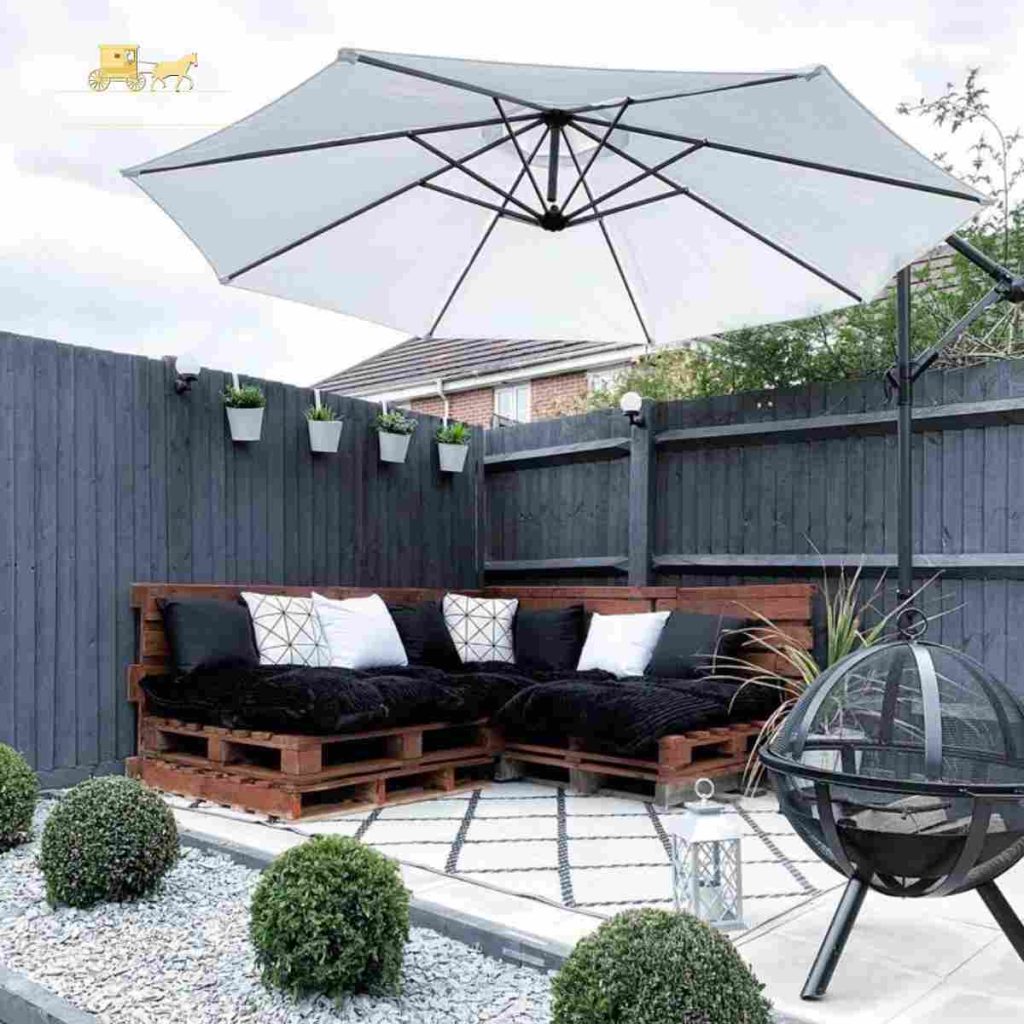
A monochrome palette such as black, charcoal, and graphite delivers a clean, modern look and hides scuffs exceptionally well. Dark neutrals can fade slightly in extreme sun, but high-quality UV-resistant finishes keep them sharp for years. They also conceal dirt and pollen better than most light shades.
3. Medium-Dark Neutrals
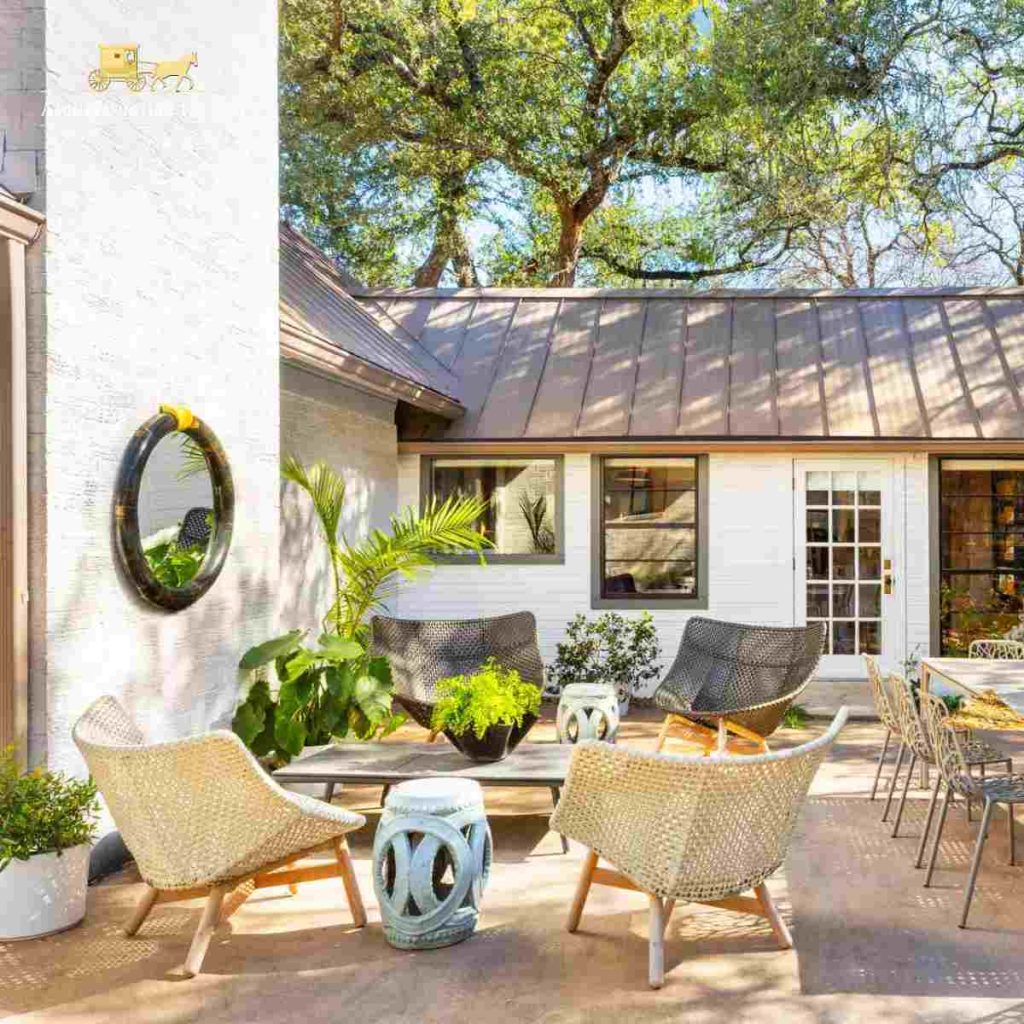
Versatile neutrals such as taupe, greige, and driftwood gray offer the ideal balance between style and practicality. Their mid-range depth makes dust, mud splashes, and everyday wear nearly invisible. They also age gracefully, shifting only slightly in tone over time.
How Furniture Material Influences Color Longevity
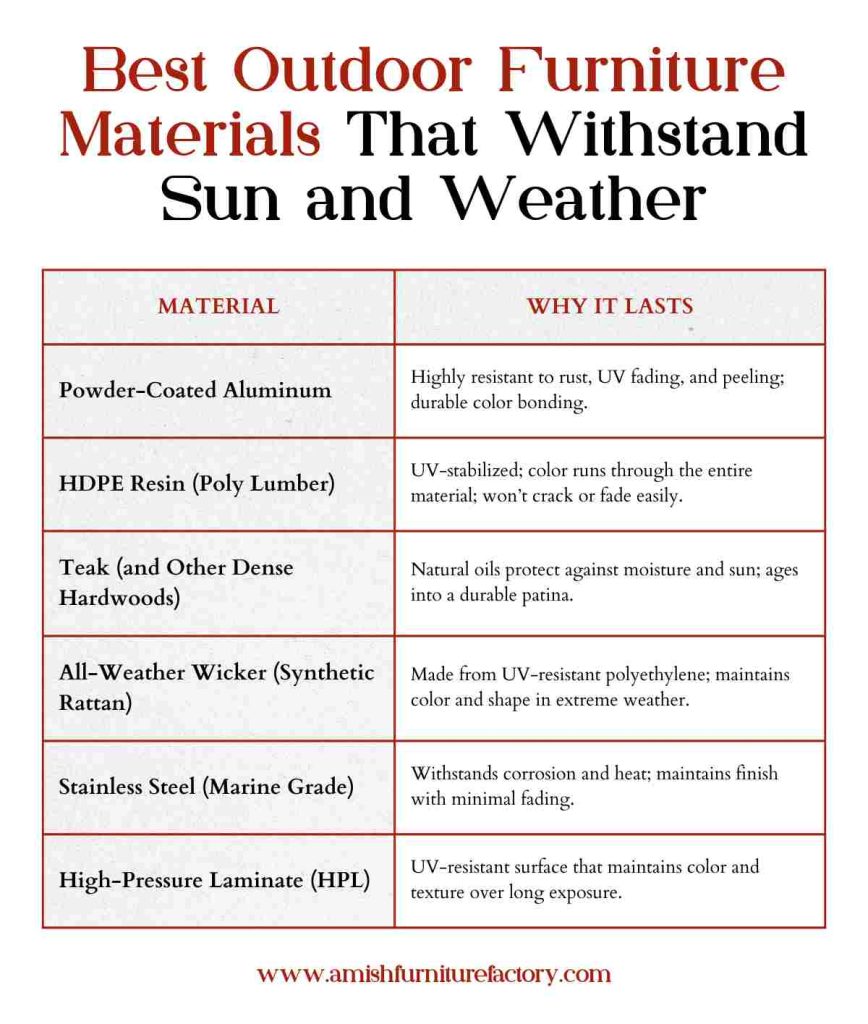
The longevity of outdoor furniture color depends just as much on the material as on the shade itself. Certain materials naturally resist UV degradation, helping colors stay rich and consistent despite prolonged exposure to sun and rain. Others, such as untreated wood or low-quality plastic, absorb UV rays more aggressively, causing pigments to break down faster.
Different materials also interact with paint, stains, and dyes in unique ways. UV-stabilized resin, for example, holds color evenly throughout its structure, so even scratches don’t reveal lighter layers underneath. Woods vary, too: dense hardwoods like teak develop a desirable patina over time. Randall further emphasizes material over color:
“Material matters more than color though. Teak is the champion for natural wood—high oil content makes it weather-resistant without treatment. For synthetic, go with marine-grade HDPE.”
How to Choose the Best Colors for Outdoor Furniture
Selecting the best outdoor furniture colors goes beyond picking shades you like; it’s about choosing tones that work with your climate, backyard environment, and personal style.
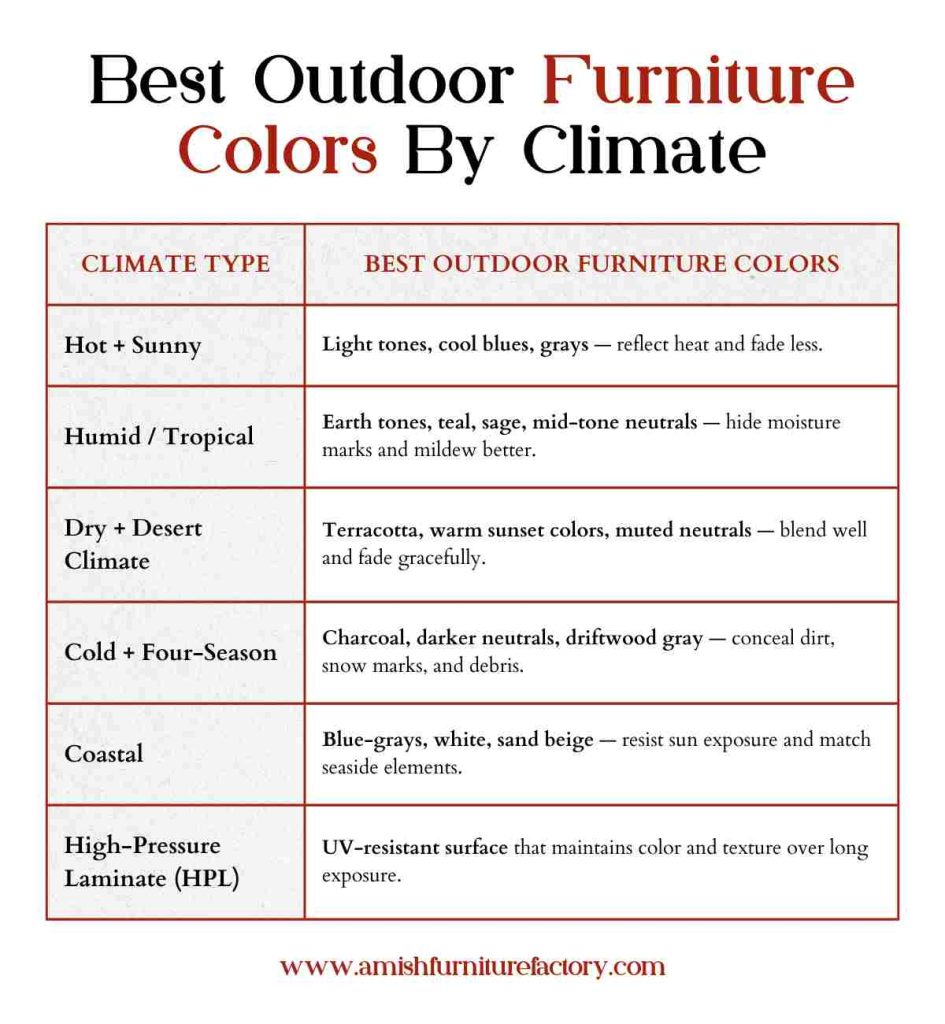
1. Consider Your Climate
Different climates affect how quickly colors fade, heat up, or show wear. Understanding your region’s typical sunlight levels, humidity, and temperature swings will help you choose colors that remain durable and comfortable throughout the year.
2. Match With Your Existing Backyard Environment
Your outdoor furniture should feel like part of the space instead of competing with it. Look at your home’s exterior colors, surrounding plants, patio materials, and even nearby structures, then choose tones that echo or complement those elements.
3. Think About Use and Maintenance
If your patio sees heavy daily use or sits under trees, it’s wise to choose colors that hide dirt, dust, or spills. Mid-tone neutrals, earthy greens, and charcoal shades tend to look cleaner for longer. For cold places specifically, Tim DiAngelis of Lawn Care Plus, recommends a durable, all-weather combination:
“Aluminum frame with Sunbrella fabric in textured weaves. The powder coating on quality aluminum doesn’t chip like paint, and Sunbrella’s solution-dyed acrylic means the color runs through the entire fiber. I’ve moved these pieces during spring cleanups after 4–5 Massachusetts winters—no rust, no fade, no cracking.”
4. Decide the Mood You Want to Create
Color strongly influences how your outdoor space feels—calming, vibrant, cozy, or modern. Soft neutrals and blues create a serene retreat, while bold reds, yellows, or tropical hues add energy and playfulness.
5. Balance Trendy Colors With Long-Term Practicality
Trendy colors can be fun, but they may not age as well or stay in style for long. If you love bold or seasonal shades, consider using them in accents like throw pillows, planters, or throws rather than large furniture pieces. This way, your core furniture remains timeless while still letting you update the look whenever trends shift.
Explore our curated selection of Amish patio furniture and bring timeless craftsmanship to your outdoor living space today!
Care Tips to Preserve Outdoor Furniture Color for Years
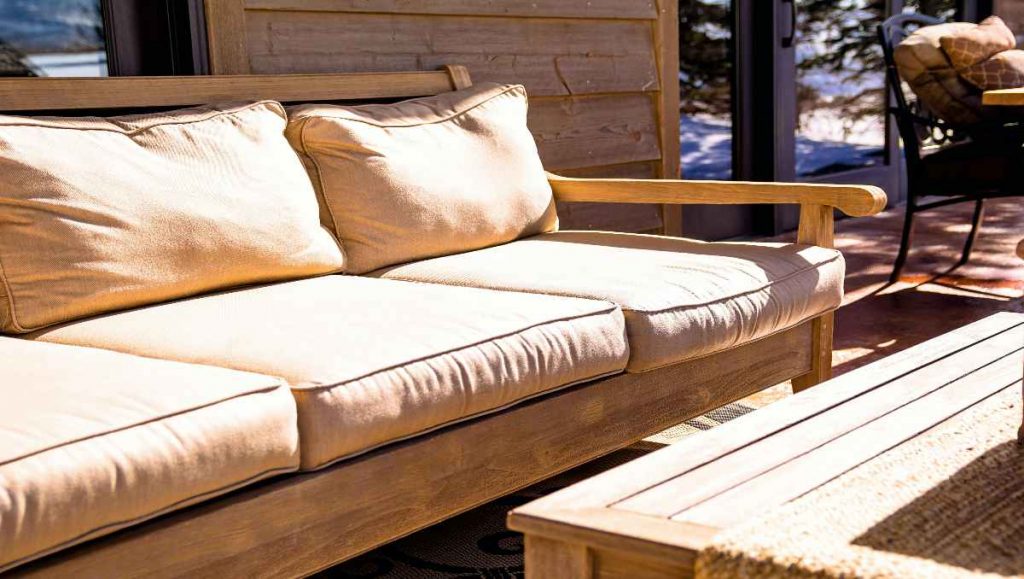
Simple, consistent care can dramatically extend the life of both color and material. Here are some practical tips:
- Clean regularly and avoid harsh chemicals: Wipe down surfaces with mild soap and water to remove dirt, pollen, and debris before they cause discoloration.
- Protect from UV exposure: Use furniture covers, umbrellas, or shade structures when possible to reduce sun fading. For wood or metal furniture, consider UV-resistant sealants or finishes.
- Store during harsh weather: Bring lightweight furniture indoors or into storage sheds during winter, heavy rain, or storms.
- Rotate cushions and removable parts: Swapping cushions or furniture pieces periodically ensures even exposure and prevents uneven fading.
Conclusion: Colors That Are Both Beautiful and Built to Last
Choosing the right outdoor furniture color is more than a design decision; it’s a practical step in ensuring longevity, ease of maintenance, and lasting enjoyment of your outdoor space. By considering factors like UV resistance, climate, material, and the mood you want to create, you can select colors that stay vibrant year after year. Whether you lean toward calming neutrals, vibrant accent pieces, or practical mid-tones, thoughtful color choices paired with proper care make your patio, deck, or garden a welcoming space that endures both sun and weather.
Frequently Asked Questions
What color outdoor furniture is easy to clean?
Medium to darker colors like taupe, greige, and charcoal, as well as natural wood tones, are the easiest to maintain because they hide dirt, dust, and minor stains effectively.
What is the most weather-resistant outdoor furniture?
Powder-coated aluminum, HDPE resin, teak, and high-quality synthetic wicker are among the most weather-resistant options, offering strong UV and moisture protection.
What is the best material for outdoor furniture in hot weather?
Materials that reflect heat and resist UV damage—such as powder-coated aluminum, UV-stabilized resin, and dense hardwoods like teak—perform best in hot, sunny climates.
What is the most durable finish for outdoor furniture?
Powder-coated metal, UV-resistant stains on wood, and high-pressure laminate (HPL) surfaces are highly durable finishes that maintain color and resist fading.
What is the most popular outdoor cushion color?
Neutral shades like beige, gray, and muted greens are popular because they complement a wide range of furniture colors and outdoor landscapes while remaining low-maintenance.