
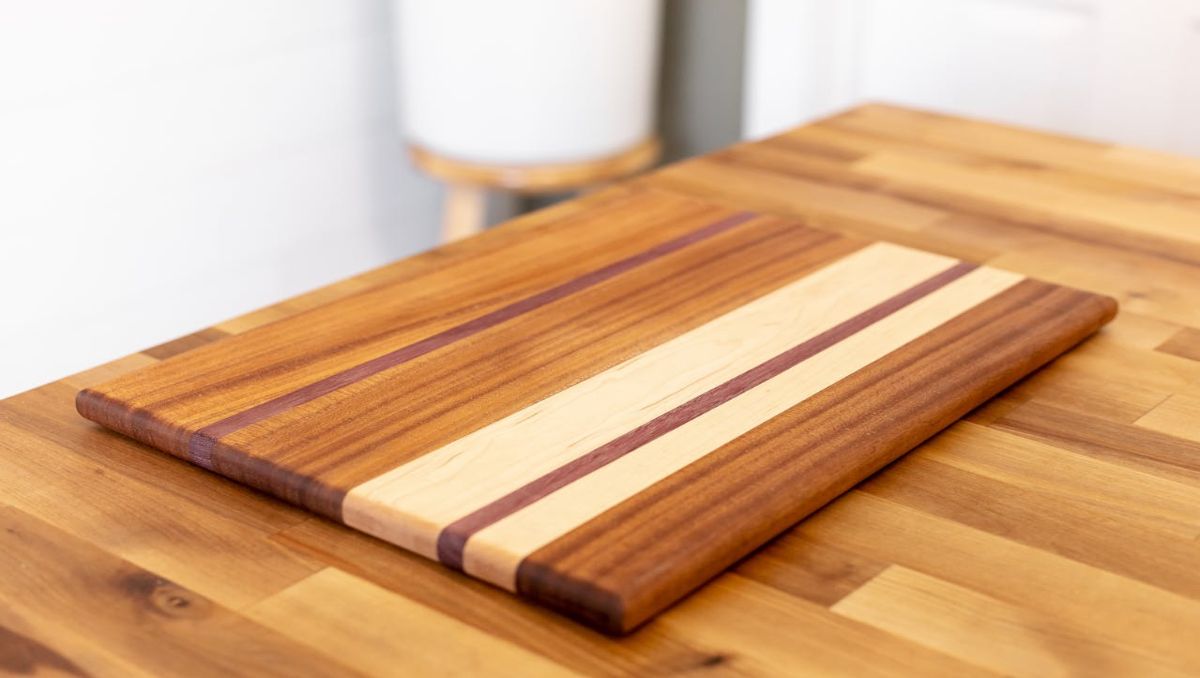
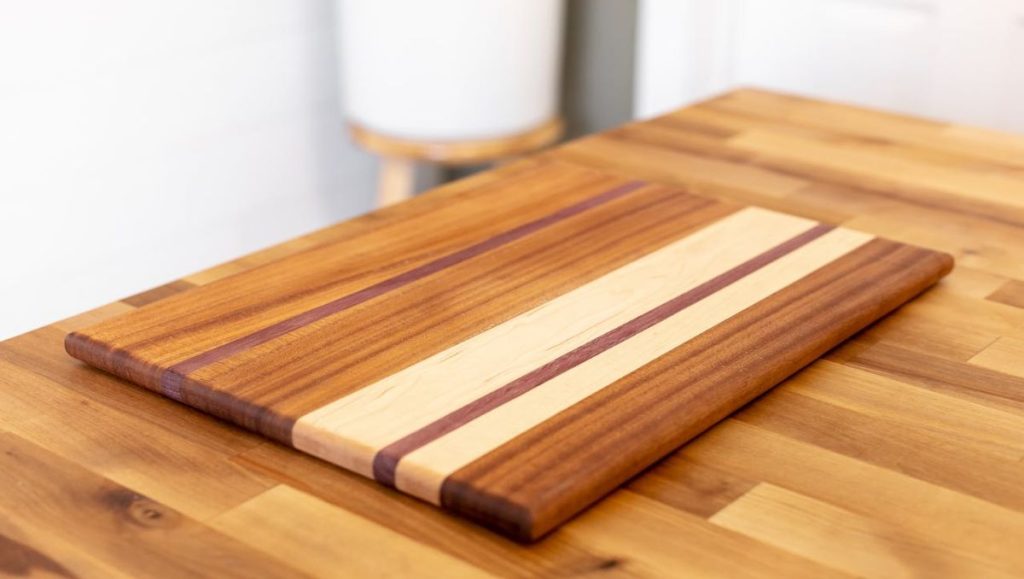
Hard maple is famous for its strength, smooth grain, and clean, modern look, but anyone who has tried staining it knows the challenge: the wood’s density and uneven absorption can make stain behave unpredictably. That’s why choosing the right hard maple stain matters so much. The right product and approach can bring out its depth and character, while the wrong one can leave the surface looking patchy or dull.
Key Takeaways:
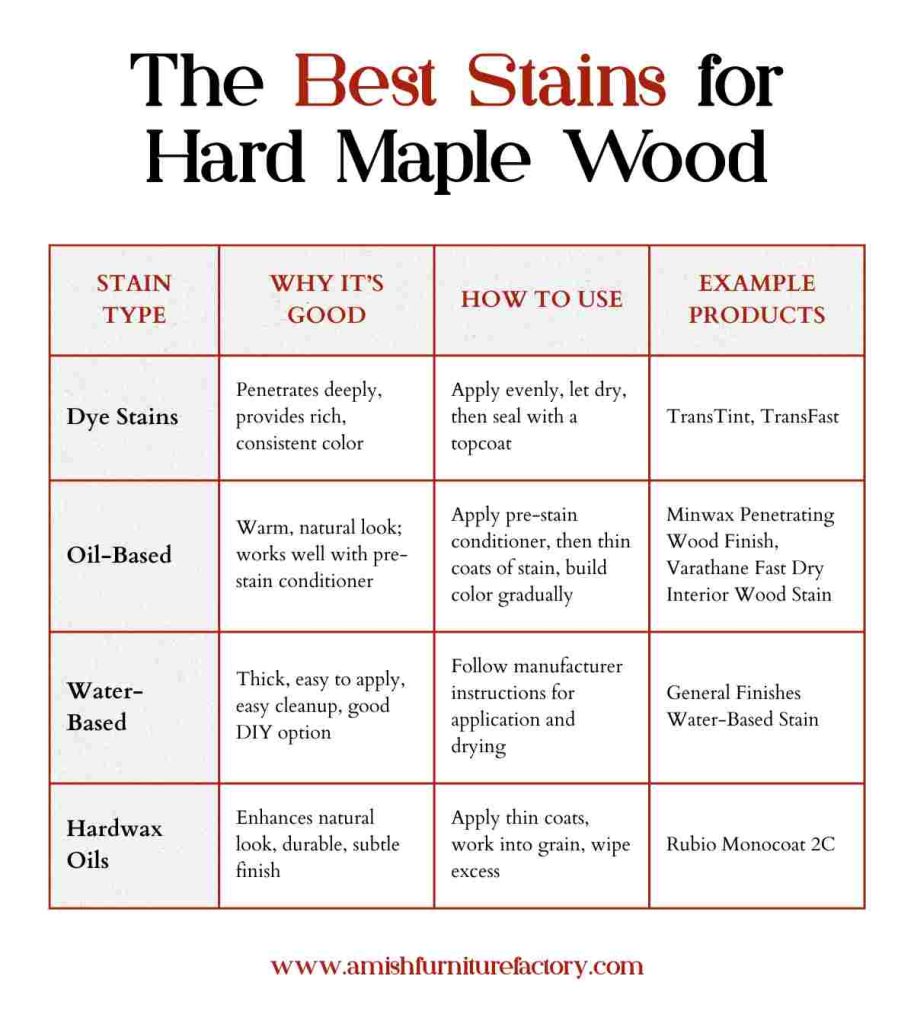
- The best stains for hard maple wood are dyes, oil-based stains, water-based stains, and hardwax oils, each offering unique advantages for depth, color, and finish durability.
- To choose the right stain, consider the look you want to achieve, the intended use of the piece, and how the wood reacts to different stain types.
- Prepare the wood properly: Sand thoroughly and use a pre-stain conditioner or washcoat to ensure even absorption and prevent blotching.
In this guide, we break down the stains that actually perform well on hard maple, how to match stain types with the look you want, and the prep techniques that make all the difference.
Understanding Hard Maple and Why It’s Difficult to Stain
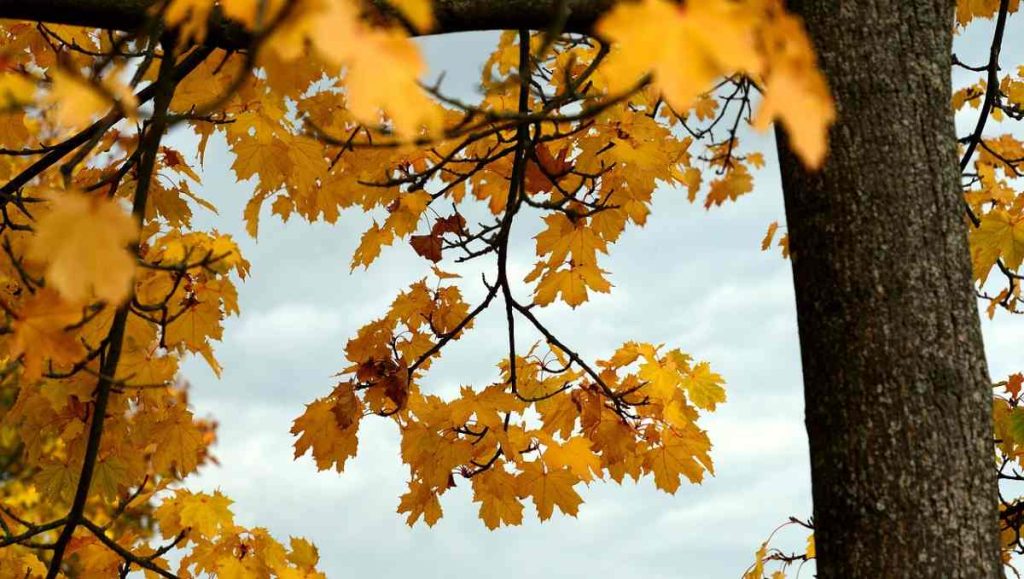
Hard maple, also known as sugar maple, is one of the densest domestic hardwoods used in furniture-making, with a Janka hardness of about 1,450 lbf. Its tight, closed grain gives it that smooth, premium look woodworkers love—but that same density makes it far less absorbent than species like oak or walnut. Instead of pulling stains evenly, hard maple tends to take color only in certain spots, especially around areas with mineral streaks or subtle grain reversals. This is why maple can sometimes look blotchy even when you’ve sanded everything perfectly.
Another factor is the natural variability within a single board. Hard maple often contains microscopic figure changes that don’t appear dramatic until stain hits them. These areas absorb pigment differently. Understanding this behavior is the first step toward choosing the right hard maple stain and using techniques that give you the rich, even finish you want.
The Four Best Hard Maple Stain Solutions
Staining hard maple successfully comes down to choosing products that work with the wood’s density instead of fighting it.
Dye Stains
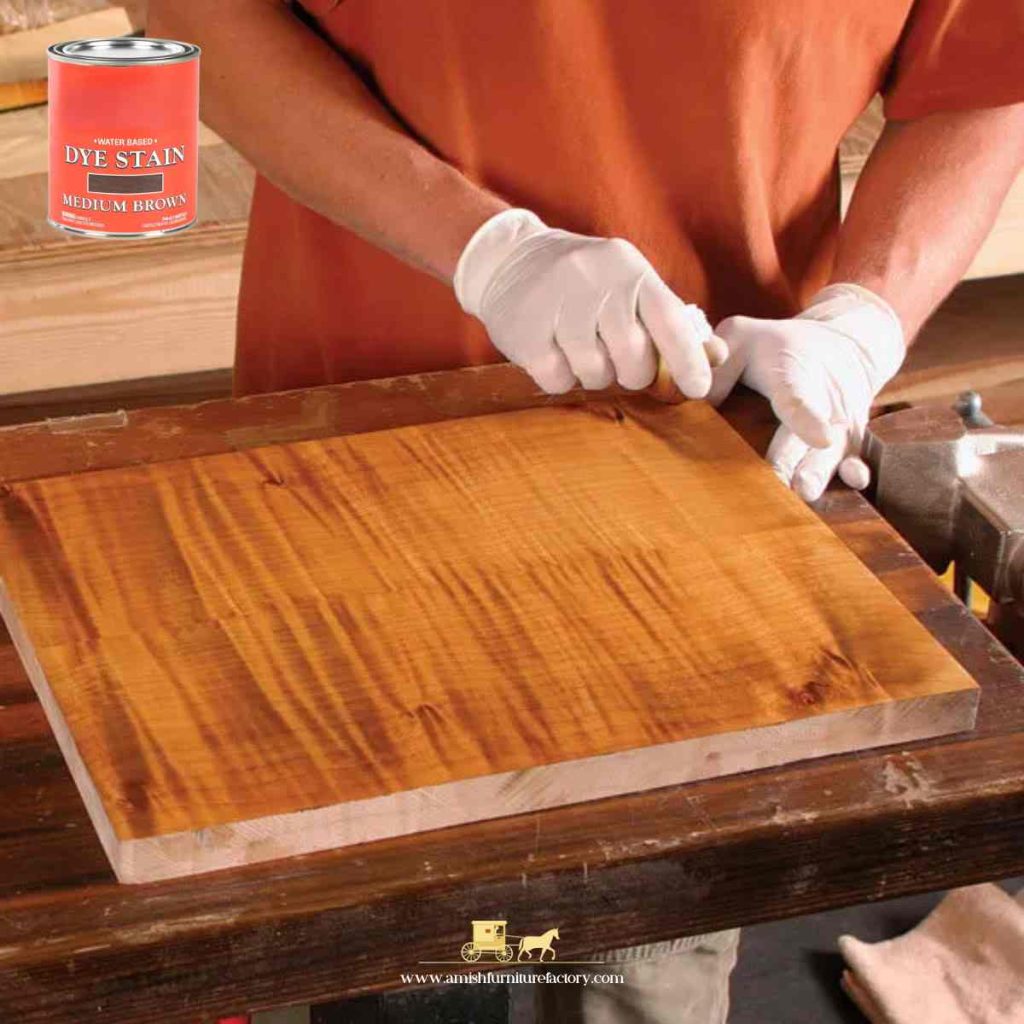
Dye stains are one of the most reliable options for hard maple because they soak deeper than pigment-based formulas. They work especially well when you want vibrant colors or darker tones that penetrate consistently across the entire surface. To use them, apply the dye evenly, let it dry fully, and then seal it with a protective topcoat to lock in the color. Popular examples include TransTint and TransFast dyes.
Oil-Based Stains
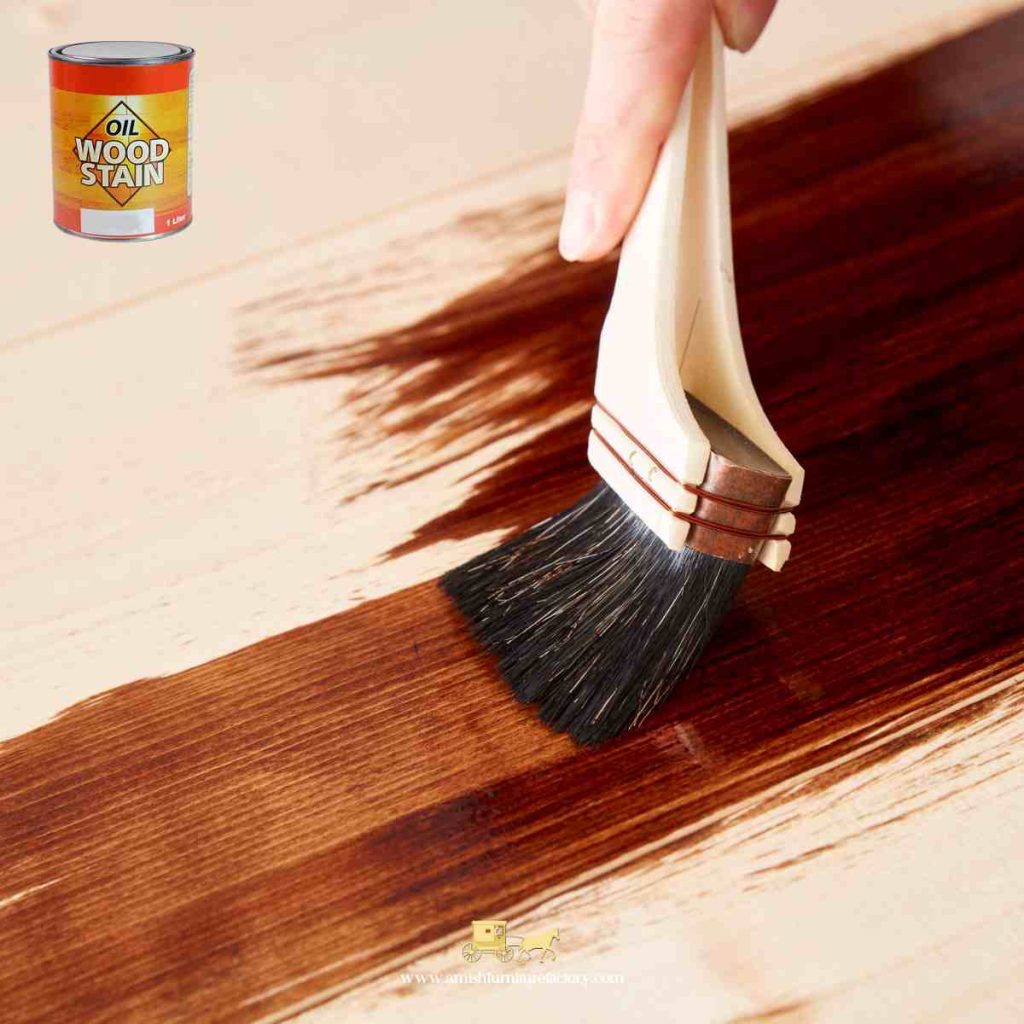
Oil-based stains remain a favorite for their warm, natural look, but on hard maple they require a crucial first step: applying a pre-stain conditioner. The conditioner helps even out absorption, preventing the classic blotchiness maple is known for. After conditioning, apply the oil-based stain in thin coats, letting each one penetrate before wiping off excess. Common examples include Minwax Penetrating Wood Finish and Varathane Fast Dry Interior Wood Stain.
Water-Based Stains
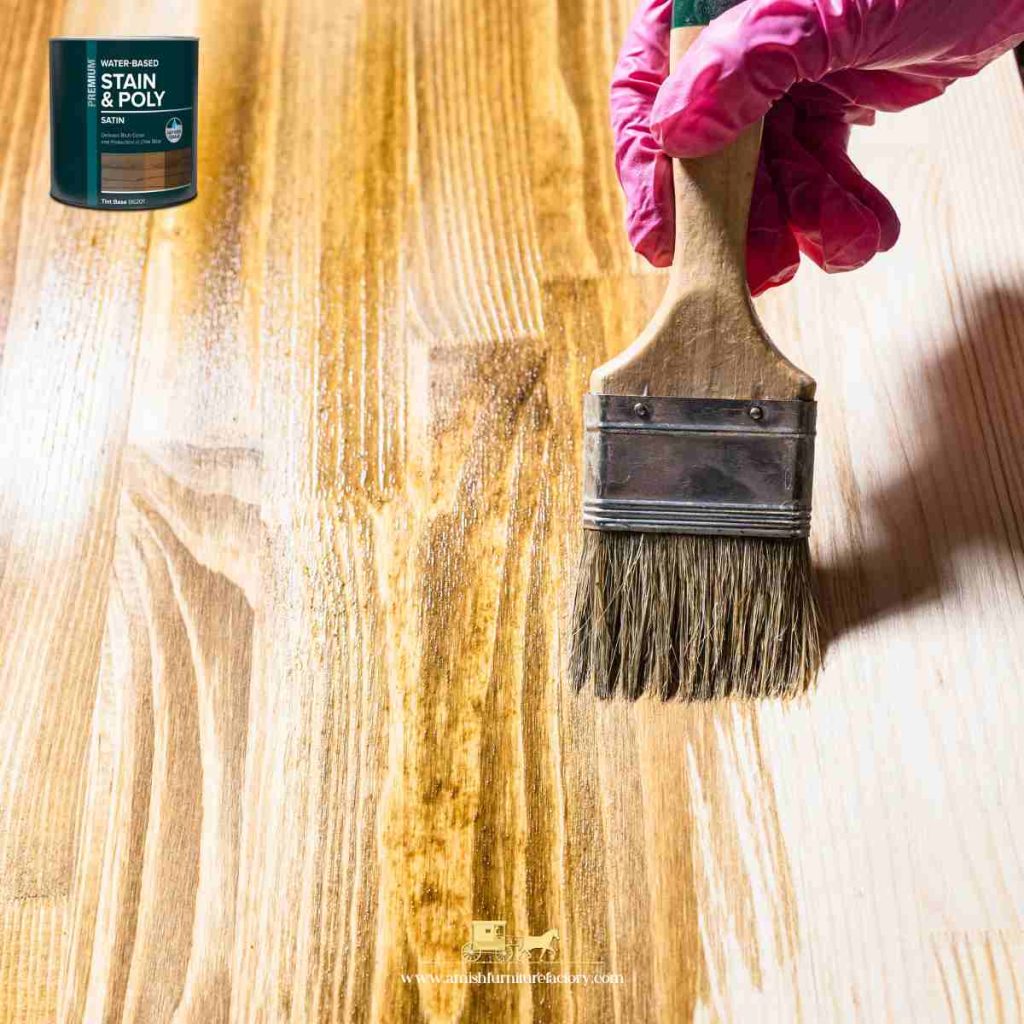
Water-based stains can be a great choice for hard maple, especially for DIYers, because they tend to be thicker, easier to control, and much simpler to clean up. Use them by following the manufacturer’s recommended drying times. One of the most trusted options in this category is the General Finishes Water-Based Stain line.
Hardwax Oils
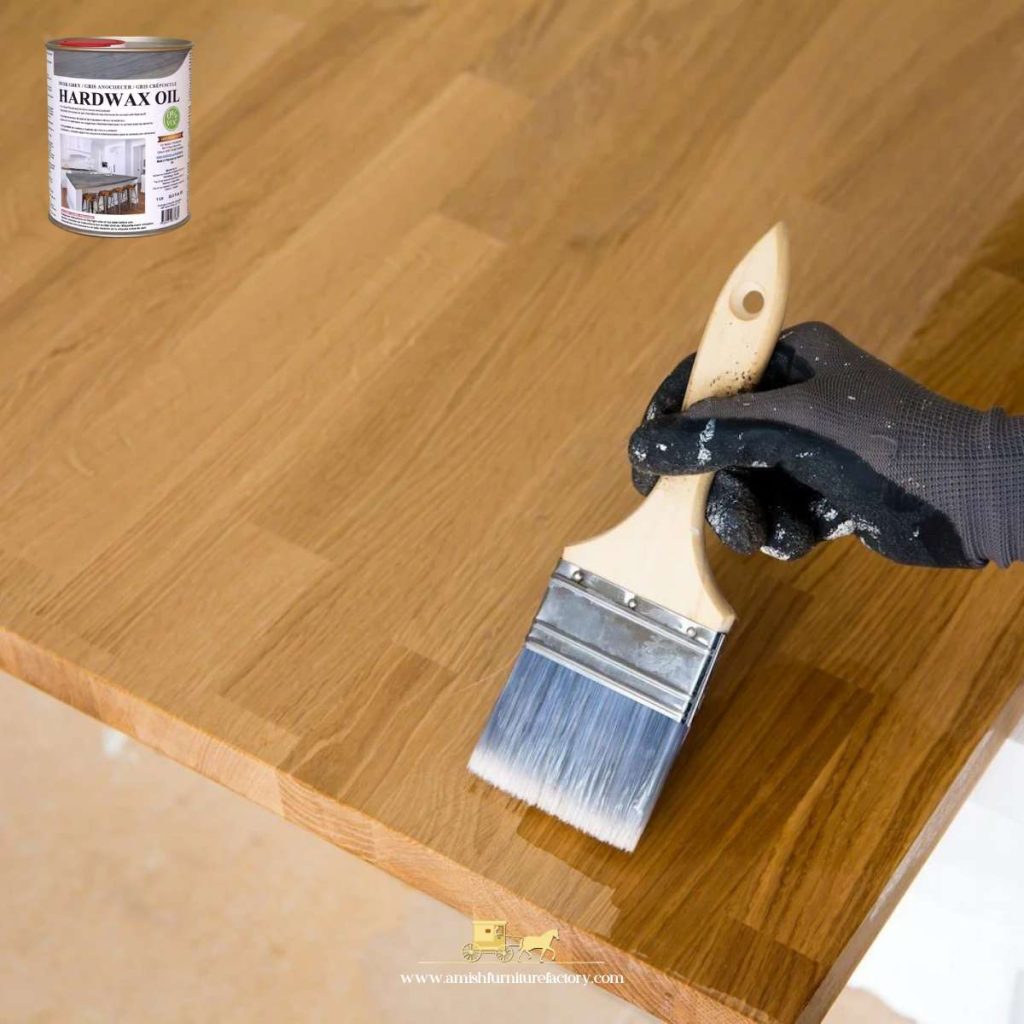
Hardwax oils offer a different approach: instead of creating a dramatic color shift, they enhance maple’s natural beauty with a soft, matte, durable finish. They’re excellent when you want the wood to look natural but slightly richer, without risking blotchiness from heavy pigments. Apply hardwax oils in very thin coats, working them into the grain and wiping off any excess to avoid streaks or tacky spots. A standout product in this category is the Rubio Monocoat 2C.
Best Stain Colors for Hard Maple: Selecting the Right Shade
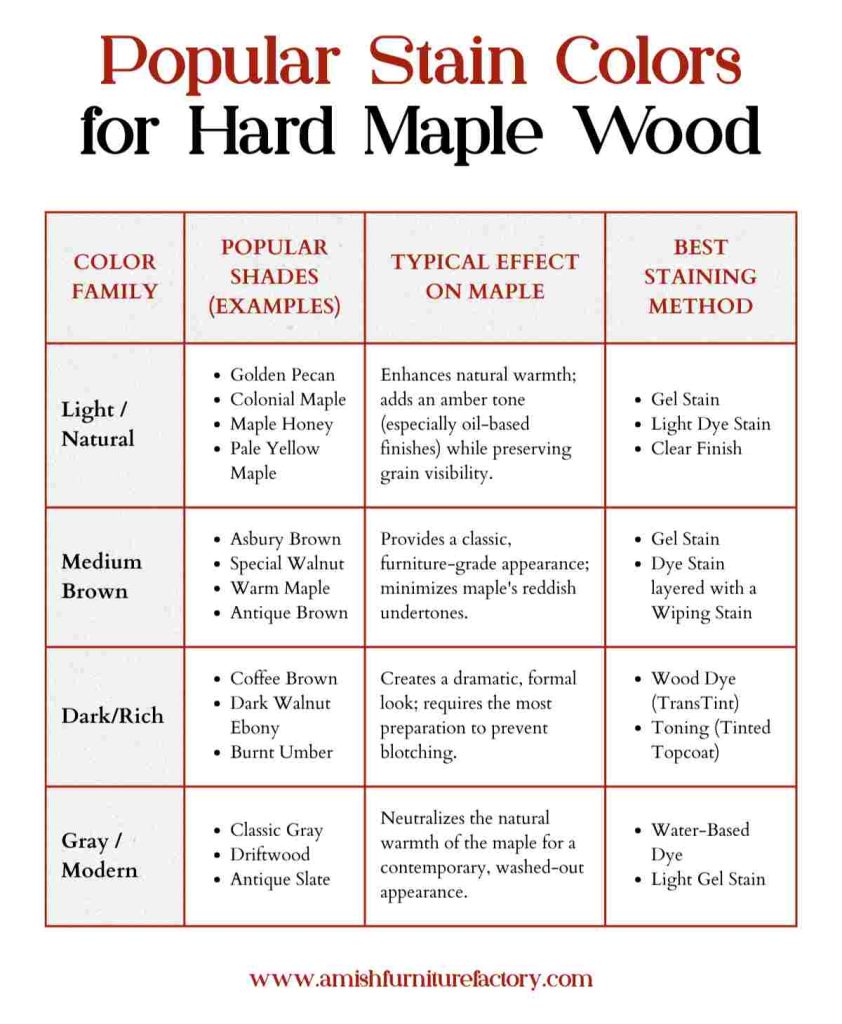
Selecting the right color for hard maple is about balancing the wood’s natural beauty with the style and mood you want to create. Because maple has a light, neutral base, even subtle differences in stain shade can dramatically change its appearance. Lighter tones, like natural or golden oak, highlight the wood’s clean grain and are ideal for modern or Scandinavian-style furniture. Darker shades, such as walnut or espresso, add warmth and sophistication but require careful application to avoid uneven absorption or blotching.
Check out these popular shades for hard maple wood to find the perfect color for your project:
How to Choose the Right Stain for Hard Maple Wood
Here are the key factors to guide your decision.
1. Match the stain to the mood you want to create.
Light, airy spaces benefit from clear or lighter stains that showcase maple’s natural grain without darkening the room. Richer, darker stains, on the other hand, add warmth and a sense of intimacy, making them perfect for dining rooms, libraries, or brown maple furniture that are meant to stand out.
2. Consider how the project will be used.
High-traffic surfaces like floors, kitchen cabinets, or tabletops require stains and finishes that can resist wear, moisture, and fading. For these areas, durability matters as much as color. Selecting a stain paired with a strong protective topcoat ensures the wood remains durable.
3. Prepare the wood correctly to avoid blotching.
Hard maple absorbs stain unevenly, which can result in blotchy, inconsistent finishes. Using a pre-stain conditioner or washcoat before applying the stain helps even out absorption and provides a smooth, uniform color.
4. Always test before committing.
Before staining the entire piece, apply the chosen product to a scrap board or a hidden area. Variations in lighting, grain, and sanding can dramatically affect how the color appears, and testing ensures you get exactly the tone you want.
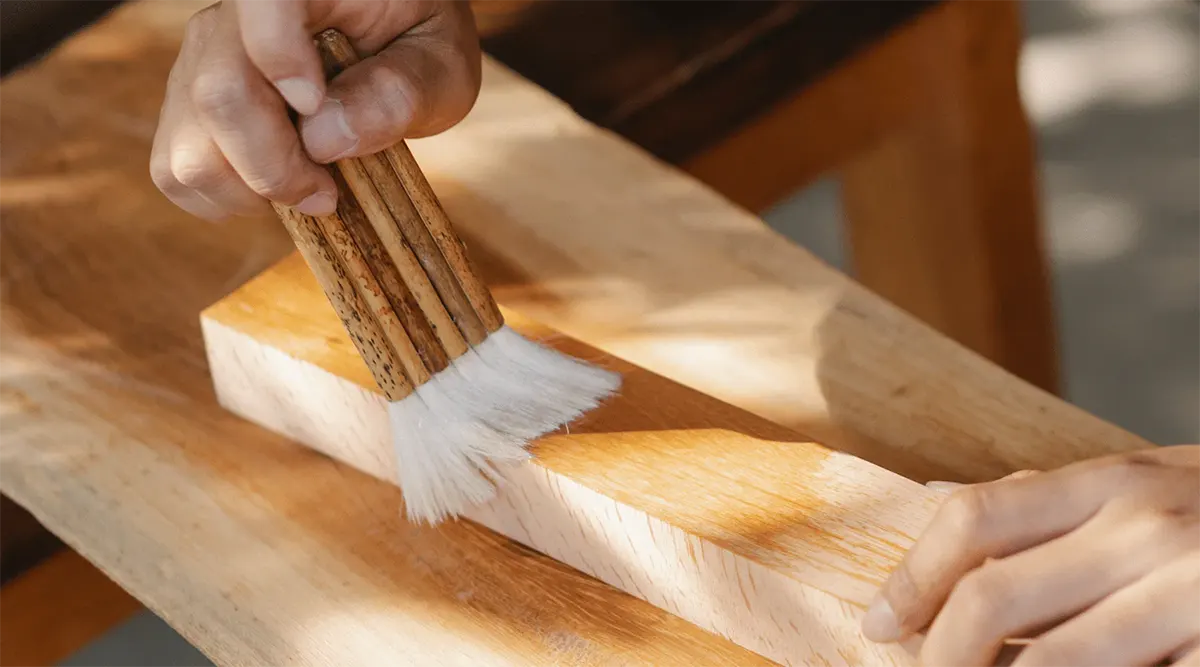
5. Choose the stain type that aligns with your desired outcome.
- Gel Stains — Provide dark, even color and excellent blotch control.
- Oil-Based Stains — Enhance depth and bring out the natural grain.
- Dyes — Penetrate deeply for bright, uniform color.
Tips for Staining Hard Maple: Preparation, Application, and Finishing
Staining hard maple can be tricky, but the right preparation, application, and finishing steps make all the difference.
1. Be sure to prepare the wood for a smooth, even stain.
Preparation is the most critical step when working with hard maple. Start by sanding progressively with finer grits—usually finishing with 220 or higher—to create a smooth surface. Using a pre-stain wood conditioner or a washcoat helps even out absorption and reduces blotching.
2. Apply the stain using the right technique.
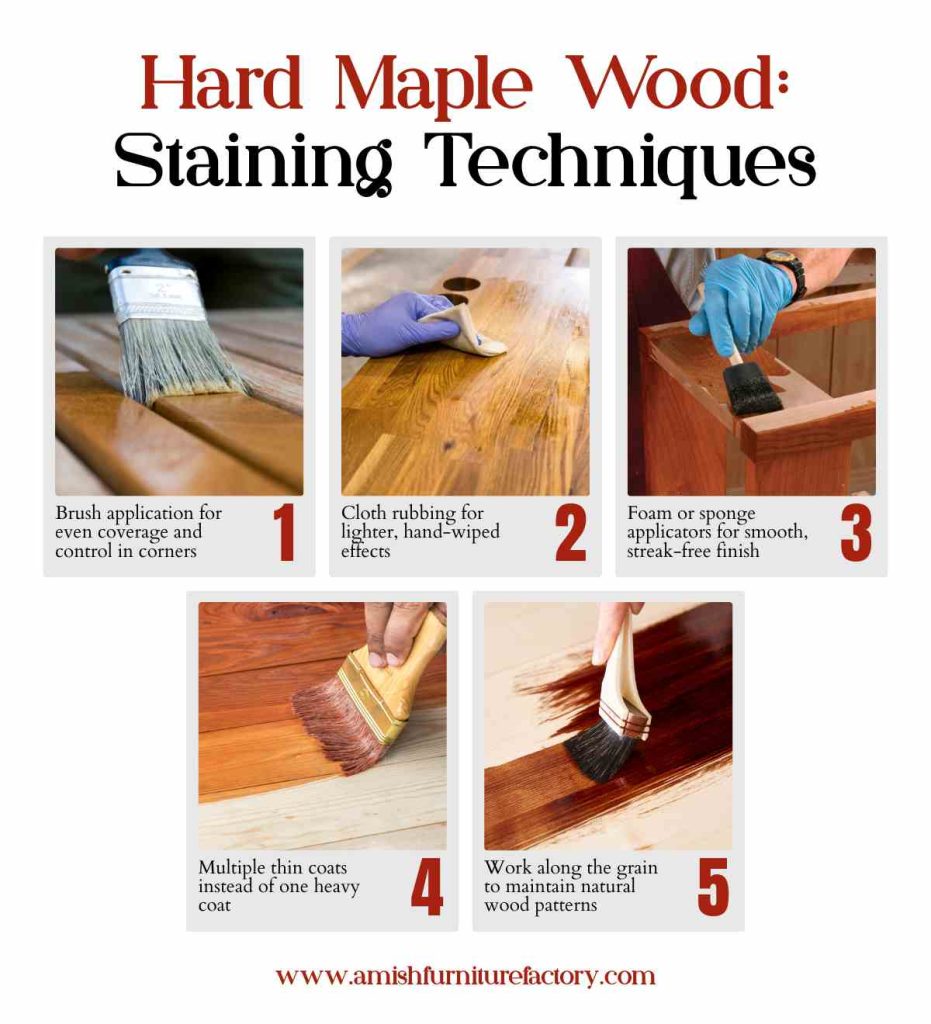
How you apply the stain impacts color consistency more than most people realize. Work in manageable sections, applying with a brush, cloth, or sponge depending on the product type. Wipe off excess stain promptly to prevent dark spots, and allow adequate drying time between coats.
3. Finish with the right topcoat for protection and color stability.
A durable topcoat is essential to protect the stained maple from wear, moisture, and UV fading. Polyurethane, water-based or oil-based, provides a strong, clear finish, while hardwax oils add a natural-looking sheen with excellent durability. Apply thin, even layers, sanding lightly between coats if recommended by the manufacturer. The right finish not only preserves the color but also enhances the wood’s depth and character.
Long-Term Care and Maintenance of Stained Maple
Maintaining the beauty of stained hard maple begins with consistent, gentle care. Regular cleaning using a soft, dry cloth helps remove dust and everyday grime without risking damage to the finish. Steer clear of harsh household cleaners, ammonia, or abrasive pads, as these can dull the stain, cloud the topcoat, or create micro-scratches over time.
Routine dusting paired with occasional light cleaning ensures the stain remains rich and the protective topcoat maintains its clarity. If your maple is located in a sunny room, rotating décor or using UV-protective shades helps minimize uneven fading caused by prolonged sunlight exposure.
As the years pass, minor wear can often be revitalized without resorting to a full refinishing job. For film finishes, applying a thin layer of a compatible topcoat can refresh both protection and luster. With consistent care and occasional touch-ups, stained maple can remain vibrant, smooth, and structurally sound for decades.
Ready to invest in lasting quality? Explore our collection of furniture made of maple and experience the durability and timeless beauty of this exceptional hardwood.
Final Thoughts on Staining Hard Maple
Staining hard maple can be a challenge, but understanding the wood’s unique properties and choosing the right products makes the process much more manageable. From selecting the right hard maple stain to preparing the surface properly and applying finishes with care, each step plays a crucial role in achieving a smooth, even, and long-lasting result.
Paying attention to details like grain patterns, sanding sequence, and test patches can save time and prevent common mistakes like blotching or uneven color. With the right techniques, you can highlight maple’s natural beauty and enhance the depth and warmth of the wood.
Frequently Asked Questions
What color is hard maple?
Hard maple is naturally light in color, ranging from creamy white to a pale golden hue. Some boards may have subtle reddish or brown streaks, but the overall tone is neutral.
What is the difference between maple and hard maple?
“Maple” refers to several species of the tree, while “hard maple” (sugar maple) is specifically a dense, durable variety with a tighter grain. Hard maple is preferred for cabinets and flooring due to its strength and smooth surface, but it can be trickier to stain than softer maples.
Can I use a washcoat under any type of stain (gel, oil, or dye)?
Yes, a dewaxed shellac or pre-stain washcoat can be used under most stains to reduce blotching and even out absorption. It works especially well with oil-based and gel stains and can also help dyes penetrate more uniformly.
Why does my hard maple look unevenly yellow after applying a clear finish?
This usually happens when natural minerals in the wood react with the finish or when uneven sanding and residual dust cause inconsistent absorption. Applying a proper washcoat and ensuring thorough preparation can prevent this yellowing effect.
Is it possible to correct a blotchy stain without completely stripping the wood?
Yes, blotches can often be minimized by lightly sanding the affected area, reapplying a pre-stain conditioner, and then restaining. For severe cases, using a gel stain or dye that penetrates evenly can help even out the color without full refinishing.