
Transitioning your child from a toddler bed to their first big-kid bed is an exciting milestone that marks a major step in their growing independence. A kids’ twin bed frame should fit your child’s age, room size, and budget while staying sturdy and safe for years of climbing, jumping, and everyday sleep. The right frame material makes the difference between a bed that survives childhood and one that doesn’t.
Key Takeaways:
- A standard twin bed measures 38″ x 75″, compact enough for small rooms, roomy enough for kids of most ages.
- Twin frames come in several styles, each suited to different room layouts.
- Look for sturdy joinery, guardrails, and non-toxic finishes to keep a kids’ bed safe through years of active use.
What Is a Twin Bed?

A standard twin bed measures 38 inches wide by 75 inches long, making it the smallest standard size and a popular choice for kids’ bedrooms. This compact footprint leaves ample floor space for play and other furniture, though growing children or tall kids might benefit from a twin XL (adding 5 inches of length) or a full-size bed (measuring 54 inches wide) if space permits.
Beyond saving space, twin beds are highly versatile, cost-effective, and suit children of all ages, from toddlers to teens. Whether used singly in a compact room or configured as bunk beds to accommodate multiple children, they provide a cozy, functional sleeping area that easily adapts to a family’s changing needs over time.
Types of Twin Bed Frames
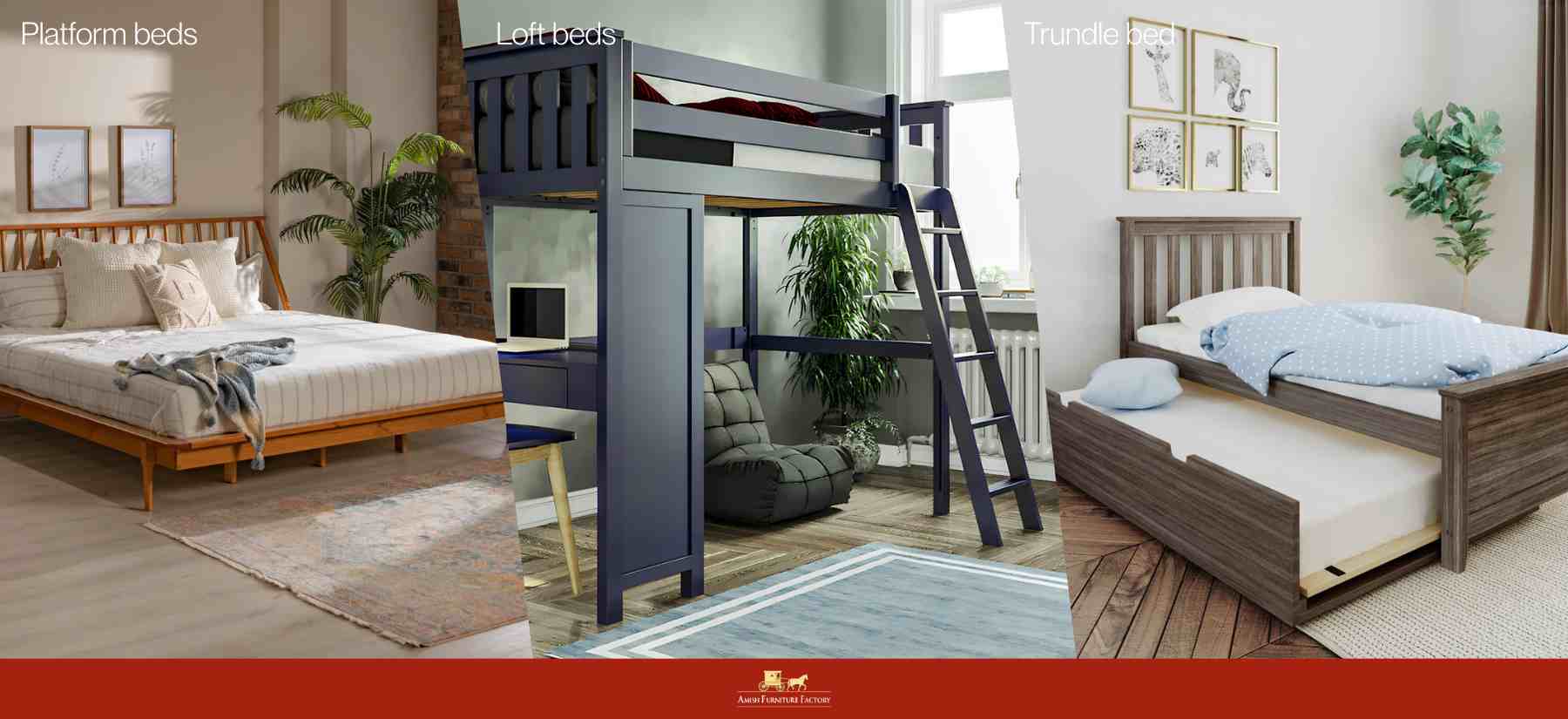
Twin beds come in a variety of styles, each offering different benefits depending on your child’s needs and available space.
Platform Bed Frames
Platform beds are one of the easiest styles to live with, especially for younger children. They sit lower to the ground, so climbing in and out feels less intimidating during the transition from a crib. Many models also include built-in drawers underneath, which helps keep things organized.
Bunk Bed Frames
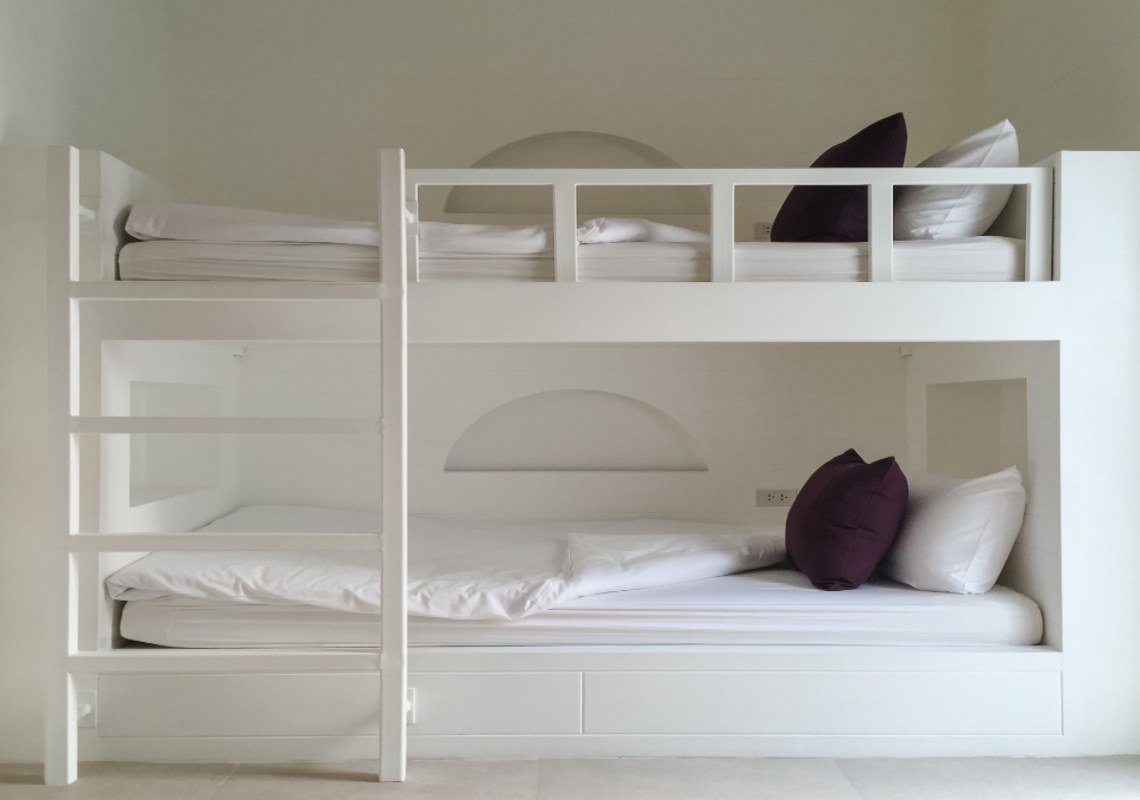
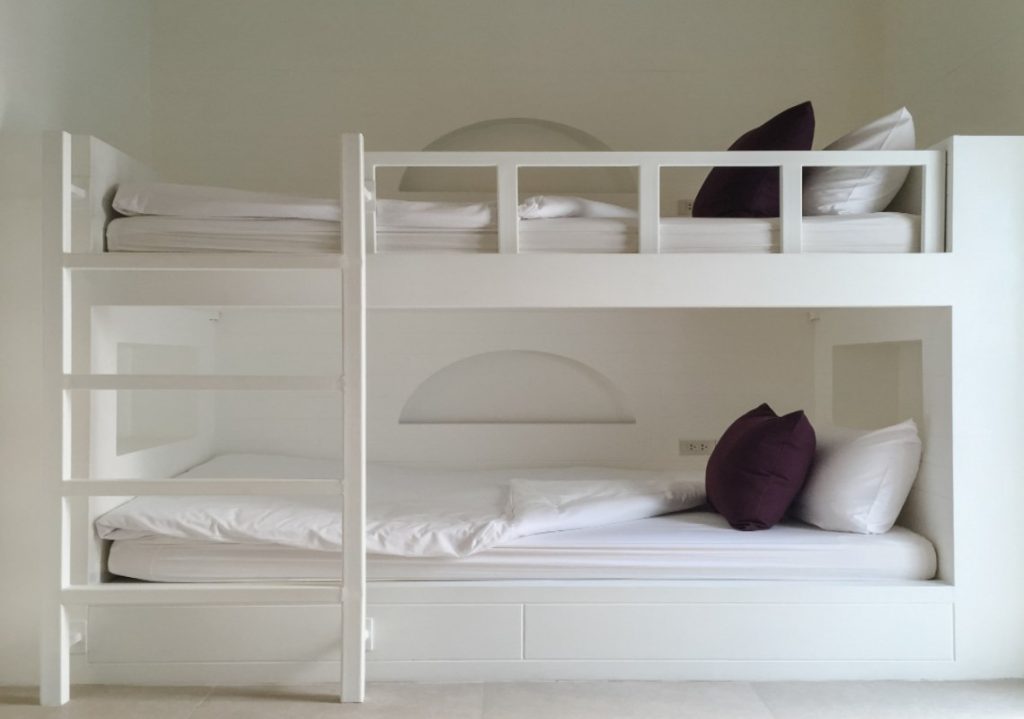
Bunk beds are a smart choice when two children share a room. By stacking two twin beds vertically, they free up valuable floor space for play and storage. Look for sturdy guardrails, a secure ladder, and a design that can separate into two individual beds if your needs change later.
Loft Bed Frames
Loft beds raise the sleeping area and leave the space underneath open. That extra room can become a study desk, reading nook, or play zone. They are generally a better fit for older children who can safely climb up and down every day.
Trundle Bed Frames
A trundle bed hides a second mattress underneath the main bed and rolls out when needed. It is a practical option for sleepovers, visiting relatives, or siblings who occasionally share a room. Some trundle designs replace the lower mattress with storage drawers.
Material and Construction: What’s Best for Kids?
Solid hardwoods like oak, maple, and cherry are the gold standard for kids’ beds. They hold up to jumping, climbing, and years of wear that would loosen up cheaper joints over time. At Amish Furniture Factory, we build frames with mortise-and-tenon joinery, the same method that’s kept furniture solid for generations. Unlike mass-produced beds, a solid wood bed frame won’t wobble loose after a few years of active use.
Metal frames are a lighter, budget-friendly alternative with a sleek, modern look, though they typically don’t offer the same weight capacity or longevity. Upholstered frames, covered in fabric or faux leather, add a soft feel to a child’s room but show wear faster in high-activity bedrooms.
Here’s a comparison of the different materials used in twin beds and frames for kids to guide you in choosing the best one:

Safety Features Every Parent Should Check
A kid’s twin bed frame should do more than look good in the room. It needs to be safe for everyday climbing, jumping, reading, and sleeping. Before you buy, take a few minutes to check these important safety features.
- Guardrails and edge protection: Sturdy guardrails help prevent accidental falls during sleep. The rails should feel secure and extend high enough above the mattress.
- Rounded corners and smooth finishes: Sharp edges can lead to bumps and scrapes, especially in active bedrooms. Choose a frame with rounded corners and a finish that feels smooth to the touch.
- Weight capacity and stability: Check the manufacturer’s weight limit and make sure it comfortably supports your child now and as they grow.
- Ladder safety for bunk and loft beds: The ladder should be firmly attached and easy for your child to climb. Wide steps, textured surfaces, and a comfortable grip are safer than narrow metal rungs.
- Non-toxic finishes and certifications: Look for low-VOC paints, stains, and finishes, especially for younger children who spend a lot of time in their bedrooms. Certifications such as GREENGUARD Gold can indicate lower chemical emissions.
- Anti-tip considerations: If the bed includes shelves, a tall headboard, or attached storage, make sure it cannot tip forward during use. Follow the manufacturer’s instructions for wall anchoring whenever anti-tip hardware is included.
Styles to Match Your Child’s Room
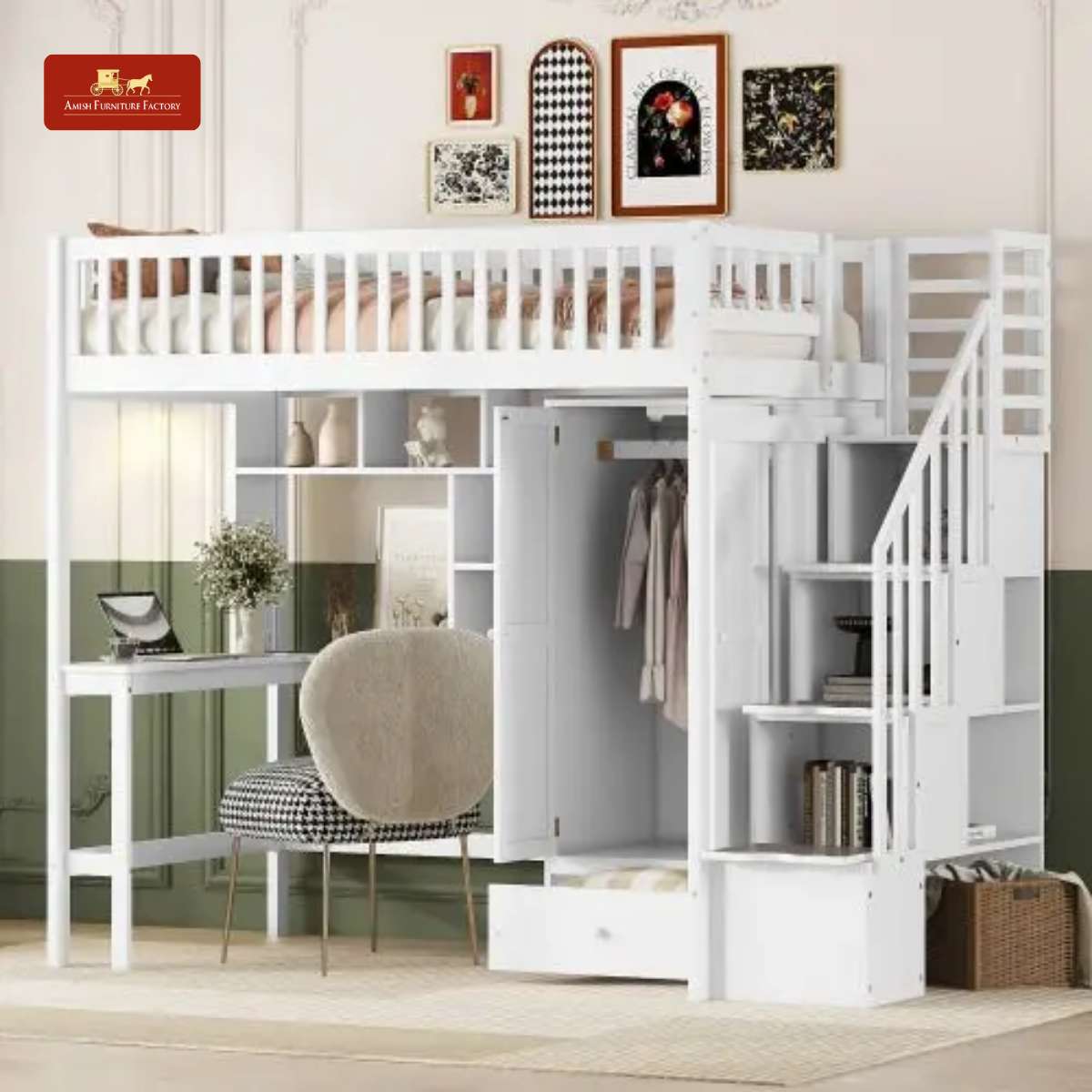
Kids love fun themes, and a bed that fits into their world of imagination can make bedtime more exciting. Whether it’s a race car bed, a princess canopy bed, or something based on their favorite character, a themed bed can really add a personal touch. That said, themed beds can quickly outgrow your child’s interests. If you want something that will last through various phases, consider opting for a versatile, neutral design—like a simple wooden bed with clean lines—that can be easily updated with different bedding or accessories as your child’s tastes evolve.
Another important factor is color. While a bright, bold color may be perfect now, it’s worth considering a bed that can transition as your child grows. Neutral tones like gray, white, or natural wood are great choices because they pair well with a variety of decor and won’t feel out of place as your child moves from toddler to teen. You can always change up the room’s accessories, bedding, and wall colors to reflect their current style.
How Much Does a Kids’ Twin Bed Cost?
When buying a twin bed, it’s important to find a balance between affordability and quality. A cheap frame in the $50–$150 range often means particleboard construction and glued joints that loosen within a couple of years. It’s a hidden cost when you factor in an early replacement. Twin mattresses typically run $100 to $1,000 depending on quality and features. Spending more upfront on solid wood construction usually means buying a bed once instead of two or three times over your child’s growing years.
Find a high-quality, durable twin bed for your child with handcrafted Amish beds built to last. Explore a variety of styles and finishes here to create the perfect sleep space.
When to Transition to a Twin Bed
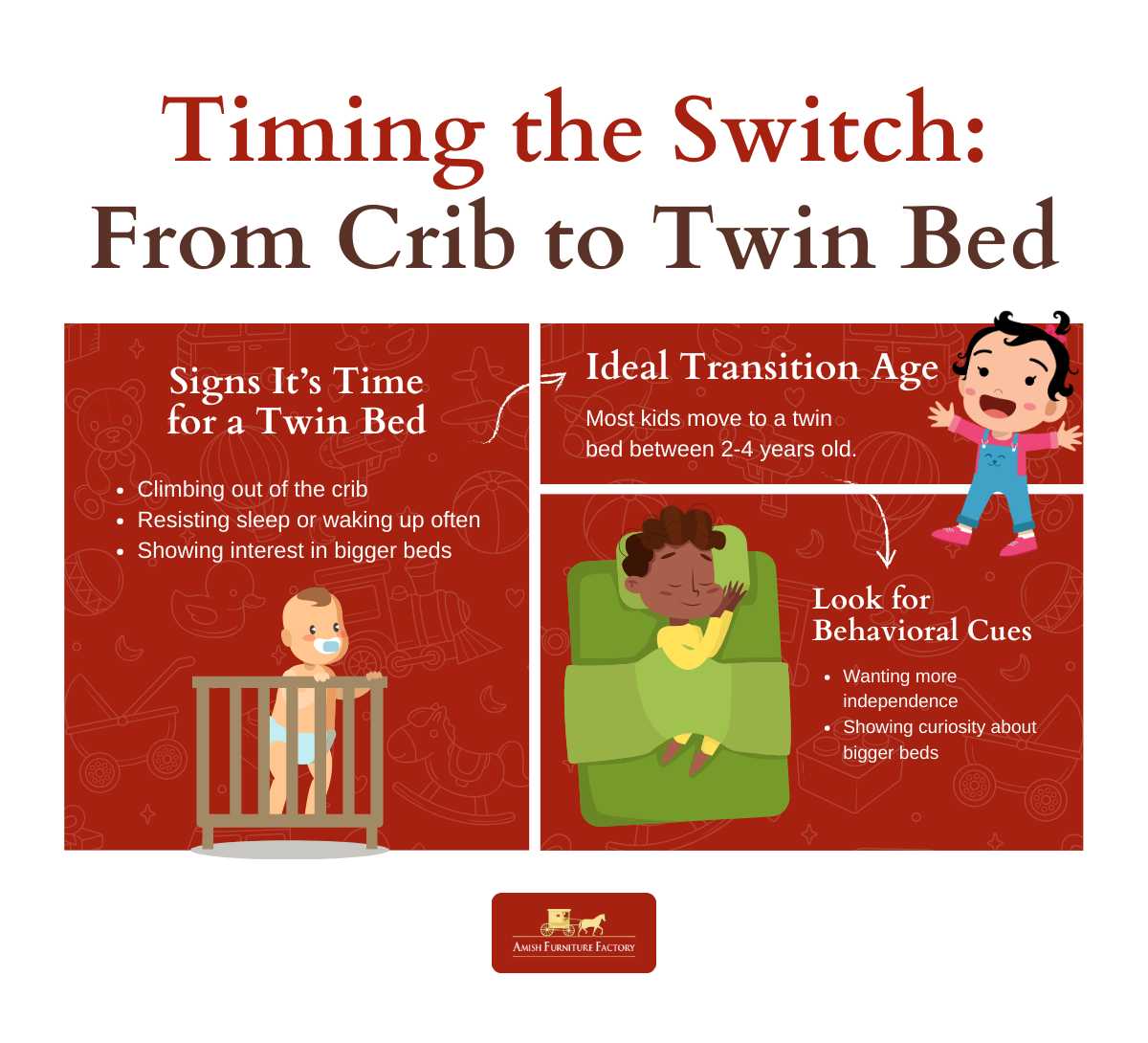
Most children move to a twin bed between 2 and 4 years old, but the right timing depends on their growth and sleep habits. If your child is climbing out of the crib, resisting sleep, or waking up frequently due to limited space, it may be time to make the switch. Experts also suggest looking for behavioral cues, such as showing interest in bigger beds or wanting more independence at bedtime. While some kids adjust easily, others may need reassurance, so making the transition at the right time can help prevent sleep disruptions.
Conclusion: The Right Twin Bed Makes All the Difference
Choosing the perfect twin bed isn’t just about size; it’s about comfort, safety, and a design that fits your child’s needs. From sturdy frames and smart storage to fun styles that spark imagination, the right bed can grow with them for years.
At the Amish Furniture Factory, we build twin beds meant to survive childhood. Whatever style fits your child’s room, look for the same thing we build into every frame: solid joinery, safe finishes, and a bed that’ll still be standing when they’re grown.
Frequently Asked Questions
How much weight can a typical twin bed frame support?
A standard twin bed frame can hold between 250 and 400 pounds, depending on the material and construction. Wooden frames and reinforced metal options generally offer higher weight capacity. Always check manufacturer guidelines for specific weight limits.
Are there twin beds suitable for small bedrooms?
Yes, many twin beds are designed to maximize space in small rooms. Bunk beds, loft beds, and trundle beds offer built-in storage or dual-purpose features. Platform beds with under-bed drawers are also great for compact spaces.
Can I use a twin bed frame with a memory foam mattress?
Yes, but make sure the bed frame size provides proper support for a memory foam mattress. A slatted frame with close-set slats or a solid platform base works best. Avoid widely spaced slats, as they can cause the mattress to sag over time.
What are the benefits of a trundle bed for kids?
A trundle bed is great for sleepovers, shared rooms, or extra storage. It provides a second sleeping space that tucks away neatly when not in use. Some designs come with storage drawers instead of a mattress, adding extra functionality.