

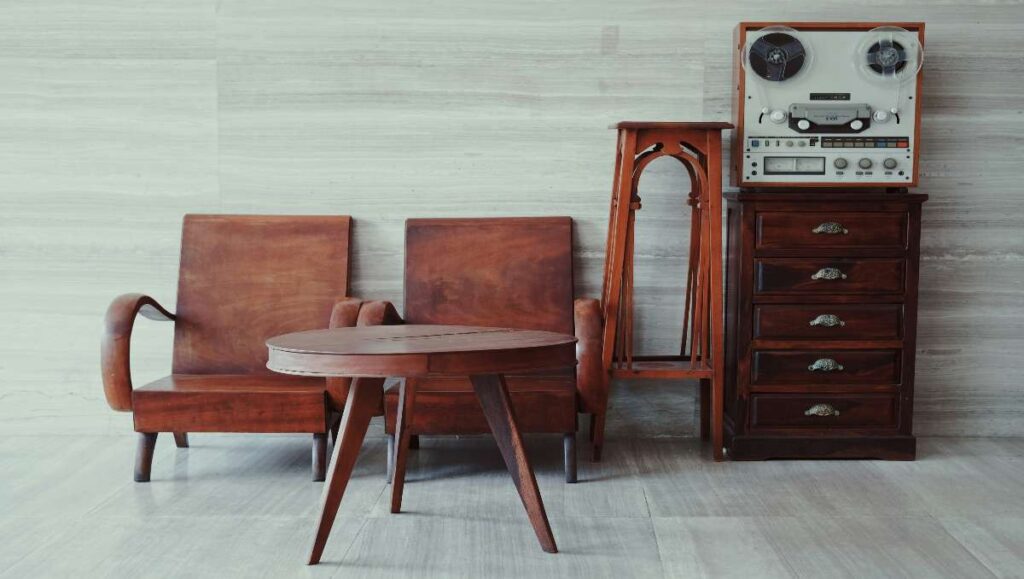
Most people picture Amish furniture and think “handmade, so it must be ethical.” The short answer is yes. Amish furniture is generally considered ethical because it’s handcrafted with traditional joinery, sustainably sourced hardwoods, and fair labor practices rooted in Amish community values. That doesn’t mean every builder or every piece is equal, though. Before you spend a few thousand dollars on a dining table, it helps to know what actually makes a piece ethical and what red flags mean you should walk away.
Key Takeaways:
- Amish furniture relies on family-owned, local workshops, uses solid domestic hardwoods, and produces durable pieces designed to last for generations.
- Amish craftsmen are known for their commitment to simplicity, quality, and sustainability.
- Most Amish furniture makers pay fair wages within their communities and avoid the outsourced, overseas labor common in mass-produced furniture.
What Is Considered Ethical Furniture?
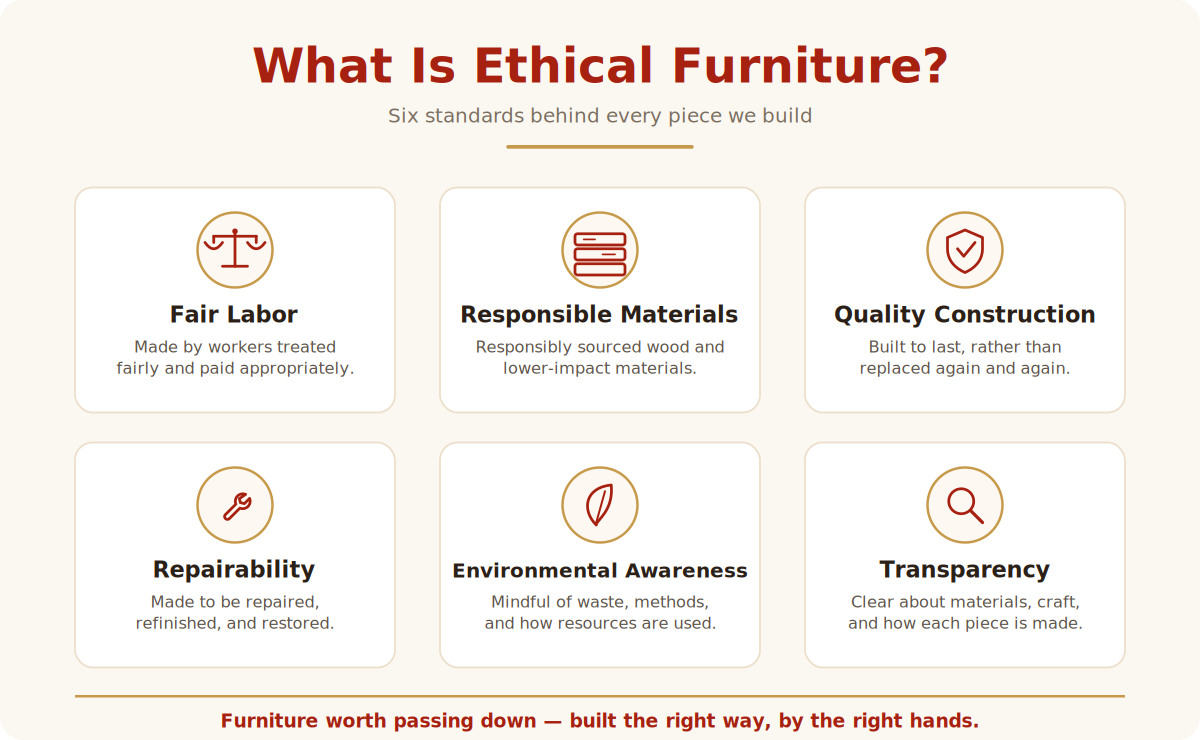
Ethical furniture is made with consideration for the people who create it, the materials used to build it, and the impact it has throughout its lifespan. This means looking at factors such as fair labor practices, responsibly sourced materials, environmentally conscious production methods, and whether the furniture is built to last rather than quickly replaced.
Durability is one of the biggest parts of ethical furniture because long-lasting pieces reduce the demand for constant replacement. According to the U.S. Environmental Protection Agency, Americans generated about 12.2 million tons of furniture and furnishings waste in 2018. Choosing well-made furniture from transparent manufacturers, whether Amish-made or otherwise, can help shift purchasing habits away from disposable products and toward pieces that offer better long-term value.
Understanding Amish Furniture Craftsmanship
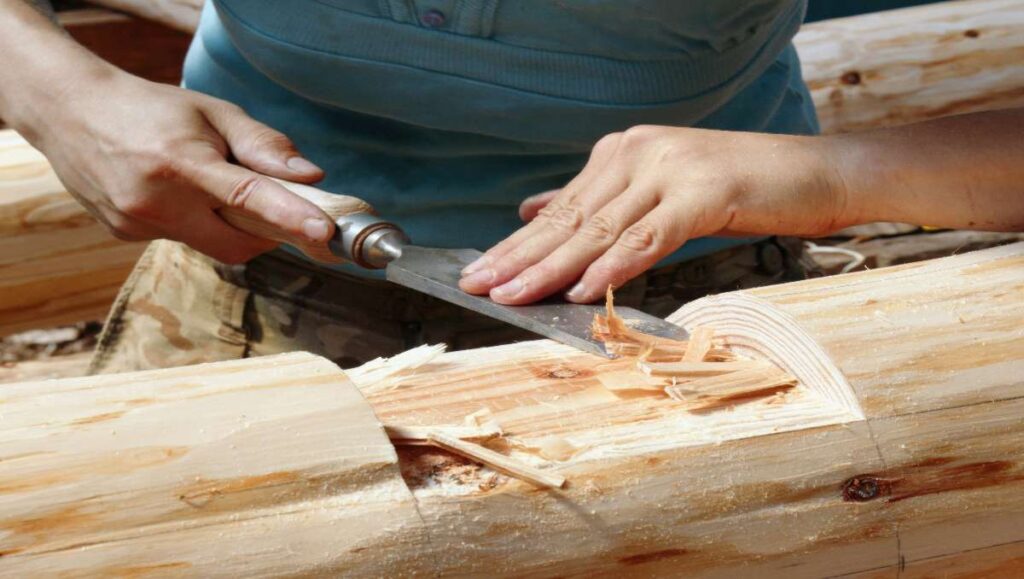
Amish furniture relies on traditional techniques like mortise-and-tenon joinery, hand sanding, and detailed finishing to build heirloom-quality solid wood pieces. This exceptional durability supports a more intentional approach to purchasing. Because these items can be easily repaired, refinished, and passed down rather than discarded, they offer a sustainable alternative to fast furniture.
Sourcing, Sustainability, and Environmental Impact
When sourcing materials, Amish craftsmen prioritize using locally sourced wood. They believe in supporting their local community and reducing the carbon footprint associated with transportation.
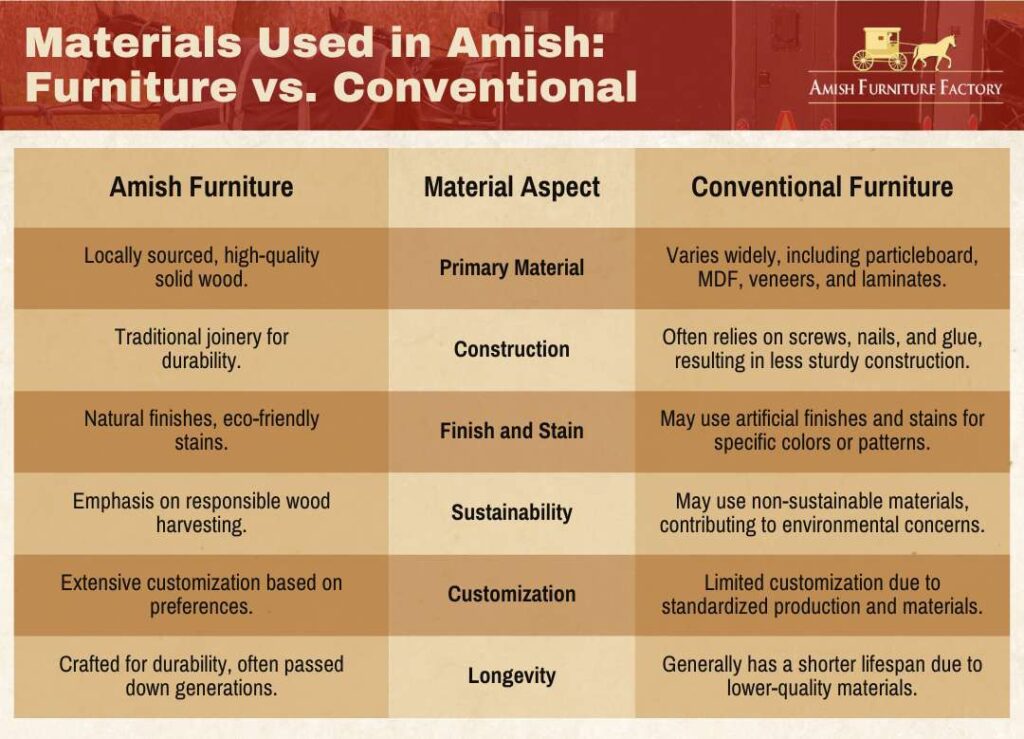
Amish furniture relies on solid hardwoods like oak, cherry, maple, and walnut instead of particleboard or veneers. This choice significantly extends the piece’s lifespan and reduces replacement frequency. However, true sustainability depends on more than just natural materials; responsible forest management, local harvesting, and low-VOC finishes dictate the actual environmental footprint. Because solid hardwood is only sustainable when harvested responsibly, asking about wood origins ensures your purchase aligns with eco-friendly habits that prioritize long-term durability over constant replacement.
Labor Practices and Fair Wages
Amish furniture is frequently seen as an ethical choice because small-scale, family-owned workshops pass traditional woodworking skills down through generations, emphasizing individual craftsmanship over high-volume assembly lines. Because fair wages and working conditions vary between individual workshops and retailers, buyers should never assume every “Amish-made” label automatically satisfies every ethical standard. Instead, look for brand transparency regarding who built the piece, where the workshop operates, and how the craftspeople are compensated.
Consumer Transparency and Traceability
True ethical purchasing requires full transparency about wood origins, maker identity, materials, and production methods. These factors are easier to verify when buying directly from a reputable Amish furniture store or workshop. At the same time, the generic “Amish” label does not guarantee complete traceability, as some mass-market retailers use terms like “Amish-inspired” for items featuring components built elsewhere. Ethical buyers can protect their investment by demanding clear, verifiable information about the specific workshop, construction methods, wood species, and finishing techniques used.
Certification and Standards
While Amish furniture is renowned for traditional craftsmanship and lasting construction, many traditional makers operate outside of formal certification programs despite practicing sustainable methods. Recognized standards like Forest Stewardship Council (FSC) certification verify that lumber comes from responsibly managed forests, offering concrete insight into material sourcing. Even without specific paperwork, a piece can still embody strong ethical values through exceptional durability, ease of repair, and transparent, high-skill production.
What to Consider When Buying Amish Furniture
While Amish furniture has many qualities that align with ethical buying, it is important to look at the full picture before making a decision.
Varying Practices Among Amish Communities
“Amish furniture” covers a wide range of workshops, makers, and retailers, so practices differ from one business to another. Some craftsmen follow traditional methods closely; others use modern equipment, outsourced components, or different production approaches. That doesn’t automatically make a piece unethical, but it’s why researching the specific maker matters more than relying on the Amish label alone.
Higher Price Point
One of the biggest considerations is the higher upfront cost compared with mass-produced alternatives. Solid hardwoods, skilled craftsmanship, and longer production times all add to the price, which can make these pieces a significant investment. That said, the cost often looks different when you factor in the furniture’s lifespan, repairability, and ability to stay in use for decades.
A higher price doesn’t automatically make a product more ethical, either. Look for genuine quality, transparent sourcing, and long-term value before you buy.
How to Buy Amish Furniture Ethically
Taking the time to ask the right questions can help ensure your furniture investment aligns with your values. Here are some tips:
- Verify workshop location: Look for sellers who can provide clear details about where the furniture was made and who crafted it.
- Ask about wood species and sourcing: Solid hardwoods, such as oak, maple, cherry, and walnut, are commonly valued for durability, but responsible sourcing practices are also important when considering the environmental impact.
- Request construction details: Ask about how the furniture is built, including joinery methods, hardware quality, and whether the piece is made from solid wood or includes engineered materials.
- Look for repair or refinishing support: Furniture that can be repaired, restored, or refinished is more likely to remain useful for many years. Ask whether the maker or retailer offers services that help extend the life of the piece instead of replacing it.
- Buy fewer pieces, but buy better pieces: Ethical furniture is about making more intentional choices. Investing in well-made pieces that you will use for years can reduce waste and create better long-term value.
Ready to see these standards in action? Browse our solid hardwood dining tables built by the workshops we source from directly.
The Bottom Line
So, is Amish furniture ethical? In most cases, yes, but not automatically. The craftsmanship, solid hardwoods, and family-run workshops behind most Amish furniture check the boxes that matter: fair labor, durable construction, and materials built to outlast trends. Where it gets murkier is the “Amish-style” imitations and workshops that don’t offer any transparency about sourcing or wages.
If you’re buying from a maker who can answer questions about where the wood comes from and how the piece was built, you’re likely making an ethical choice. At the Amish Furniture Factory, every piece comes from workshops we can trace back to a specific craftsman, which is exactly the kind of transparency this article has been arguing for all along.
Frequently Asked Questions
Is Amish furniture environmentally friendly?
Amish furniture can be considered more environmentally friendly because it is often made with durable solid wood, traditional craftsmanship, and construction methods designed to extend the product’s lifespan. However, sustainability depends on factors such as wood sourcing, finishes, and the specific maker’s practices.
Is Amish furniture low in VOC?
Some Amish furniture may have low-VOC finishes, but this is not guaranteed across all makers. Buyers should ask the manufacturer or retailer about the specific stains, sealants, and finishing products used.
How can I tell if a piece of Amish furniture is authentic?
To identify authentic Amish furniture, ask about the workshop location, the craftspeople involved, the materials used, and the construction methods. Be cautious of pieces labeled “Amish-style” or “Amish-inspired,” as these may not be made by Amish furniture makers.