
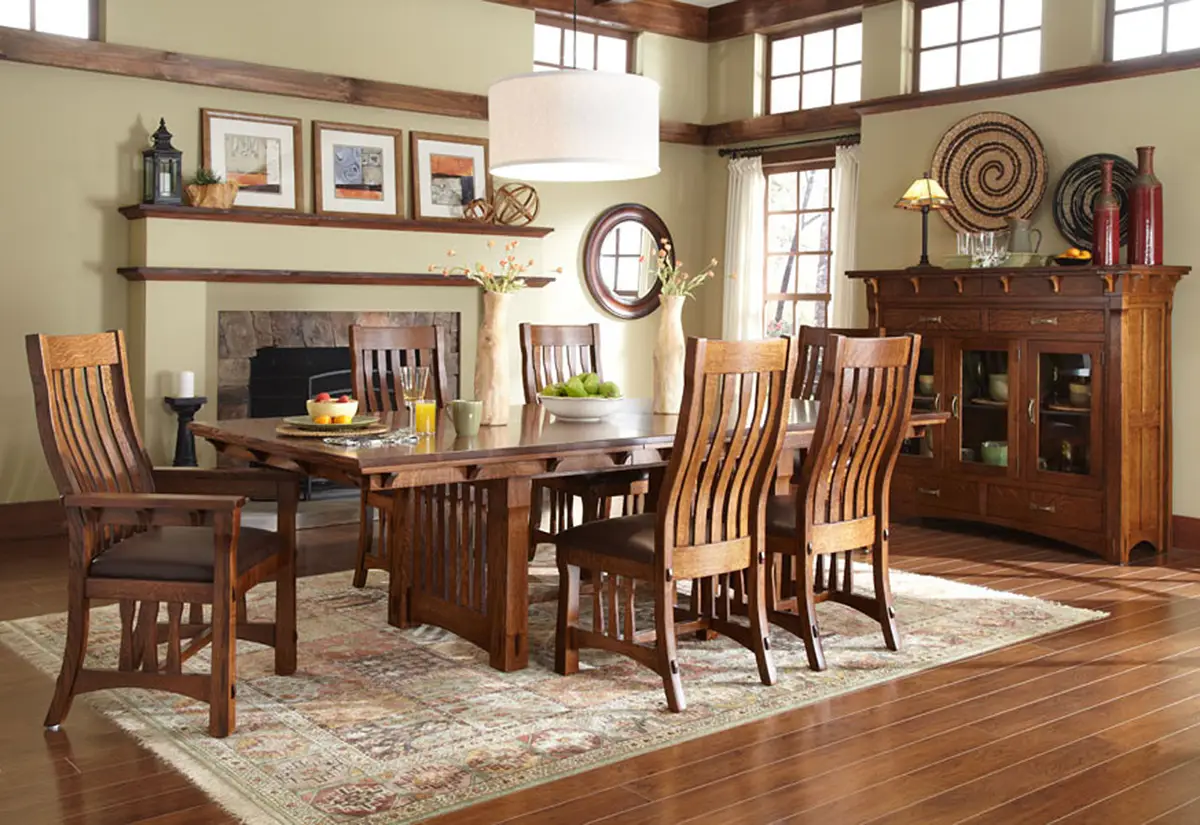
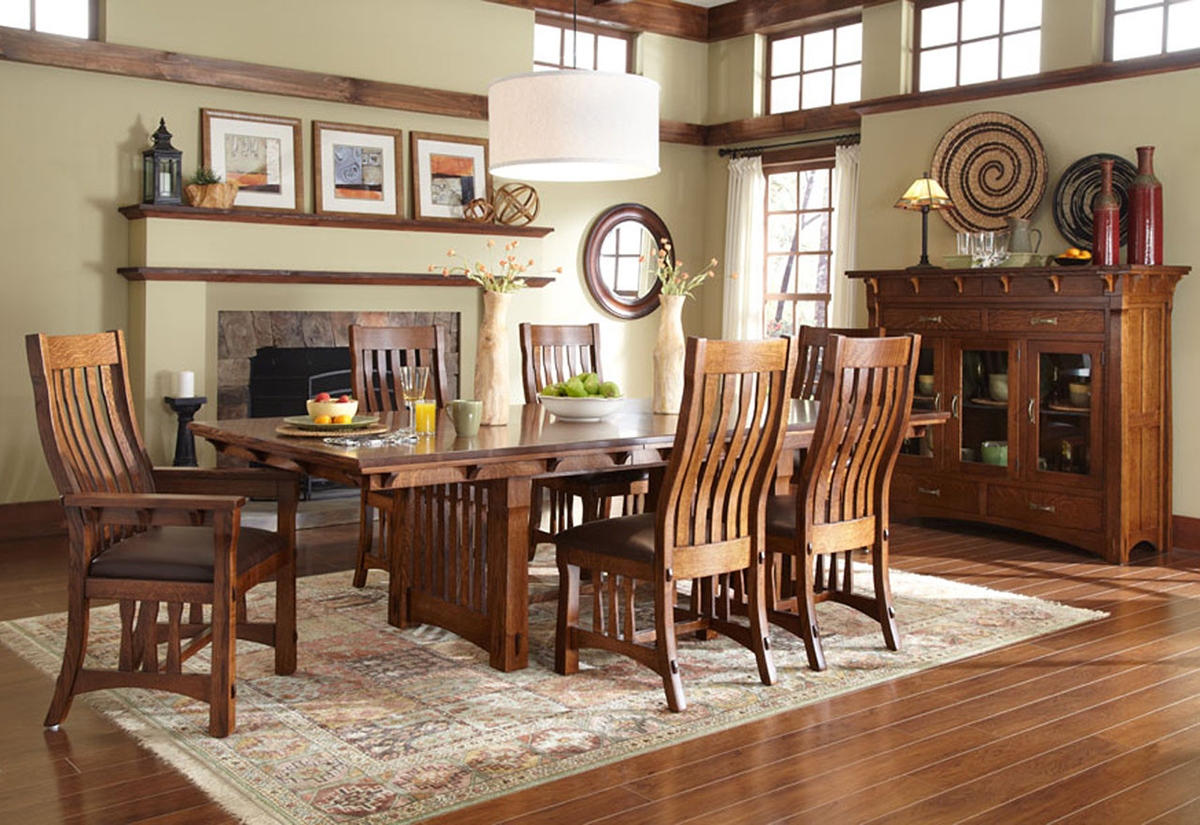
Amish furniture is expensive because it is typically built by skilled craftspeople using solid hardwood, traditional joinery, and a made-to-order process that takes far more time than factory production. The better question isn’t simply why it costs more, but whether the extra cost buys something meaningful.
Key Takeaways:- Amish furniture is known for its quality, craftsmanship, and commitment to traditional techniques.
- The higher price can be worthwhile if you value furniture that lasts for decades.
- Consider your budget, how long you plan to keep the piece, and whether durability and customization matter to you.
What Is Amish Furniture?
Amish furniture costs more because it is built by hand by skilled woodworkers using real, solid hardwoods like oak, cherry, and maple, rather than cheap particleboard or veneers. When most people picture it, they think of a heavy oak dining table, a cherry dresser, or a maple bed frame that feels noticeably sturdier than what’s sold in most chain stores.
What separates Amish furniture from most big-box furniture isn’t just where it’s made, but how. These pieces are often built in small workshops, assembled by hand, and made to order rather than pulled from a warehouse shelf. Buyers usually choose the wood species, stain color, hardware, and dimensions, which puts the finished piece closer to custom furniture than standard retail.
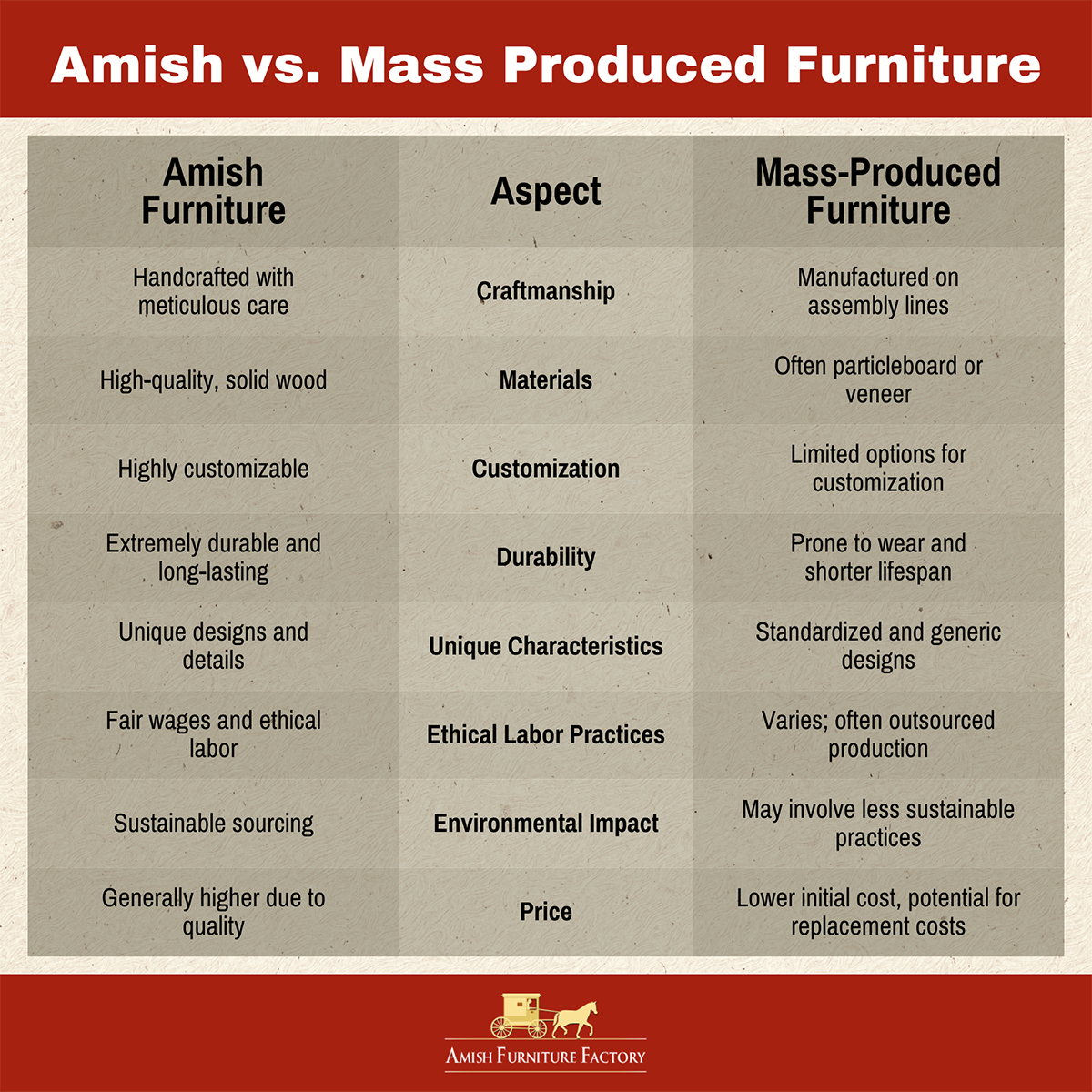
Why Is Amish Furniture So Expensive?
Understanding the costs is the easiest way to decide whether the higher price is simply expensive or genuinely valuable. Here’s what actually goes into that price tag.
1. Skilled Labor and Craftsmanship is Built Into the Price
A woodworker may spend hours selecting lumber, matching grain patterns, cutting joints, sanding surfaces, assembling the piece, and checking every detail before it leaves the shop. Those steps are difficult to automate without sacrificing quality, so the cost reflects real hands-on work rather than a largely machine-driven assembly process.
That craftsmanship is usually developed over many years, often through apprenticeships and family workshops where techniques are passed from one generation to the next. In many cases, buyers are paying not only for the finished furniture but also for the experience and precision of the person who built it.
2. Premium Materials Selection
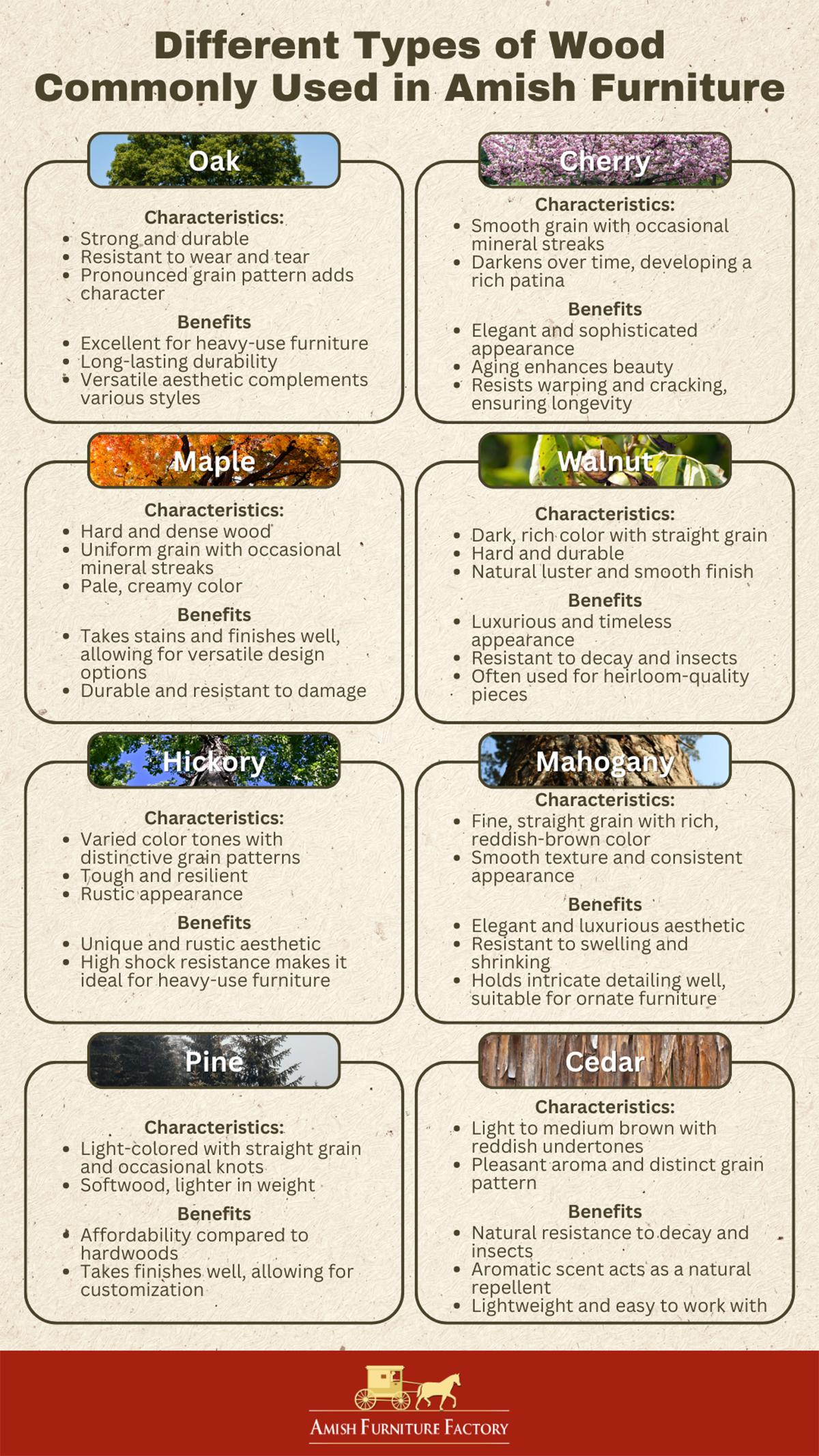
Amish makers start with the wood itself — hardwoods like oak, cherry, and maple, graded and matched for grain before a single cut is made. Because it’s real, solid wood, the grain and structural strength are part of what you’re paying for.
That quality shows up over time. Well-chosen, well-fitted wood is the reason a good piece can survive being moved into three different houses over thirty years and still feel solid.
3. The Joinery Difference Most Buyers Never See
Traditional joints such as dovetails, mortise-and-tenon joints, and tongue-and-groove construction take more time to cut and fit than screws, staples, or cam locks commonly used in mass-produced furniture. These joints are designed to hold wood together mechanically.
Because the construction is largely hidden inside drawers, table bases, and bed frames, two pieces can look similar on the showroom floor while being built very differently underneath. Better joinery reduces wobbling, loosening, and sagging over time, and it also makes repairs easier if a piece ever needs restoration.
Curious what solid joinery looks like in person? Take a closer look at our handcrafted dining tables built with traditional mortise-and-tenon construction.
4. Customization & Made-to-Order Value
Another reason Amish furniture costs more is that many pieces are built specifically for the customer rather than produced in large batches. Buyers can often choose the wood species, stain color, dimensions, edge profile, hardware, and other details, which means the workshop is creating a piece tailored to a particular home.
Made-to-order production also changes the economics behind the furniture. A workshop may build one table in a custom size instead of hundreds of identical tables, so the setup time, material selection, and finishing work are spread across a single order rather than a large production run.
5. Eco-Friendly Practices
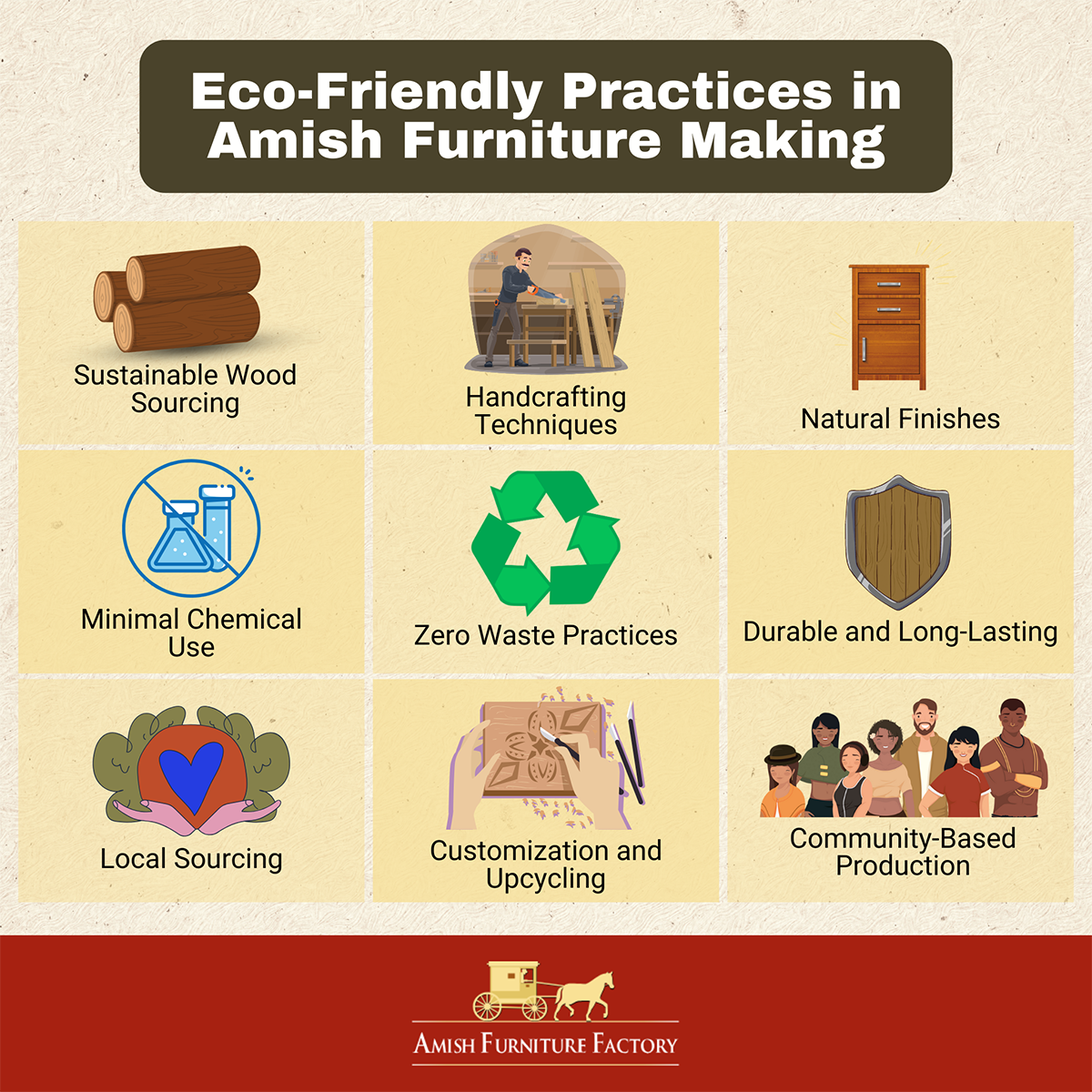
Amish furniture makers keep waste low. Sustainable sourcing, natural finishes, non-toxic materials, and careful use of every board mean very little ends up scrapped. It’s a quieter benefit than durability, but for buyers who care about where their furniture comes from, it’s a real part of the value.
6. Limited Production and Exclusivity
Amish furniture is made in small batches, not mass-production runs — and that’s a genuine cost driver, not just a talking point. A large factory spreads its costs across thousands of identical units. A small Amish shop spreads the same setup, material, and finishing time across just a few pieces, so each one carries more of the true cost of making it. It’s also why no two pieces are ever quite identical.
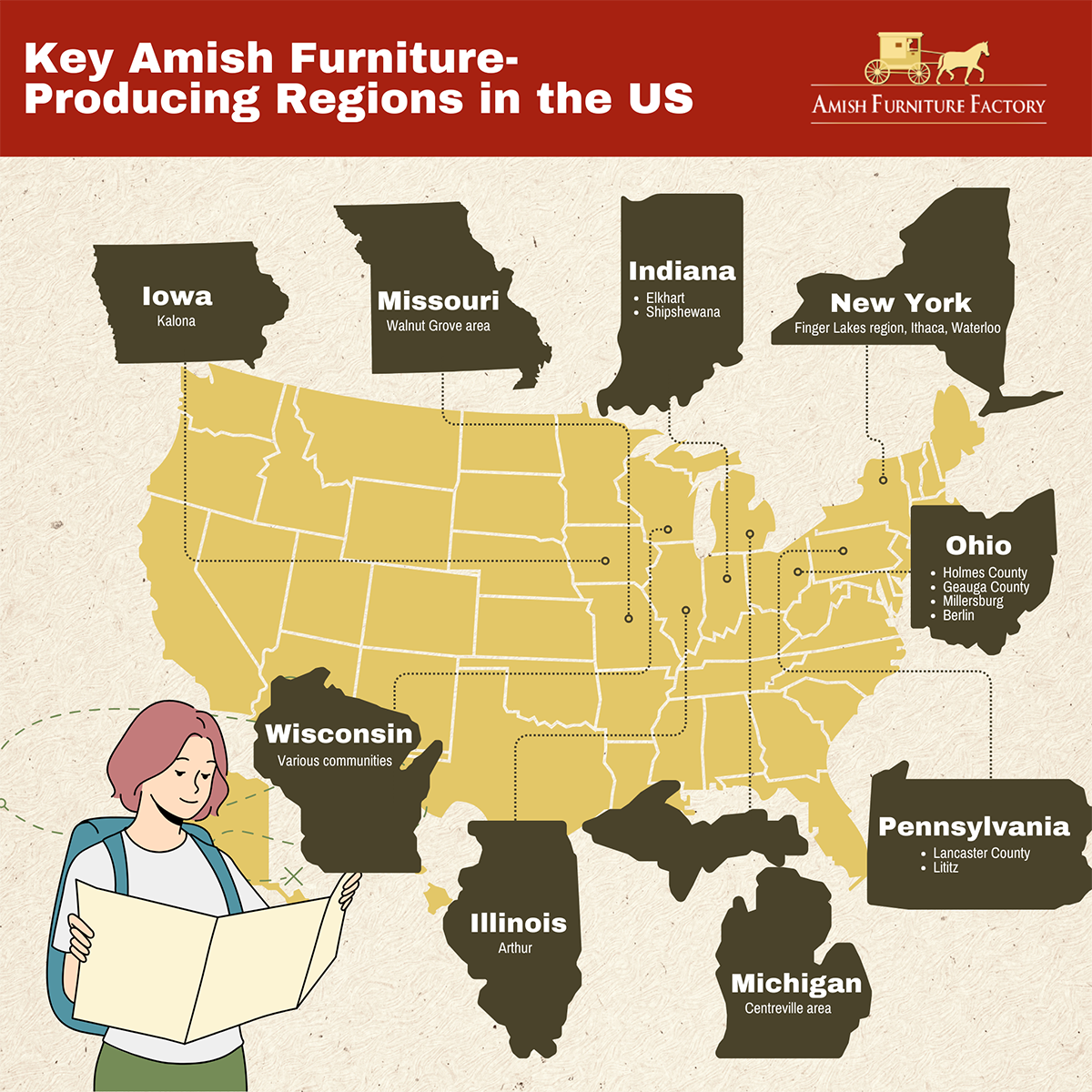
Below is a map showing the key areas in the country that sell quality Amish furniture:
How to Tell Genuine Amish Furniture from Amish-Style Imitations
Not everything labeled “Amish-style” comes from an Amish workshop. Some retailers borrow the look, like mission or shaker lines, a warm wood stain without the solid wood or joinery underneath. Here’s what actually separates the real thing from the imitation.
- Ask where it’s made. A legitimate seller can name the workshop or region — Lancaster County, Shipshewana, Sarasota — not just “handcrafted” as a vague catch-all.
- Check the wood, not just the finish. Solid hardwood shows grain that runs consistently through the piece. Veneer over particleboard often looks too uniform, or gives itself away with a visible seam at the edge.
- Look underneath. Flip a drawer over or check the table base. Real mortise-and-tenon joinery and dovetails should be visible. Staples, brackets, or cam locks mean the “Amish-style” label is doing more work than the construction.
- Compare the price to the process. A solid wood, hand-built piece takes weeks to make. If something claiming that pedigree is priced like a big-box store item, one of the two claims usually isn’t true.
Conclusion: Is Amish Furniture Actually Worth It?
For many homeowners, the answer is yes, especially when the piece will be used every day for many years. Amish furniture costs more because it is usually made from solid hardwood, built with stronger joinery, finished with greater care, and produced through a slower, more hands-on process. When you look beyond the sticker price and think in terms of durability, repairability, and decades of use, the value becomes much easier to understand.
If you’re weighing Amish furniture and want to compare wood species, styles, and customization in one place, Amish Furniture Factory is a good starting point. Taking the time to compare construction details and customization choices helps you decide whether a piece is not just expensive, but truly worth it for your home.
Frequently Asked Questions
How long does Amish furniture last?
Well-built Amish furniture often lasts 30 years or more, and many pieces remain in use for several generations. The exact lifespan depends on the wood species, construction quality, and how well the furniture is maintained.
Is Amish furniture a good investment for a first home?
It can be, especially if you plan to stay in the home for many years. Foundational pieces such as a dining table, bed frame, dresser, or desk usually provide the best long-term value because they are used daily and are less likely to go out of style quickly.
Can Amish furniture be repaired or refinished instead of replaced?
Yes. One of the biggest advantages of solid hardwood Amish furniture is that it can often be repaired, refinished, re-stained, or restored rather than thrown away. Scratches, worn finishes, loose joints, and damaged tops are commonly repairable by a furniture professional.
How long does it typically take to receive custom Amish furniture after placing an order?
Custom Amish furniture is usually made to order, so delivery is not immediate. A typical lead time is 8 to 16 weeks, although complex customizations, specialty woods, and busy production seasons can extend that timeline.
Does Amish furniture use any modern machinery or electricity during production?
Often, yes. Many Amish workshops use modern woodworking machinery powered by electricity, compressed air, hydraulic systems, or other approved power sources. The Amish are not all identical in their practices, and what they use depends on the specific Amish community and its rules.