
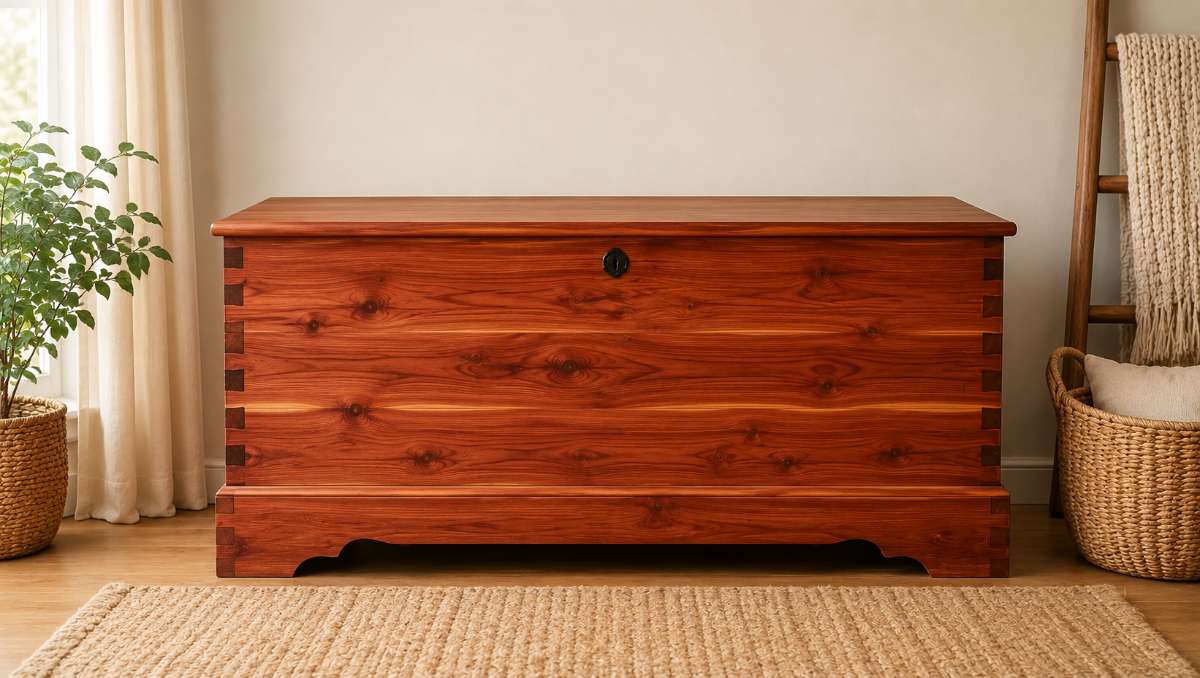
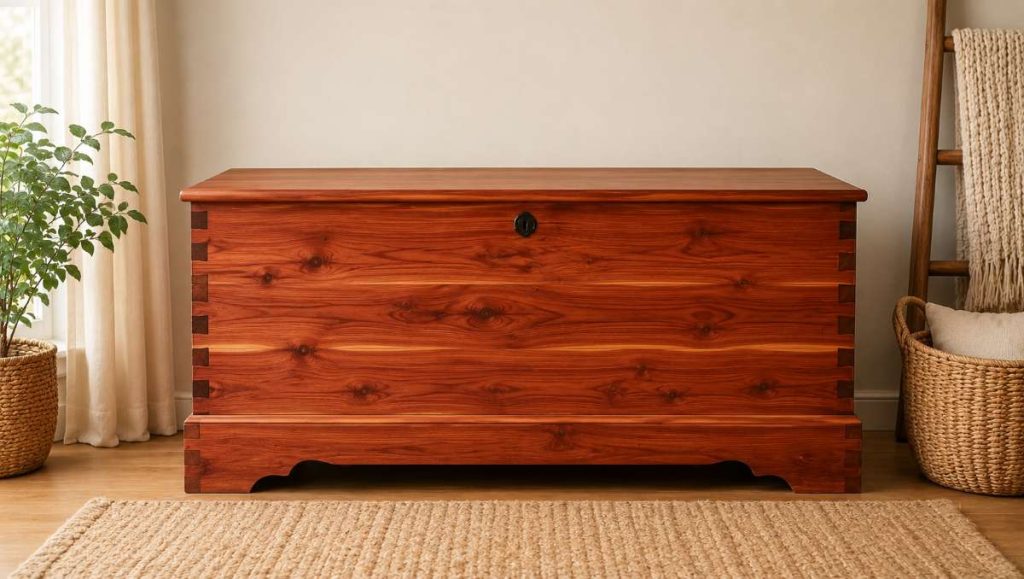
Amish cedar chests have long been treasured for their beauty, durability, and practical function. Whether passed down through generations or purchased from a skilled craftsman, these pieces often hold both sentimental and financial value. Understanding your cedar chest value requires more than a quick online search. Factors such as age, craftsmanship, wood quality, condition, and provenance all play an important role in determining what your chest may be worth.
Key Takeaways:
- Most authentic Amish cedar chests sell between $400 and $3,500, although rare documented antiques may exceed $10,000.
- The most important factors affecting value include authenticity, wood species, quality, provenance, and overall preservation.
- Preserving original craftsmanship through proper care, climate control, and minimal restoration can help maintain the value of an Amish cedar chest.
This guide explores the factors that influence value, how to appraise a chest accurately, and what steps you can take to preserve its worth for years to come.
What Is an Authentic Amish Cedar Chest and How Much Is It Worth?
An authentic Amish cedar chest is a handcrafted storage piece built by Amish artisans using traditional woodworking techniques that prioritize durability, functionality, and fine craftsmanship. Unlike mass-produced furniture, these chests are typically made in small workshops, with each piece carefully constructed by hand using solid wood and often a cedar-lined interior. Many Amish cedar chests are also connected to the long-standing tradition of the Amish hope chest, historically given to young women before marriage as a symbol of family heritage.
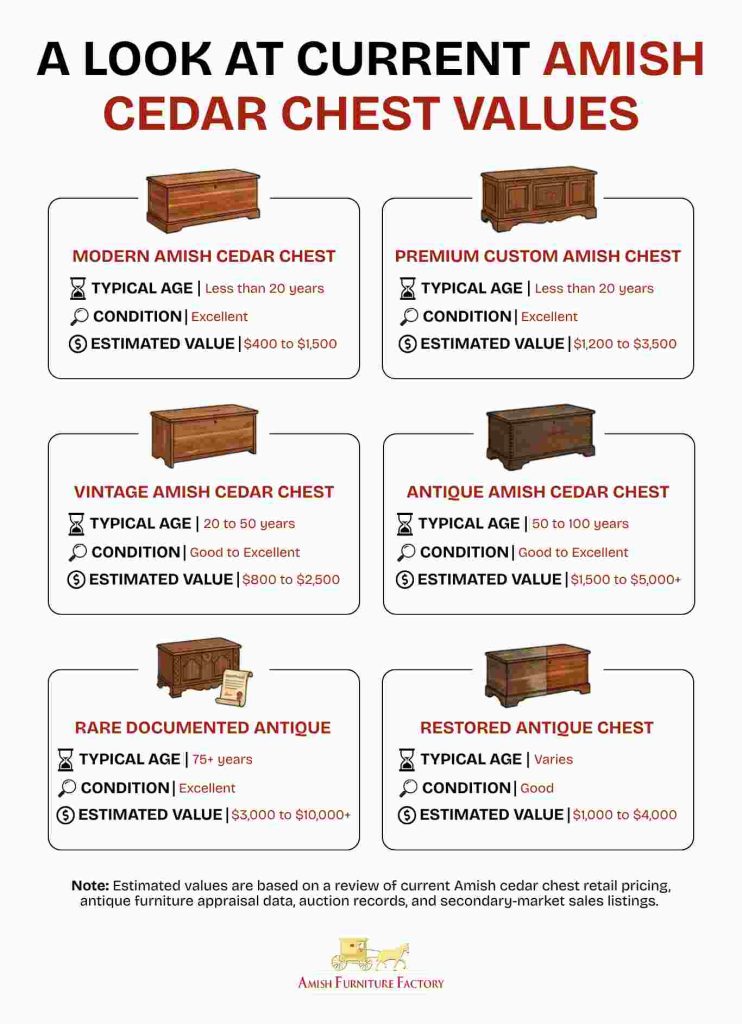
The value of an Amish cedar chest varies widely based on factors such as age, condition, materials, craftsmanship, and historical significance. Well-maintained modern pieces often sell for several hundred dollars, while rare antique chests with documented provenance can command several thousand dollars in the collector market. Custom-built examples crafted from premium hardwoods and featuring exceptional joinery generally occupy the higher end of the value spectrum.
The table below provides a general overview of estimated Amish cedar chest values across different categories.
Key Factors That Determine Amish Cedar Chest Value
No two Amish cedar chests are valued exactly the same. Understanding these factors can help homeowners make a more accurate assessment of their chest’s market value.
Age, Condition, and Provenance
Age is often one of the first factors buyers and appraisers consider. However, older does not automatically mean more valuable. A well-preserved antique Amish cedar chest from the 1920s may command a premium because of its rarity and historical significance, but a poorly maintained antique with damage may be worth less than a high-end custom, modern piece.
Condition plays a major role in determining value. Original finishes, intact hardware, and minimal structural repairs generally increase desirability. Provenance can also elevate value significantly. Documentation that verifies the chest’s maker, ownership history, or connection to a specific Amish community often makes the piece more attractive to collectors.
Wood Species and Material Quality
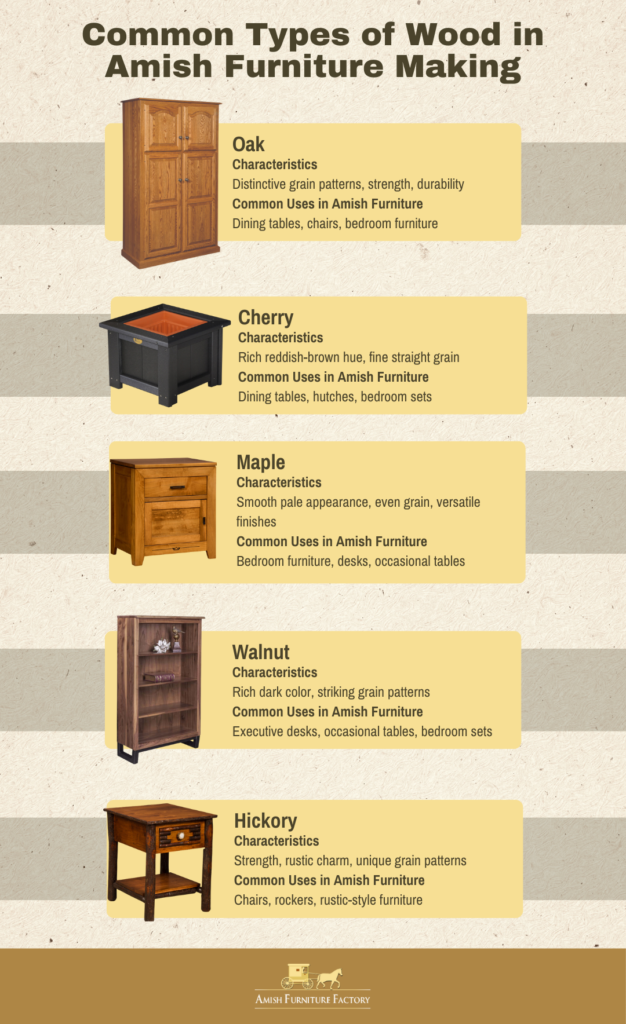
While the interior is traditionally aromatic red cedar, the exterior casing varies considerably. Some chests are built using relatively common hardwoods, while others feature premium species known for their durability, beauty, and scarcity. Wood grain quality, board selection, and the overall consistency of the wood also contribute to a chest’s desirability among buyers.
The reference table below highlights how different wood species and material qualities can affect an Amish cedar chest’s desirability and rarity.
Craftsmanship, Joinery, and Construction Style
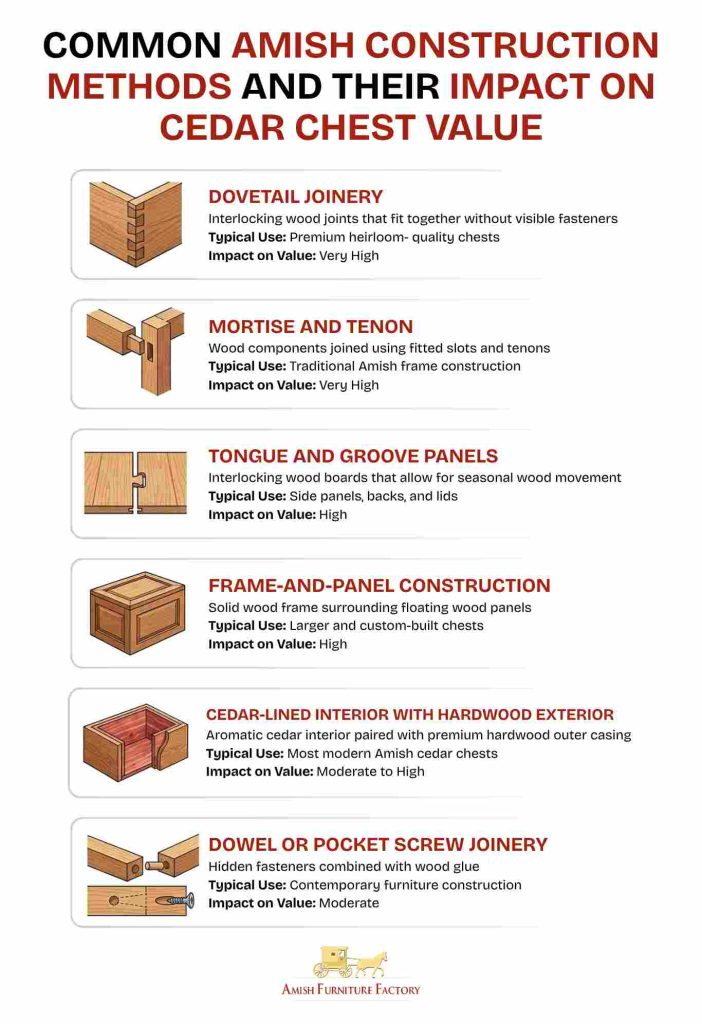
Amish furniture is widely respected for its exceptional craftsmanship. Amish builders typically focus on precision woodworking methods that prioritize strength and longevity. Wood joints are one of the clearest indicators of quality. Dovetail joints, mortise-and-tenon construction, and other traditional joinery are generally valued more highly than pieces assembled primarily with staples or fasteners. Construction style also matters. Certain designs tend to maintain stronger market demand because of their timeless appeal and proven durability.
The table below highlights common Amish construction styles and how they are typically viewed in the marketplace.
Size and Decorative Features
Size can significantly affect value. Larger chests often require more material and labor, which can increase both their original retail price and resale value. Decorative features can also influence pricing. Hand-carved details, inlaid wood patterns, custom aluminum hardware, curved lids, and personalized engravings often make a chest more distinctive.
How to Appraise an Amish Cedar Chest
Accurately appraising an Amish cedar chest starts with gathering as much information as possible about the piece. Its authenticity, materials, condition, and current market demand all contribute to its overall value.
Verify Authenticity and Identify the Materials
Begin by confirming the chest’s authenticity. Look for maker’s marks, workshop labels, receipts, or other documentation that helps establish its origin and age. Authentic Amish cedar chests are typically handcrafted using traditional joinery techniques, with features such as hand-finished surfaces and cedar-lined interiors that reflect traditional craftsmanship.
Next, identify the exterior wood species, as the type of hardwood significantly influences collectibility and market appeal. Also examine the grain quality, board consistency, and whether the chest is constructed from solid hardwood or veneer, since these characteristics can affect long-term value.
Evaluate the Chest’s Condition
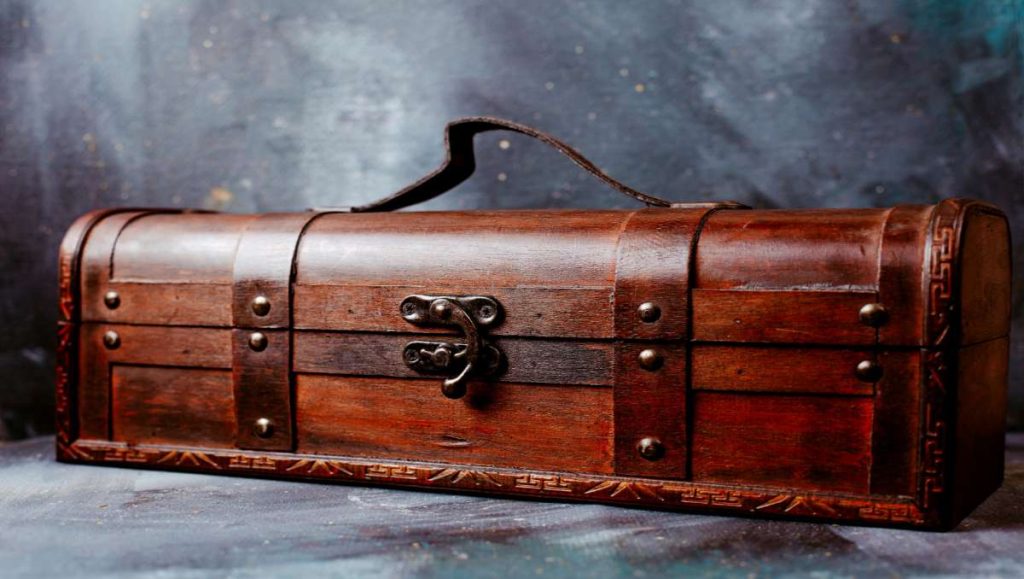
Carefully inspect the chest’s overall condition, including the finish, structural integrity, hinges, lock hardware, and cedar-lined interior. Original, well-preserved finishes generally command higher values than heavily refinished or altered surfaces. Signs of quality craftsmanship and minimal structural damage can also increase the appraisal.
Research Current Market Value
Compare your cedar chest with similar pieces that have recently sold through antique dealers, auction houses, estate sales, and reputable online marketplaces. Focus on chests with comparable age, wood species, craftsmanship, size, and condition to establish a realistic estimate of its current market value.
Obtain a Professional Appraisal When Needed
If the cedar chest is antique, rare, or part of an estate, consider hiring a certified furniture or antique appraiser. A professional appraisal provides a documented valuation that is particularly useful for insurance coverage, estate planning, tax purposes, or resale.
Know Where to Sell an Amish Cedar Chest
Once appraised, Amish cedar chests can be sold through several channels depending on your goals. Local antique dealers and consignment shops offer convenience and quicker sales, while online marketplaces such as eBay, Etsy, or specialty vintage furniture platforms can reach a wider audience and potentially higher prices. For rare or antique pieces, auction houses or estate sale services may be the best option.
How to Restore and Maintain Your Chest’s Value
Proper care and maintenance can help preserve both the beauty and market value of an Amish cedar chest.
- Revive the cedar scent by lightly sanding exposed unfinished interior cedar surfaces with fine-grit sandpaper. This helps release the natural cedar aroma that may fade over time.
- To clean a cedar chest, wipe wood surfaces with a soft cloth and a wood-safe cleaner. Avoid harsh chemicals that can damage finishes or strip protective coatings.
- Maintain stable humidity levels whenever possible. Excessive moisture can cause wood movement, while extremely dry conditions may lead to cracking.
- Keep the chest away from direct sunlight. Prolonged UV exposure can fade finishes and alter the wood’s natural color.
- Preserve original finishes whenever possible. Common mistakes that can reduce value include over-sanding or aggressively refinishing the surface, which can remove original character and lower collector appeal.
- Document repairs and restoration work. Maintaining records can be helpful for future appraisals and resale transactions.
Final Thoughts: Are Amish Cedar Chests a Good Investment?
Amish cedar chests combine lasting craftsmanship with practical function, making them valuable heirlooms that often retain their worth over time. While not a traditional investment, well-preserved pieces with strong authenticity, craftsmanship, condition, and provenance typically command higher resale values than mass-produced alternatives. With proper care, a quality Amish cedar chest can remain both a functional storage piece and a cherished asset for generations.
Looking for a new handcrafted cedar chest? Bring that classic value into your own home by investing in the Heritage Cedar Chest today.
Frequently Asked Questions
How can you tell if a cedar chest is antique?
Look for indicators such as maker’s labels, original hardware, traditional joinery methods, documented ownership history, and signs of age consistent with the chest’s construction period. Antique furniture appraisers can also help verify authenticity and approximate age.
How do I find out how much my Lane cedar chest is worth?
Start by identifying the model number, serial number, and production date. Then compare recent sales of similar Lane cedar chests through online marketplaces, antique dealers, and auction records. For rare or exceptionally valuable examples, consider obtaining a professional appraisal.
Does refinishing an Amish cedar chest increase or decrease its value?
It depends on the chest. Light restoration and proper maintenance can improve marketability. However, extensive refinishing may reduce value for collectors if it removes an original finish that contributes to the piece’s historical authenticity.
Are cedar-lined chests worth as much as solid cedar Amish chests?
Not typically. While cedar-lined chests offer many of the same storage chest benefits, solid cedar Amish chests often command higher values because of their material quality, craftsmanship, and overall construction.