
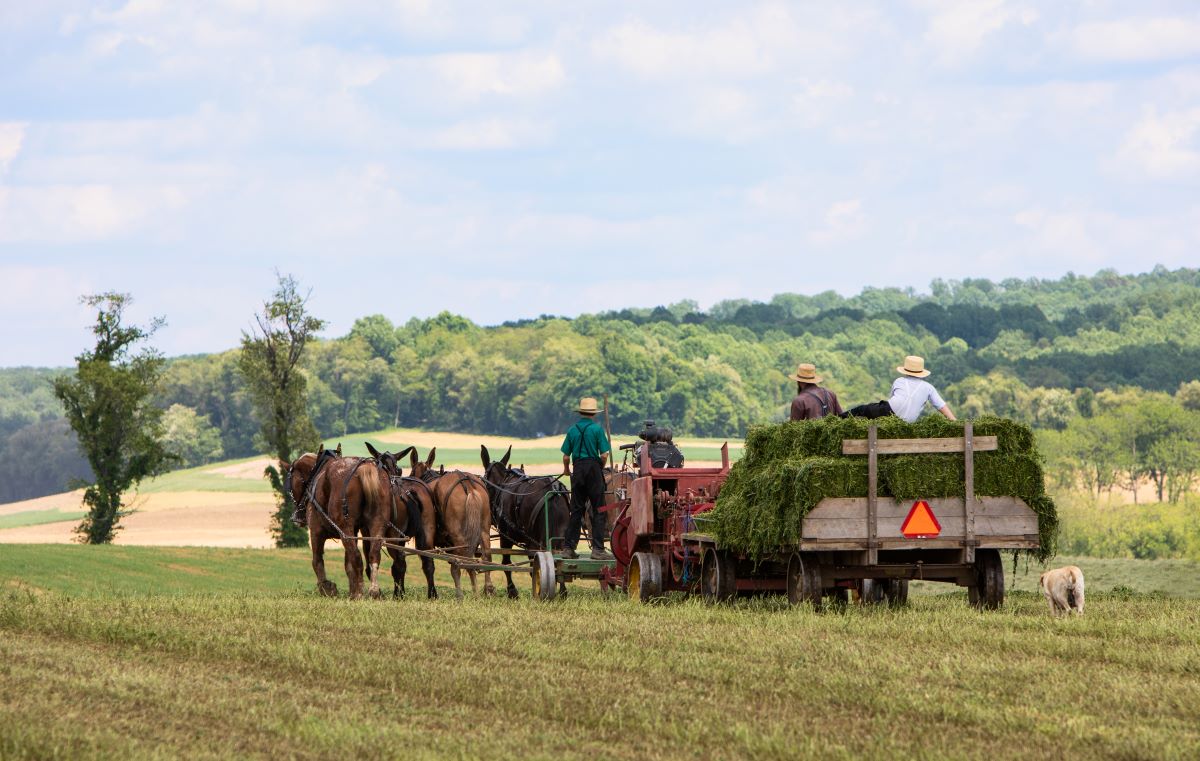
The Amish are often held up as an example of what sustainable living actually looks like. Their communities manage to thrive with minimal waste and a pace of living that feels increasingly rare in a fast-moving world. From the way they grow their food using time-tested Amish farming practices to how they share resources, their lifestyle offers a practical blueprint for long-term ecological balance. Understanding what makes the Amish culture so sustainable is a chance to reimagine what intentional living can look like in the modern age.
Key Takeaways:
- The Amish culture is sustainable due to its commitment to a self-sufficient lifestyle, based on beliefs and faith in God and respect for the environment.
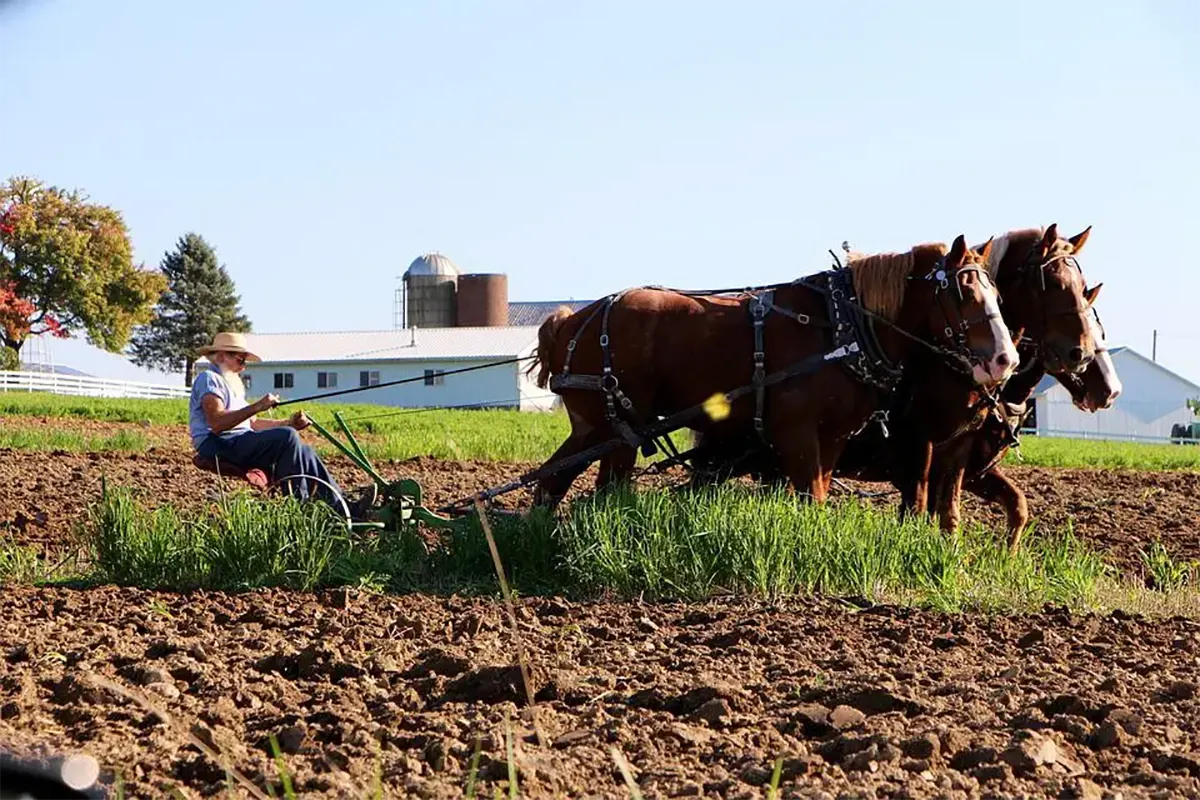
- The Amish farming practices are traditional, relying on horses and hand tools instead of modern machinery.
- They avoid modern conveniences, reduce waste naturally, limit technology, and share resources within the community.
In this article, we will explore the sustainable practices of the Amish culture and understand how the Amish way can provide a model for sustainable living for the wider society or the rest of the non-Amish world.
The Amish Sustainability Mindset: Core Beliefs That Shape Daily Life
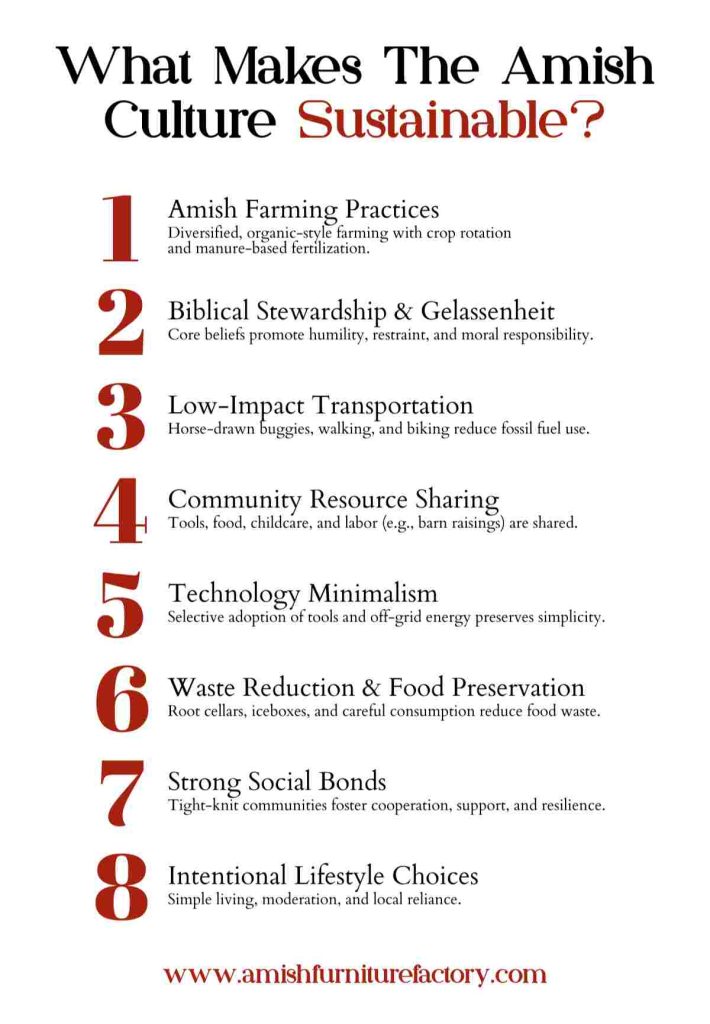
At the heart of Amish sustainability is a worldview anchored in biblical stewardship—the belief that humans are caretakers, not owners, of the earth. Many Amish draw from passages like Genesis 2:15, which describes humanity’s role as to “work and keep” the land, shaping a lifelong commitment to creation care.
Equally foundational is Gelassenheit, a German term roughly translated as “yieldedness” or “letting be.” It encourages humility, restraint, and community over individual excess. This mindset naturally extends to consumption habits: owning less, repairing what breaks, and avoiding technologies that create dependency or invite wasteful convenience. Many Amish leaders teach that excess can distract from faith and community, making the moral dimension of resource use a daily consideration.
The Amish Farming Practices and Agriculture
Every Amish man relies on small-scale and traditional farming methods prioritizing sustainability and soil conservation. An Amish farm is typically less than 100 acres and often works by hand or with horse-drawn equipment.
One of the critical elements of Amish farming is their commitment to sustainable agriculture, which aims to preserve the land for future generations. They have developed a way of farming that respects the environment and ensures the long-term viability of the land by avoiding modern farming practices that rely on synthetic inputs and heavy machinery. While some would consider their approach “organic farming,” it’s generally better to stick to the “sustainable” term.
Here are some sustainable farming practices that many Amish groups still use today:

The Amish Framework for Sustainable Energy Use
The Amish practice a form of technology minimalism where they don’t reject machines outright, but limit how and when they use them. According to Amish‑Studies research, they selectively permit tools powered by 12-volt batteries or hydraulic/pneumatic systems, while shunning high-voltage electricity from the public grid. This rules‑based adoption comes through their Ordnung (church rules), which channels innovation only if it aligns with their values of humility and community.
The Amish also use wood stoves or other forms of non-electric appliances, such as hand-cranked washing machines, to perform daily tasks. They often rely on their community for sharing resources. For example, they may share a phone line or a generator to power essential equipment. Instead of high-consumption devices, they rely on off-grid alternative energy (like battery- or diesel‑charged systems) for occasional needs like powering shop tools or lighting.
Low-Impact Mobility and Sustainable Transportation
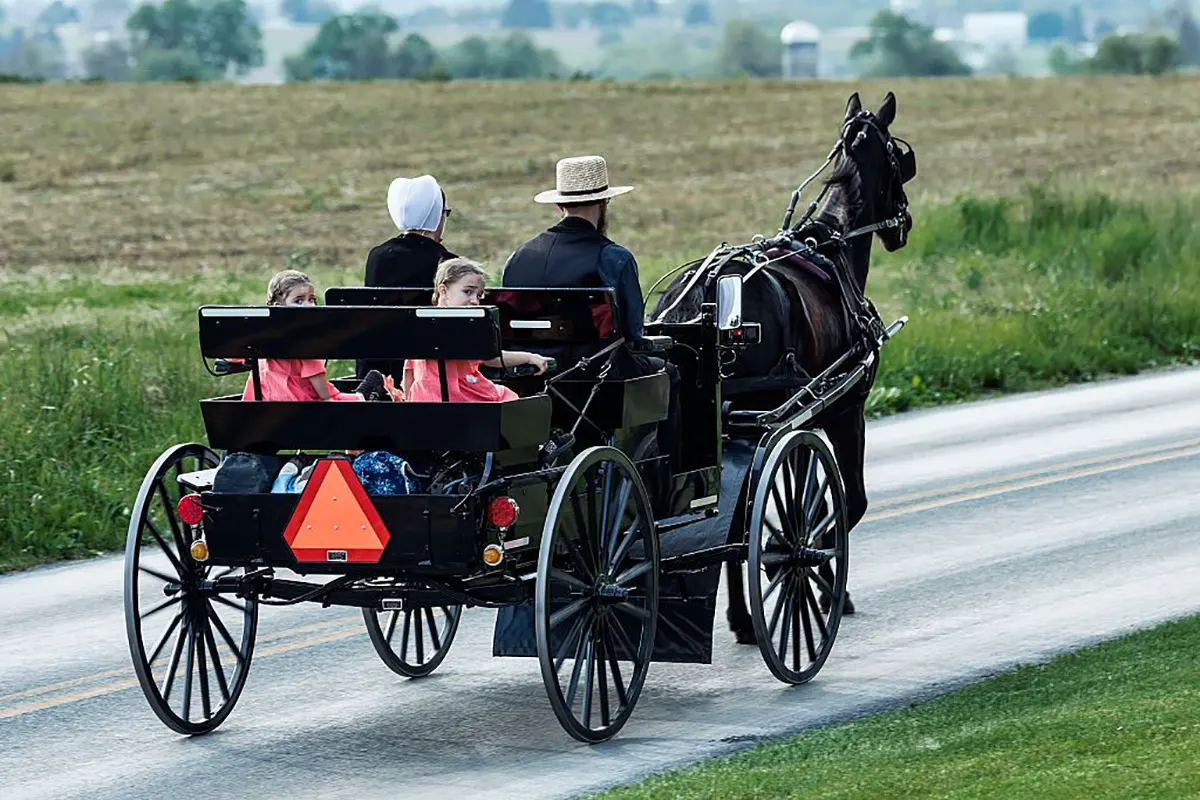
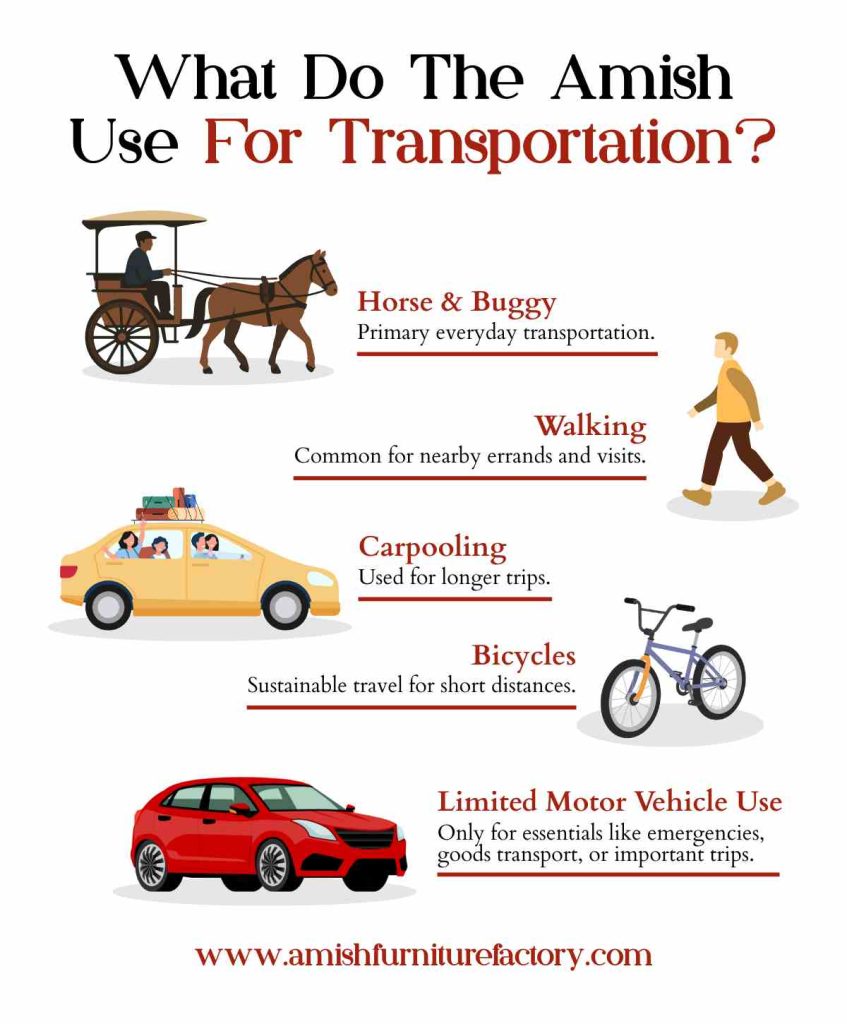
The Amish approach to transportation is one of the clearest examples of low-impact living in practice. Horse-drawn buggies remain the primary mode of travel in many settlements, drastically reducing fossil fuel use and the environmental footprint associated with cars. According to a report, Amish households typically consume less energy than the average American home, with limited automobile use being a major factor in that difference.
Daily mobility also centers on walking, biking, and shared transportation, all of which keep emissions extremely low. In several Old Order communities in Ohio and Pennsylvania, there is a widespread use of rugged bicycles for commuting. In short, their transportation system is intentionally minimalist, environmentally sound, and deeply rooted in their cultural principles.
Waste Reduction: How Amish Communities Reuse, Repair, and Repurpose
The Amish value frugality and avoid waste by repairing and reusing items rather than throwing them away. They reduce their environmental impact and promote a sustainable way of life by composting, recycling, minimizing packaging waste, reusing and repurposing items, and setting up community recycling centers.
Many Amish people also practice recycling, separating materials like glass, metal, and paper to be recycled rather than thrown away. They are known for resourcefulness and often find creative ways to reuse and repurpose items. Some Amish settlements, especially those in Lancaster County in Pennsylvania, have set up recycling centers where they can bring their recyclable materials and sort them for proper disposal.
The Amish Way of Sharing Resources Within the Community
The Amish embrace community as a cornerstone of their sustainable lifestyle, regularly sharing resources to reduce waste and avoid unnecessary consumption. Tools, equipment, and even tractors are often borrowed among neighbors instead of purchased individually. One of the most iconic examples is the tradition of barn raising, where the entire community comes together to build a new structure for a family. This practice not only conserves resources but also strengthens social bonds.
Sharing extends beyond material goods to food and childcare. Surplus vegetables are often distributed to neighbors rather than discarded, while childcare responsibilities are frequently rotated among families. Through these practices, the Amish demonstrate a form of sustainability that is both practical and values-driven.
What the Modern World Can Learn From the Amish
The Amish way of life offers more than quaint traditions—it’s a living blueprint for sustainable, intentional living.
1. Embrace simplicity over excess.
The Amish prioritize what is necessary and meaningful, rejecting the lure of constant consumption. For the modern world, this translates into mindful spending, decluttering, and choosing quality over quantity.
2. Foster strong community connections.

Community is at the heart of Amish life, from shared meals to collective work like barn raising. Modern society often fragments social ties, leaving individuals isolated. Learning from the Amish, people can invest time in local relationships, neighborhood support networks, or cooperative projects, enhancing resilience and a sense of belonging.
3. Make technology work for you, not the other way around.
Amish technology minimalism isn’t about rejecting progress; it’s about selective use. They adopt tools only when it serves their values of sustainability and simplicity. The modern world can learn to set boundaries with screens, ensuring that technology enhances life rather than dominating it.
4. Live with environmental mindfulness.
From Amish farming practices to energy use and transportation, their daily habits are inherently eco-conscious. Modern society can adopt similar principles: prioritize local food, reduce waste, conserve energy, and choose low-impact travel.

Discover the beauty and lasting quality of sustainable furniture crafted with Amish tradition—shop our collection today.
Final Reflections on Amish Sustainability
The Amish offer a compelling example of how a culture can thrive while living lightly on the earth. Through intentional simplicity, careful resource use, and strong community bonds, they demonstrate that sustainability is not just about technology or regulations; it is a way of life rooted in values, ethics, and shared responsibility.
Whether it’s through Amish farming practices, low-impact transportation, or selective technology use, their lifestyle offers lessons for anyone seeking balance, resilience, and harmony with the environment.
Frequently Asked Questions (FAQs)
Which is the most popular type of farm for the Amish?
Most Amish farms are small- to medium-sized, family-run operations focusing on dairy, poultry, and vegetable production. Diversified farms that combine crops and livestock are especially common, as this approach supports soil health.
How do the Amish keep food cold without electricity?
The Amish often rely on iceboxes, root cellars, and spring houses to preserve food. In some communities, propane or kerosene-powered refrigerators are used sparingly.
How do the Amish buy land?
Land is typically purchased within the community or from other Amish families to keep farms consolidated. Many Amish save collectively or rely on intergenerational transfers of property, ensuring that farmland stays in active agricultural use and maintains community continuity.
What are the biggest challenges currently facing Amish communities?
Amish communities face challenges such as soil depletion from repeated farming, invasive species, and limited access to sustainable energy solutions beyond small-scale solar or biofuels.
Is the Amish population growing or shrinking?
The Amish population is growing, largely due to high birth rates and strong retention of youth within the faith. Estimates suggest the population doubles roughly every 20–25 years, with new settlements emerging to accommodate this growth while preserving their sustainable lifestyle.