
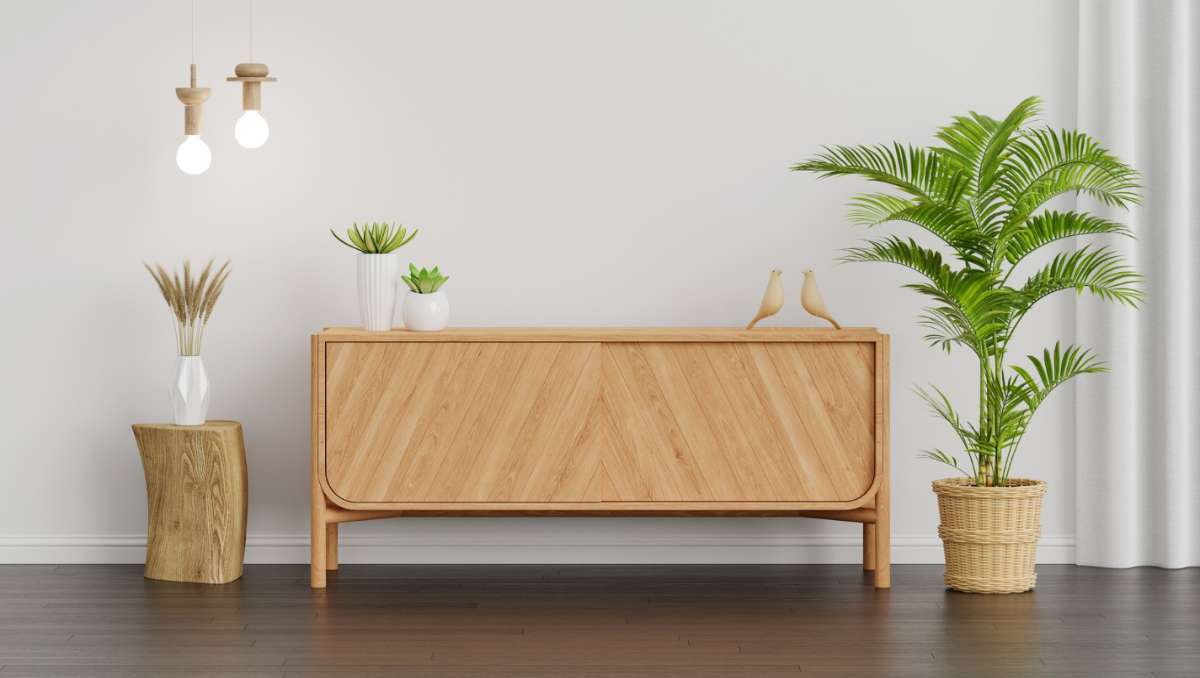
A sideboard is one of those timeless furniture pieces that quietly blends style and function. But what is a sideboard, exactly? Is it simply a decorative cabinet, or does it serve a more practical role in the home? Traditionally found in dining rooms, a sideboard is a low, elongated piece of furniture that often features a combination of cabinets, drawers, and a flat top surface. Over time, however, its purpose has evolved far beyond formal dining spaces.
Key Takeaways:
- A sideboard is a low, wide storage cabinet designed for both organization and display.
- Sideboards are used for storing dining essentials, organizing living spaces, and enhancing home décor.
- A well-chosen sideboard improves both functionality and aesthetics, making it a versatile addition to almost any room.
In this guide, we’ll explore what a sideboard is, how it’s used, and why it continues to be a valuable addition to today’s homes.
What Is a Sideboard?
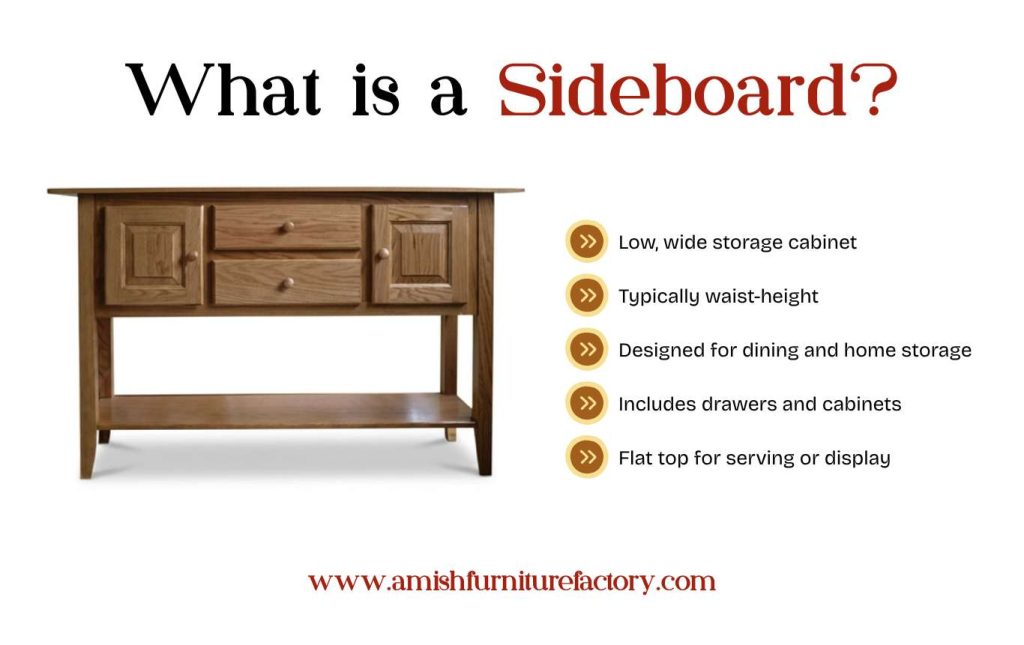
A sideboard is a low, wide storage cabinet traditionally used in dining rooms to hold dishes, linens, and serving essentials. It usually combines drawers, cabinets, and a flat top surface that can also be used for display or serving. Although sideboards date back to 18th-century England, where they were part of formal dining setups, they have gradually evolved into more flexible pieces. Today, you will often see them not just in dining rooms but also in living rooms, hallways, and even home offices.
As sideboards became more common, related terms like buffet and credenza started to overlap in meaning. Sideboard remains the most general term for this type of storage unit. A buffet is very similar but is more closely associated with dining and is sometimes slightly taller with longer legs. A credenza, by contrast, comes from office use and typically features a sleeker, more modern design with elements like sliding doors. In everyday use, these distinctions are less strict, and most pieces can fall into any of these categories depending on how they are used.
What Is a Sideboard Used For?
So, what is the purpose of a sideboard? In modern homes, it goes beyond basic function and adapts to different spaces and needs. Here are the main ways it’s used:
1. Dining Room Storage
Traditionally, a sideboard serves as a convenient place to keep dinnerware, linens, and serving pieces within reach. A combination of drawers and cabinets helps keep everything organized and ready for meals or gatherings.
2. Living Room Storage & Media Console
In the living room, it works as a clean, low-profile solution for organizing books, electronics, and media accessories. It can also double as a more streamlined alternative to bulky entertainment centers.
Explore the Aledo Sideboard to see how its timeless design and versatile storage can fit your home.
3. Entryway Catch-All
Placed near an entryway, a sideboard helps keep everyday items like keys, bags, and shoes in one spot while creating a tidy, welcoming first impression.
4. Display & Styling Surface
The top surface is ideal for showcasing décor such as lamps, plants, framed photos, or seasonal accents, adding personality to your space.
5. Flexible, Multi-Use Piece
Perhaps the greatest strength of a sideboard is its versatility. It can function as a bar cabinet, home office storage unit, or even a bedroom organizer depending on your needs. We’ve seen homeowners use our sideboards in creative ways, transforming them into coffee stations, craft storage, or even compact workspaces.
How to Choose the Right Sideboard for Your Space
Below are the key factors we guide our customers through when selecting a sideboard, based on both functionality and craftsmanship.
1. Measure Your Space Properly
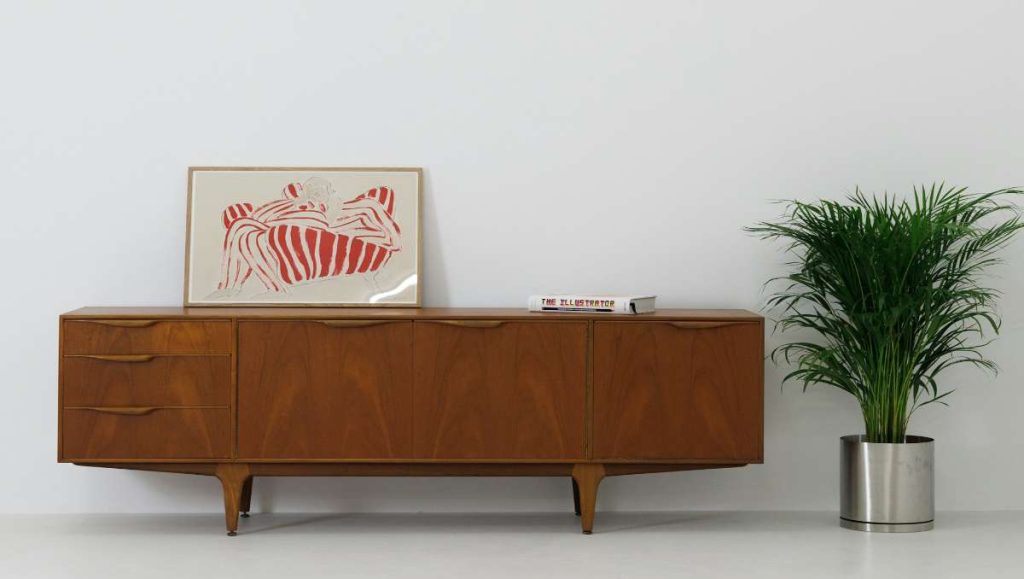
Before anything else, accurate measurements are essential. Start with the wall length where you plan to place the sideboard, then account for clearance on both sides. We suggest leaving at least 30 to 36 inches of open floor space in front of the unit to ensure drawers and doors can open fully without blocking traffic. For height, 30 to 36 inches is the industry standard because it aligns perfectly with most dining tables, allowing the surface to double as a serving station during gatherings.
2. Audit Your Storage Habits
A sideboard should work for your specific lifestyle, whether you need felt-lined drawers for fine cutlery or deep cabinets to hide bulky items in a busy family room. While a mix of drawers and cupboards offers the most versatility, a common mistake we see is over-prioritizing the external aesthetic at the expense of internal depth. Many homeowners fall in love with a slim, sleek profile only to realize later that their favorite serving platters or heavy soup tureens do not actually fit behind the doors.
3. Invest in Quality Materials
The material you choose dictates the lifespan of the piece. While laminates and engineered woods are accessible, solid hardwood remains the gold standard for those viewing furniture as an investment. In our workshop, we favor hardwoods because they possess a structural integrity that synthetic materials simply cannot match. They don’t just sit in a room; they age with character and can be refinished if your style evolves.
Here are the most common materials used in sideboards, along with how they compare:

4. Harmonize the Aesthetic
Your sideboard should feel like a natural extension of your existing décor. Whether your home leans modern and traditional, rustic, or minimalist, look for design elements such as leg style, hardware, and finish that tie everything together. We often advise customers to match tones or materials with nearby furniture pieces to create a cohesive, intentional space.
Here are the most popular sideboard styles, along with how they differ in design, materials, and overall feel.
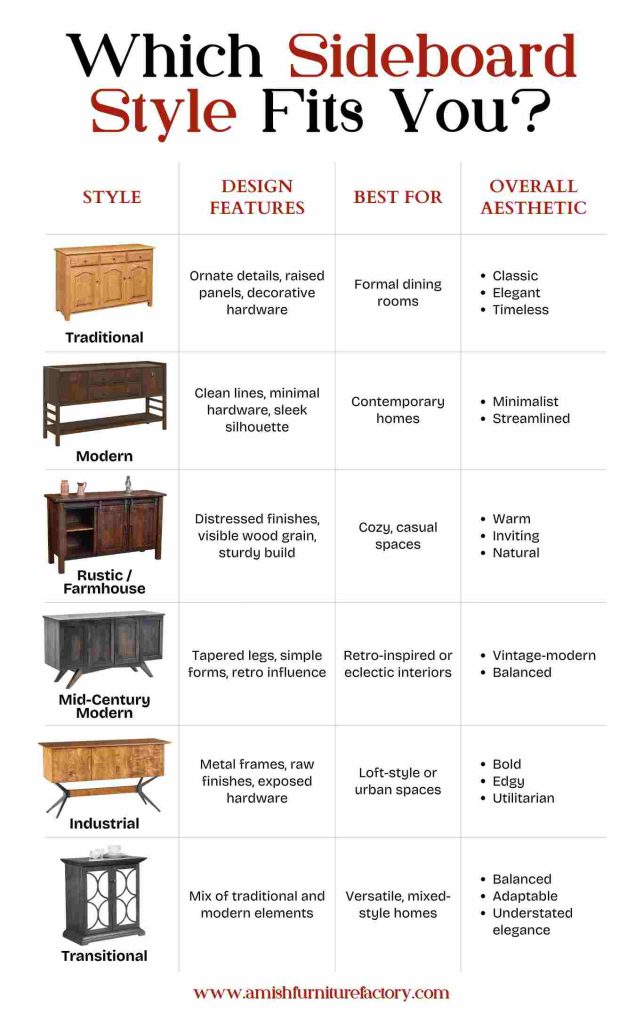
Looking to bring a touch of timeless craftsmanship to your dining room? Shop our collection of handcrafted Amish sideboards today.
Styling a Sideboard: Design Tips for a Polished Look
Here are practical styling tips to help you turn your sideboard into a balanced, eye-catching focal point while keeping it functional for everyday use.
The Rule of Three
Group décor items in sets of three to create a natural, visually pleasing arrangement. We often suggest this approach when styling our sideboards because it highlights the craftsmanship without overwhelming the surface. One of the most common mistakes we see here is overcrowding the top with too many items, which hides the beauty of the piece. Leaving some negative space helps the design breathe and keeps it looking intentional.
Balancing Height and Texture
Mix tall and short elements like a lamp paired with lower decorative objects to create depth. Incorporating different textures such as wood, glass, metal, or greenery also adds visual interest. Another key point is scale, décor that is too small or too large can throw off the balance of the entire setup, so it’s important to match items to the size of the sideboard and wall.
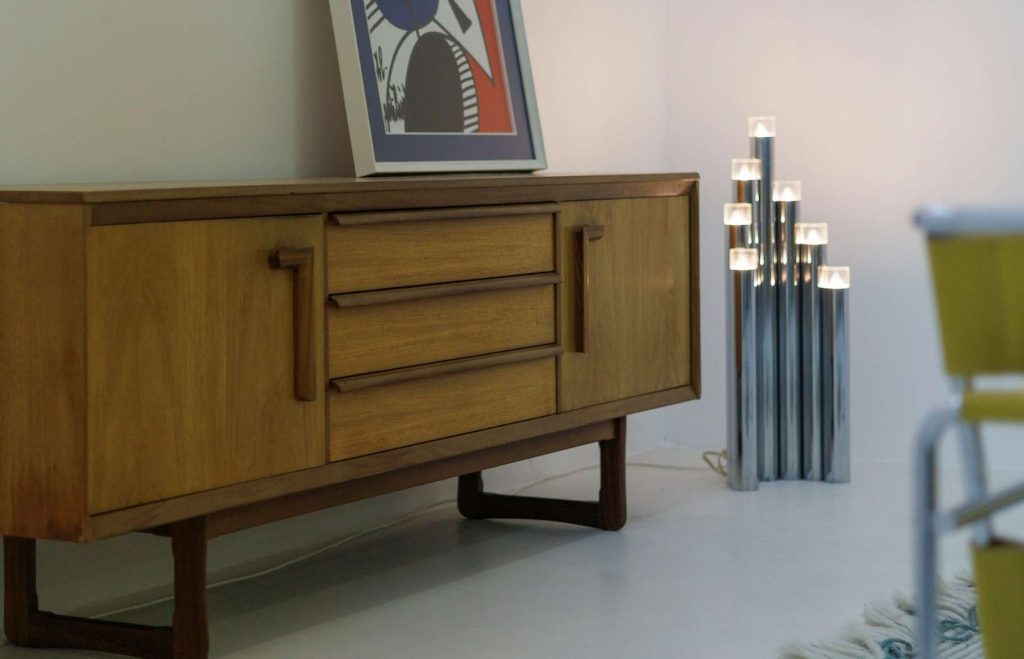
Layering Decor
Instead of lining everything up flat against the wall, try layering items by placing artwork or mirrors behind smaller objects. This creates dimension and makes the display feel more dynamic. Just be careful not to block access to cabinets or drawers, since a sideboard should remain functional, not just decorative.
Seasonal Styling
One of the easiest ways to refresh your space is by updating your sideboard décor with the seasons. Swap out florals, colors, or accents throughout the year to keep your home feeling current. At the same time, avoid overloading the surface during seasonal updates, as too many items can quickly make the space feel cluttered and less usable.
Final Thoughts: Why Every Home Can Benefit from a Sideboard
A sideboard keeps everyday essentials accessible while maintaining a visually balanced space. It’s one of those rare furniture pieces that successfully bridges function and design. From dining rooms to entryways and living areas, it adapts easily to different needs while maintaining a clean, organized look. That flexibility is exactly why so many homeowners continue to rely on it today.
Instead of relying on multiple storage units, a single well-designed sideboard can handle storage, display, and even serving functions. When thoughtfully chosen and styled, it becomes a long-term investment in both order and aesthetics.
Frequently Asked Questions
What is the difference between a sideboard and a buffet?
A sideboard is a general-purpose storage cabinet used in various rooms, while a buffet is typically used in dining areas for serving food and storing dining essentials. Buffets are often slightly taller and more dining-focused in function.
What is a sideboard called in America?
In America, the term “sideboard” is commonly used, but it is often interchangeably referred to as a buffet or credenza, depending on style and placement.
Can I put a TV on a sideboard?
Yes, you can place a TV on a sideboard as long as the surface is wide, sturdy, and properly rated to support the weight. It works especially well in living rooms where a sideboard can double as a media console, but you should ensure the height and viewing angle are comfortable and that cable management is considered.