
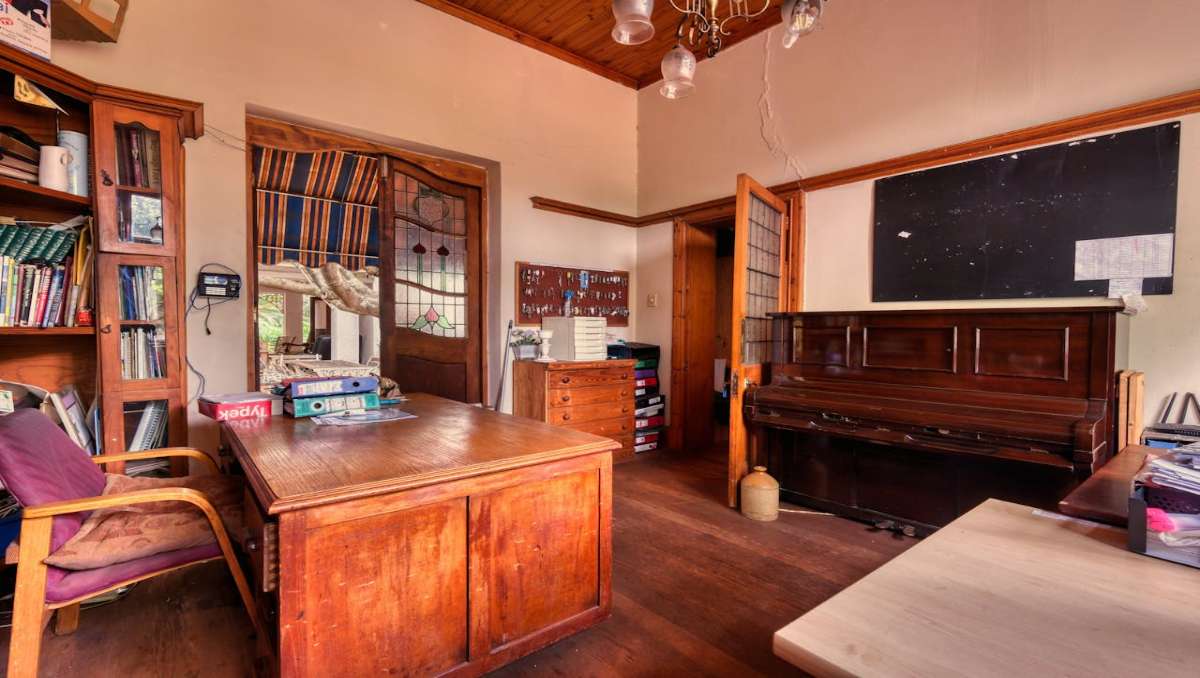
Dark wood floors bring depth and character to a modern farmhouse interior, instantly grounding a space with their rich tones. But they can also make decorating feel tricky, especially when it comes to selecting furniture. The choices you make will shape the mood and flow of your home, creating a space that either feels cohesive or visually heavy.
Key Takeaways:
- Light neutrals, warm earth tones, and soft cool colors all pair well with dark wood floors in modern farmhouse interiors.
- Lighter or contrasting furniture colors keep dark floors from making the space feel heavy.
- Texture and natural materials are essential for warmth and depth.
In this article, we’ll take a closer look at furniture in rooms with dark wood floors and help you think through the design possibilities so your space feels intentional and harmonious.
Understanding Dark Wood Floors in Modern Farmhouse Homes
Dark wood floors, whether rustic or refined, act as a strong visual anchor in a modern farmhouse home. Their rich tones absorb more light than lighter flooring, which naturally affects brightness, mood, and how large or intimate a space feels. When paired thoughtfully with the right furniture colors, dark floors become a backdrop that enhances texture, warmth, and the rustic-modern charm that defines this style.
Color choices in furniture play a crucial role in balancing the depth of dark floors. Lighter tones create airiness; warmer shades bring comfort and cohesion; and cool hues add spaciousness and contrast. Together, they help maintain a well-balanced farmhouse interior that feels both grounded and inviting.
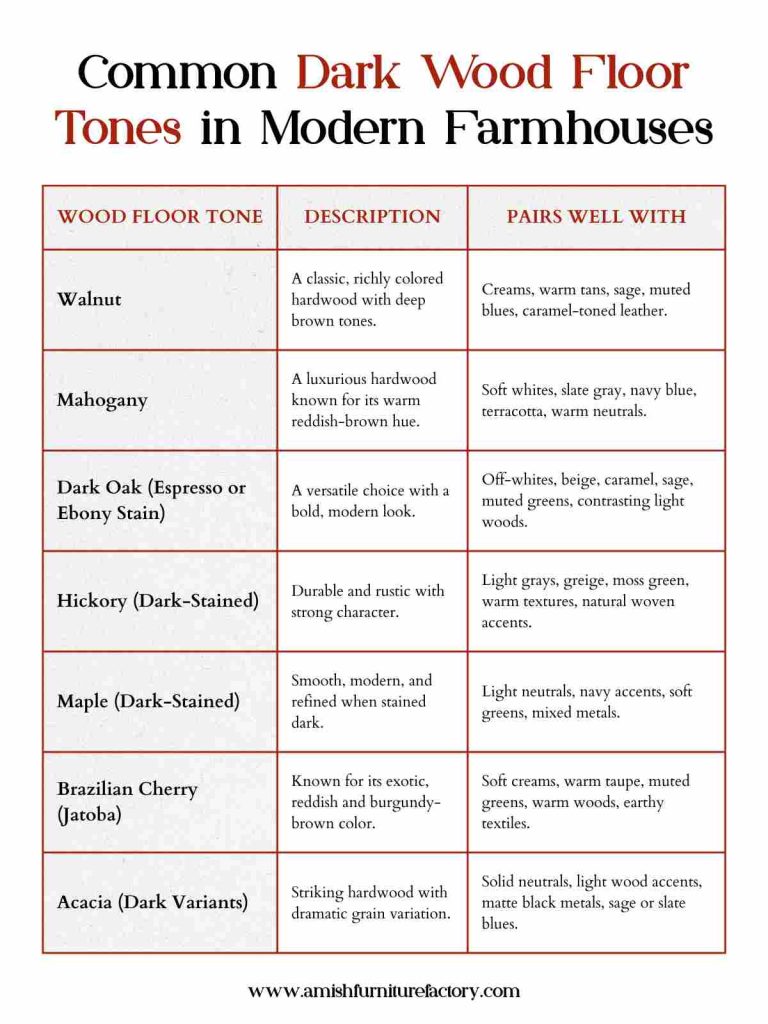
Want a quick reference for what you’re working with? Check out these most common dark wood floor tones and match your furniture choices confidently.
Neutral Furniture Colors That Complement Dark Wood Floors
Recommended neutral colors: Soft whites, Creams, Off-whites, Light gray, Beige, Greige
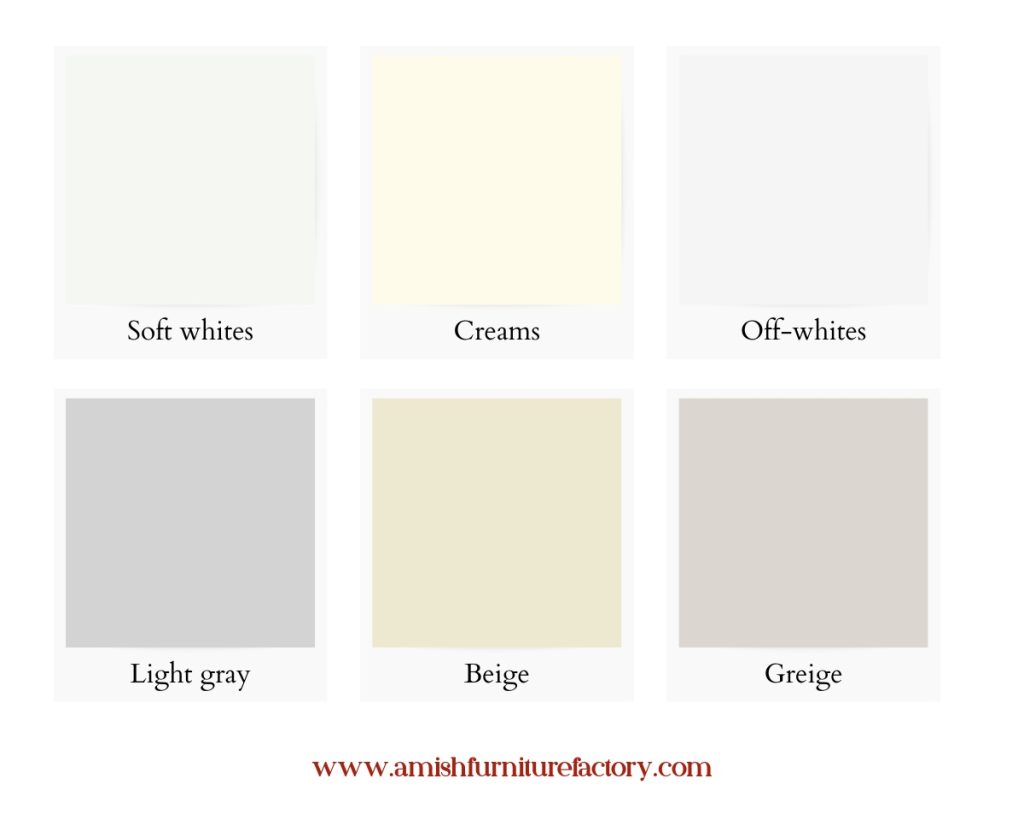
Neutral furniture is one of the most effective ways to soften the strong presence of dark wood floors. Whites, creams, and off-whites instantly brighten the room and reflect natural light. These colors also create a clean backdrop that highlights the natural grain and texture of the wood. Light gray and beige tones bring a sense of modern refinement while blending effortlessly with farmhouse materials like linen, distressed wood, and matte metals. Greige, a popular hybrid of gray and beige, offers soft warmth and versatility.
The key to making neutrals feel layered—not flat—is texture. Incorporate fabrics like nubby linen, cotton canvas, boucle, or wool. Add visual interest through furniture with matte finishes, cane details, or reclaimed wood accents. These quiet differences create depth, ensuring the room feels curated rather than washed out.
Warm Furniture Colors for a Cozy, Inviting Look
Recommended warm colors: Earthy browns, Tans, Caramel, Muted greens, Terracotta
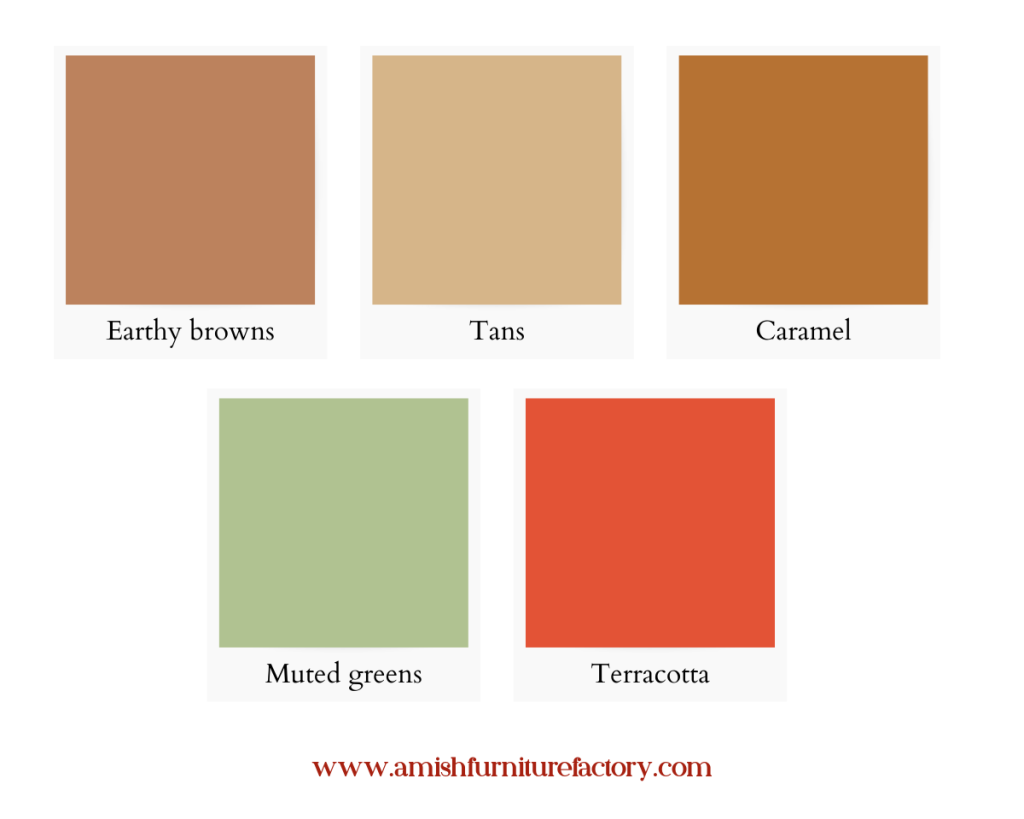
Warm hues amplify the natural coziness that modern farmhouse style is known for. Earthy browns and tans blend beautifully with dark wood floors, especially when you introduce materials like leather, warm-stained wood, or textured upholstery. A caramel-toned leather chair or warm oak console adds richness without overwhelming the space. Muted greens—such as moss or olive—bring a grounded, nature-inspired feeling that pairs effortlessly with rustic textures.
To maintain balance, layer textiles with warm undertones: woven rugs, patterned cushions, knit throws, or clay-colored pillows. These layers add softness and make warm-toned furniture feel intentional and cohesive alongside dark rooms.
Cool-Toned Furniture Colors to Balance Rich Dark Floors
Recommended cool colors: Slate gray, Navy blue, Muted blue, Sage, Soft greens
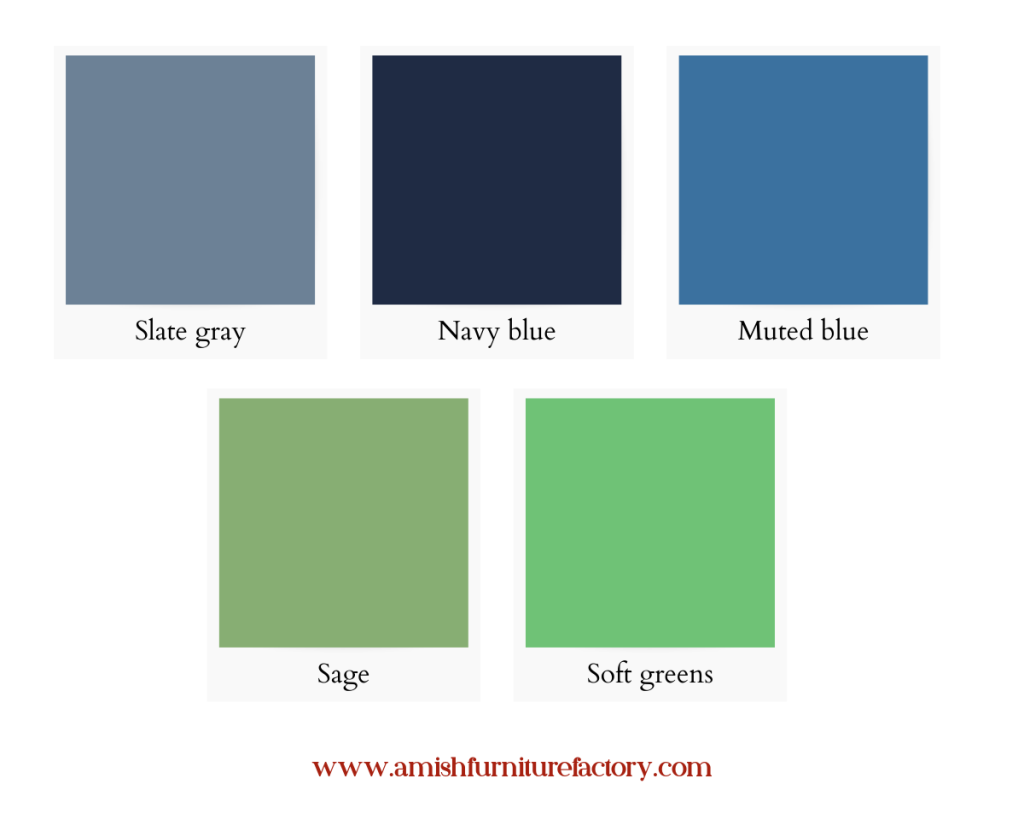
Cool-toned furniture introduces crisp contrast that “lifts” the visual weight of dark wood floors. Slate gray adds sophistication without feeling overly bold, while navy blue creates a dramatic yet classic pairing that works beautifully in living rooms and bedrooms. Muted blues bring a softer, more relaxed vibe—ideal for cottage-inspired or coastal farmhouse interiors. Sage and soft greens, meanwhile, offer a serene, earthy coolness that complements natural materials like jute, washed wood, and iron hardware.
These cool hues visually expand the room by adding brightness and dimension. When combined with light walls and textured accents, they help ensure dark floors feel grounded rather than heavy.
Mixing and Matching Colors for Modern Farmhouse Style
Modern farmhouse interiors often thrive by blending multiple color families to create balance and visual interest, such as pairing a large, light-toned foundational piece with smaller, dark-toned accents, or the reverse. Layering different textures and elements further enriches the space and adds depth. While these are excellent recommendations, you can customize and combine them in whatever way best reflects your personality and preferred aesthetic.
- Foundation (70%): Use a neutral color (creams, light grays) for the largest pieces (sofa, large rug).
- Anchor (20%): Use a cool color (navy, slate) or a warm color (caramel leather) for secondary seating or major accents.
- Pop (10%): Use a highly contrasting color (terracotta, deep emerald) for smaller accents like pillows, throws, or decorative objects. This ensures no single color dominates the feel.
To keep the mixed colors feeling like a cohesive farmhouse space and not a collection of random furniture, prioritize natural materials, use simple forms, and connect with hardware. This means to use consistent finishes on cabinet hardware, light fixtures, and mirror frames to visually connect disparate pieces of furniture.
Accent Pieces and Textures to Introduce Variation
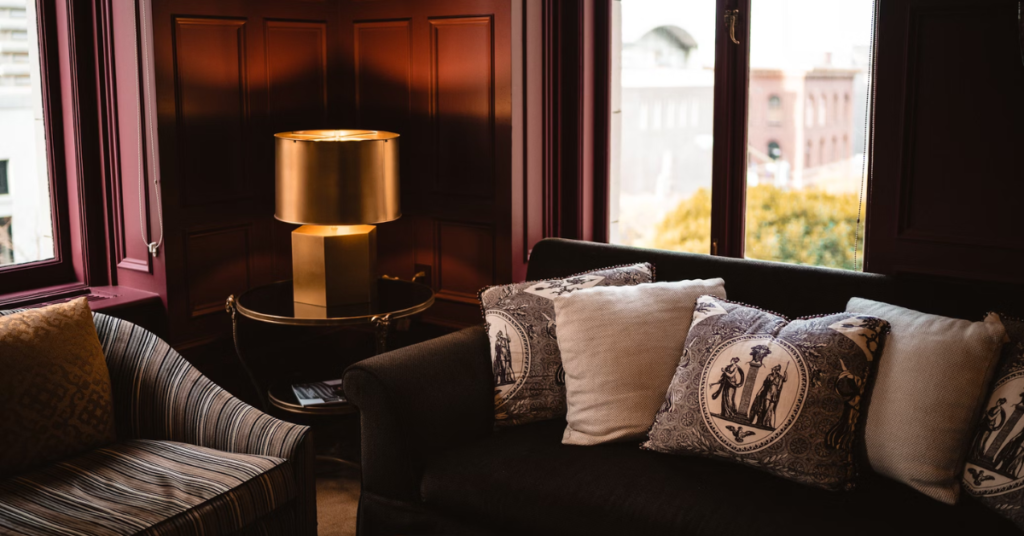
Use accent pieces to introduce variation, personality, and visual depth. In rooms with dark wood floors, these elements can lighten, balance, and enrich the overall design.
- Choose wood, metal, rattan, and woven textures to create a natural dimension.
- Incorporate accent chairs, end tables, or cabinets in contrasting tones to break up dark flooring.
- Use area rugs to soften large expanses of dark wood and anchor furniture groupings.
- Add throws, blankets, and pillows to introduce pattern, warmth, or pops of color.
- Mix matte metals—like iron, blackened brass, or brushed nickel—to maintain a modern farmhouse feel.
Searching for the perfect match for your dark wood floors? Explore our curated collection of dining room sets designed to bring light and style to your space.
Practical Styling Tips For a Balanced Look
- Use Contrast Wisely. Pair light furniture with dark floors to create depth and visual interest; contrast keeps the space from feeling too heavy or flat.
- Repeat Tones Across the Room. Echo your wood and accent colors in smaller details like picture frames, trays, or lamp bases to create a cohesive flow.
- Layer Textures, Not Just Colors. Combine smooth woods, woven fabrics, metals, and leather for dimension and warmth—a key element of the modern farmhouse style.
- Incorporate Soft Neutrals. Light textiles like linen, cotton, or boucle help soften dark floors and balance heavier wood pieces.
- Play with Natural Light. Use light walls, sheer curtains, or reflective finishes to keep the room bright and grounded despite darker flooring.
- Add Greenery or Natural Accents. Plants, rattan baskets, and ceramic vases introduce organic warmth that ties wood tones together naturally.
Common Mistakes to Avoid
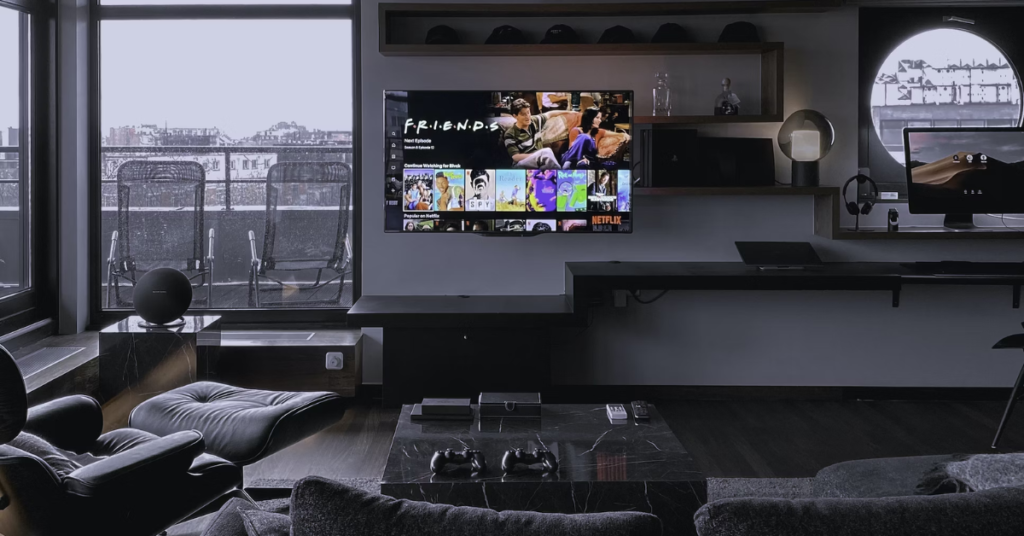
One common mistake is using all dark furniture on dark floors because it can make a room feel heavy and closed in. Light or mid-tone accents help break up the darkness. Another is ignoring undertones. Mixing warm and cool woods without balance can make the space look mismatched, so always check undertones before pairing pieces.
Skipping texture is another trap. Flat surfaces and monotone finishes can make even well-chosen colors feel dull, and textures are key to creating cozy farmhouse charm. Scale matters as well. Oversized furniture in a small room or tiny pieces in a large space can throw off visual balance no matter how well the colors match. Finally, overdecorating can overwhelm the space. Modern farmhouse style thrives on simplicity, so let your wood finishes and textures breathe instead of crowding them with clutter.
Final Thoughts: Creating Balance and Warmth
Dark wood floors bring an undeniable richness and character to modern farmhouse interiors, but the secret to making them shine lies in balance. Choosing the right furniture colors isn’t just about matching; it’s about layering tones, textures, and finishes that feel intentional and inviting. Light and neutral hues open up the space, earthy tones add warmth, and natural materials tie everything together. When done thoughtfully, your dark floors may anchor a home that feels grounded, timeless, and full of quiet sophistication.
Frequently Asked Questions
Should I use a light area rug on a dark wood floor?
Yes, absolutely. A light area rug instantly brightens the space and creates visual contrast against dark floors. It also helps define furniture zones and adds softness underfoot.
Is it okay to mix a light oak dining table with very dark wood floors?
Definitely. Mixing light and dark wood tones adds depth and personality—as long as the undertones are compatible. Pairing a light oak table with espresso or walnut floors works beautifully when you repeat the lighter tone elsewhere, such as in open shelving.
How can I incorporate color without making the room feel too dark?
Focus on muted or earthy shades like sage green, soft blue, or terracotta. These colors add richness while staying grounded in a natural palette.