
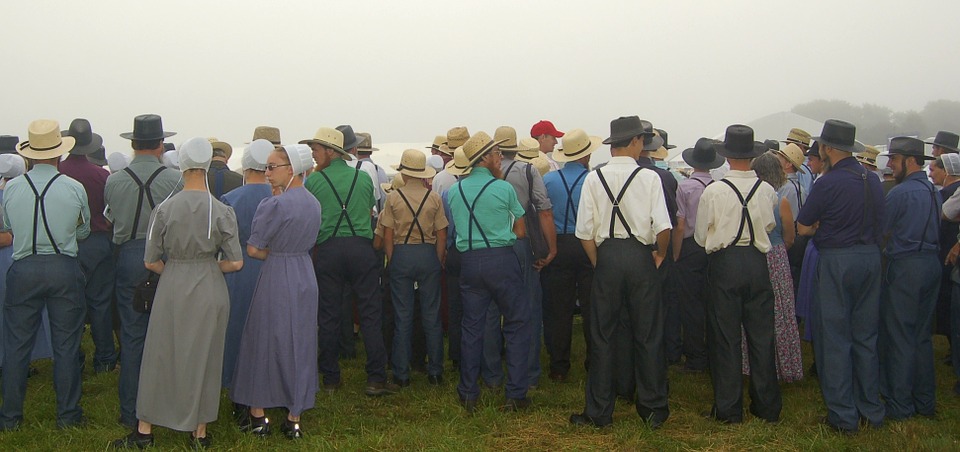
Tucked away in the quiet countryside of Pennsylvania, Ohio, and other rural areas across the United States, the Old Order Amish live a life centered on faith, family, and simplicity. Their horse-drawn buggies, modest clothing, and resistance to modern technology often capture the curiosity of outsiders who wonder how such a traditional lifestyle continues to thrive in today’s fast-paced world. Yet beyond their plain appearance lies a community deeply committed to spiritual values, hard work, and a slower, more intentional way of living.
Key Takeaways:
- The Old Order Amish religion is a distinctive and tightly-knit group known for their simple living, plain dress, and reluctance to adopt many conveniences of modern technology.
- They began in 16th-century Europe and moved to North America for religious freedom, with the Old Order Amish keeping the strictest traditions.
- Family, community, and self-sufficiency are central to Amish life, and they support local economies through farming and handmade goods.
In this article, we’ll explore who the Old Order Amish are, what they believe, and how they preserve their way of life in the modern age.
Who Are the Old Order Amish?

The division between the Old Order Amish and the New Order Amish took shape in the 1960s, primarily in Ohio, centuries after the Amish first separated from the Mennonites in 1693. The split was driven less by technology and more by differing views on spirituality, discipline, and youth practices. Leaders who eventually formed the New Order Amish emphasized structured Bible study, personal salvation, missionary outreach, and stricter expectations for courtship and moral conduct. These reforms conflicted with the Old Order’s preference for maintaining long-standing traditions and a communal approach to spirituality, creating growing tensions within church districts.
As the groups continued to diverge, differences in lifestyle became more visible. While the Old Order Amish upheld strict prohibitions against electricity, telephones, and automobile ownership, some New Order communities accepted limited technologies—often for practical, business, or safety reasons—while still preserving modesty and separation from the broader world. This gradual openness further distinguished the New Order from the Old Order, marking them as a more spiritually focused and slightly more progressive branch within the wider Amish tradition.
The Complex History of Old Order Amish
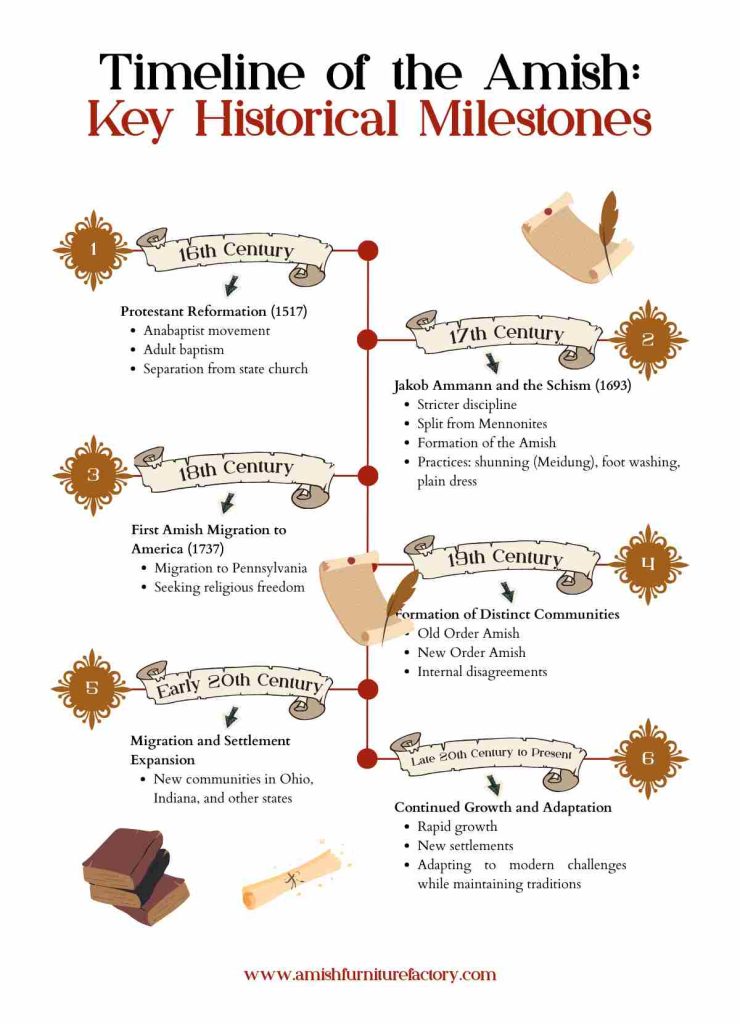
The Amish trace their origins to the Anabaptist movement of the Protestant Reformation in 16th-century Europe, where they emphasized adult baptism, nonviolence, and separation from state churches. Facing persecution, many sought refuge in regions like the German Palatinate before migrating to North America in the early 18th century. Drawn by William Penn’s promise of religious freedom, they established their first settlements in Pennsylvania, later expanding into Ohio, Indiana, and other parts of the United States.
The Old Order Amish emerged from a division within the Anabaptist community led by Jakob Ammann in the late 17th century. Ammann’s call for stricter discipline and visible expressions of humility created a lasting distinction from the Mennonites. Over the 19th and 20th centuries, internal debates over technology and religious practice led to further divisions, giving rise to other groups such as the New Order Amish and Beachy Amish, while the Old Order remained steadfast in preserving traditional ways.
Core Beliefs, Practices, and Traditions of The Older Amish
The core beliefs and practices of the Old Order Amish are deeply interwoven with their daily lives, reflecting their commitment to a lifestyle that prioritizes spiritual growth over conformity to modern society.
Fundamental Religious Beliefs of the Old Order Amish
At the heart of Old Order Amish beliefs is a dedication to the teachings of Jesus Christ and the scriptures. They emphasize humility, obedience, and simplicity, following the Ordnung—a set of oral traditions that govern various aspects of their life, including dress, technology, and social interactions. The Ordnung varies slightly from community to community but is always centered on the principle of Gelassenheit, or yielding to a higher authority, which manifests in their pacifism, resistance to state authority, and a life removed from the secular world.
Community Structure and Family Roles in Amish Society
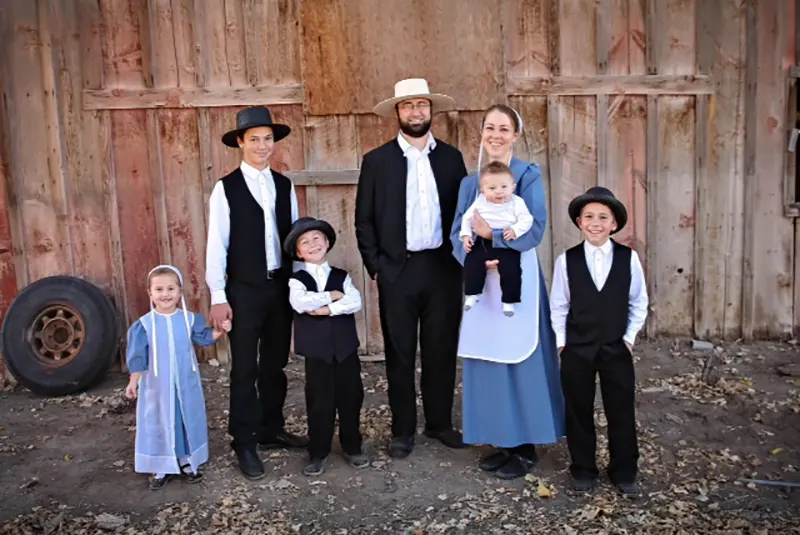
Community and family are pillars of Amish society. The community not only serves as a religious group but also as a social network that supports each member from birth through to old age. Families are large, often with six to ten children, and every member contributes to the household and community duties from a young age. Women primarily manage the household and care for children, while men handle the manual labor of farming and craftsmanship.
Education and Rumspringa
Education within the Old Order Amish community is tailored to prepare children for life within the community. Amish children attend school until the eighth grade in one-room schoolhouses run by the community. Rumspringa marks a significant phase in an Amish adolescent’s life. This period begins at around age 16, giving young Amish a chance to experience the world beyond their immediate community boundaries.
Simplicity, Self-Sufficiency, & Limited Technology
For those who follow the Old Order Amish religion, simplicity is a spiritual conviction that shapes everything they do. Their plain clothing, modest homes, and handmade goods reflect humility and devotion to God. The Amish value self-sufficiency, growing their own food, building their homes, and operating small family businesses like farming or furniture making. Their approach to technology is thoughtful rather than absolute; they reject modern conveniences that might disrupt community life.
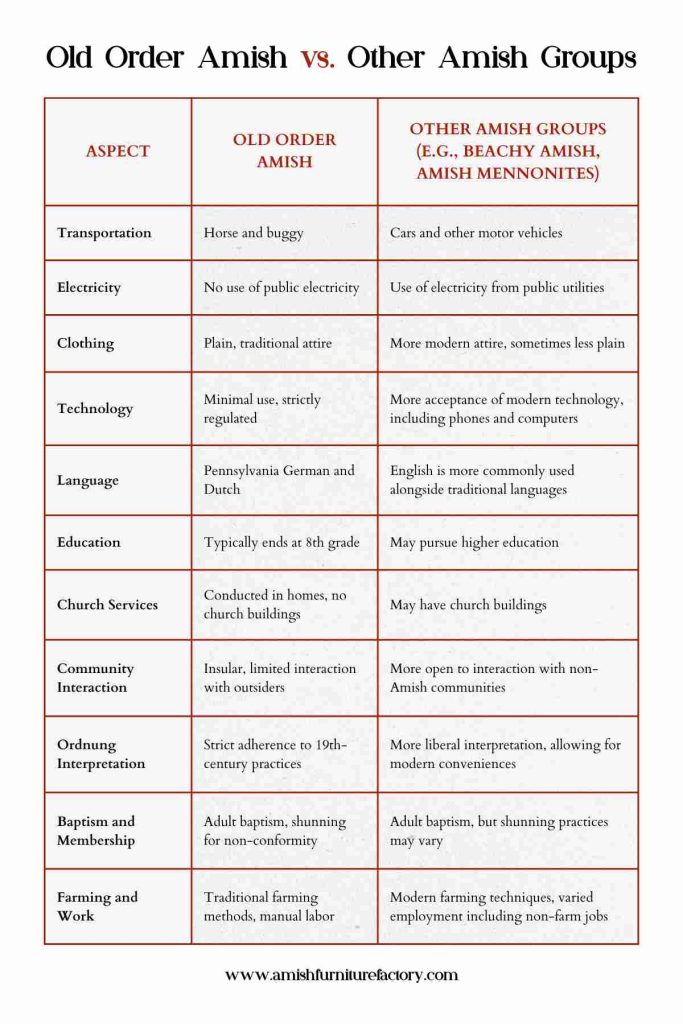
Difference Between Old Order Amish and Other Amish groups
The Old Order Amish represent the most traditionalist of these groups, adhering closely to the practices and lifestyle choices established in the 19th century. In contrast, other Amish groups, such as the Beachy Amish or Amish Mennonites, have embraced more modern conveniences, including the use of cars, electricity, and more modern attire. These differences are primarily driven by differing interpretations of the Ordnung, the unwritten code that dictates lifestyle choices.
Here’s a more in-depth comparison:
The Amish-At Large and Growing Membership
As of 2024, the Old Order Amish population in the United States is estimated to be approximately 383,565 individuals, distributed across 32 states, as well as parts of Canada and South America. Pennsylvania holds the largest Amish population, with around 87,000 people, followed by Ohio with about 81,700, and Indiana with approximately 62,800. The Amish community has experienced consistent growth, primarily due to their high birth rates and strong community retention.
The Old Order Amish communities are predominantly located in Pennsylvania, Ohio, and Indiana, but they have established settlements in many other states across the United States and parts of Canada. Each of these communities varies slightly in its practices and interpretations of the Ordnung, leading to a rich diversity within the Amish as a whole.
Interactions with Wider Society
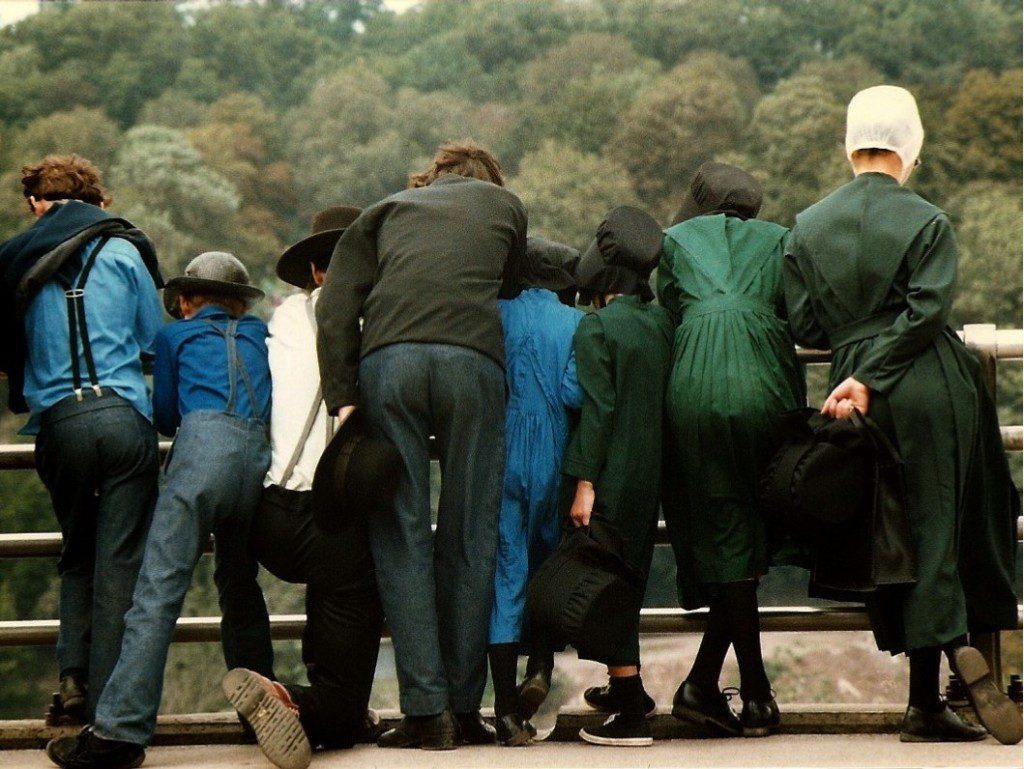
Despite their separation from much of modern society, the Old Order Amish have a surprisingly interconnected relationship with the wider community. The Old Order Amish contribute significantly to local economies, especially in rural areas where they are concentrated. Through their industries such as agriculture, furniture making, and crafts, they not only sustain their community but also attract tourism, which benefits the wider area economically.
Amish markets and the high demand for Amish-made goods, known for their quality and craftsmanship, inject valuable commerce into local markets. Their approach to business, which emphasizes fairness and community welfare, often sets a standard in their local economies for ethical business practices.
Looking to connect with the Plain community in a unique way? Visit the Amish Furniture Factory Facebook page to see how Old Order values translate into modern business and craftsmanship.
Conclusion
The Old Order Amish religion represents a unique and enduring community that has steadfastly maintained its traditional way of life in the face of modernity. Through their deep-rooted beliefs, commitment to simplicity, and strong communal ties, they offer a fascinating glimpse into a lifestyle that prioritizes faith, family, and community above all else.
Their resilience and adaptability have allowed them to preserve their cultural heritage while contributing significantly to the local economies where they reside. Understanding the Old Order Amish provides valuable insights into the possibilities of living deliberately and thoughtfully in a rapidly changing world.
Frequently Asked Questions
Can Outsiders Join the Old Order Amish Community?
Joining the Old Order Amish community is rare but not impossible. Outsiders, referred to as “seekers,” must undergo a rigorous process of learning, adaptation, and acceptance, including adopting the Amish lifestyle, language (Pennsylvania Dutch), and religion.
Do Old Order Amish believe in Jesus?
Yes, the Old Order Amish deeply believe in Jesus Christ as the Son of God and Savior. Their faith is centered on following Christ’s teachings through humility, obedience, and service rather than through outward displays of religion.
What religion are Amish people?
Amish people belong to the Christian faith, specifically rooted in the Anabaptist tradition that began in 16th-century Europe. This movement emphasizes adult baptism, nonviolence, and a clear separation from the modern world. The Old Order Amish religion, in particular, maintains some of the most traditional Christian practices, interpreting the Bible literally and focusing on living a humble, disciplined, and Christ-centered life.
Let’s go back farther and talk about the term ” House Amish” and what it represents and what they endured to become the culture and religion that is in their roots .