
Amish wood furniture is known for its timeless beauty, solid craftsmanship, and heirloom quality, but even the most well-made pieces can fall victim to daily wear. A deep scratch from a dropped object or a dragged chair leg can feel like a major blemish on an otherwise flawless finish. Fortunately, repairing deep scratches in wood furniture doesn’t have to mean calling a professional or losing the charm of your piece.
Key Takeaways:
- To repair deep scratches in wood furniture, clean the area, fill the scratch with color-matched wood filler, and sand it smooth once dry. Then apply matching stain or paint, followed by a clear sealant to protect the repair and blend it with the surrounding wood.
- Match fillers and stains carefully, especially for cherry, oak, and other hardwoods.
- Prevent future damage with protective pads, regular maintenance, and gentle cleaning.
In this guide, we’ll walk you through how to fix deep scratches the right way, with special attention to preserving the quality and integrity of Amish-made pieces.
Types of Wood Scratches
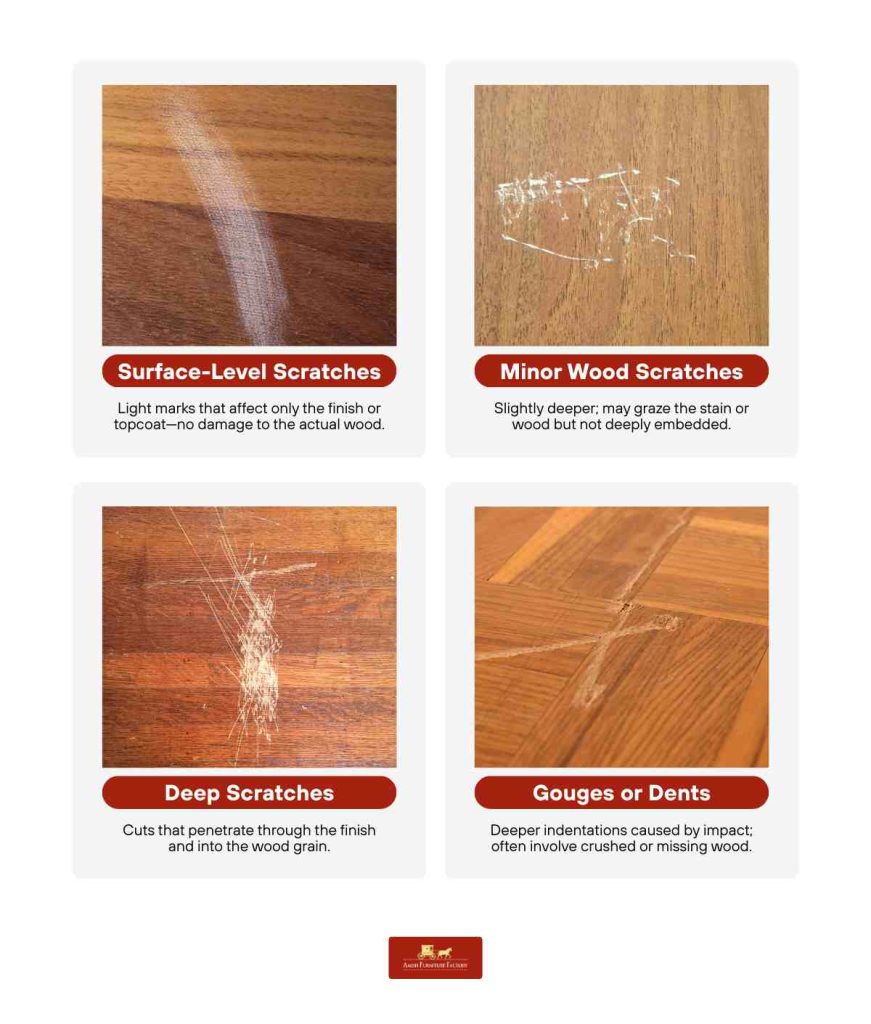
Before diving into repairs, it’s important to understand the type of scratch you’re dealing with. Not all scratches are created equal; some only graze the surface finish, some are hand oils, while others cut deep into the wood grain. Identifying the severity helps you choose the right technique and avoid over- or under-treating the damage.
Tools and Materials Needed for Scratch Repair
To properly repair deep furniture scratches, especially in high-quality wood like those used in Amish furniture, you’ll want the right mix of essentials and optional tools, depending on how severe the damage is.
Must-have items:
- Wood filler (wax-based vs. epoxy-based)
- Sandpaper (different grits: 120 to 400)
- Stain markers or touch-up pens
- Mineral spirits, clean cloths
- Clear finish (polyurethane, lacquer)
Optional/advanced tools:
- Heat gun for wax-based fillers
- Wood burn-in sticks for deeper damage
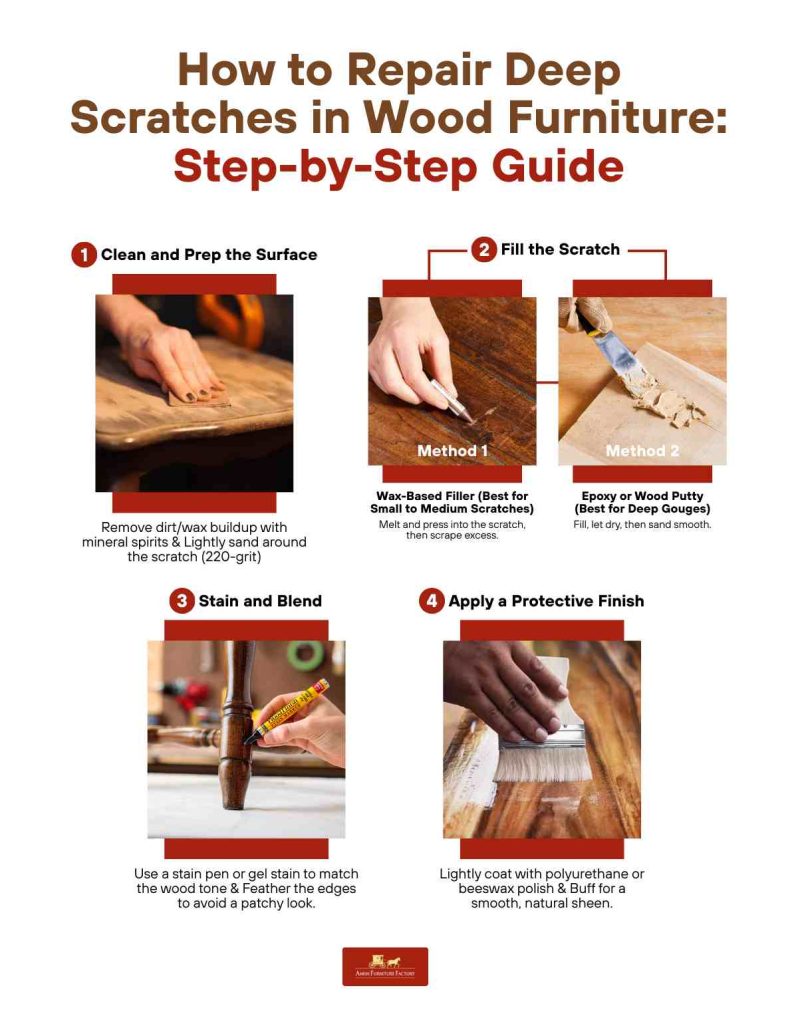
How to Repair Deep Scratches in Wood Furniture: Step-by-Step Guide
Repairing deep scratches in wood furniture does require a bit of care and patience. The general process involves cleaning the damaged area, filling the scratch with a wood filler that matches the color of the wood, sanding it smooth, and applying a stain and clear finish to blend the repair with the surrounding surface.
Let’s walk through each step to ensure a flawless fix.
Step 1. Clean and Prep the Surface
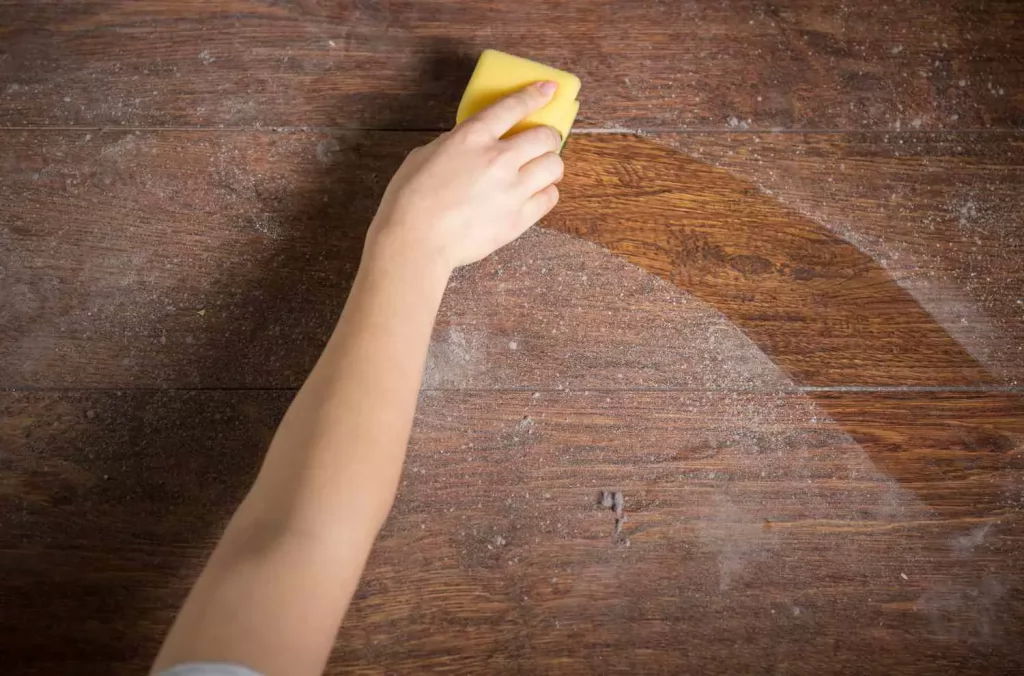
Start by wiping the scratched area with a clean cloth dampened with mineral spirits. This removes oils, wax, and dust so that filler materials can adhere properly. For any grime that doesn’t come off, gently use fine steel wool. Make sure the surface is completely dry before moving on.
Step 2. Fill the Scratch
Depending on the depth of the scratch or gouge, you’ll need to choose the right filler method:
Method 1: Wax-Based Filler (Best for Small to Medium Scratches)
Use a wax filler stick that closely matches the wood tone. Rub it directly into the scratch, applying pressure so it fills the crevice completely. Smooth the area with a plastic scraper or a cloth, then lightly buff the surface.
Method 2: Epoxy or Wood Putty (Best for Deep Gouges)
Wondering how do you repair gouges in wood furniture? This method works best for damage that goes beyond the surface. Choose a high-quality epoxy wood filler or putty. Mix and apply it with a putty knife, slightly overfilling the scratch to allow for sanding. Let it cure as directed on the packaging.
💡 Pro Tip
For Amish furniture, match the filler color to the original stain for seamless blending. Take a scrap piece (if available) to the hardware store to get the closest match possible.
Step 3. Stain and Blend
Once the filler is fully dry, gently sand the repaired area with fine-grit sandpaper (starting with 220 and finishing with 400). Wipe away dust, then use a stain marker or touch-up pen that matches your furniture’s color. Blend carefully, feathering the edges so the new stain transitions naturally into the old wood. Richard Garrett from RG ProBuilders shares a great tip on color matching:
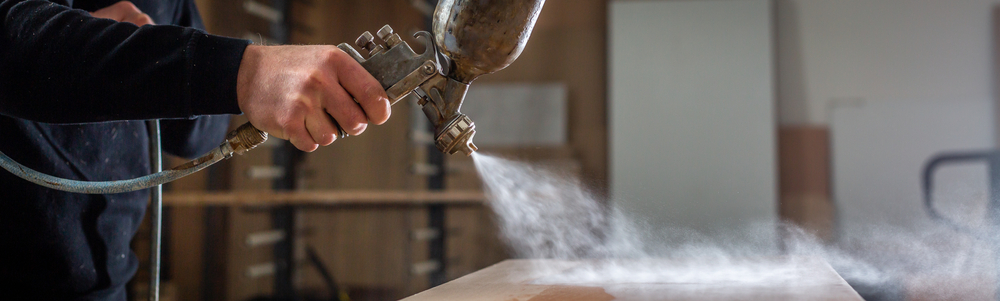
“The most challenging restoration I handled was matching 1940s Douglas Fir trim in a Portland ADU conversion. I find that using a combination of Varathane PolyShades in Antique Walnut mixed with their Classic Gray creates that authentic Pacific Northwest aged fir look that you can’t get with single-tone stains.”
Step 4. Apply a Protective Finish
To seal the repair and restore the original sheen, apply a clear finish over the stained area. Use polyurethane or lacquer, depending on what the furniture was originally finished with. A small brush or cloth works well for targeted application—just be sure to apply thin coats and let each one dry fully before adding another.
John Doron, owner of S&P Construction, emphasizes the importance of careful preparation and testing, especially with older Amish pieces:
“For antique restoration, always test your finish in an inconspicuous area first – I learned this the hard way when a client’s 1920s hutch had an unexpected shellac reaction… Always work with the grain, never against it. The biggest mistake I see DIYers make is rushing the sanding process. I spend 40% of project time on prep work alone – 120 grit, then 220 grit, then tack cloth before any finish touches the wood.”
Once your cherished pieces are scratch-free, elevate your home’s aesthetic. Discover the timeless beauty and enduring quality of Amish mission furniture to complement your newly restored wood.
Long-Term Care Tips to Prevent Future Scratches
Here are maintenance and care tips to prevent future scratches:
- Use protective pads under lamps, vases, and decor to prevent surface abrasion. Felt or cork pads work best. Avoid sliding objects across wood surfaces.
- Apply furniture wax or polish every few months to maintain a protective barrier and enhance the finish.
- Keep pets’ nails trimmed and discourage them from jumping on wooden furniture.
- Clean with a soft, damp cloth—avoid abrasive cleaners or rough cloths that can scratch the finish.
- Rotate items regularly on the surface to avoid uneven wear or pressure points.
- Maintain consistent humidity levels in your home to prevent wood from expanding or contracting, which can lead to surface damage.
Why Amish Furniture Needs a Custom Repair Approach
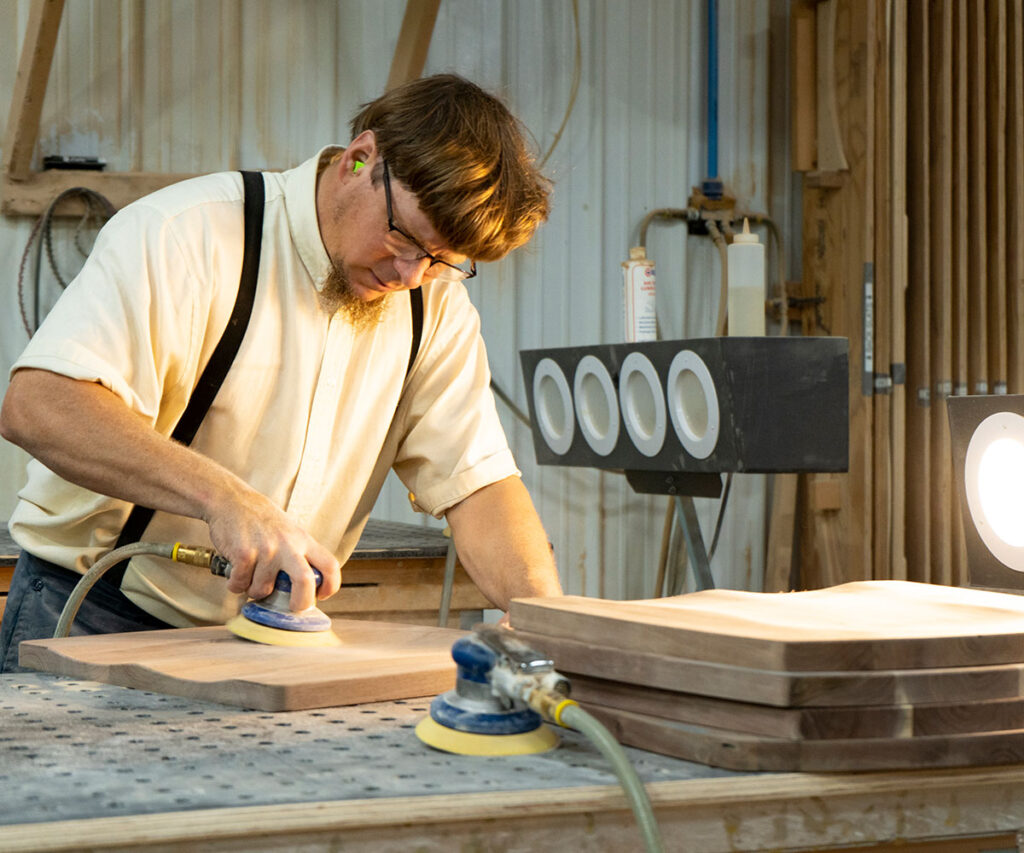
Amish furniture is typically made from high-quality hardwoods like oak, cherry, maple, and walnut. Each type has its own grain, texture, and way of absorbing stain, so you can’t fix a scratch the same way across the board. Cherry naturally darkens over time, which means a fresh filler or stain might look too light unless you adjust the tone. Oak has an open grain that may need extra sanding or grain filler to keep the repair smooth and consistent.
Because Amish furniture often uses hand-rubbed oils or natural low-VOC finishes, matching the original finish is just as important as repairing the damage. When refinishing furniture, always test your filler or stain on a hidden area first. And if you’re not quite sure what to use, reaching out to the original maker or a local wood expert familiar with Amish craftsmanship is a smart move.
When to Call a Professional
If the scratch is part of a larger issue like structural damage, a finish that’s flaking across the surface, or a deep gouge on an antique or valuable Amish piece, it’s best to call in a professional. Skilled furniture restoration can match complex stains, rebuild damaged areas with precision, and preserve the value and integrity of handcrafted woodwork. When in doubt, especially with irreplaceable or sentimental items, professional help ensures the job is done right without risking further damage. They also have access to specialized tools and finishing products not typically available to DIYers.
Final Thoughts on Scratch Repair
Repairing deep scratches in wood furniture is more than just a cosmetic fix. It’s about preserving the story, craftsmanship, and longevity of something built to last. With the right tools, techniques, and attention to detail, most scratches can be handled at home without compromising the integrity of the piece. And by following long-term care tips, you can keep future damage to a minimum while enjoying the warmth and character of your wood furniture for years to come.
Frequently Asked Questions
Does vinegar remove deep scratches from wood?
Vinegar may help clean surface grime or dull finish, but it won’t remove or repair deep scratches. In fact, using vinegar on raw or lightly finished wood can sometimes make the damage more noticeable.
Can I use toothpaste to fix deep scratches in wood furniture?
Toothpaste can work on very light surface marks, but it’s not suitable for deep scratches. It lacks the strength or filling capability to repair damage that penetrates into the wood grain. For DIY touch up techniques, stick to wood fillers and touch-up products.
What’s the best wood filler for cherry wood furniture?
For cherry wood, use a filler that matches the rich reddish-brown tone—either a tinted wax stick or a stainable wood filler that accepts cherry stain well. Always test on a hidden area first, as cherry darkens with age and light exposure, making perfect matching a bit tricky.
Will repairing scratches myself decrease the value of my antique wood furniture?
It depends on the quality of the repair. A well-done, invisible fix using appropriate materials can preserve value, especially if done conservatively. However, poorly executed repairs or using the wrong products may harm the wood or alter its original finish, which could reduce its value. When in doubt, especially with antiques, consult a professional.
Thanks for the tips! It is very helpful to read this article about repairing deep scratches on wood furniture. Step-by-step instructions make it easy for anyone to restore their furniture’s original beauty.