
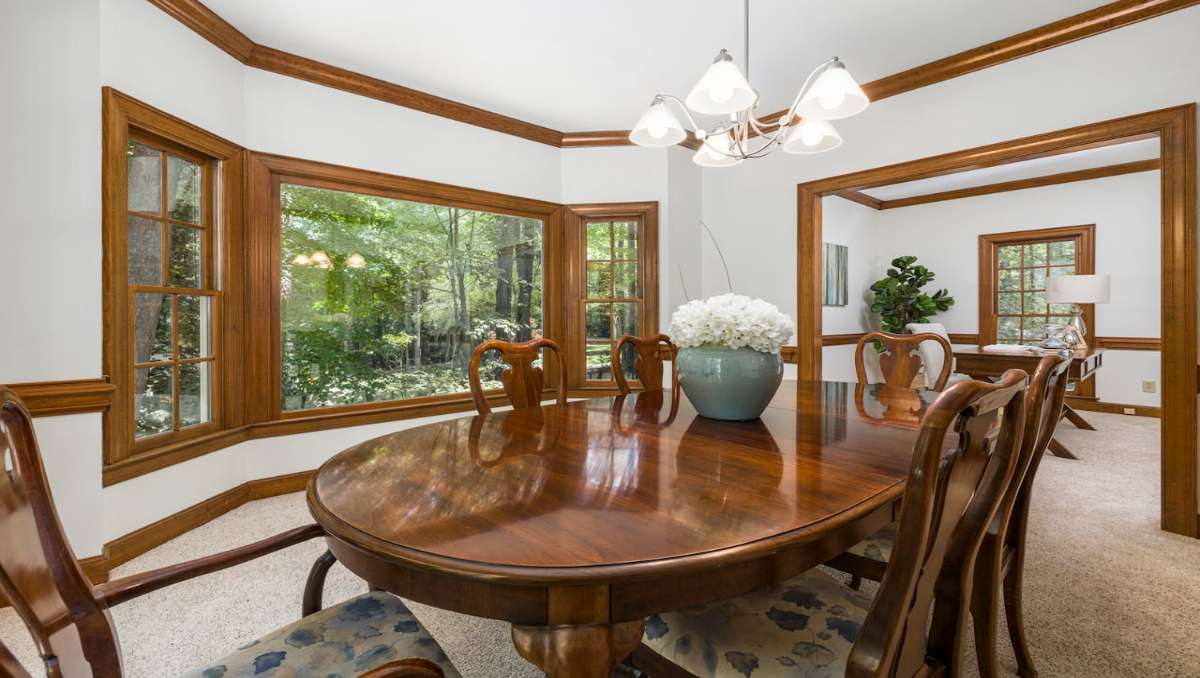
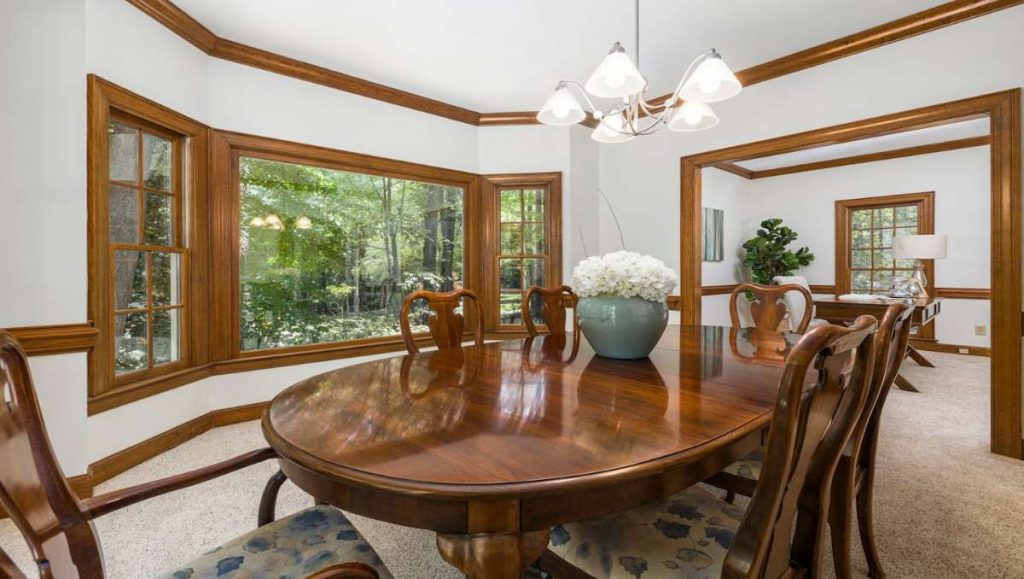
You can usually tell when furniture is well made without anyone needing to point it out. The drawers move smoothly, the surfaces feel solid, and the piece simply feels right in the space. That’s the quiet appeal of Amish brown maple bedroom and dining furniture. Brown maple wood furniture has become a popular choice for Amish artisans and homeowners who want durability without the heavy look of darker woods.
Key Takeaways:
- Brown maple wood furniture is a durable and versatile choice that balances strength, workability, and aesthetic appeal, making it ideal for both bedrooms and dining spaces.
- Amish craftsmanship elevates the value of each piece, offering custom designs, precise joinery, and finishes that highlight the wood’s natural beauty.
- While the upfront cost may be higher than mass-produced furniture, brown maple’s durability and timeless look make it a piece you can enjoy for decades.
In this article, you’ll learn what makes Amish brown maple furniture unique, why it works so well in both bedrooms and dining rooms, and how to decide if it’s the right fit for your home.
What Is Brown Maple Wood?
Brown maple is a North American hardwood valued for its smooth texture, subtle grain, and lighter natural tone compared to many traditional furniture woods. From a taxonomy standpoint, brown maple isn’t a distinct species but a trade term for soft maple species—most commonly red maple (Acer rubrum) or silver maple (Acer saccharinum). It comes from the soft maple family, which means it’s still a true hardwood, but slightly less dense than species like oak or hard maple.
Brown maple has a Janka hardness rating of around 950 lbf, striking a balance between durability and workability. What sets it apart is its versatility: it can look clean and contemporary with a clear finish or take on rich, dramatic character when stained.
Key Benefits of Brown Maple Wood Furniture
Below are some of the key reasons brown maple works so well across different furniture styles and spaces.
Ideal for Staining and Excellent for Painted Finishes
One of brown maple’s strongest advantages is how well it accepts finishes. Its fine, even grain allows stains to absorb consistently, which makes it easy to achieve anything from light natural tones to deep, rich colors. This also makes it a go-to choice for painted furniture, since the smooth surface helps create a clean, professional finish.
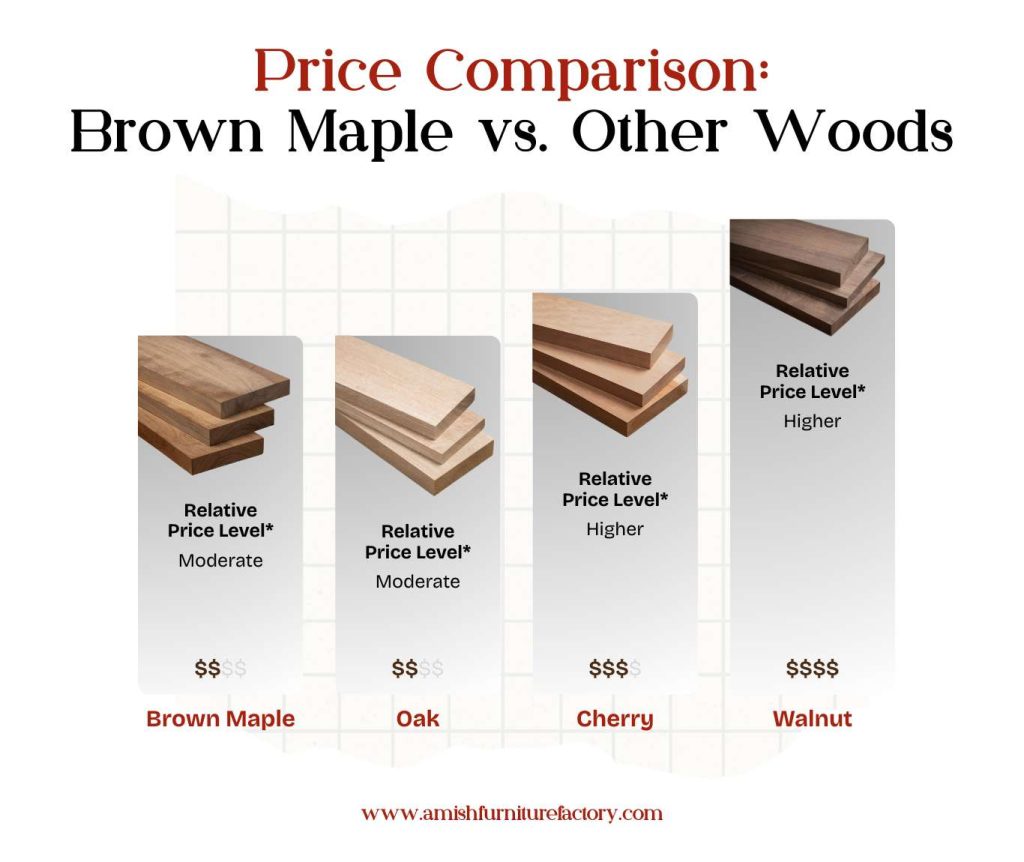
More Affordable Than Cherry or Walnut
Brown maple offers the look of high-end solid hardwood furniture without the premium price tag that often comes with walnut or cherry wood. Because the wood is more readily available, it keeps material costs lower while still delivering durability and visual appeal.
Modern, Versatile Appearance
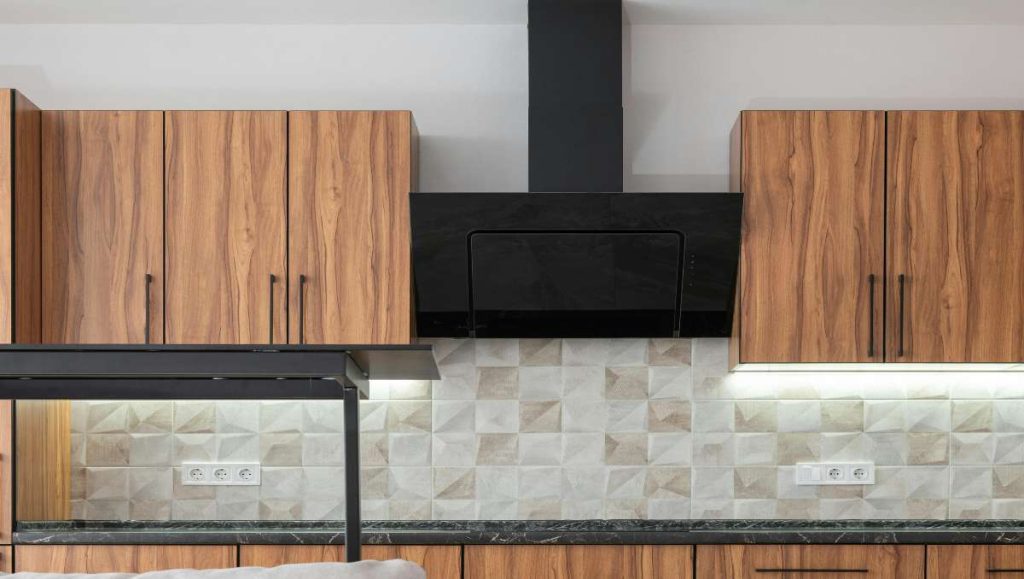
The lighter tone and subtle grain of brown maple fit naturally into modern, transitional, and even minimalist interiors. It doesn’t overpower a room the way darker woods sometimes can, which makes spaces feel more open and balanced.
Perfect for Custom Amish Furniture Craftsmanship
Amish woodworkers value brown maple for its workability and consistency. It responds well to precision joinery, detailed shaping, and custom sizing, which are all hallmarks of true Amish craftsmanship. This makes it ideal for made-to-order furniture.
Brown Maple Compared to Other Maple Varieties
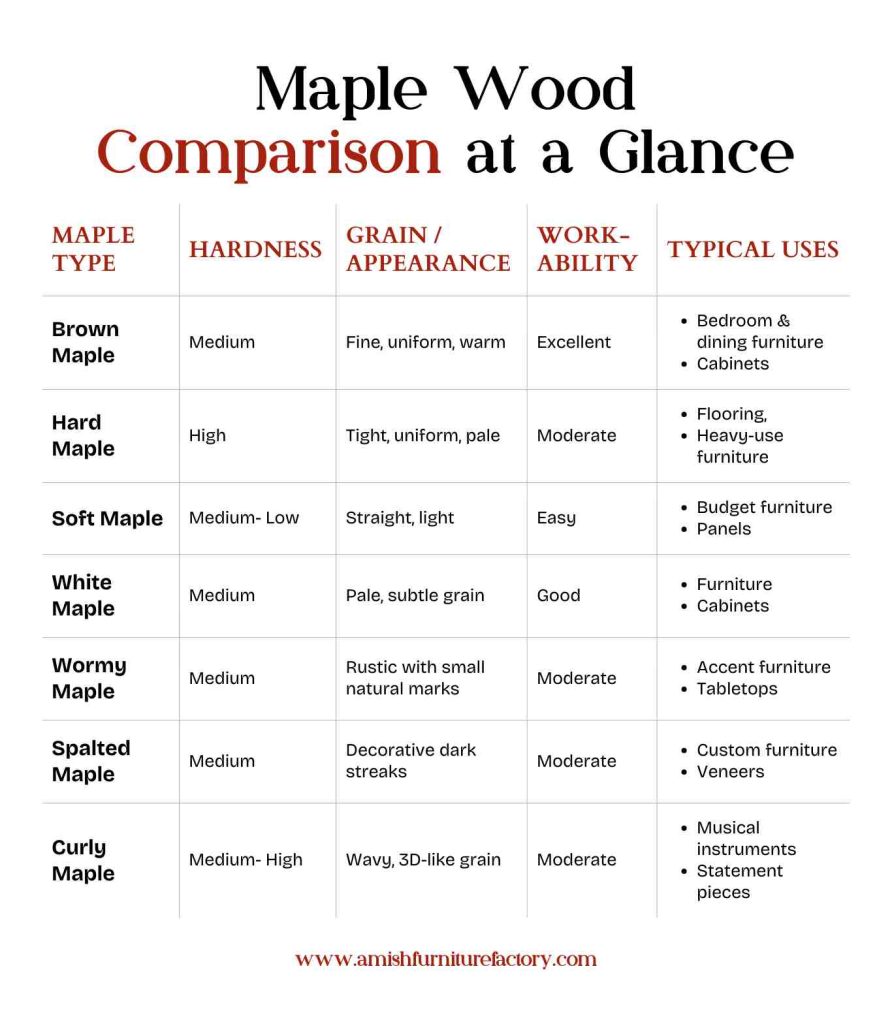
Brown maple is one of several types of maple used in furniture making, and each brings its own characteristics to the table. Hard maple, sometimes called sugar maple, is denser and harder, making it extremely durable but a bit more challenging to shape and prone to blotchy staining if not prepped properly. Soft maple, in contrast, is lighter and easier to work with, but it lacks the long-term durability of brown maple.
Other specialty maples like white maple, wormy maple, spalted maple, and curly maple are often chosen for their unique visual patterns rather than structural properties. Among these, brown maple stands out for its combination of workability, consistent grain, and warm tone.
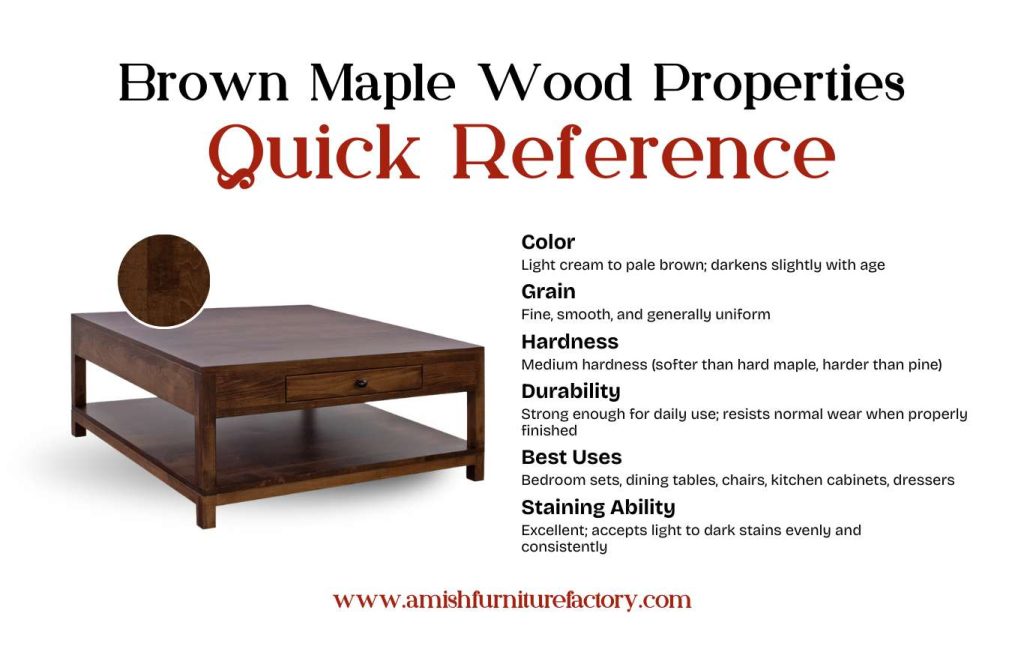
This table highlights the key differences in hardness, grain, workability, and uses across maple varieties, helping you quickly choose the best option for your furniture needs.
Why Amish Builders Prefer Brown Maple Wood Furniture
Amish builders are deeply selective about the materials they use, and brown maple consistently meets their standards for both performance and appearance. The wood’s predictable grain and stable structure make it easier to achieve tight joinery, smooth edges, and precise detailing. When you’re building furniture by hand rather than on an assembly line, that reliability matters. It allows craftsmen to focus on the finer details that define Amish furniture.
Brown maple also supports the custom nature of Amish furniture making. Because it takes custom stain color and paints so well, builders can offer customers a wide range of finish options without changing the underlying wood. Whether someone wants a light, natural look for a modern home or a darker tone for a more traditional space, brown maple provides that flexibility.
Brown Maple Furniture for Bedrooms and Dining Rooms
The brown maple wood has a quiet, natural warmth that works especially well in bedroom and dining spaces.
Brown Maple Beds
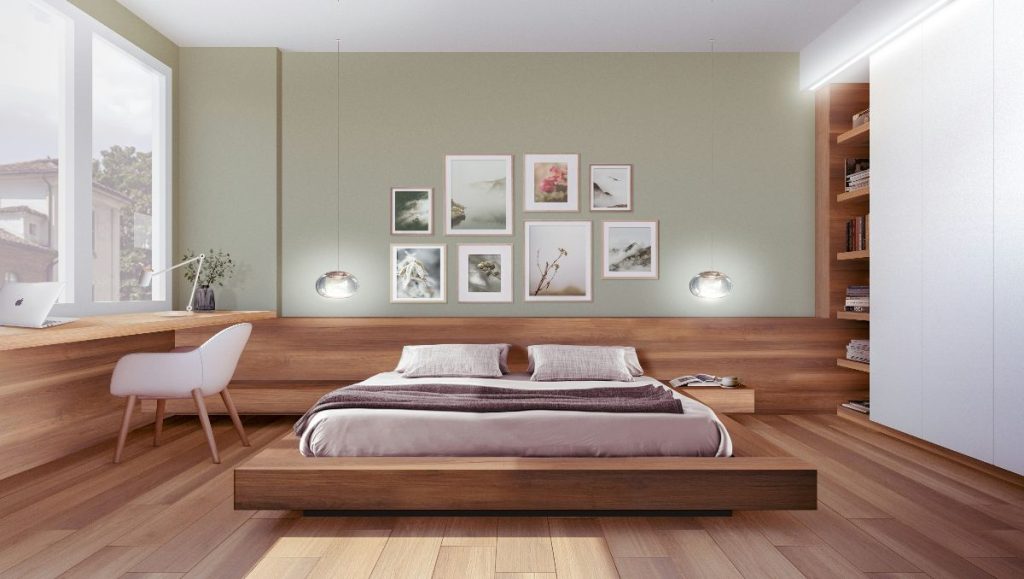
The smooth grain and clean lines complement both simple platform designs and more detailed headboards and bed frames. With proper construction, brown maple beds offer lasting strength while still maintaining an inviting, refined look.
Brown Maple Dressers and Chests
Dressers and chests made from brown maple feel solid and dependable for daily use. The wood’s consistent grain helps highlight craftsmanship details like dovetail drawers and framed panels.
Brown Maple Nightstands and Armoires
Smaller pieces like nightstands benefit from brown maple’s subtle character, adding warmth without visual clutter. Armoires, on the other hand, showcase how well the wood scales to larger designs while still feeling light and balanced.
Brown Maple Dining Tables
Brown maple dining tables hold up well to daily meals, homework sessions, and gatherings. The wood’s durability supports long-term use, while its grain adds subtle character across the tabletop.
Brown Maple Dining Chairs and Benches
Chairs and benches benefit from brown maple’s balance of strength and workability. The wood supports sturdy frames and comfortable shaping, which matters for pieces that see constant use. Its lighter tone also helps seating feel less visually heavy around the table.
Brown Maple Buffets, Hutches, and Sideboards
Storage pieces like buffets and safe hutches showcase brown maple’s clean, refined appearance. The smooth grain works well for panel doors, shelving, and detailed trim without looking busy. These pieces bring both function and understated elegance to the dining room.
Experience the perfect blend of heirloom quality and modern warmth by adding the Jessica dining table in brown maple. to your home today.
What to Expect When Buying Brown Maple Wood Furniture
When you shop for brown maple wood furniture, expect pieces that feel solid from the moment you touch them. Unlike flat-pack or veneer-covered options, solid brown maple will have real substance in every component. Because this wood takes stains so consistently, you’ll often find a wide variety of finish choices, allowing you to match your existing décor or go for something fresh. If you’re ordering from an Amish maker or custom workshop, lead times may be longer than big-box furniture, but the payoff is furniture that’s crafted for durability.
Another thing to keep in mind is value. Brown maple furniture tends to cost more upfront than particleboard or softwood options, but it also typically outlasts them by decades. Compared to solid hardwoods like cherry and walnut, brown maple strikes a middle ground. You’ll still want to consider sizing, complexity of design, and any custom features you choose, as these factors significantly influence the final price.
Is Brown Maple Right for You?
Brown maple is an easy wood to love because it quietly does everything well. It is strong enough for everyday furniture, yet workable enough to allow for clean lines, smooth surfaces, and beautiful craftsmanship. Its fine, consistent grain takes stain exceptionally well, which means it can adapt to almost any style, from light and airy to rich and traditional, without overpowering the room.
While it is slightly softer than woods like oak or walnut and benefits from being placed out of harsh sunlight or heat, these are small tradeoffs for a wood that offers such versatility and warmth. Brown maple shines in indoor spaces where comfort and design matter most. If you want furniture that feels refined, timeless, and thoughtfully made without demanding constant attention, brown maple is a smart, reliable choice that looks great for years to come.
How to Care for Brown Maple Wood Furniture
Caring for brown maple wood furniture is straightforward but important to maintain its beauty over time. Regular dusting with a soft cloth prevents dirt buildup, and using coasters, placemats, or protective pads helps avoid water rings and scratches. Occasional polishing with a wood-safe conditioner can refresh the finish and maintain the wood’s natural warmth without creating a heavy, artificial sheen.
It’s also important to avoid placing brown maple furniture in direct sunlight or near heat sources, which can cause uneven fading or minor warping over time. For deeper cleaning, a mild soap-and-water solution applied sparingly, followed by thorough drying, is sufficient. With proper care, brown maple furniture retains its elegant appearance and functional strength for decades, making it a lasting investment in both style and utility.
Final Thoughts: The Long-Term Value of Amish Brown Maple Furniture
Investing in Amish brown maple furniture means choosing quality, durability, and timeless style. While it may carry a higher upfront cost compared to mass-produced options or softer woods, its longevity and classic appeal make it a smart long-term investment. Brown maple’s ability to accept finishes, its balanced strength, and its natural warmth allow it to blend seamlessly into various home styles, from traditional to modern.
Beyond looks, the value lies in the craftsmanship. Amish furniture is built to last decades, often becoming character-filled pieces passed down through generations. The combination of solid brown maple wood, meticulous joinery, and customizable options ensures that your furniture is not just functional but a lasting centerpiece in your home.
Frequently Asked Questions
Is maple a good wood for furniture?
Yes. Maple is a durable hardwood that is strong enough for daily use while being versatile for a variety of furniture styles. It can be easily stained or painted, making it suitable for both classic and modern designs.
Is brown maple harder than oak?
No. Brown maple is slightly softer than oak. While it is still a sturdy hardwood suitable for most furniture, oak is denser and generally more resistant to dents and heavy wear.
Does brown maple furniture yellow or darken over time?
Brown maple tends to darken slightly as it ages, especially when exposed to sunlight. The change is usually subtle and adds warmth to the wood rather than a significant color shift.
Is Amish brown maple furniture worth the higher price?
Yes. The higher cost reflects the quality of the wood, the Amish handcrafted joinery, and the long-lasting durability. When maintained properly, Amish brown maple furniture can last decades, making it a worthwhile investment for those who value both craftsmanship and longevity.