
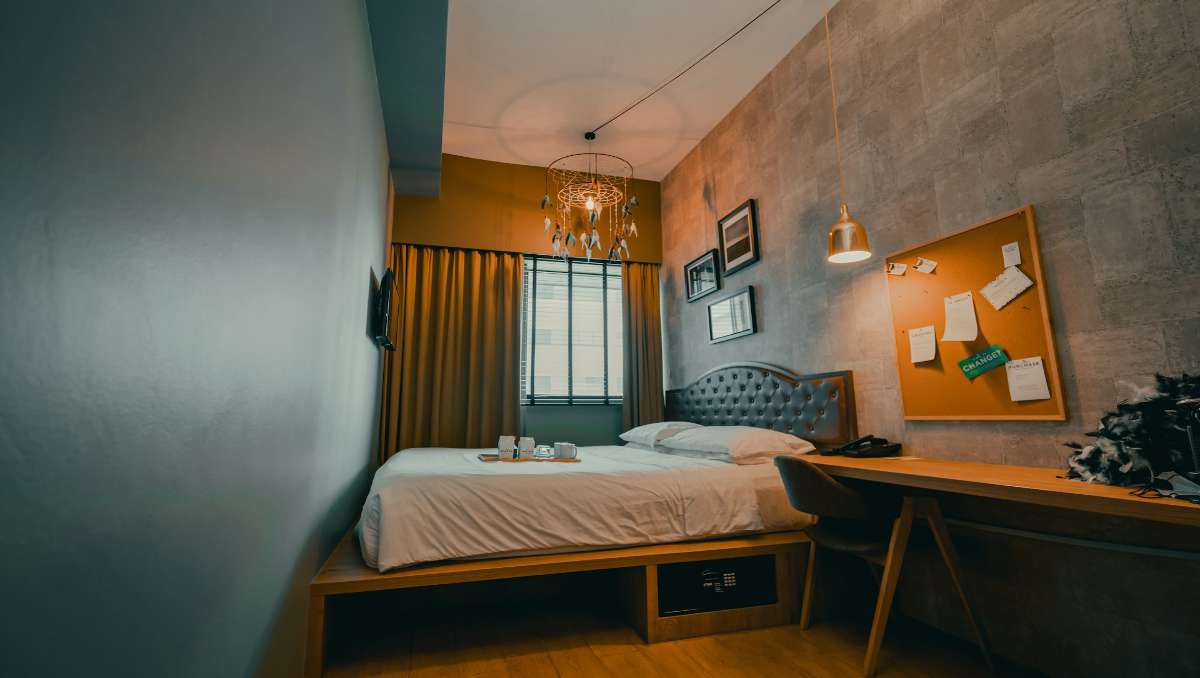
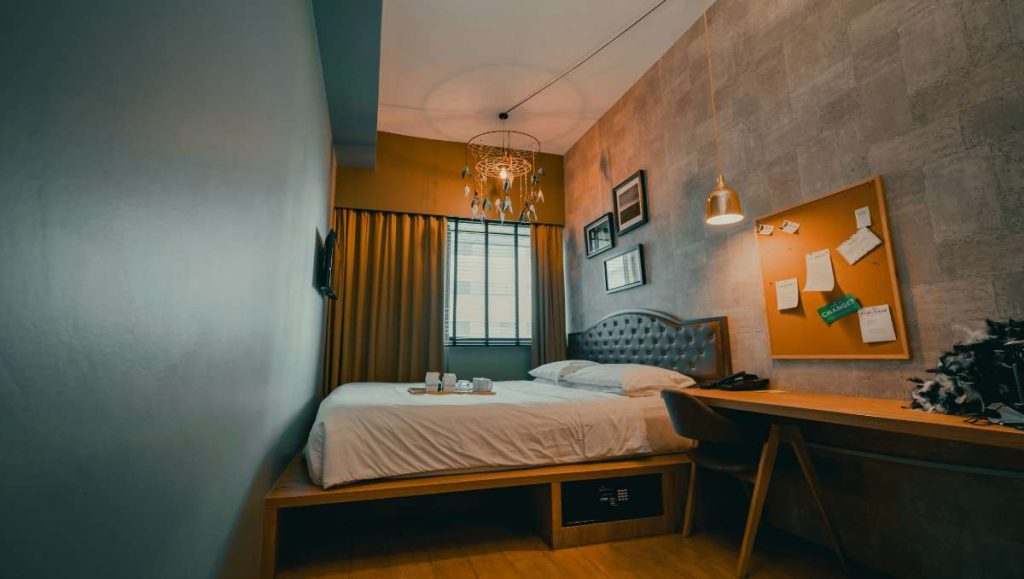
Arranging furniture in long narrow bedroom can feel like solving a puzzle where every inch matters. The layout often limits movement, creates awkward empty spaces, or makes the room feel even tighter than it really is. We’ve worked with many customers facing this exact challenge, and one thing becomes clear quickly: the bed frame you choose plays a bigger role than most people expect.
Key Takeaways:
- When arranging furniture in long narrow bedroom, start with the bed as your anchor and build the layout around it.
- Amish bed frames help furniture layouts by maximizing space through built-in functionality.
- Choose furniture that fits the width, not just the length of the room.
In this guide, we’ll walk you through how Amish bed frames can simplify your layout decisions and help transform a narrow room into a comfortable, well-organized space.
Understanding the Layout Challenges of Long, Narrow Bedrooms
Long, narrow bedrooms can be tricky because limited width often creates a corridor-like layout. Door swings, windows, and tight dimensions can restrict where larger furniture like beds and storage units can go, making the space feel crowded if not planned carefully.
The main challenge in arranging long narrow bedroom layouts is balancing function and flow. You need to keep a clear walkway while giving each piece enough space to work properly. Planning the layout early helps make the room feel more open and usable.
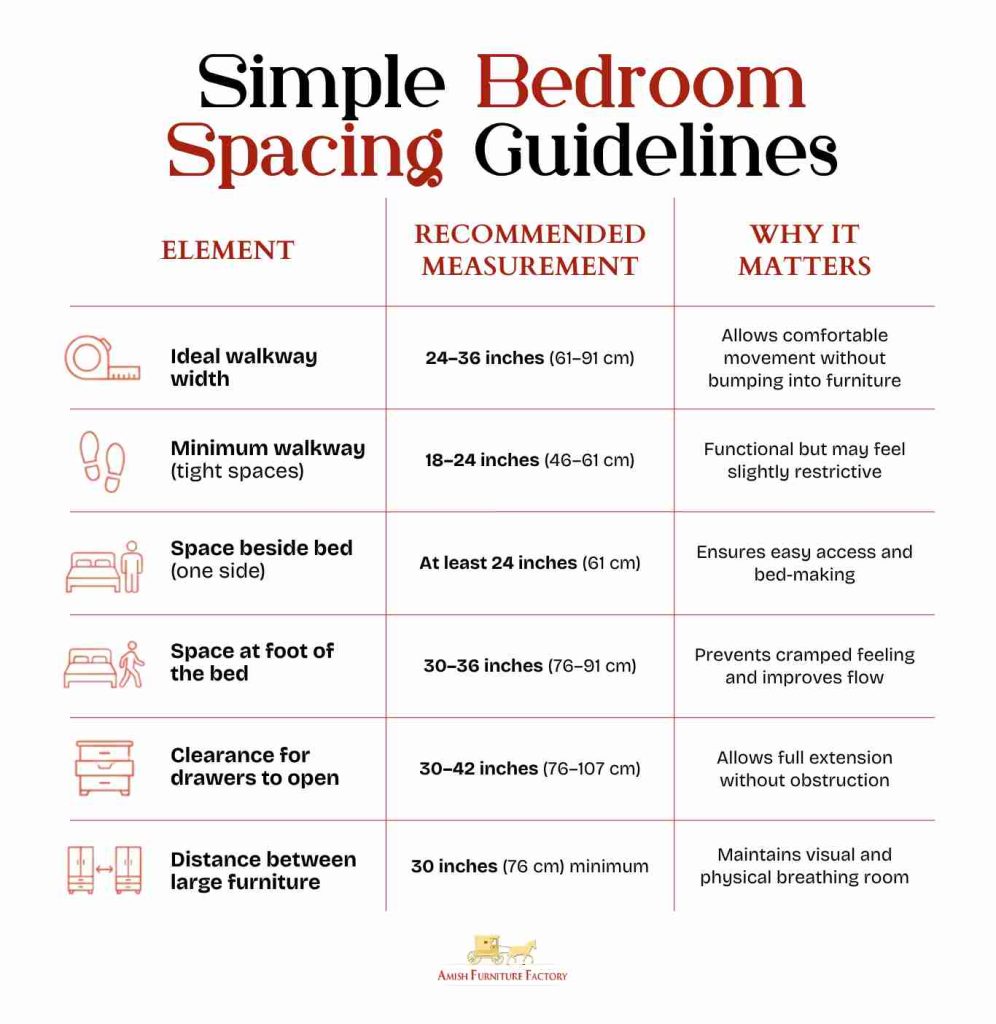
To make these layout decisions easier, here’s a practical reference guide you can use when planning your bedroom setup:
How to Arrange Furniture in a Long Narrow Bedroom
Before getting into layout styles, it’s important to follow a structured approach. Here’s a step‑by‑step approach we often walk customers through when designing challenging layouts.
Step 1: Measure and Define Walkways
Start by noting the room’s total length and width, then identify natural pathways such as the path from the door to the bed or the route to a closet or bathroom entrance.
Walkways should feel easy and uninterrupted. In narrow rooms, even a few extra inches of clearance can make a noticeable difference in flow. We often recommend marking walkways with painter’s tape before moving any furniture to give you a clear visual sense of how much space you actually have to work with.
Step 2: Place the Bed First (Your Anchor)
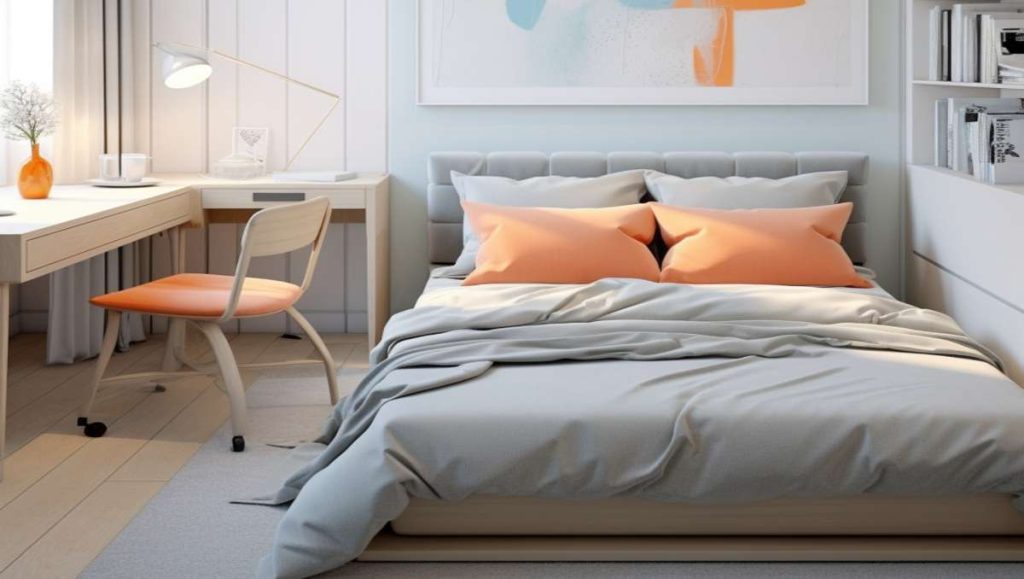
The bed is always the anchor of the room, especially in long, narrow layouts. Its placement determines circulation, impacts symmetry, and sets the tone for the rest of the furniture arrangement. Start by identifying the most practical wall for the bed based on door swings, window placement, and walkway paths.
Here are two primary options:
- Along the long wall → Best for very narrow rooms
- Centered on the short wall → Works if the width allows
| 👉 Tip: In tighter rooms, pushing the bed against one wall often creates the most usable space. |
Step 3: Choose a Layout Style
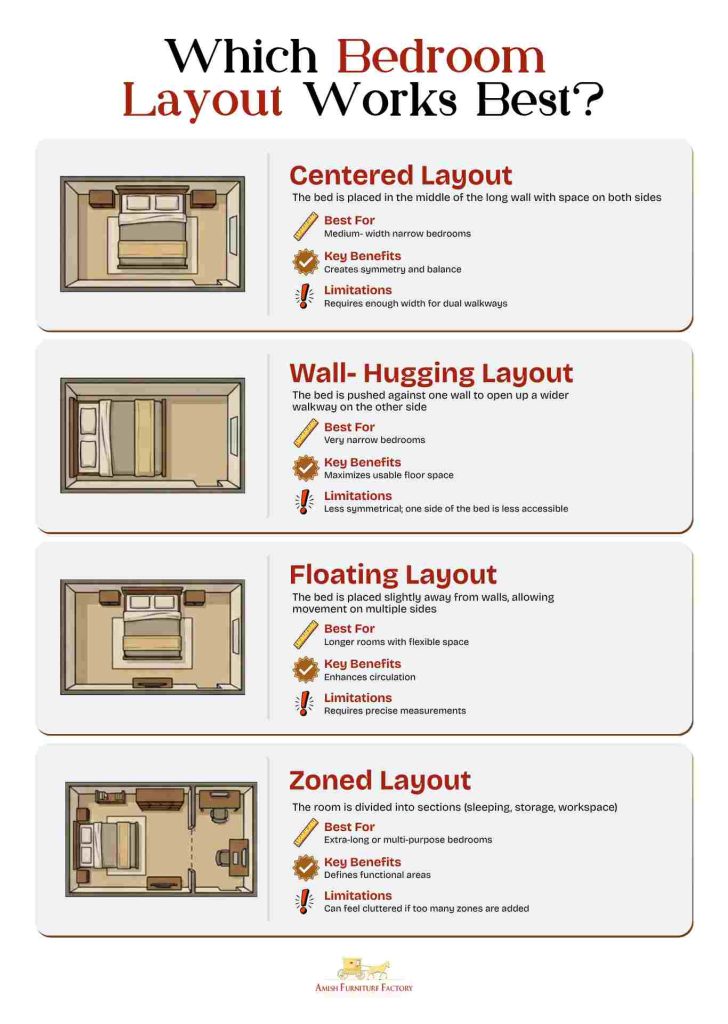
With foundations set, select a layout style that complements the shape and width of your room. A centered layout works well if your room allows space on both sides of the bed. A wall‑hugging layout is often best for more narrow spaces, freeing up a wider, more comfortable pathway. In longer rooms, zoning the space can add definition and prevent the room from feeling tunnel‑like.
Here’s a layout comparison guide:
Step 4: Add Storage Strategically
In long, narrow bedrooms, every storage piece should have a clear purpose and a logical place. Prioritize vertical solutions such as tall dressers or wall‑mounted shelves that keep the floor as open as possible.
This is where Amish bed frames with built-in storage become especially useful. Storage bed with under‑bed drawers or lift‑up platforms allow you to skip bulky dressers while still maintaining ample storage. Learn more about platform beds in this detailed guide.
Step 5: Fill Only What You Need
Focus on essentials: a bed, appropriately scaled nightstands, purposeful storage, and only a few accent pieces if space allows. Every item should support function or add meaningful balance to the room. This minimal yet intentional approach keeps the space breathable and prevents the room from feeling closed in or cluttered.
Space-Saving Strategies Using Amish Bed Frames
Here are the key space‑saving strategies that make Amish bed frames an ideal fit for tighter layouts.
1. Choose Slim, Well-Proportioned Frames to Improve Flow
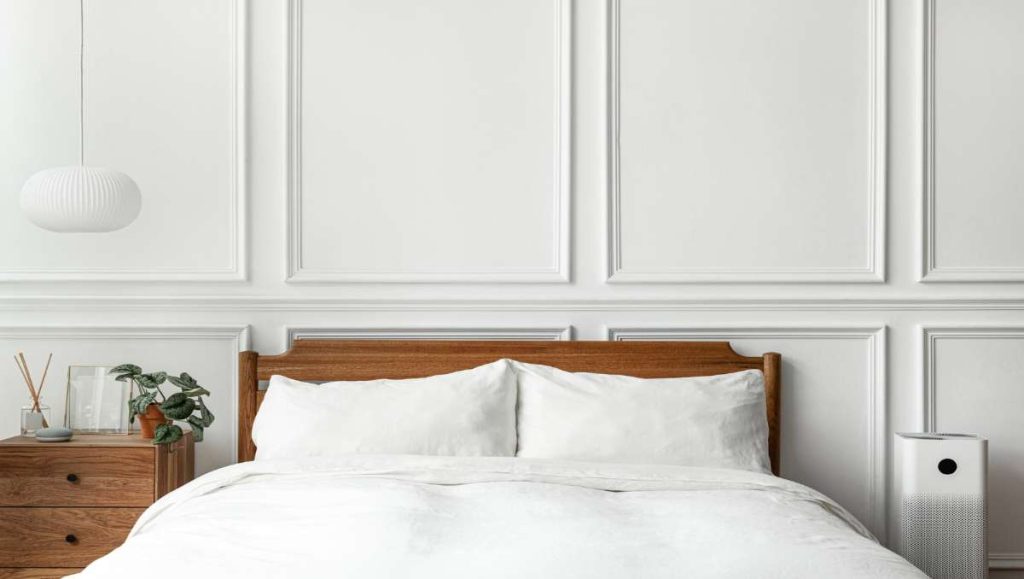
Using a slimmer, thoughtfully proportioned bed frame is one of the most effective ways to improve movement in a narrow bedroom. Amish craftsmanship naturally lends itself to clean lines and balanced design, helping reduce visual bulk without sacrificing durability or support. Pairing the bed with compact nightstands and streamlined furniture also helps maintain clear walkways from the door to storage areas and other key parts of the room.
2. Replace Bulky Furniture with Integrated Bed Storage
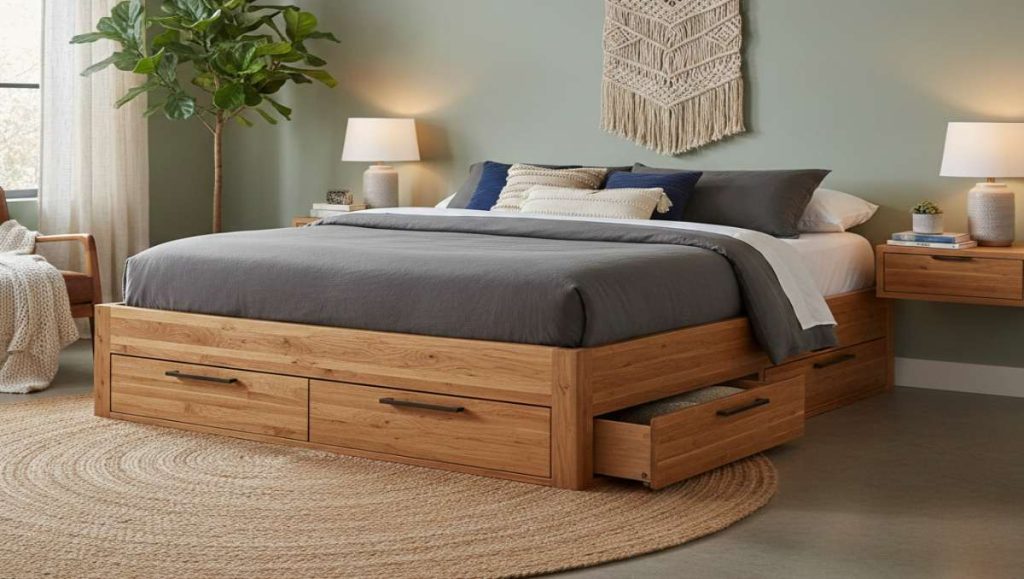
Amish bed frames can incorporate under-bed drawers, lift-up compartments, or side storage that reduces the need for large dressers and storage chests. Consolidating storage into the bed frame helps minimize clutter, keeps pathways open, and makes the room feel less crowded. In tighter layouts, this approach is often more effective than trying to fit multiple oversized furniture pieces into limited floor space.
3. Optimize Tight Layouts with Custom-Sized Bed Frames
Instead of forcing a standard frame into a room with difficult dimensions, custom-sized bed frames allows the bed to fit the layout more naturally. Amish builders can adjust the width, height, or overall proportions to accommodate narrow walkways, window placements, and door swings. A properly scaled bed frame improves circulation throughout the room and leaves space for practical additions like benches, narrow seating, or floating shelves without overwhelming the layout.
4. Maximize Vertical Space with Functional Headboards
Amish bed frames can include taller headboards with built-in shelving, hidden compartments, or display space that adds storage without increasing the room’s footprint. Drawing the eye upward also helps visually balance a long, narrow room. Combining vertical storage with wall-mounted lighting or floating shelves can further improve organization for small bedrooms while preserving valuable floor space.
5. Keep the Layout Intentional and Uncluttered
Long, narrow bedrooms function best when furniture placement is deliberate rather than crowded. Instead of filling every corner, focus on maintaining open pathways and selecting only the pieces the room truly needs. Decorative elements such as artwork along longer walls, a small bench at the foot of the bed, or carefully placed accent lighting can help soften the room’s proportions while keeping the overall design open and easy to navigate.
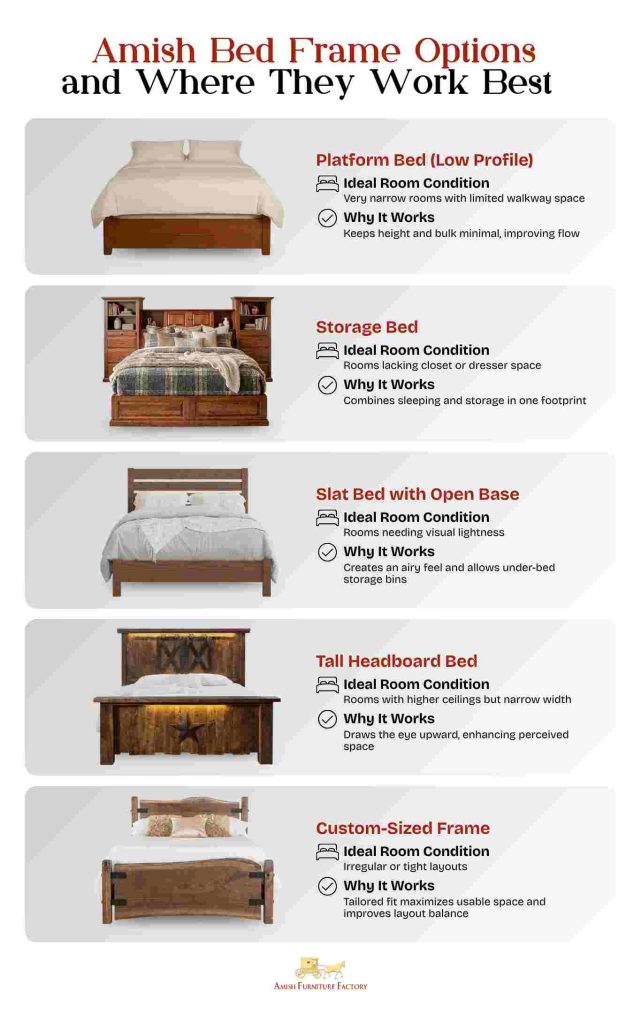
To help you choose the right option, here’s a quick comparison of common Amish bed frame styles and the types of long, narrow bedrooms they work best in:
Maximize your space and style by choosing one of our handcrafted Amish-made beds, designed to offer lasting durability and a perfect fit for your narrow layout.
Conclusion: Creating a Functional, Balanced Narrow Bedroom
Arranging furniture in a long narrow bedroom is about choosing what matters and placing it intentionally. Start with a clear layout strategy, anchor the room with your bed, and build around it with carefully selected furniture. Prioritize movement, scale, and simplicity at every step.
Smart choices like slim-profile or storage-integrated Amish bed frames can make a meaningful difference, especially in tighter spaces. But ultimately, it’s the layout itself that determines whether your room feels cramped or comfortable. With the right approach, even the most challenging narrow bedroom can become a space that feels open and functional.
Frequently Asked Questions
How do I arrange furniture in a long narrow bedroom?
Start by placing the bed first, then maintain a clear path of about 24–30 inches for easy movement. Add only essential, space-saving furniture like slim nightstands and tall dressers, and use vertical or under-bed storage to reduce clutter.
What is the 2/3 rule for furniture?
The 2/3 rule suggests that a key piece of condo furniture like a bed or sofa should take up about two-thirds of the wall or space it sits against. This helps maintain visual balance and prevents the furniture from looking too small or overwhelming for the room.
What makes a narrow room look wider?
Light colors, minimal clutter, and properly scaled furniture can make a narrow room feel wider. Keeping walkways open, using horizontal design elements, and avoiding oversized pieces also help visually expand the space.
What kind of bed frame makes a room look bigger?
Low-profile, slim-framed bed designs generally make a room look bigger because they reduce visual bulk. Beds with open bases or built-in storage also help by minimizing clutter and maximizing floor visibility.