
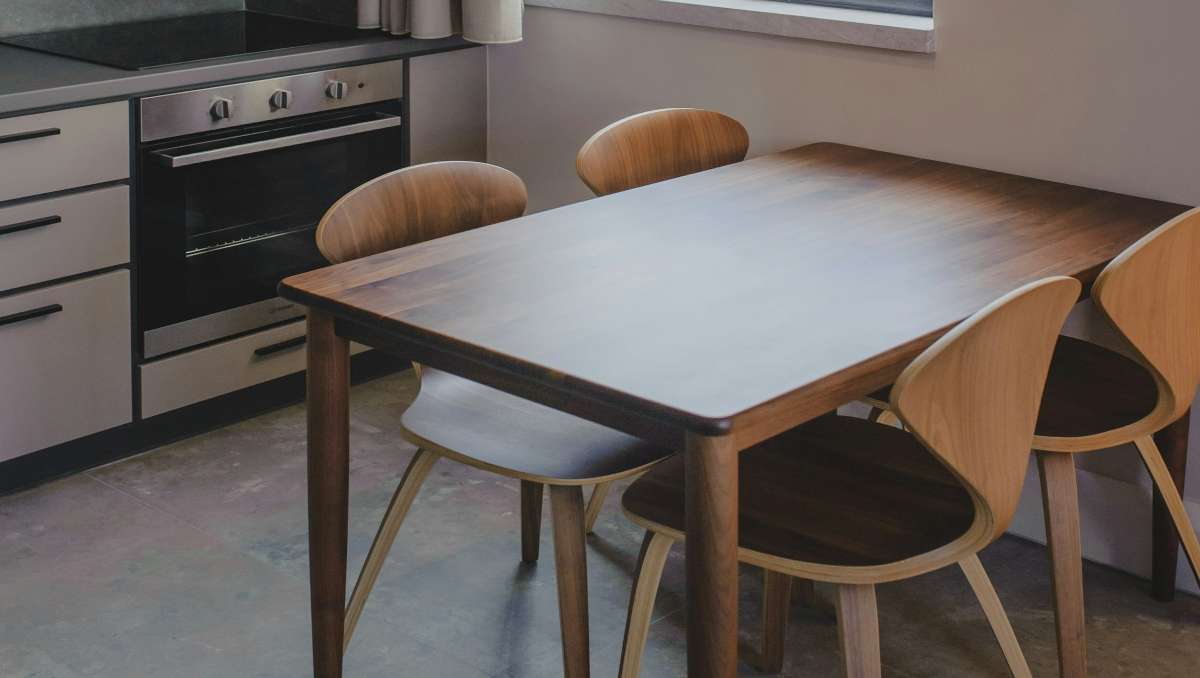
Amish kitchen tables typically sit 28 to 30 inches tall for standard dining, 34 to 36 inches for counter height, and 40 to 42 inches for bar height. It’s in the same ergonomic ranges used across quality furniture, built with the joinery and materials Amish craftsmen are known for. Get the height right and everything else — chair fit, legroom, how the table feels at a family dinner — falls into place. Get it wrong, and no amount of beautiful wood will fix a table that’s uncomfortable to sit at every day.
Key Takeaways:
- Amish kitchen tables follow three standard heights: 28–30″ for dining, 34–36″ for counter height, and 40–42″ for bar height.
- Wood type, table shape, base style, and extension leaves can all be customized to fit your space and needs.
- The right height comes down to your room’s measurements, how you’ll use the table, and making sure chairs and legroom line up comfortably.
Understanding Kitchen Table Height Standards Before Buying Amish Furniture
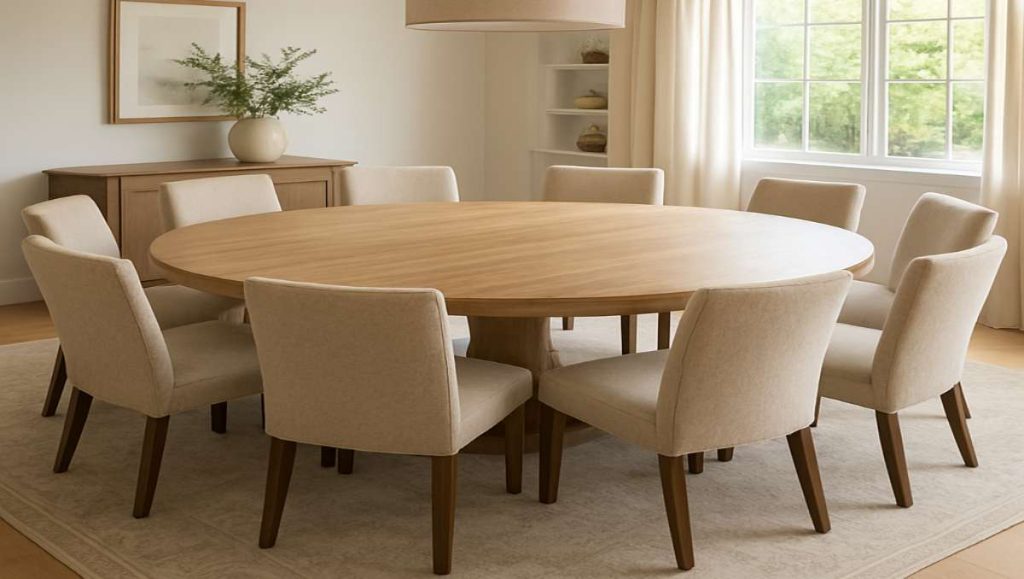
Most dining chairs have seats 17 to 19 inches off the floor. Give or take an inch, you want 10 to 12 inches of open space between that seat and the underside of the tabletop. It’s enough for the knees to clear the apron and feet to sit flat. That’s the math behind the 28-to-30-inch standard, and it’s the same math Amish builders start from before they touch a single board.
Standard Kitchen Table Height in Amish Furniture
Amish furniture makers do not reinvent table height; instead, they build within proven ergonomic ranges while paying close attention to construction details that affect comfort. Tabletop thickness, apron depth (often 3–4 inches), and joinery all influence final measurements.
Standard Dining Height (28–30 Inches)
This is the most traditional Amish kitchen and dining table height, and by far the most common. A 28–30 inch kitchen table height works especially well for everyday family meals because it accommodates a wide range of body types without feeling restrictive. When paired with chairs in the 17.5–19.5 inch seat-height range, it allows feet to rest flat on the floor and arms to sit naturally at the table edge.
Counter Height (34–36 Inches)
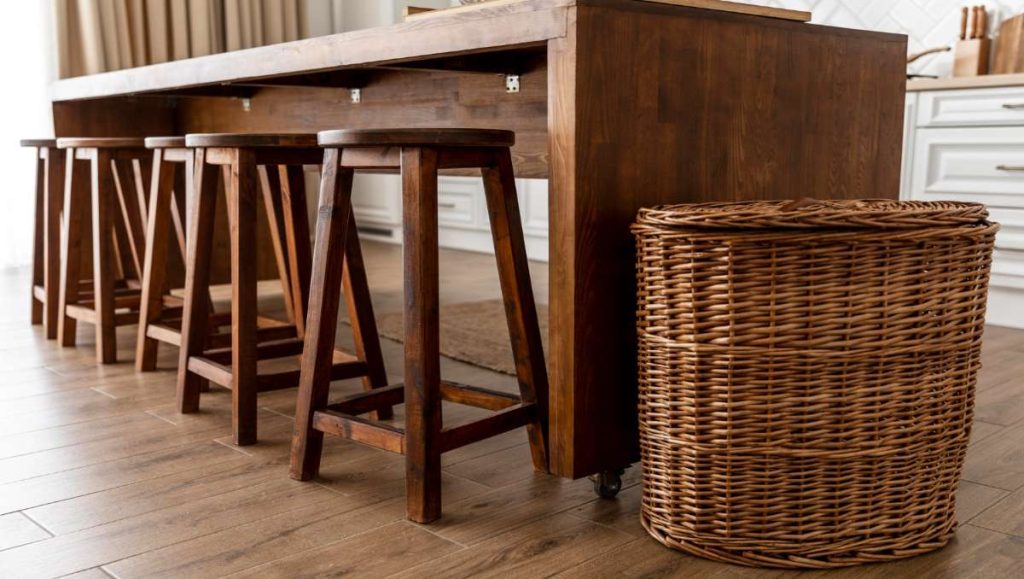
Counter-height tables are designed to align closely with standard kitchen counters, which typically measure around 36 inches high. These tables are paired with 24-inch stools, maintaining proper ergonomic spacing while creating a slightly more elevated, casual atmosphere. In Amish homes, counter height is often selected for breakfast nooks, open-concept spaces, or kitchen island seating rather than formal dining rooms.
Bar / Pub Height (40–42 Inches)
Bar- or pub-height tables are used more selectively in Amish furniture making. At 40–42 inches tall, they are intended primarily for casual or entertainment-focused layouts rather than daily family dining. These tables are typically paired with 30-inch stools and encourage shorter sitting periods. You’ll most often find them in game rooms, basements, social spaces, or compact kitchens where vertical design can help define the room visually.
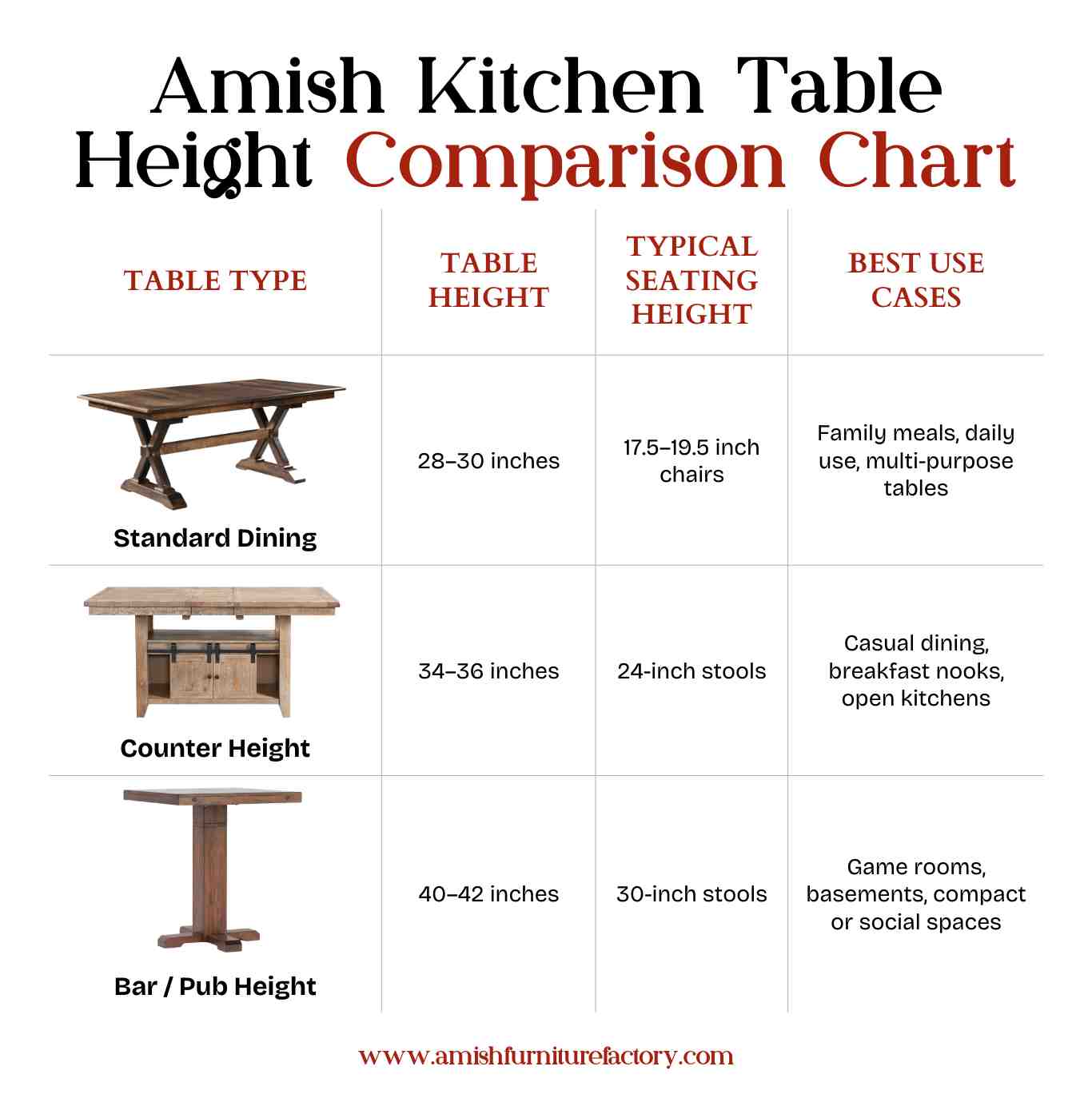
To maximize legroom and comfort, Amish builders generally aim for a vertical clearance of 8 to 12 inches between the chair seat and the underside of the table’s apron.
Common Dimensions Beyond Height in Amish Kitchen Tables
While height is one of the most important measurements, it’s only one part of creating a comfortable and functional dining space.
Typical Table Widths
Most Amish kitchen tables are between 36 and 42 inches wide, giving diners enough room for place settings, serving dishes, and comfortable elbow space without making conversation across the table feel distant. Narrower tables work well in compact kitchens, while wider designs provide extra surface area for family-style meals and entertaining.
Standard Table Lengths by Seating Capacity
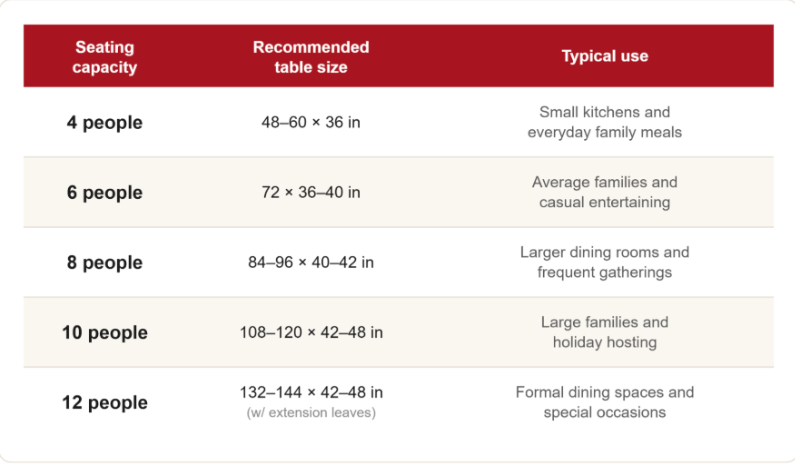
Amish furniture makers generally size tables to provide each person with about 24 inches of personal dining space. Many handcrafted Amish tables are also available with extension leaves, allowing homeowners to keep a compact footprint for daily use while easily expanding the table when hosting gatherings.
The table below provides general recommendations for standard rectangular Amish kitchen tables. Actual dimensions may vary slightly depending on the table design or edge profile:
Recommended Leg Clearance
Most standard-height Amish kitchen tables provide approximately 24 to 27 inches of vertical leg clearance, giving most adults enough room to sit comfortably. Leg placement is also carefully planned to minimize obstructions near the corners, making it easier to fit additional chairs when needed.
Space Needed Around the Table
As a general guideline, leave at least 36 inches between the edge of the table and nearby walls or furniture. If the dining area experiences frequent foot traffic, increasing that clearance to 42 to 48 inches creates a more comfortable and accessible layout.
Customization and Design Options in Amish Kitchen Tables
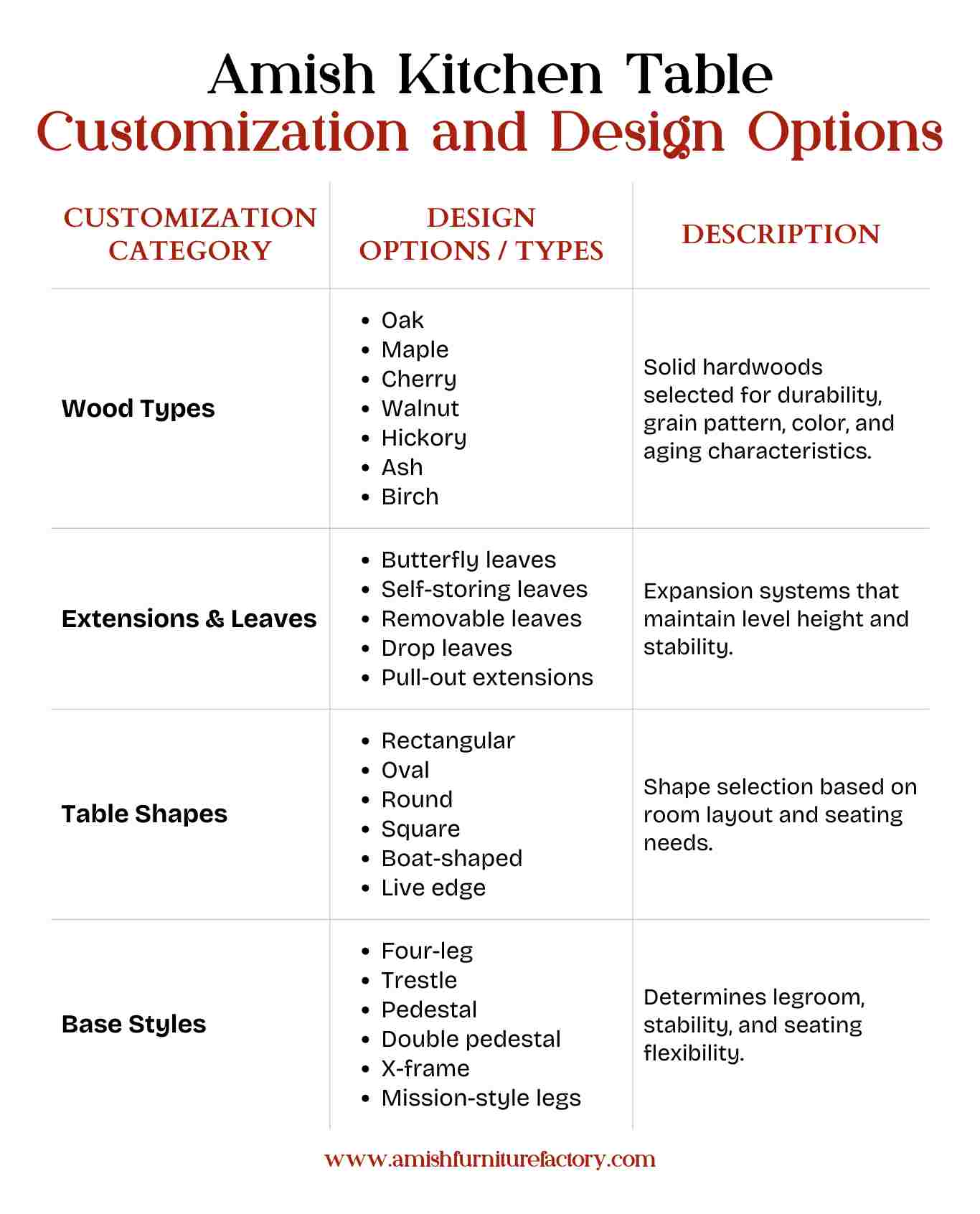
One of the defining strengths of Amish furniture is customization done with purpose. These options allow a kitchen table to be tailored to the space, family size, and daily habits:
Wood Type and Construction Methods
Amish kitchen tables are built from solid hardwoods. Popular wood choices include oak, maple, cherry, walnut, and hickory, each selected for specific grain patterns, hardness, and aging characteristics. Construction methods emphasize mortise-and-tenon joinery, reinforced aprons, and thick tabletops.
Extensions and Leaves
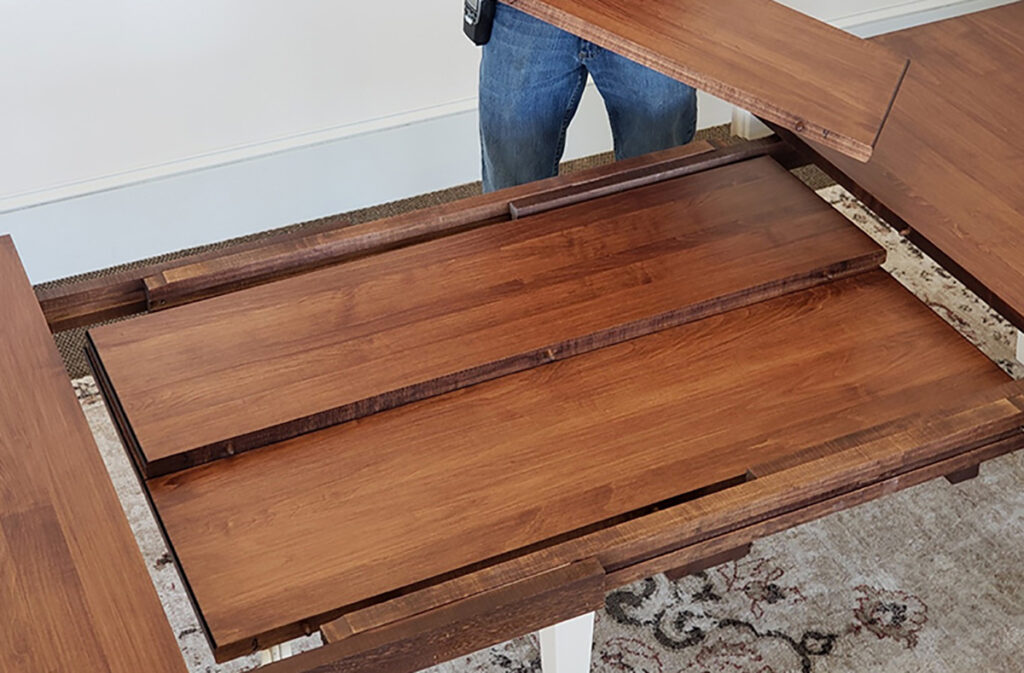
Extensions are a common customization, especially for families who host gatherings. Amish tables often feature self-storing leaves, butterfly leaves, or removable extension leaves, all designed to expand the table without altering its seated height.
Table Shapes
Table shape plays a major role in how a table fits within a kitchen or dining area. Rectangular and oval tables are favored for larger families and longer rooms, while round and square tables work well in compact kitchens or breakfast areas.
Base Styles
The base style determines not only how a table looks, but how it functions. Traditional four-leg bases offer classic stability, while trestle and pedestal bases improve legroom and flexibility when seating more people.
How to Choose the Right Amish Kitchen Table Height for Your Home
Get these four things right, and the table you end up with will fit your space and your family for years, not just for the first dinner party.
- Measure Your Space and Seating First: Measure your kitchen or dining area carefully. Allow at least 36 inches between the table edge and walls, and 42–48 inches in high-traffic areas. Confirm your chair or stool seat height before finalizing table dimensions.
- Identify Primary Use: Consider whether the table will serve as a primary dining surface, homework station, remote work desk, prep area, or combination of uses. Standard dining height typically offers the greatest versatility for extended seating.
- Talk with the Craftsman Early: Amish furniture makers are accustomed to customizing tables to fit specific spaces and needs. Discussing table height, legroom, and seating options early in the design process allows the builder to recommend the best solution for you.
- Account for Multi-Purpose Functionality: If the table will double as a standing task surface or buffet area, counter-height options may be appropriate. Otherwise, traditional dining height remains the most practical solution for everyday meals and extended gatherings.
Upgrade your dining space with our handcrafted Amish tables, built with timeless durability and custom-tailored to your ideal kitchen specifications.
Caring for and Maintaining Your Amish Kitchen Table
An Amish kitchen table can last for generations, but proper care ensures it remains comfortable, stable, and visually appealing. Regular cleaning with a soft, damp cloth and gentle wood-safe cleaners prevents buildup without damaging the finish. Maintaining indoor humidity between approximately 35 and 55 percent helps protect against excessive expansion or contraction.
Using felt pads beneath chairs prevents surface wear, and avoiding prolonged direct sunlight or extreme heat helps preserve color consistency. For tables with extension systems, periodically checking alignment and keeping mechanisms clean ensures smooth operation and level stability.
Final Thoughts on Choosing the Right Amish Kitchen Table Height
The right table height comes down to a few numbers — your chairs, your room, and your family size. Get those right, and the wood, joinery, and finish are what make it last for decades.
At Amish Furniture Factory, we build every table within these proven height ranges, and we’ll adjust them without hesitation when your space, chairs, or family calls for something different. By measuring carefully, considering primary use, and consulting the craftsman early, you can ensure your table not only looks beautiful but also supports everyday activities for years to come.
Frequently Asked Questions
Do Amish table heights affect chair and bench compatibility?
Yes. Choosing the correct table height is essential for pairing with chairs or benches. Standard dining heights (28–30 inches) work best with typical 17.5–19.5 inch chairs, while counter and bar-height tables require taller stools to maintain comfortable seating. Amish builders often guide customers on the ideal seating to match the table height.
Can table extensions change the overall height or comfort of an Amish table?
Properly designed Amish table extensions like butterfly leaves or removable sections do not alter the table’s height. They expand the table’s length while keeping the seating height consistent, maintaining comfort and ergonomic balance for all users.
Can I order an Amish kitchen table at a custom height for a wheelchair or specific ergonomic needs?
Yes. One of the advantages of Amish furniture is customization. Builders can adjust table height to accommodate wheelchairs, standing tasks, or other ergonomic requirements while maintaining structural integrity and traditional design proportions.
Does the thickness of the tabletop change the standard height of the table legs?
Yes, slightly. A thicker tabletop effectively raises the overall height of the table if the legs are not adjusted. Amish craftsmen account for tabletop thickness when designing the leg length, ensuring the finished kitchen table height stays within the intended ergonomic range.
Is 36 inches too tall for a kitchen table?
Yes, 36 inches is generally too tall for a standard kitchen table. A height of 36 inches is considered counter height and should be paired with counter-height stools instead of standard dining chairs.
What is the standard height for a kitchen prep table?
A standard kitchen prep table is typically 36 inches high, matching the height of most kitchen countertops for comfortable food preparation. Some prep tables may be custom-built slightly higher or lower to suit specific users or tasks.