
For much of American history, the hope chest was a familiar presence in the home, often placed at the foot of a bed or stored carefully until it was needed. More than a simple storage box, it represented preparation for the future, family expectations, and pride in craftsmanship, especially in communities where values were passed down through daily work. Though its role has shifted over time, the hope chest remains a powerful symbol tied to tradition, faith, and the meaning of home.
Key Takeaways:
- A hope chest is both a practical storage piece and a symbolic tradition, holding items that prepare a person for adulthood, marriage, or meaningful life milestones.
- Hope chests in American and Amish traditions stem from centuries-old global practices, blending cultural, religious, and familial values.
- The Amish hope chest continues to represent patience, care, craftsmanship, and the thoughtful preservation of memories and intentions.
In this article, we explore the history of the hope chest in American culture and Amish traditions, and how its meaning has evolved over time.
What Is a Hope Chest?
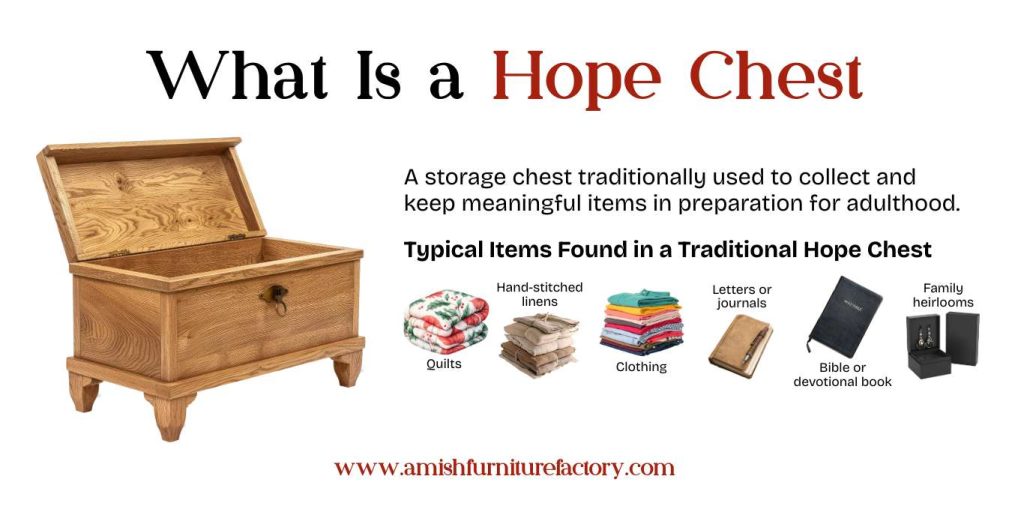
A hope chest is a storage chest traditionally used to collect and keep meaningful items in preparation for adulthood, marriage, and independent life. In simple terms, it’s both a practical container and a symbolic tradition centered on planning for the future. It is also known by other names such as a dowry chest, glory box, or trousseau chest. It’s depending on region and cultural background. Historically, young women filled these chests with household linens, clothing, keepsakes, and handmade items over many years.
The History of the Hope Chest
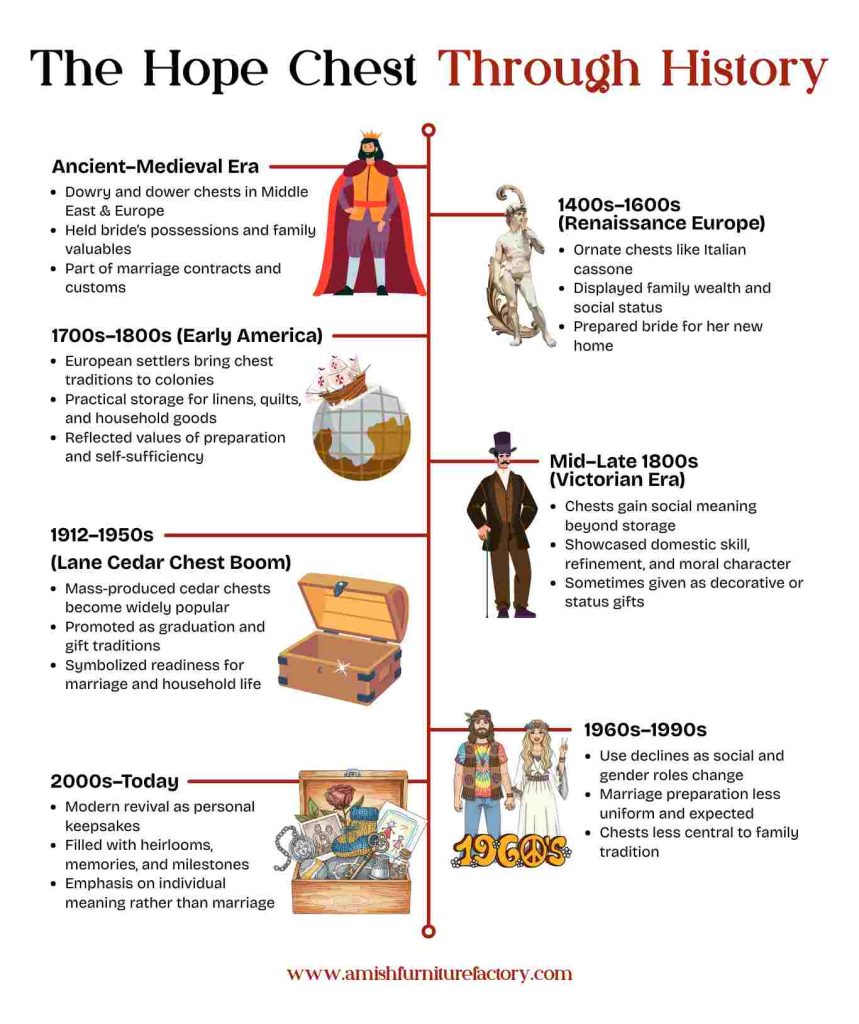
The story of the hope chest spans continents and centuries. It evolves from practical storage to a rich cultural symbol tied to marriage, family, and coming-of-age.
Ancient and Global Origins
Long before the term “hope chest” existed, families across the Middle East and Europe used storage chests as part of marriage traditions. These chests held a bride’s clothing and household goods, from Egyptian dower chests to ornate Italian cassone and dowry boxes throughout Europe. The shared idea was simple preparation for a future household.
Hope Chests in Early America
European settlers brought the tradition to North America, where it became a practical part of daily life in the 1700s and 1800s. Young women stored linens, quilts, and essentials in chests that reflected local materials and immigrant folk art styles. This includes influences later seen in Amish woodworking. Learn more about the best solid wood Amish furniture made in USA here.
The Victorian Era
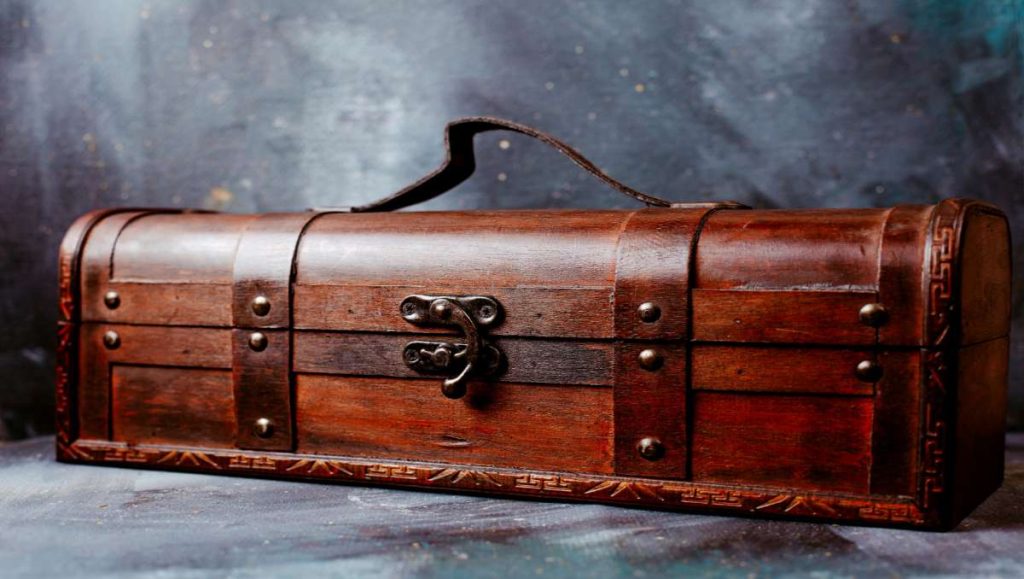
By the mid to late 1800s, hope chests became more decorative and symbolic. They reflected Victorian ideals of domestic skill and respectability, and a well-made chest could also signal social standing. Many were now purchased rather than handmade.
The Lane Cedar Chest Era
In the early 1900s, hope chests became a national tradition through the rise of the Lane Cedar Chest. Founded in 1912, Lane used mass production and marketing to turn cedar-lined chests into a common rite of passage for young women across America.
Decline and Modern Revival
As social roles shifted in the late 20th century, traditional hope chests became less common. Today, they have returned in a more personal form, used to store heirlooms, memories, and meaningful items that reflect individual goals rather than social expectations.
The Hope Chest in Amish Life
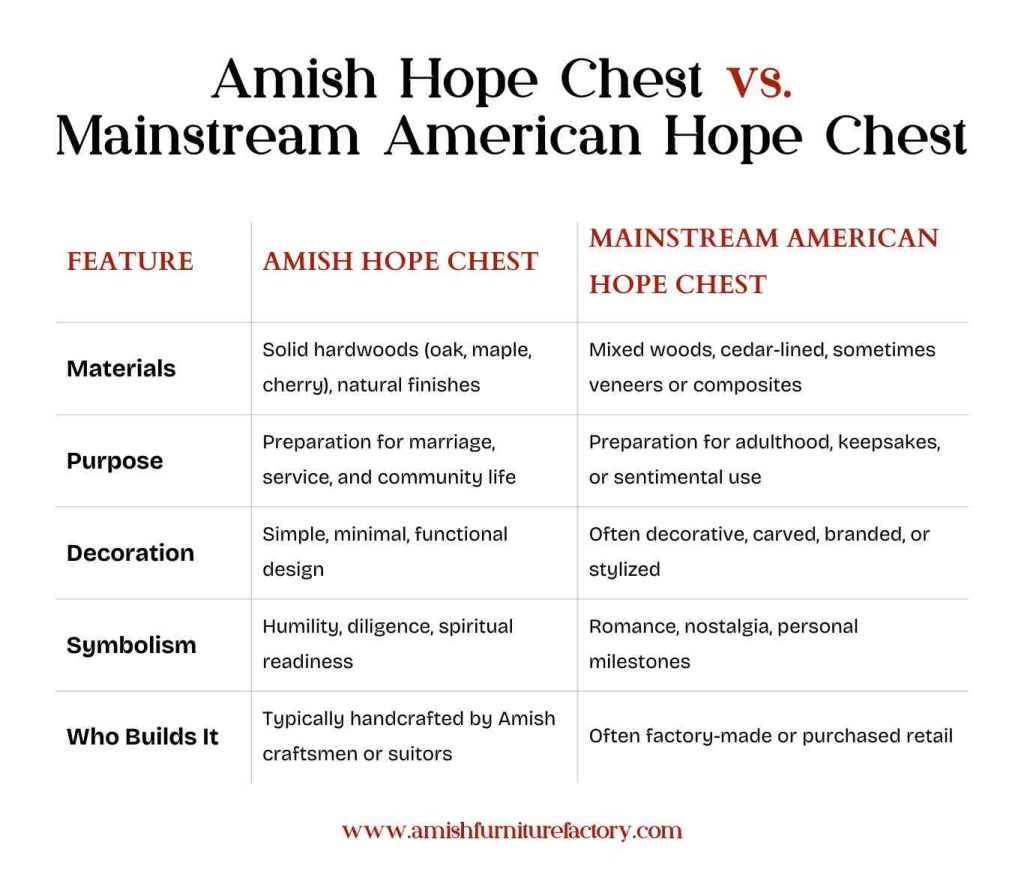
Within Amish communities, the hope chest carries a meaning that is closely tied to faith, discipline, and daily life. Amish youth are taught practical skills from an early age, and woodworking is both a necessity and a respected craft. Many Amish boys learn to build hope chests by hand. They use local hardwoods and time-honored joinery techniques, often creating a chest specifically for a future wife. The process itself reflects values of patience, humility, and stewardship.
For Amish young women, the chest becomes a space for gathering handmade quilts, clothing, and household textiles. Much of which they have sewn themselves. Rather than representing status, the Amish hope chest symbolizes readiness to serve family and community, along with a respect for simplicity and usefulness. Its worth is measured less by ornamentation and more by the care invested in both its construction and its contents.
Different Types of Hope Chests You’ll See Today
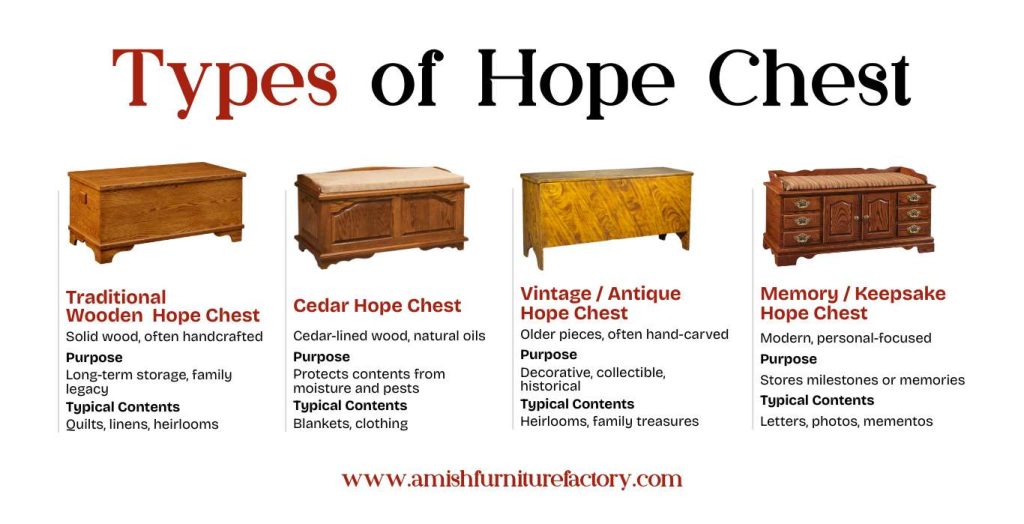
Here are some of the most common types of hope chests you’ll come across now.
Traditional Wooden Hope Chest
This is the classic style most people picture: a solid wood chest, often cedar-lined, built for durability and long-term storage. It’s commonly used to store quilts, linens, and heirlooms passed down through generations.
Cedar Hope Chest
Cedar chests are designed specifically to protect contents from moisture, odors, and insects. The natural oils in cedar help preserve textiles, which makes this type especially practical for blankets and clothing. Learn more about how to clean a cedar chest in this detailed guide.
Vintage or Antique Hope Chest
These are older chests, often dating back several decades or more, valued for their history and character. People often seek them out for their patina, hand-carved details, or family backstories.
Memory or Keepsake Chest
This modern version focuses less on marriage preparation and more on personal milestones. People use them to store letters, photos, baby items, travel mementos, or meaningful life artifacts.
Discover how this timeless tradition can enhance your own home by browsing our authentic, handcrafted Amish chests.
Conclusion: The Enduring Legacy of the Hope Chest
From ancient dowry boxes to Amish handcrafted chests and modern memory keepsakes, the hope chest has always been more than a storage piece. It’s a symbol of preparation, care, and intention. Across cultures and centuries, it has reflected values like patience, skill, and foresight, while also telling stories about family, faith, and personal milestones. Even as lifestyles and traditions have evolved, the hope chest remains a tangible link between generations, carrying both practical and sentimental meaning. Whether crafted by hand, purchased from a store, or repurposed as a personal memory chest, it continues to remind us of the thoughtful preparation and hope invested in the next chapter of life.
Frequently Asked Questions
Why do they call it a hope chest?
The term “hope chest” comes from the idea that the chest holds items in anticipation of future life events, traditionally marriage or adulthood. The word “hope” reflects both the expectation and the intention behind carefully collecting and preserving these meaningful items.
Who buys the hope chest?
Historically, hope chests could be made by family members, the young woman herself, or a suitor. In modern times, they are often purchased as gifts by parents, relatives, or even by the individual who will use it.
Are hope chests still common in Amish communities?
Yes, hope chests remain a meaningful tradition in Amish communities. Though they are primarily handcrafted and focus on practicality, craftsmanship, and family values rather than decoration or status.
How can you tell if a hope chest is antique?
Antique hope chests often show signs of age such as patina, hand-carved details, dovetail joints, and solid wood construction. Other indicators include cedar lining, wear consistent with long-term use, and provenance or maker marks.