
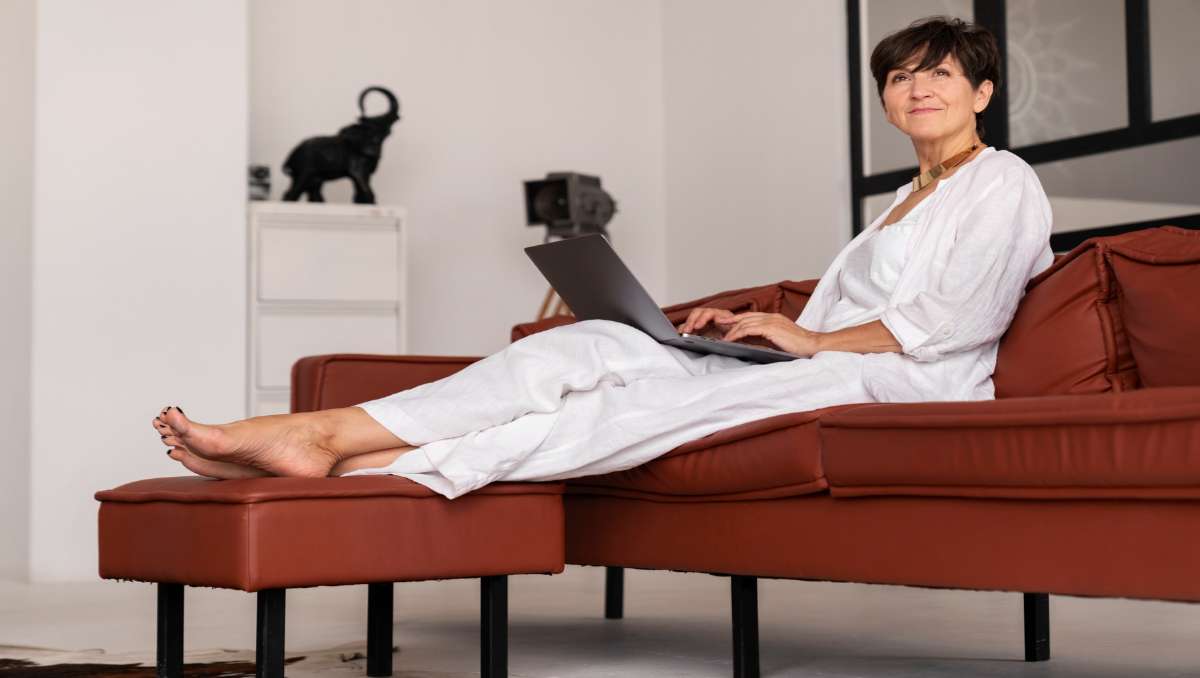
We’ve all been there at the end of a long day, sinking into the sofa, only to realize the one thing missing is that perfect perch for weary feet. That’s where the furniture you put your feet on comes in. This essential piece does more than just elevate your legs. It instantly transforms a good living space into a truly great one. If you think choosing a footrest is simple, you’ll be surprised to learn about the critical role of height, material, and function.
Key Takeaways:
- Furniture you put your feet on enhances both comfort and style, making any space more inviting and functional.
- Choosing the right size, height, and material is essential to ensure optimal comfort, durability, and ease of maintenance.
- Understanding your purpose and room placement helps you select and style footrest furniture that complements your lifestyle and elevates your home’s design.
This guide will show you how to select, style, and invest in the perfect piece to maximize both your relaxation and your room’s aesthetic appeal.
What Is Footrest Furniture?

Footrest furniture is a simple ergonomic tool that helps your body maintain a more natural sitting posture. By elevating the feet, it reduces pressure on the lower back, encourages you to use the chair’s backrest, and keeps the pelvis in a neutral position. A study published in Applied Ergonomics found that using a footrest improved pelvic alignment and reduced low-back muscle strain during prolonged sitting, suggesting that even small changes in foot support can significantly improve posture and comfort.
Footrests also improve circulation by preventing blood from pooling in the lower legs, which is especially helpful during long periods of sitting. Research reported that workers who used a dynamic footrest experienced better lower-leg blood flow and reduced swelling compared to those who did not. Beyond the health benefits, many footrests double as design pieces or functional additions, offering extra seating, discreet storage solution, or a stylish accent.
Popular Types of Furniture You Put Your Feet On
Here’s a look at the most popular types and what makes each of them worth having in your space.
Footstools
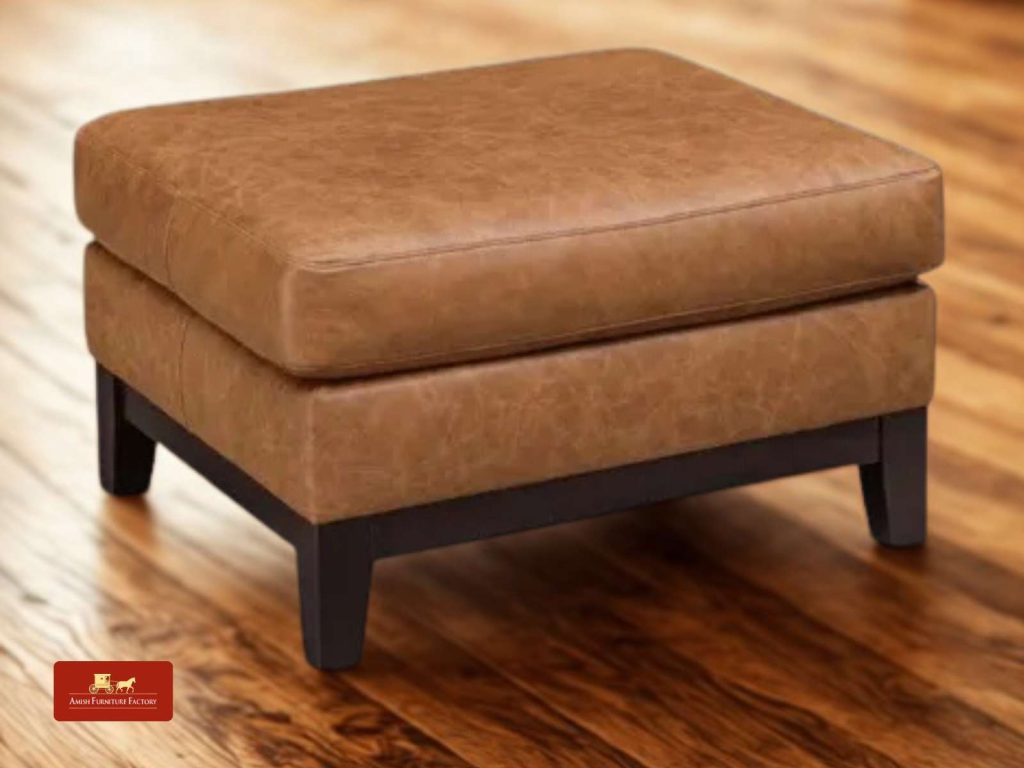
Footstools are the traditional choice for propping up tired feet. Compact and practical, they’re easy to move around and fit neatly under a coffee table or beside your favorite chair. Many come in wood or upholstered finishes, allowing you to match them with your existing home décor. What makes footstools great is their simplicity. They do one job and do it well.
Ottomans
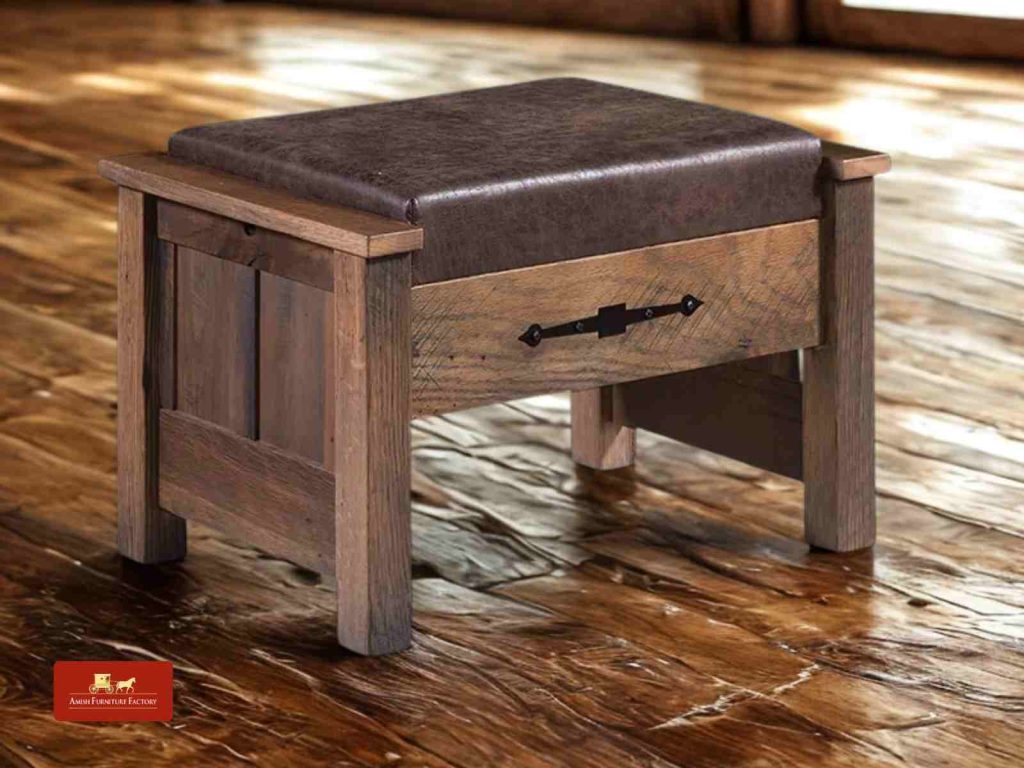
Ottomans are the all-rounders of the foot-furniture world. They’re plush, versatile, and often serve as a centerpiece furniture in living room seating. You can use them to rest your legs, store blankets or magazines, or even as a coffee table topped with a sturdy tray. Their cushioned surfaces add texture and softness to any setup.
Pouffe / Pouf
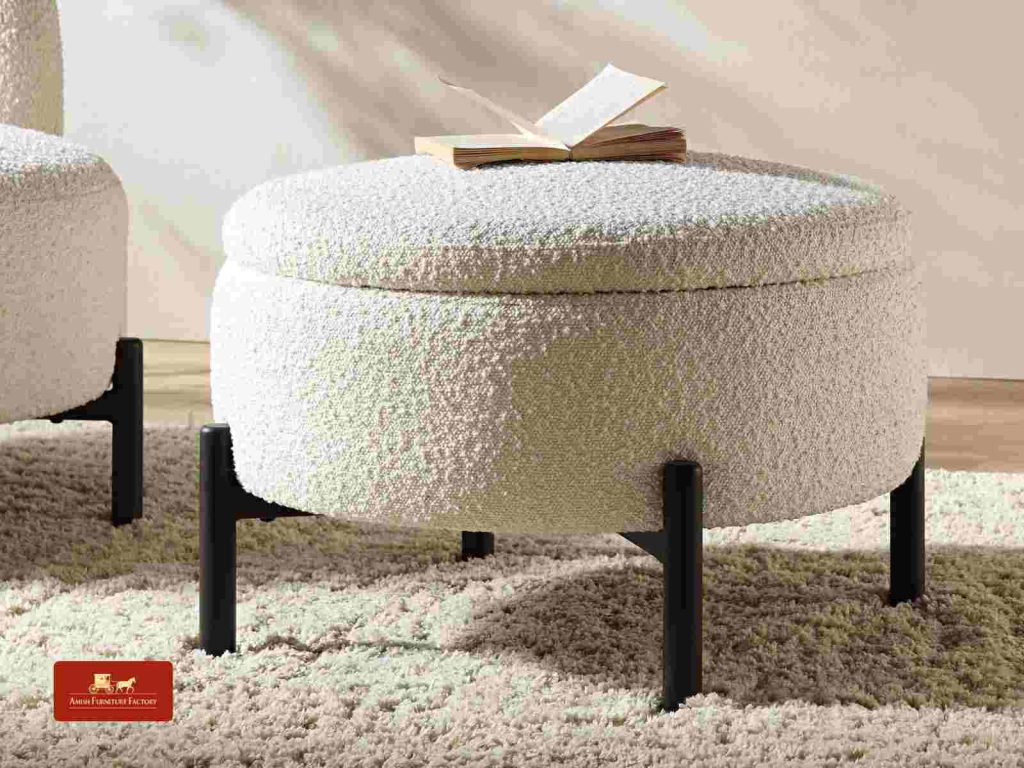
A pouffe (or pouf) brings a casual, cozy vibe to any room. Usually lighter and softer than ottomans, these rounded pieces often feature knitted, woven, or fabric textures that instantly warm up a space. They’re great for adding a laid-back, bohemian touch or for use as an extra seat when guests drop by.
Ergonomic Footrests
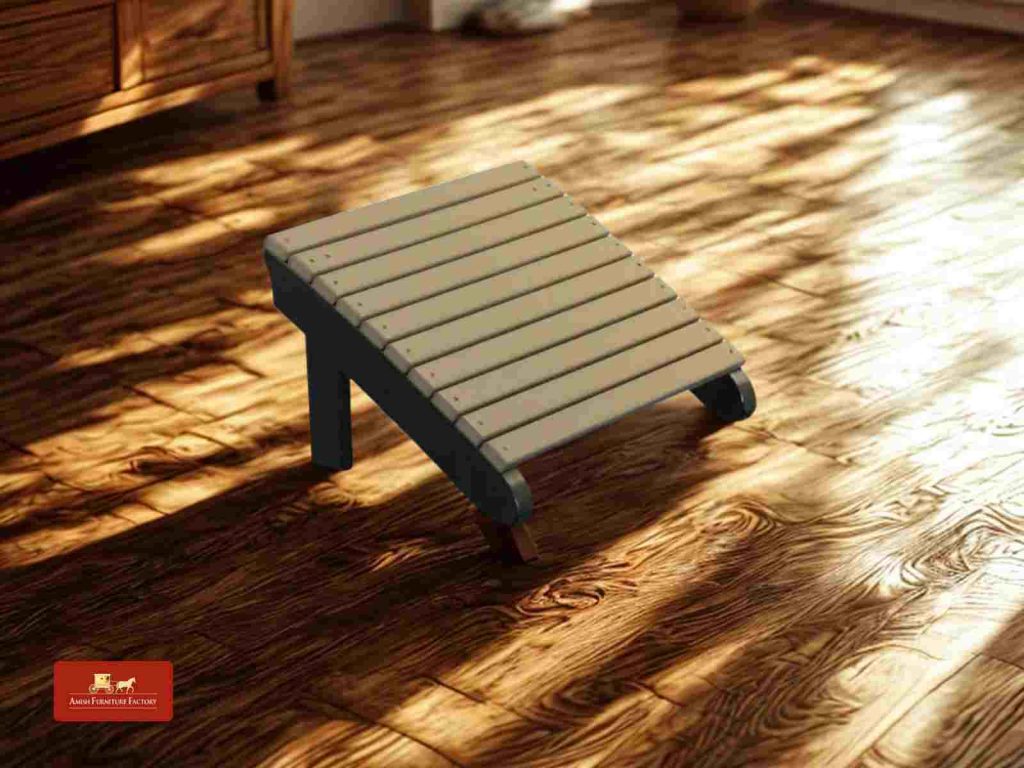
Unlike decorative pieces, ergonomic footrests are designed with posture and health in mind. They’re typically found in workspaces and help reduce lower-back and leg strain during long hours at a desk. Many feature adjustable angles or massage rollers to promote circulation and comfort.
Bedroom or Entryway Benches
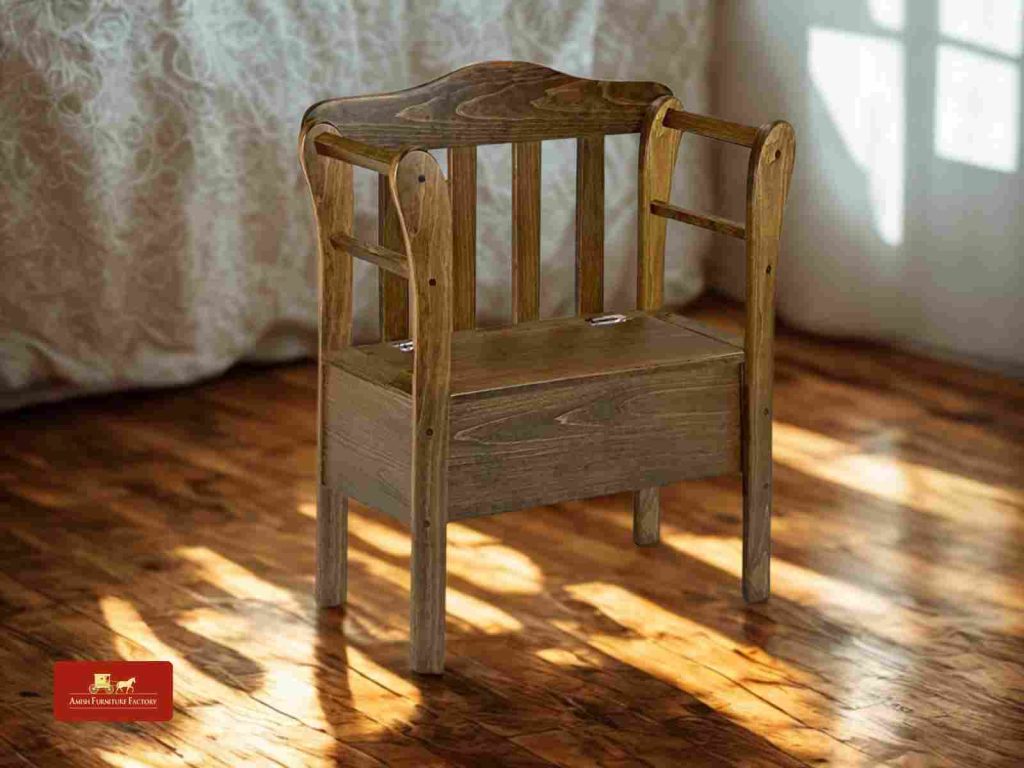
Benches are a stylish hybrid functional enough for sitting, long enough for stretching your legs, and elegant enough to complete a room’s look. In bedrooms, they’re often placed at the foot of the bed for both practicality and symmetry. In entryways, they make it easy to slip shoes on or off while adding a touch of welcome charm.
Upgrade your relaxation with Amish ottomans and footrests! Shop our handcrafted furniture to find the perfect piece to put your feet on.
How to Choose the Right Furniture to Put Your Feet On
Not all footrest furniture is created equal. The right piece depends on your space, lifestyle, and how you plan to use it. Whether you’re after something compact, decorative, or multifunctional, a few key considerations can help you find the perfect fit for both comfort and style.
Find The Right Size and Height
Choosing the right size and height for the furniture you rest your feet on is key to both comfort and support. The ideal piece should let your legs relax naturally without straining your knees, hips, or lower back. If it’s too tall, it can push your legs up awkwardly. If it’s too low, and it won’t provide enough lift to ease pressure. Aim for a height that allows your knees to bend at a comfortable 90-degree angle when seated, with the furniture aligning to your posture and chair height. It should also feel balanced in the space, not oversized or dominating, but substantial enough to complement your seating setup.
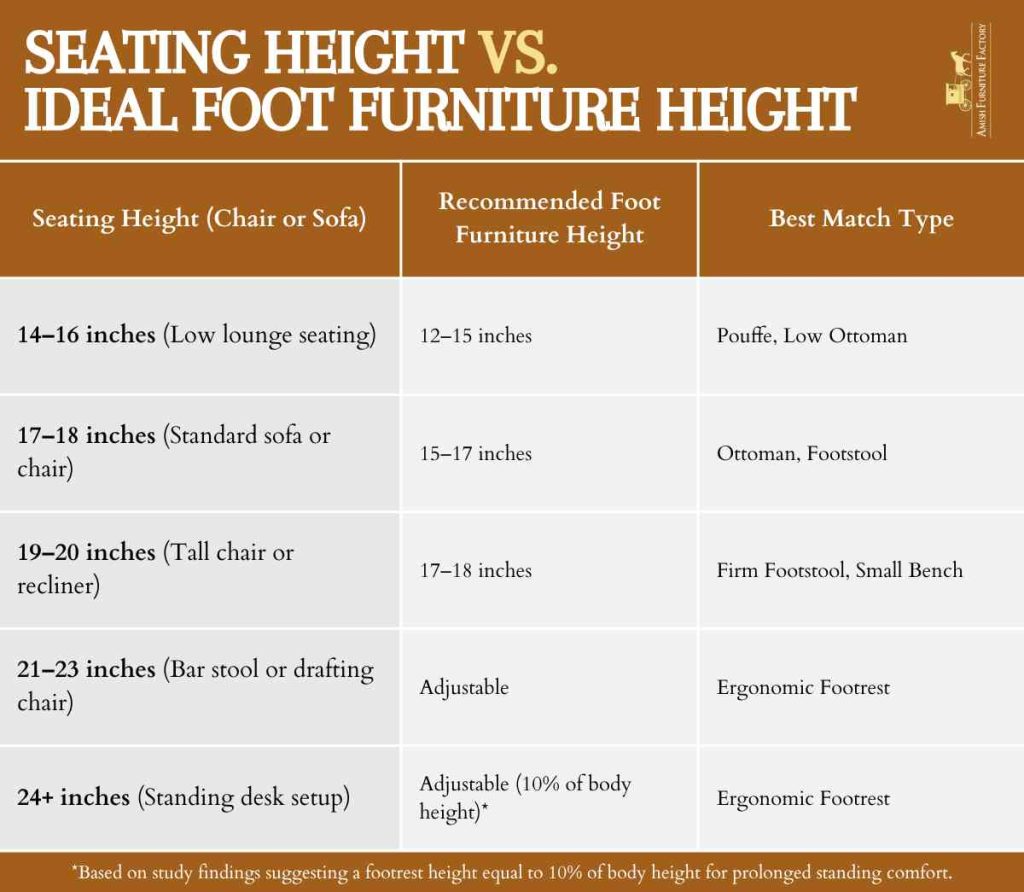
*Based on study findings suggesting a footrest height equal to 10% of body height for prolonged standing comfort.
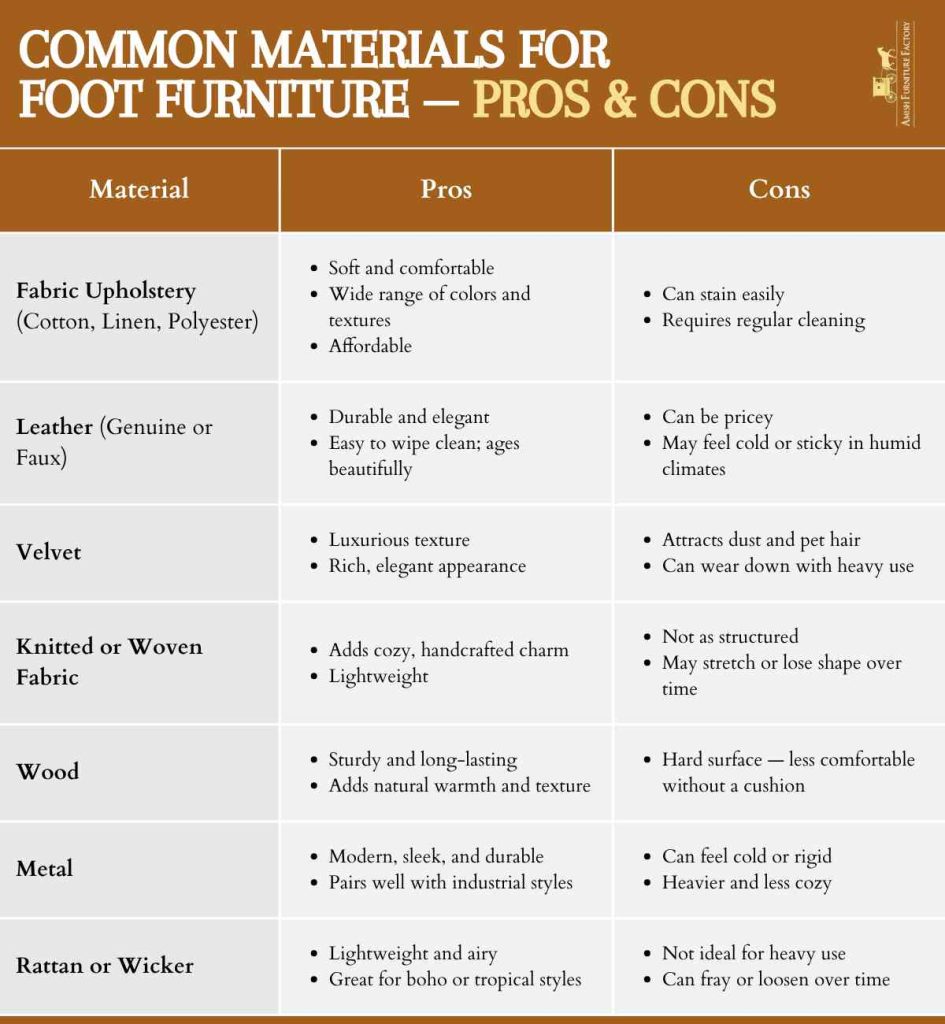
Know the Best Materials, Textures and Styles
The material and texture of footrest furniture play a big role in both comfort and overall style. A soft, plush fabric creates a cozy, inviting feel, while smooth leather or structured upholstery brings a more polished, modern look. Your choice should match your décor but also suit how you’ll use the piece. Choose something durable and easy to clean if it sees daily use, or go for a more decorative option if it’s mainly there to enhance the look of a room. Whether it’s warm and woven or sleek and minimal, the goal is to strike a balance between function, comfort, and design so the piece feels natural in your space.
Determine Your Purpose
Before choosing any piece of furniture to put your feet on, it’s important to consider how you plan to use it. Is it purely for relaxation after a long day, or do you also need it to double as extra seating, a coffee table, or hidden storage? Clarifying the primary function will help narrow down your options and ensure the piece adds real value to your space. For example, if comfort is your top priority, look for cushioned, ergonomic designs. If versatility matters more, consider multi-functional pieces that serve more than one role. By focusing on purpose, you’ll end up with furniture that not only fits your space but also supports your lifestyle.
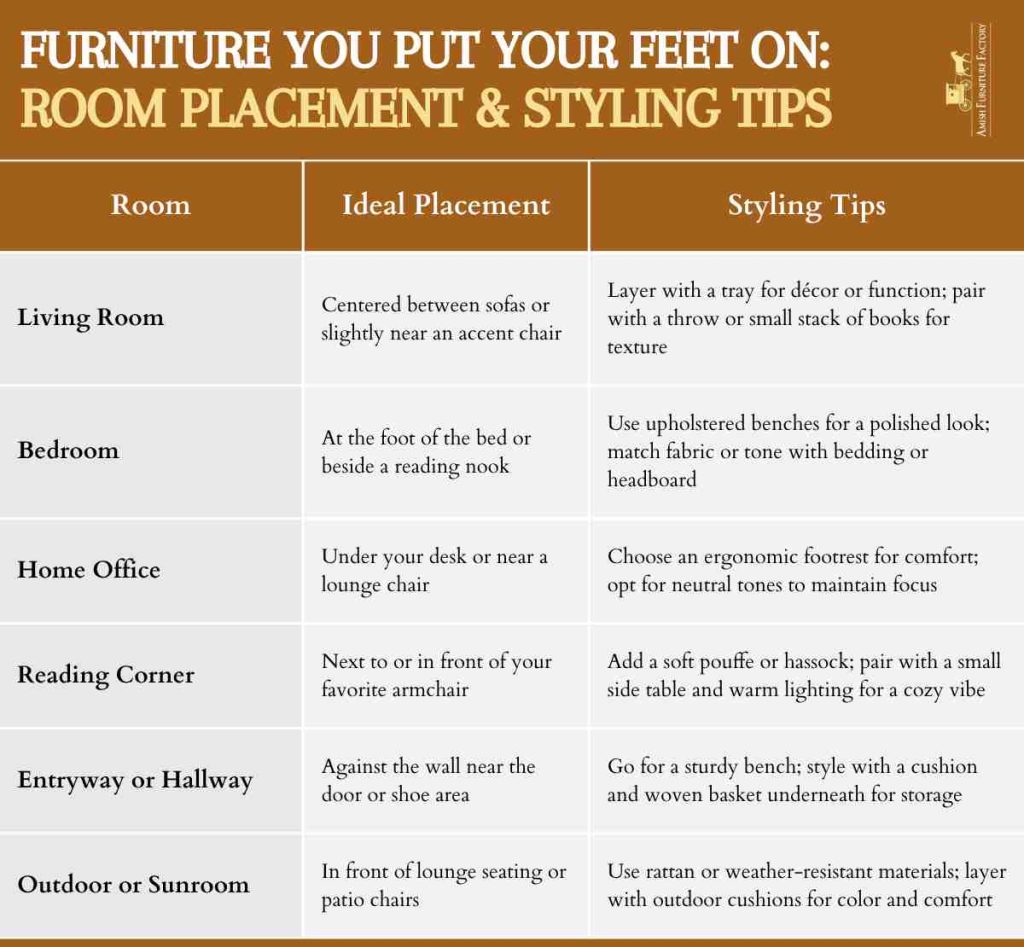
Placement and Styling Ideas for Every Room
Where you place foot furniture can make a big difference in how your space feels and functions. A centered ottoman can anchor your living room, while a tucked-away footstool beside a reading chair adds a cozy, personal touch. The trick is to think of these pieces not just as comfort accessories, but as design tools that balance layout, texture, and flow.
Whether you want to create symmetry, add softness, or bring in a new focal point, foot furniture adapts easily to different rooms. The key is matching placement with purpose. It can be a pouffe that doubles as extra seating, an entryway bench that welcomes guests, or a footrest that keeps your home office ergonomic and clutter-free.
Maintenance and Care Tips
To keep your foot furniture looking fresh and feeling comfortable, a little regular care goes a long way. Start by checking the material. Fabric and upholstered pieces benefit from gentle vacuuming or a quick lint roll, while leather and wood require occasional wiping with a damp cloth and proper conditioners. Rotating or flipping cushions helps prevent uneven wear, especially if you use them daily.
If your foot furniture doubles as storage, keep the inside clean and dry to avoid trapped dust or odors. For high-traffic areas or lighter fabrics, consider using removable covers or stain-resistant sprays for added protection. And just like any statement piece, give it room to breathe, positioning it away from direct sunlight or moisture will preserve its color, texture, and structure for years to come.
Conclusion
From a simple footstool to a statement ottoman, foot furniture brings more than just comfort. It also completes the room. These pieces create balance between relaxation and design, turning everyday moments like reading, lounging, or working into something a little more thoughtful. The right choice not only supports your body but also reflects your personality, blending practicality with charm in every corner of your home.
Frequently Asked Questions
Can an ottoman replace a coffee table?
Yes, absolutely. Many ottomans are firm and flat enough to serve as a coffee table when topped with a sturdy tray. This setup adds softness to the room while keeping it functional. It’s ideal for homes that value flexibility.
What’s the best material for homes with pets or kids?
Durability and easy cleaning are key. Leather (or high-quality faux leather) is a great option because it’s resistant to spills and scratches. Tightly woven fabrics like polyester or performance blends also hold up well against wear and tear. Avoid delicate materials like velvet or loosely knitted pouffes if you want to minimize snags and stains.
How long does foot furniture usually last?
The lifespan of furniture you put your feet on depends on its material, construction quality, and how often it’s used. Generally, a well-built ottoman or bench can last around 7–10 years, while lighter pieces like pouffes or fabric footstools may last about 4–6 years with regular use.
This is a small furniture detail that makes a big difference in comfort and decor.