
Considering we spend roughly one-third of our lives in bed, settling for a mediocre bed is a huge disservice to our health, mood, and long-term well-being. Sleep is an investment, not an expense, and the foundation of that investment is your bed frame. When you decide to elevate your sleep sanctuary, you need something that anchors your room with beauty and durability— you need the best wood bed frame. But with all the choices available today, how do you choose the one that stands the test of time?
Key Takeaways:
- Solid wood bed frames are an investment in long-term comfort and well-being, helping you sleep better and longer.
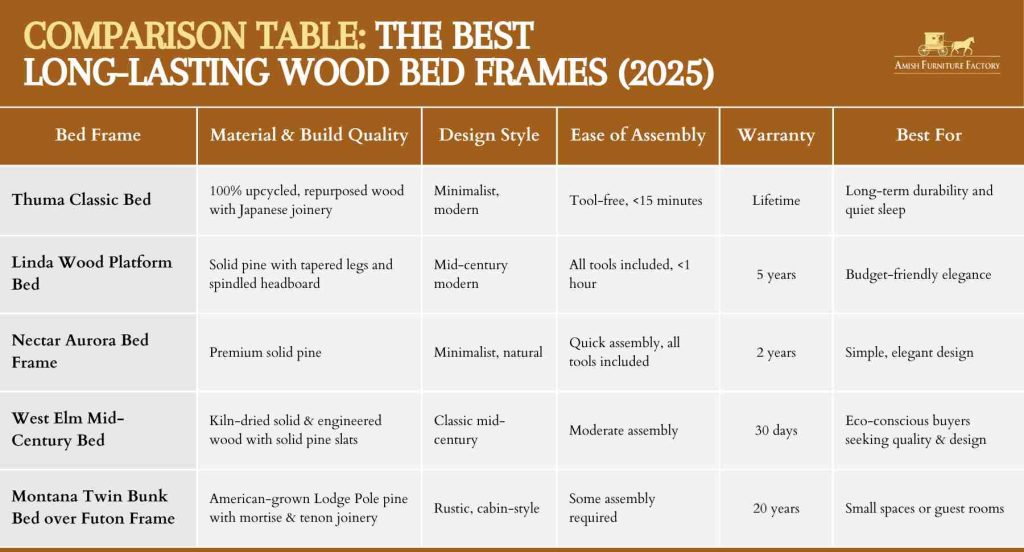
- The top picks for the best wood bed frames include the Thuma Classic Bed, Linda Wood Platform Bed, Nectar Aurora Bed Frame, West Elm Mid-Century Bed, and Montana Twin Bunk Bed over Futon Frame.
If you’re looking for a bed that feels as dependable as it looks beautiful, this guide will help you choose one.
Why Invest in a Wood Bed Frame

Solid wood refers to lumber that is cut directly from trees and used in its natural, unprocessed form, without being engineered or laminated. Beyond its natural beauty, solid wood offers more than aesthetic appeal; it positively impacts comfort and well-being, as shown by a Japanese study revealing that bedrooms rich in wood elements correlate with greater comfort and less insomnia. This suggests natural materials subtly enhance relaxation, reduce stress, and improve sleep quality.
Additionally, wood bed frames are known for their durability and stability, resisting warping, creaking, and sagging that can disrupt rest, while also being naturally less prone to dust mites, mold, and allergens—especially when treated with low-VOC finishes—making them a healthier, long-lasting choice.
As John Winter, licensed therapist and certified rehabilitologist, explains:
“A quality solid wood bed frame provides the consistent, unwavering support necessary for maintaining optimal spinal alignment throughout the night, which is crucial for tissue repair and recovery.”
What to Look for in a Long-Lasting Wood Bed Frame
The right wood frame should balance strength, comfort, and design so that it not only complements your bedroom but also stands firm for years, even decades, of use.
Wood Type and Material Quality
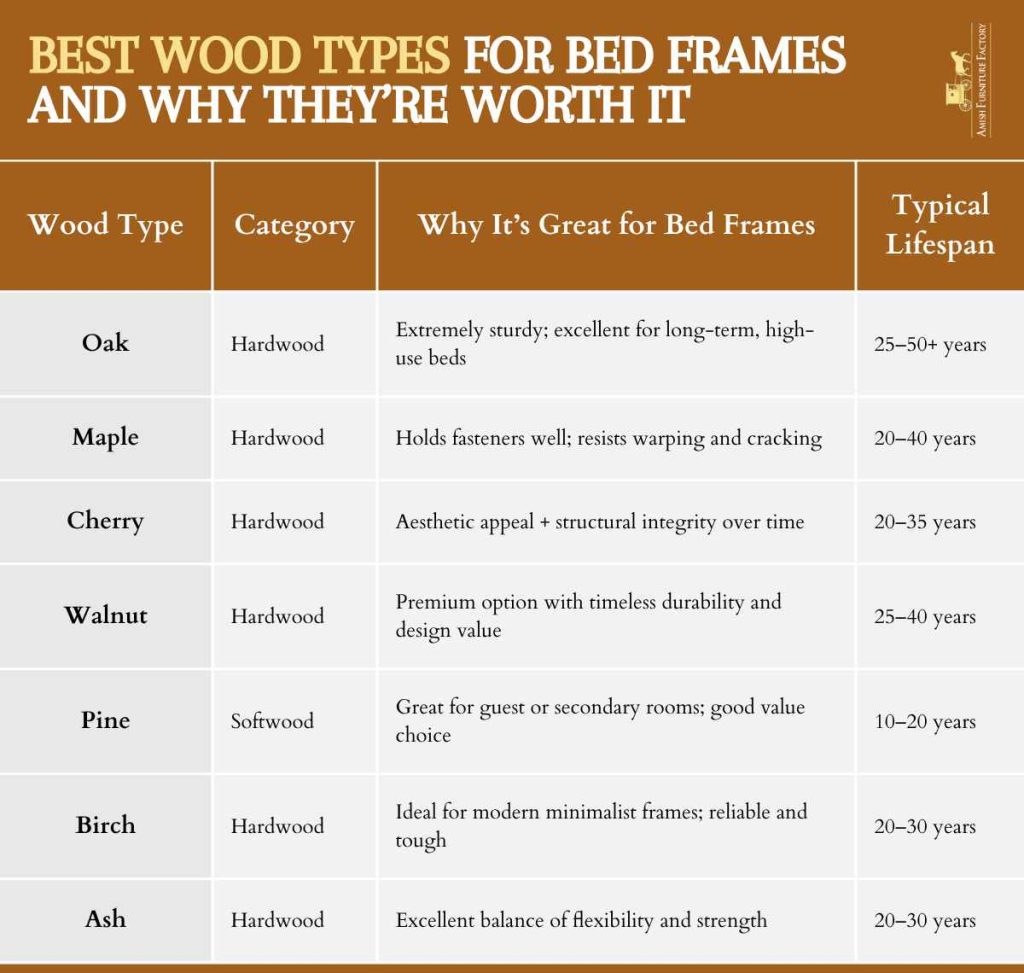
The type of natural wood used in a bed frame plays the biggest role in its longevity and structural integrity. Hardwoods like oak, maple, cherry, and walnut are prized for their density and strength, often lasting 20–50 years with proper care. They resist sagging, warping, and daily wear far better than softer options. According to John Winter:
“Look for solid wood construction with proper center support and appropriate slat spacing — no more than 3 inches apart. The frame should distribute weight evenly to prevent mattress sagging, which can lead to poor sleep posture and back pain.”
It’s also crucial to know which materials to steer clear of due to their poor durability. The primary materials to avoid are:
- Engineered Woods (MDF & Particleboard): Composed of wood scraps and sawdust bonded with glue. They are weak against moisture and stress, leading to swelling, warping, and crumbling.
- Cheap Laminates: A thin plastic or paper sheet with a printed wood-grain pattern, glued onto a particleboard core. They easily scratch, chips, and peels. Damage is irreparable and reveals the low-quality core material underneath.
Construction and Joinery Methods That Determine Strength
The craftsmanship behind a bed frame often matters more than the material itself. High-quality joinery methods such as mortise and tenon, dovetail, or finger joints ensure long-term stability without heavy reliance on metal fasteners that can loosen over time. When assessing a frame, look for tight, seamless joints, minimal gaps, and strong reinforcement at stress points, particularly where the headboard meets the side rails.
As Clayton Eidson, Founder of AZ Health, puts it:
“To me, the choice of a bed frame has very little to do with fads but much more to do with constant performance… Having a bed frame that does not move about, creak, nor wear out is worth a considerable investment, because this direct effect is an important one on sleeping habits.”
Style, Storage, and Practical Design Features
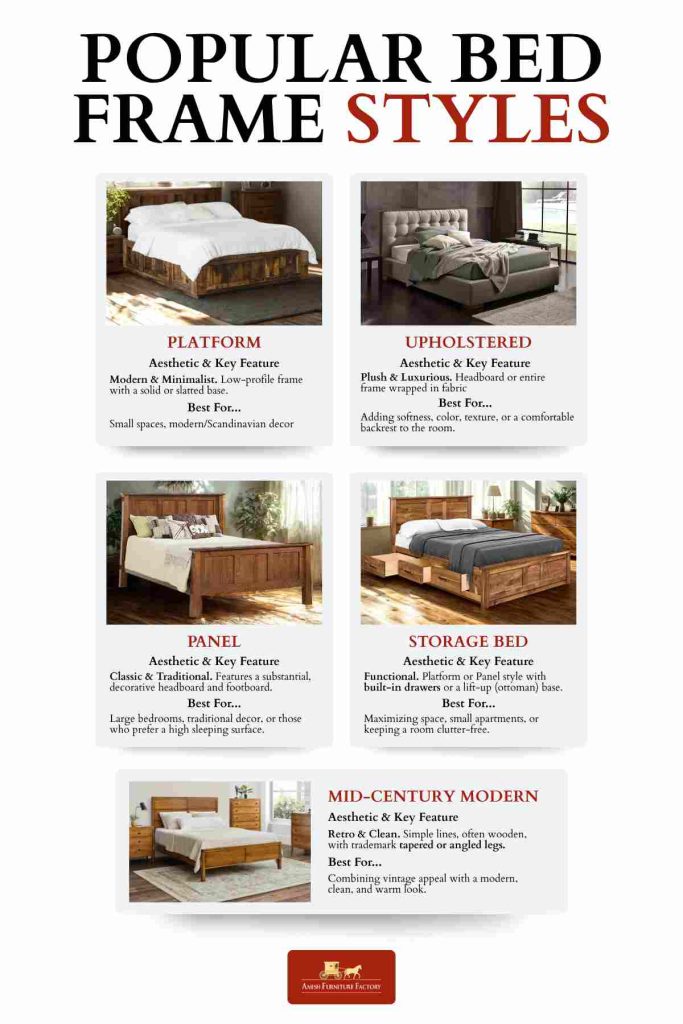
A bed frame should complement both your bedroom layout and your lifestyle. Platform and panel beds offer a clean, minimalist look with reliable mattress support, while storage beds maximize function. Beyond appearance, consider the finish (oil, varnish, or lacquer), which affects how well the frame resists moisture and scratches. Easy assembly systems and replaceable parts are also signs of thoughtful design.
Here are the most popular and trending bed frame styles:
Support System and Weight Capacity
A strong support system is the backbone of a long-lasting bed frame. Slats should be sturdy, evenly spaced (ideally no more than 2.5–3 inches apart for foam or hybrid mattresses), and include a center support rail for queen and king sizes. Frames with weak or flexible slats can lead to premature mattress sagging and disrupted sleep posture. Weight capacity also matters. Look for at least 500–800 lbs total capacity for two sleepers to ensure lasting performance.
The Best Long-Lasting Wood Bed Frames: Top Picks
The selections below were handpicked based on build quality, joinery precision, verified customer reviews, and expert testing from reputable furniture and sleep publications. Each model listed here excels in strength, design, and real-world reliability, making them true long-term investments in your sleep comfort.
1. Thuma Classic Bed
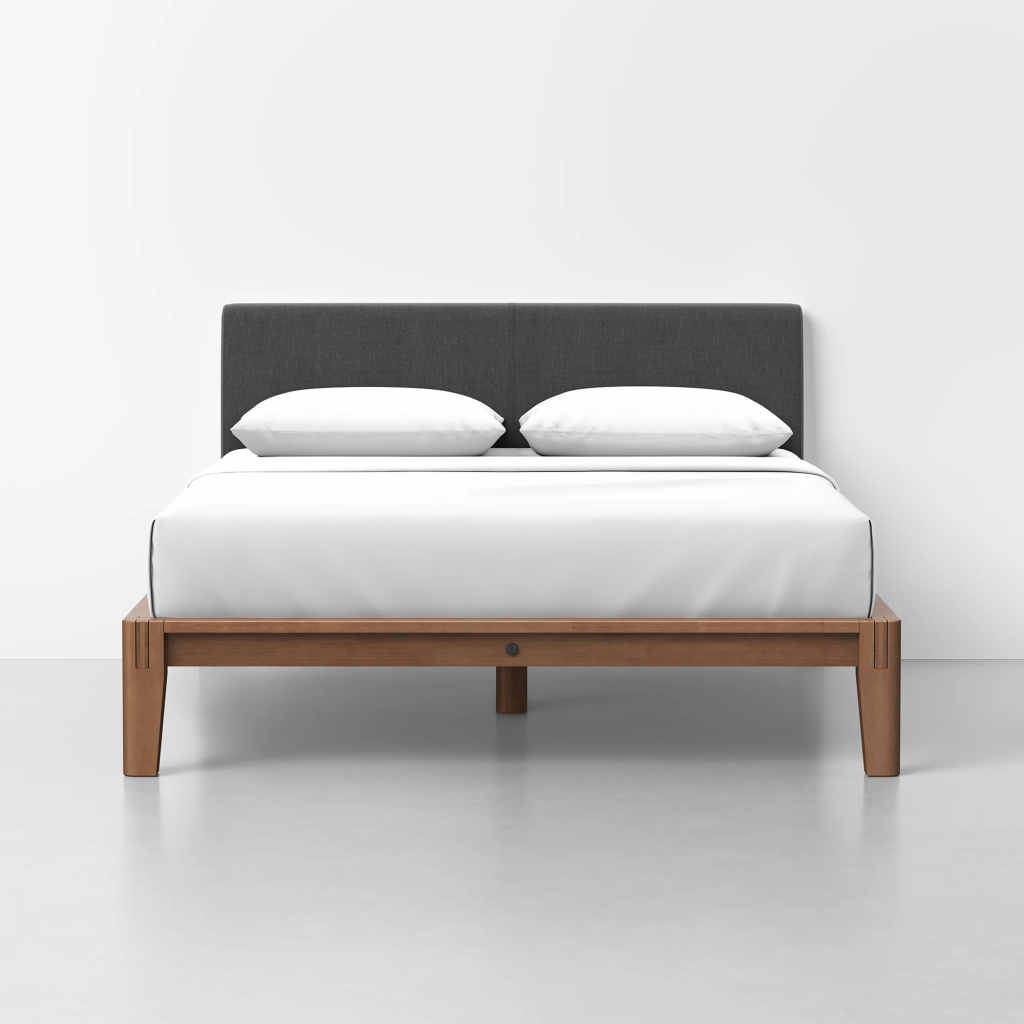
If you want a bed that’s both sturdy and quiet, the Thuma Classic Bed is a great pick. It uses clever Japanese-inspired joints that snap together without screws or tools, so it stays rock-solid and silent through the night. Plus, it’s made from 100% upcycled wood, which means it’s eco-friendly and built to last. The simple, low-profile design helps make your room feel bigger and fits well with almost any style. Every detail screams quality and durability.
Pros:
- Easy, tool-free setup with precise joinery for a lasting frame
- Made from sustainable, upcycled wood with a scratch-resistant matte finish
Cons:
- Pricier than typical wooden beds, but the quality and design justify it
2. Linda Wood Platform Bed Frame
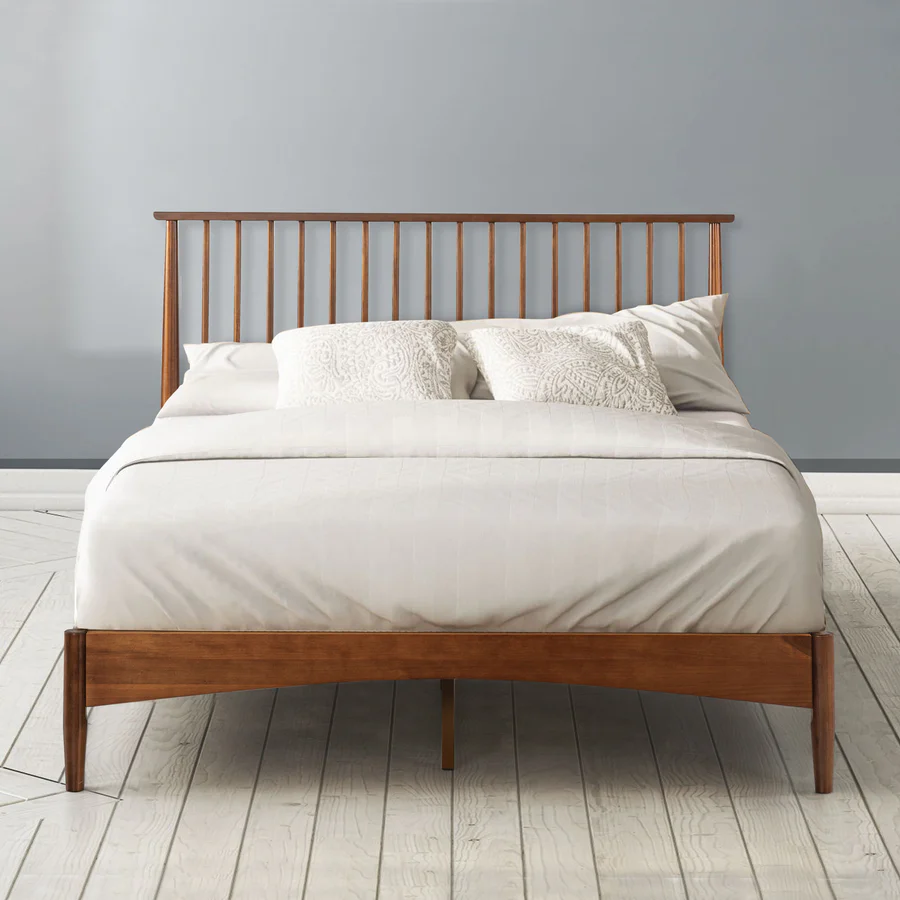
Looking for that warm, mid-century vibe? The Linda Wood Platform Bed nails it. Its solid pine frame feels sturdy and won’t creak, and the deep brown pecan finish adds a cozy, timeless touch. The tapered legs and spindled headboard style add just the right amount of flair without going overboard. Plus, it comes with a five-year warranty, so you know it’s built to last.
Pros:
- Stylish mid-century design that fits any room without breaking the bank
- Strong pine frame with reliable support, no box spring needed
Cons:
- Fewer color and finish options compared to higher-end beds
3. Nectar Aurora Bed Frame
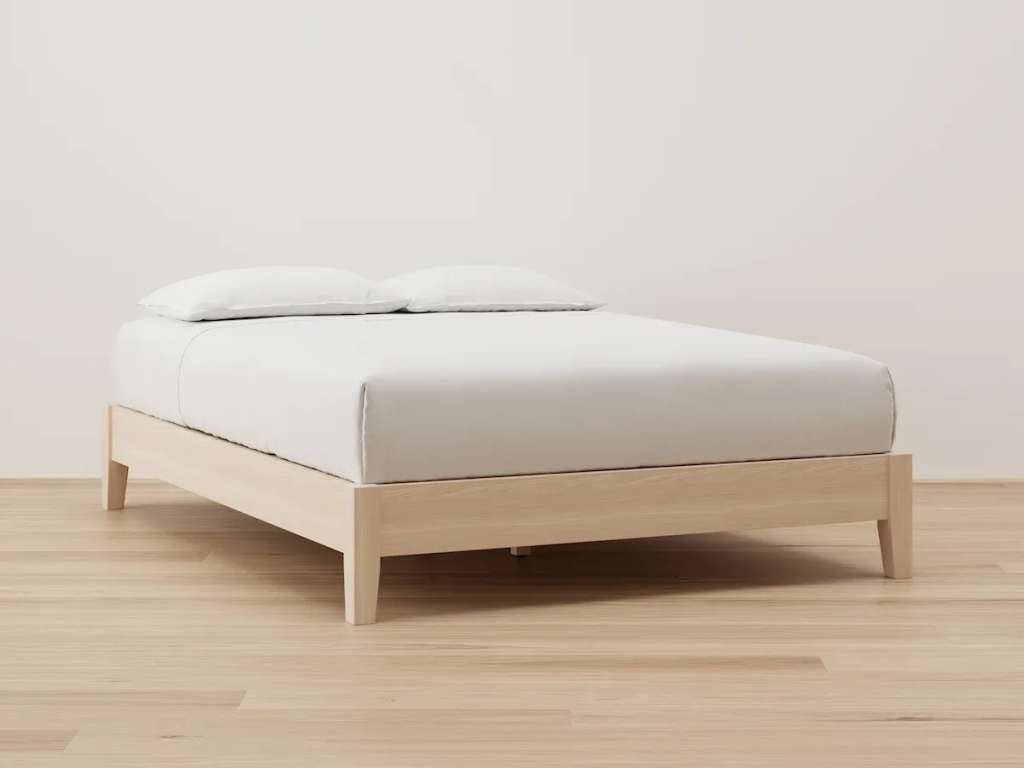
The Nectar Aurora Bed Frame is perfect if you want something elegant but not fussy. It comes in Natural or Walnut finishes and has a sleek, low-profile look that fits almost anywhere. It’s made of solid pine, which means it’s sturdy but still light enough to move when you need to. Setup is a breeze with all the tools included, and the finish is easy to keep looking fresh. It’s a solid choice if you want a bed that’s both beautiful and practical.
Pros:
- Clean, minimalist design with strong, durable pine construction
- Quick assembly with included tools and an easy-care finish
Cons:
- No built-in storage or extra features like some pricier models
4. West Elm Mid-Century Bed
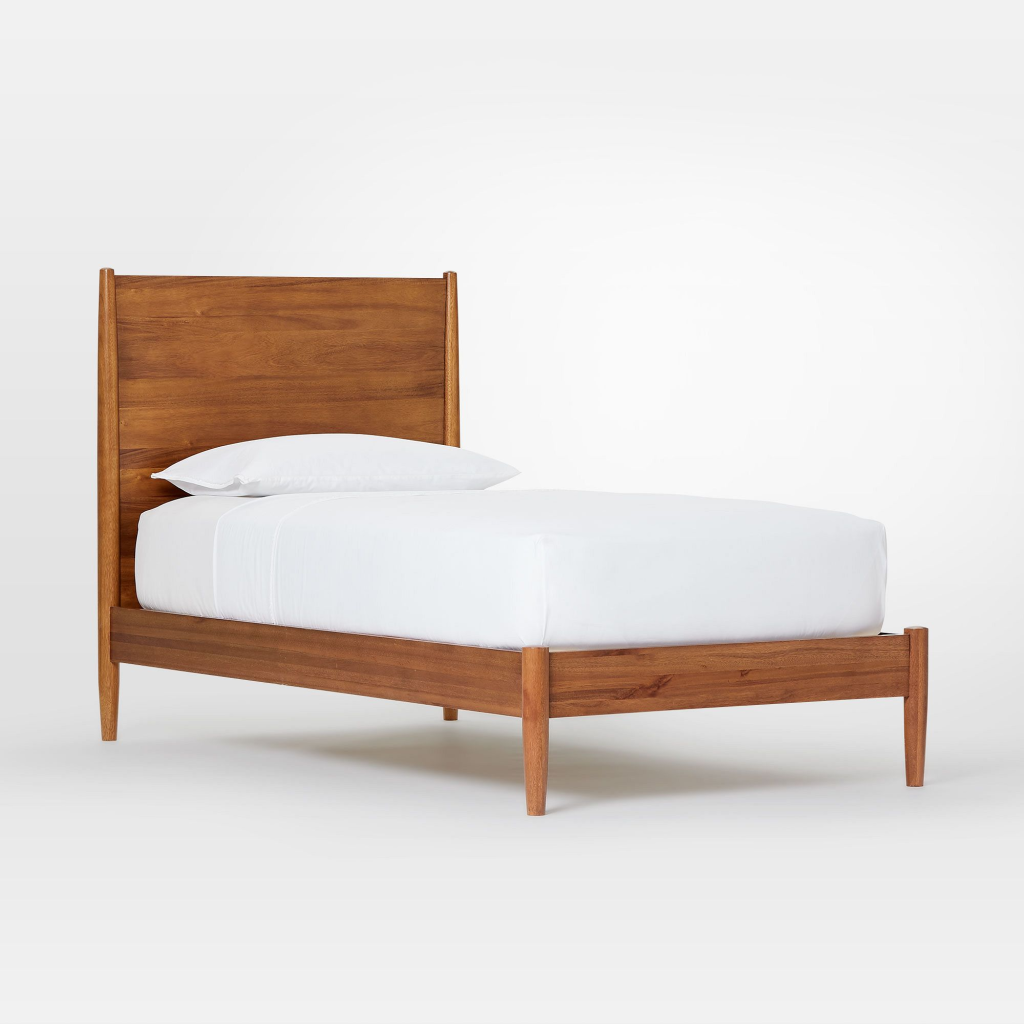
If sustainability matters to you, the West Elm Mid-Century Bed hits all the right notes. It’s made from responsibly sourced pine (FSC-certified) and finished with non-toxic, water-based coatings, earning it a GREENGUARD Gold certification for healthier air in your room. The solid pine slats provide strong mattress support without needing a box spring. It’s stylish, durable, and eco-friendly—a great way to bring sustainable luxury into your bedroom.
Pros:
- Uses eco-friendly, certified materials with low-emission finishes
- Strong support system designed for heavy mattresses and long-term use
Cons:
- Comes with a higher price tag compared to other mid-century options
5. Montana Twin Bunk Bed over Futon Frame
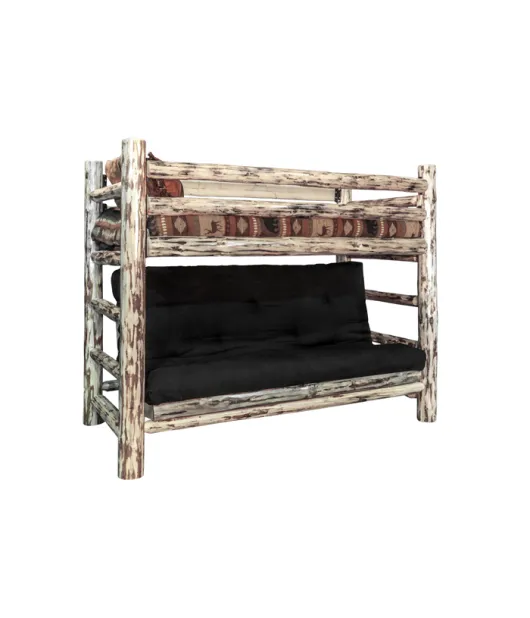
The Montana Twin Bunk Bed over Futon Frame is all about smart design and rustic charm. Handcrafted from American Lodge Pole pine, it shows off natural wood grain and durability. Perfect for cabins, guest rooms, or any place where space is tight, it lets you switch between a twin bed and a futon seating area without needing extra room. Plus, with Amish-quality build and a 20-year warranty, this piece is as reliable as it is functional.
Pros:
- Dual-purpose design saves space and offers rustic style
- Top-notch Amish craftsmanship with strong mortise and tenon joints
Cons:
- Bulkier design might not fit well in smaller or ultra-modern spaces
Invest in a piece of lasting tradition. Click to explore our exquisite selection of Amish beds and bring home a handcrafted Amish wood bed frame built to last a lifetime.
How to Maintain Your Wooden Bed Frame
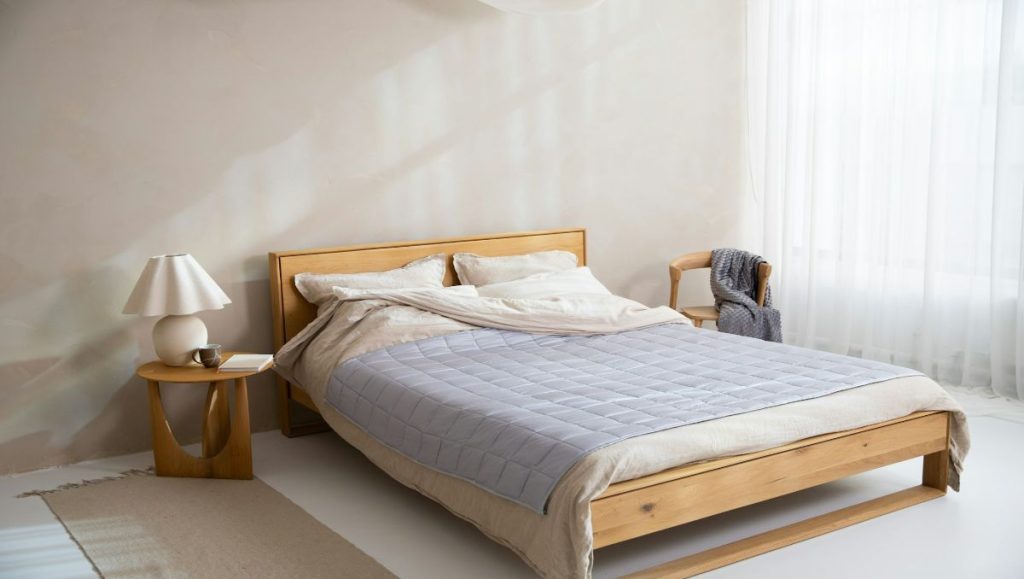
A high-quality wood bed frame can last for generations with proper care. Regular maintenance starts with simple habits. Dust weekly using a soft, dry cloth to prevent buildup, and clean every few months with a mild, water-based solution to preserve the finish. Keep your frame away from direct sunlight, air vents, or high-humidity areas, as temperature fluctuations can cause the wood to expand, contract, or warp over time.
If your bed includes slats, check them twice a year to ensure they remain tight and evenly spaced for consistent mattress support. For long-term preservation, apply a wood conditioner or natural oil (such as linseed or beeswax) once or twice annually to maintain luster and prevent drying or cracking. During routine cleaning, tighten any bolts or screws to eliminate wobbling or creaks, which can wear down the joints. Most importantly, avoid dragging or overloading the frame beyond its recommended weight capacity. As Clayton Eidson emphasizes:
“Sleep is the quiet reset our bodies need every day. If the structure beneath you is dependable, your body can get about doing what it is meant to do — recover and restore itself.”
Conclusion: Rest Easy on a Foundation Built to Last
Investing in a solid wood bed frame isn’t just about aesthetics; it’s about creating a foundation for better sleep, long-term comfort, and peace of mind. A well-crafted wooden frame offers a rare combination of durability, natural beauty, and sustainability, standing strong for decades when properly cared for. From responsibly sourced hardwoods to time-tested joinery and thoughtful design, the right bed frame supports not just your mattress but your overall well-being. When you choose quality over convenience, you’re not simply buying furniture; you’re investing in your health, your space, and your future nights of uninterrupted rest.
Frequently Asked Questions
1. How much should I expect to spend on a high-quality, solid wood bed frame?
Premium solid wood bed frames typically range from $700 to $2,500, depending on the wood species, craftsmanship, and brand reputation. Handcrafted or certified sustainable models, such as those made from FSC®-certified hardwood, often sit at the higher end.
2. How long should a solid wood bed frame last with proper care?
A well-maintained solid wood bed frame can last 20 to 30 years and often longer. Regular cleaning, joint tightening, and protection from moisture or direct sunlight are key factors that preserve its structure and finish over time.
3. What’s the ideal slat spacing and center support for modern mattresses?
For optimal mattress support and longevity, slats should be no more than 2.5–3 inches apart. Queen and King sizes should include a center beam with at least one or two support legs to prevent sagging and maintain even weight distribution.
4. How can I keep a wooden bed frame from creaking or loosening over time?
Tighten all bolts and screws every few months, especially after moving or rearranging the bed. Adding felt washers or rubber pads between joints can help absorb friction and eliminate squeaks. Maintaining stable room humidity also prevents wood from expanding or contracting, which can cause noise over time.