


There’s a timeless appeal to rocking in a chair, whether it’s on a front porch enjoying the evening air or in a quiet corner while reading or reflecting. The gentle motion has long been associated with comfort and relaxation, helping people slow down and ease stress. But in recent years, many have started to wonder about the hidden benefits of this soothing habit. Does rocking in a chair burn calories, or is it simply a peaceful way to unwind?
Key Takeaways:
- Rocking in a chair burns about 150 calories per hour as the gentle motion engages your leg and core muscles.
- The exact number of calories burned depends on individual factors and intensity.
- Rocking is a great way to increase circulation, boost endorphins for well-being, and subtly improve muscle tone and balance throughout your day.
In this article, we’ll look at what really happens when you rock, how many calories you can expect to burn, and why this simple motion has benefits that go far beyond relaxation.
The Core Science of Calorie Burning
How many calories you burn each day comes down to a balance between the energy your body needs to stay alive and the energy you use when you move. The base level is called your Basal Metabolic Rate (BMR) — that’s the energy your body uses just to keep you alive, like keeping your heart beating, lungs working, and body temperature steady. For most people, this makes up about 60% of the total calories burned in a day.
On top of that, your body uses some energy to digest food, and even more when you move. One key part of movement-related calorie burn is called Non-Exercise Activity Thermogenesis (NEAT) — that’s all the small actions you do without thinking, like fidgeting, standing up, walking around, or doing chores.
According to Dr. Kevin Huffman, D.O., board-certified bariatric physician and CEO of Ambari Nutrition:
“For people living with obesity and/or those with difficulty getting around, this shows them that regular, low-level movement is not pointless but an effective contributor to their total daily energy expenditure.”
A useful way to measure how much energy different activities use is with something called MET, short for Metabolic Equivalent of Task. In simple terms, 1 MET is the amount of energy your body uses when you’re sitting still and resting. More active tasks use higher MET values — for example, walking, cleaning, or exercising all require several times more energy than resting. Even small movements, like rocking in your chair, tapping your feet, or changing positions, can add up over the course of a day.
Does Rocking in a Chair Burn Calories?
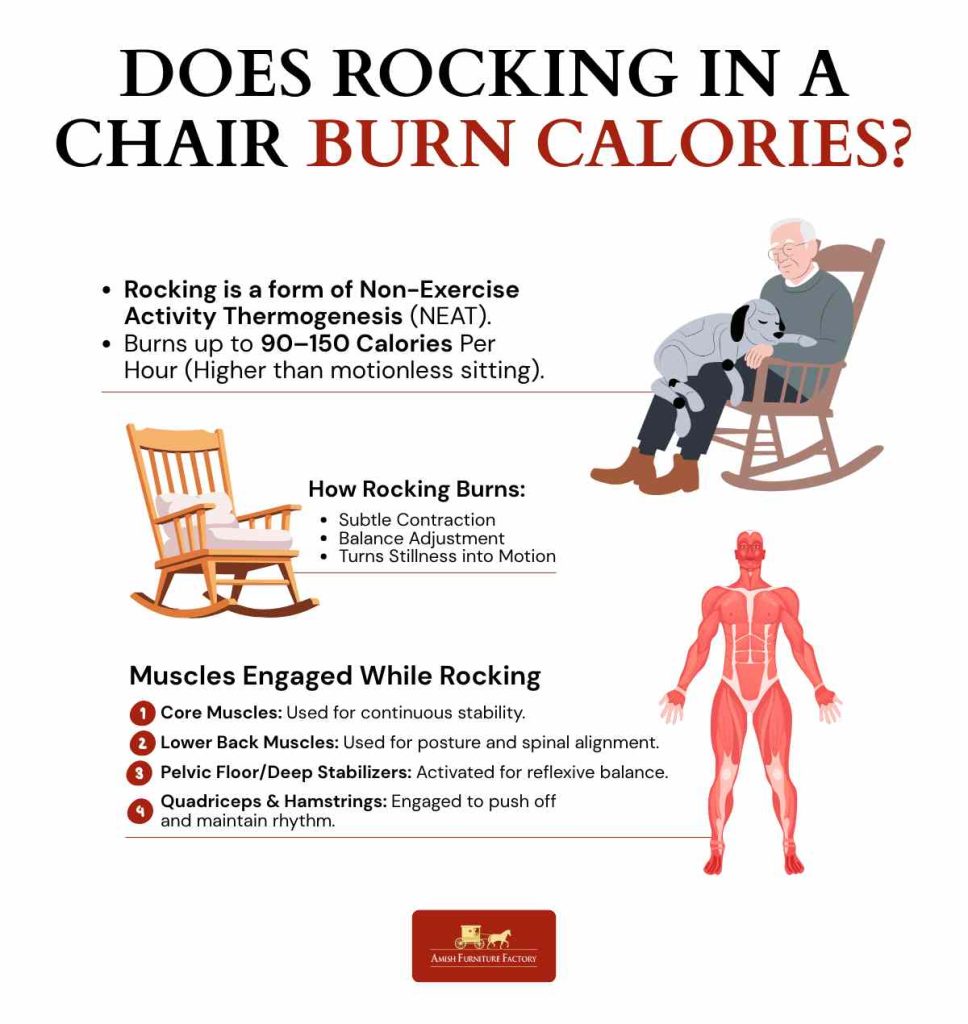
Rocking in a chair might feel like pure relaxation, but it actually burns calories and lightly works your muscles. The gentle motion engages your core, thighs, and lower back as your body keeps its balance, helping to improve blood flow and use up energy even while you’re sitting. According to AlegreCare, rocking can burn around 150 calories per hour, depending on your body weight and how much you move — making it a subtle but steady way to stay active during the day.
Research has also found that rocking offers real fitness benefits. One study showed that a home-based rocking-chair program helped older women improve their muscle strength, walking speed, and balance, with almost 90% of participants continuing to rock regularly after three months. More recent studies have even turned rocking into a measurable workout by adding resistance to the chair’s motion. The more effort or movement range involved, the more calories are burned — showing that this simple motion can be both soothing and surprisingly effective for your health.
As John Winter, licensed therapist and certified rehabilitologist, explains:
“Rocking in a chair does create a slight increase in caloric expenditure… However, the real value lies in the gentle activation of postural stabilizing muscles and the promotion of healthy circulation patterns.”
Rocking vs. Other Low-Intensity Activities
When compared with other light activities like standing, fidgeting, or slow walking, rocking holds its own as a surprisingly effective form of gentle movement. While it’s less demanding than walking, it still keeps your muscles subtly engaged. Each rhythmic motion activates the legs, core, and back muscles while improving blood circulation. For individuals who spend much of their day seated, adding gentle motion through rocking can make a noticeable difference in overall comfort and calorie expenditure.
So, is rocking better than just sitting? In most cases, yes. While both involve being seated, rocking adds a layer of activity that transforms passive sitting into active rest. It helps maintain muscle tone, supports joint mobility, and slightly elevates your energy burn without requiring effort or equipment.
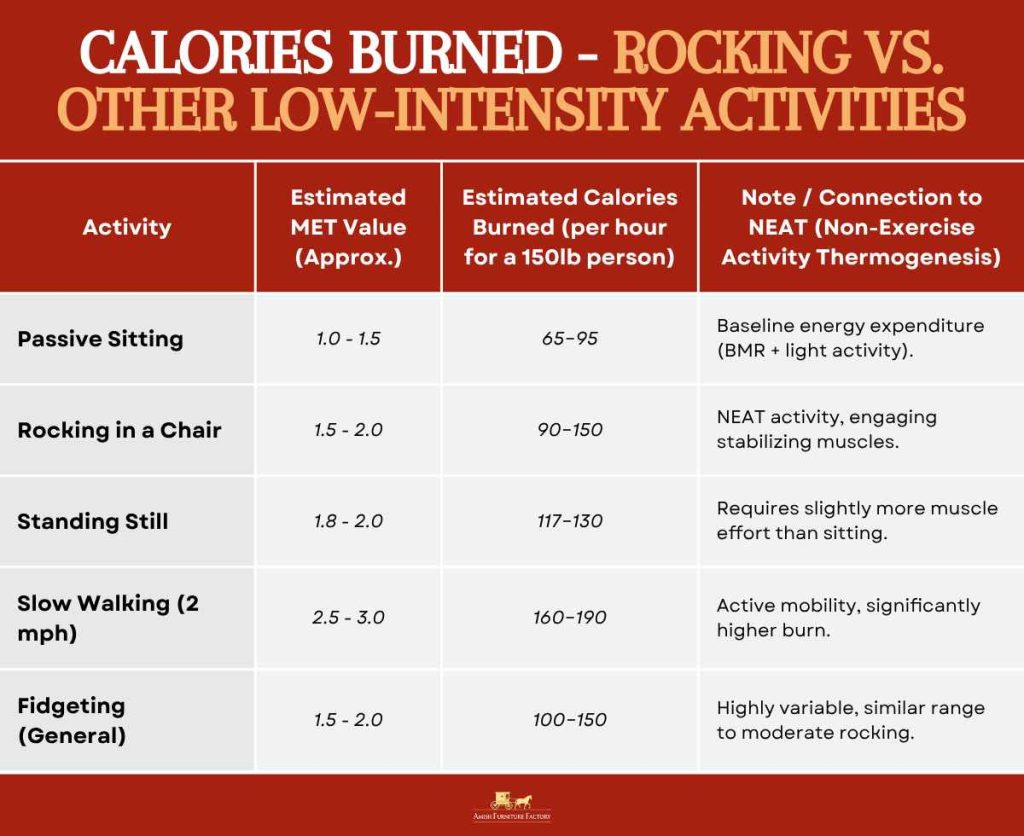
*MET values sourced from the Compendium of Physical Activities. Calculations are estimates based on standard formulas.
Other Health Benefits of Rocking Beyond Calorie Burning
Rocking has also long been linked with stress relief, improved circulation, and better overall well-being.
Relaxation and Stress-Relief Response
Rocking has been shown to calm the nervous system, helping regulate breathing and heart rate while promoting relaxation and deeper sleep. Studies on rocking recliner chairs reveal that the gentle motion can increase time spent in deep sleep stages, enhancing overall rest quality. Beyond its physical effects, rocking also supports mental well-being—research from a six-week nursing home study found that regular rocking reduced anxiety, depression, and reliance on pain medication, even for seniors with severe dementia showing noticeable improvements in mood and relaxation.
As Dr. Kevin Huffman adds:
“The repetitive beat deeply relaxes your nervous system. It lowers stress hormones, can ease symptoms of anxiety and depression, and for many people, it’s even helpful when they are trying to fall asleep because it taps into a powerful neurological connection with safety and comfort.”
Cognitive Boost and Improved Focus
Rocking can also enhance mental clarity and focus. The rhythmic motion stimulates the vestibular system — the part of your brain that helps regulate balance and attention. This gentle sensory input steadies the mind, making it easier to concentrate during reading, creative work, or reflection.
Meera Watts, holistic yoga expert and founder of Siddhi Yoga, notes:
“Rocking has the same effect as slow mindful yoga — it calms the mind down. The repeated motion normalizes the respiratory process and reduces tension in the shoulders and neck. It is especially helpful for individuals who sit for long hours or those who feel restless.”
Physical Benefits: Posture, Circulation, and Recovery
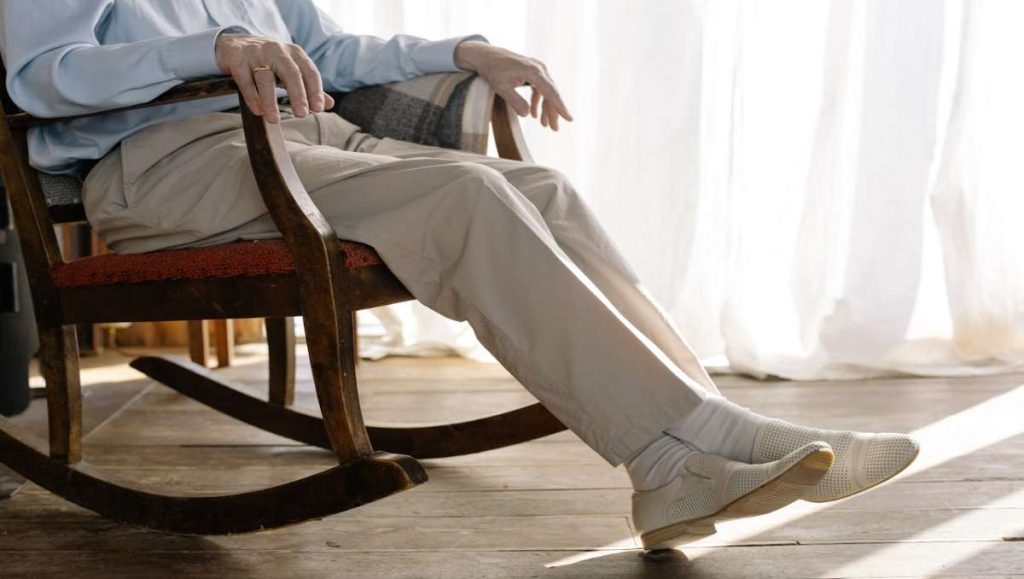
Rocking encourages subtle posture shifts, reducing pressure buildup in the lower back and promoting better circulation during long periods of sitting. Clinical research has also found therapeutic applications for rocking in post-surgery recovery. A study in Gastroenterology Nursing showed that patients who used rocking-chair motion after abdominal surgery experienced significant improvements in comfort and gut mobility, reinforcing its role as a gentle, supportive movement therapy. According to John Winter:
“Rhythmic rocking motion activates the parasympathetic nervous system, reducing muscle tension. The gentle movement also promotes lymphatic drainage and can significantly reduce the stiffness associated with prolonged sitting.”
Discover the pure relaxation and gentle motion of authentic Amish gliders and rockers. Browse our collection to find the handcrafted, timeless piece that elevates your comfort and well-being.
Tips to Maximize Rocking’s Benefits
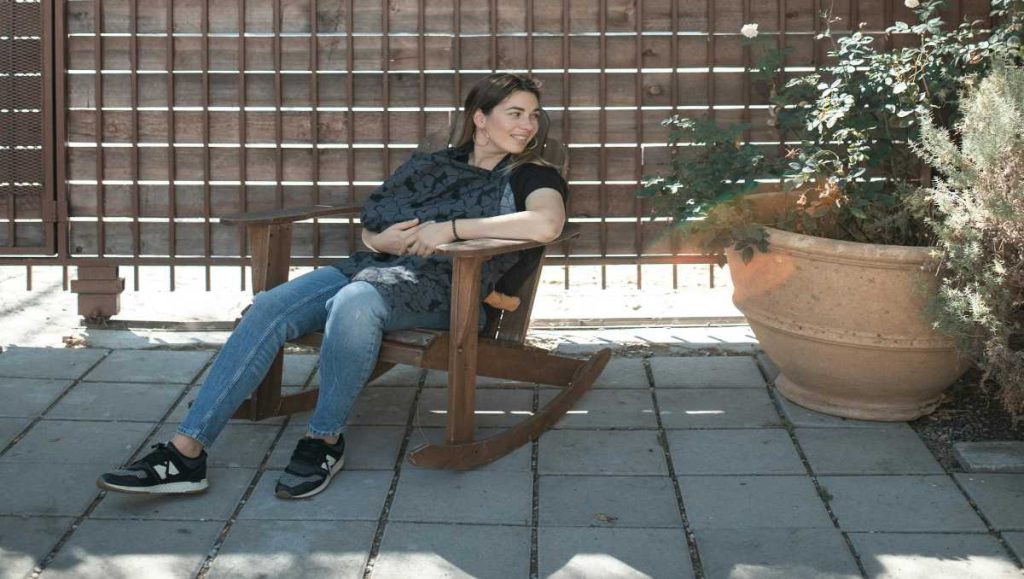
Here are helpful tips to maximize rocking’s benefits:
- Choose the right chair: Look for a sturdy rocking chair with smooth, balanced motion and good lumbar support. A comfortable seat encourages longer, more consistent use.
- Mind your posture: Sit upright with your back supported and shoulders relaxed. Avoid slouching.
- Add light resistance: Place a small weighted lap blanket or resistance band around your legs to gently increase muscular effort and calorie burn.
- Rock with intention: Try to maintain a steady rhythm for 15–30 minutes at a time. The consistent motion enhances relaxation and promotes better blood flow.
- Incorporate movement breaks: Alternate between rocking sessions and short walks or stretches to boost your overall daily activity and prevent stiffness.
- Make it a routine: Rock while reading, listening to music, meditating, or watching TV. Turning it into a daily habit helps the benefits accumulate over time.
- Pair with mindful breathing: Deep, slow breaths while rocking amplify relaxation and support your body’s natural stress-relief response.
The Final Word: Balancing Rocking with Overall Fitness
Rocking in a chair may not replace a morning jog or a gym workout, but it’s a powerful reminder that movement doesn’t always have to be strenuous to be meaningful. Each gentle sway contributes to circulation, posture, relaxation, and even calorie burn— all without demanding much effort. The key is balance: combine rocking with other forms of light exercise, such as walking, stretching, or yoga, to create a well-rounded, sustainable approach to wellness.
Ultimately, the goal isn’t just to burn calories; it’s to keep the body in motion and the mind at ease. Whether used as a recovery tool, a stress reliever, or a simple daily habit, rocking can play a quiet but valuable role in maintaining both physical and emotional health.
Frequently Asked Questions
Does rocking in a chair count as steps?
Rocking in a chair doesn’t count as steps since it doesn’t involve actual walking or movement across distance. However, it still engages muscles and burns a small number of calories, making it a gentle form of physical activity.
Is rocking in a chair good exercise?
Rocking in a chair is considered light, low-impact exercise that can help improve circulation, balance, and muscle tone, especially for older adults or those with limited mobility. While it’s not a replacement for regular workouts, it offers meaningful health benefits through consistent, gentle movement.
Can rocking help with weight loss or metabolism?
Rocking alone won’t drive significant weight loss, but it does support your metabolism by increasing the energy you burn from everyday movements. When paired with mindful eating and regular physical activity, rocking can contribute to a more active lifestyle and help prevent the effects of prolonged sedentary behavior.
Is rocking in a chair good for your back?
Yes. When done with proper posture and lumbar support, rocking can actually be beneficial for your back. The gentle motion promotes spinal mobility, reduces stiffness, and enhances circulation to back muscles.
This blog highlights the surprising benefits of rocking in a chair beyond relaxation. Burning around 150 calories an hour while engaging core and leg muscles makes it a gentle but effective activity. It also improves circulation, posture, and mental well-being.
However, rocking should not replace regular exercise. It is a helpful supplement especially for those with limited mobility or long sitting periods. The tips on posture and adding light resistance are practical ways to boost its benefits. A good reminder that small consistent movements matter for overall health.