
Amish music holds a quiet yet deeply meaningful place within Amish life. Unlike the lively tunes or instrumental sounds we often associate with music, the Amish express their faith through simple, heartfelt singing. It isn’t meant for performance or entertainment but it’s an act of worship, reflection, and community. To understand Amish culture fully, one must first understand their music—because in its simplicity lies the heart of their devotion.
Key Takeaways:
- Amish music serves as a humble form of worship and community unity, emphasizing devotion over performance.
- The Ausbund hymnbook connects Amish worshippers to their 16th-century Anabaptist roots, preserving faith and tradition through song.
- Music in Amish life teaches moral values, strengthens cultural identity, and fosters a shared sense of belonging across generations.
In this article, we’ll explore the role of music in Amish culture, how it reflects their faith and values, and why their simple, unaccompanied singing remains such a powerful expression of community and devotion.
Historical Roots: The Ausbund and Anabaptist Hymnody
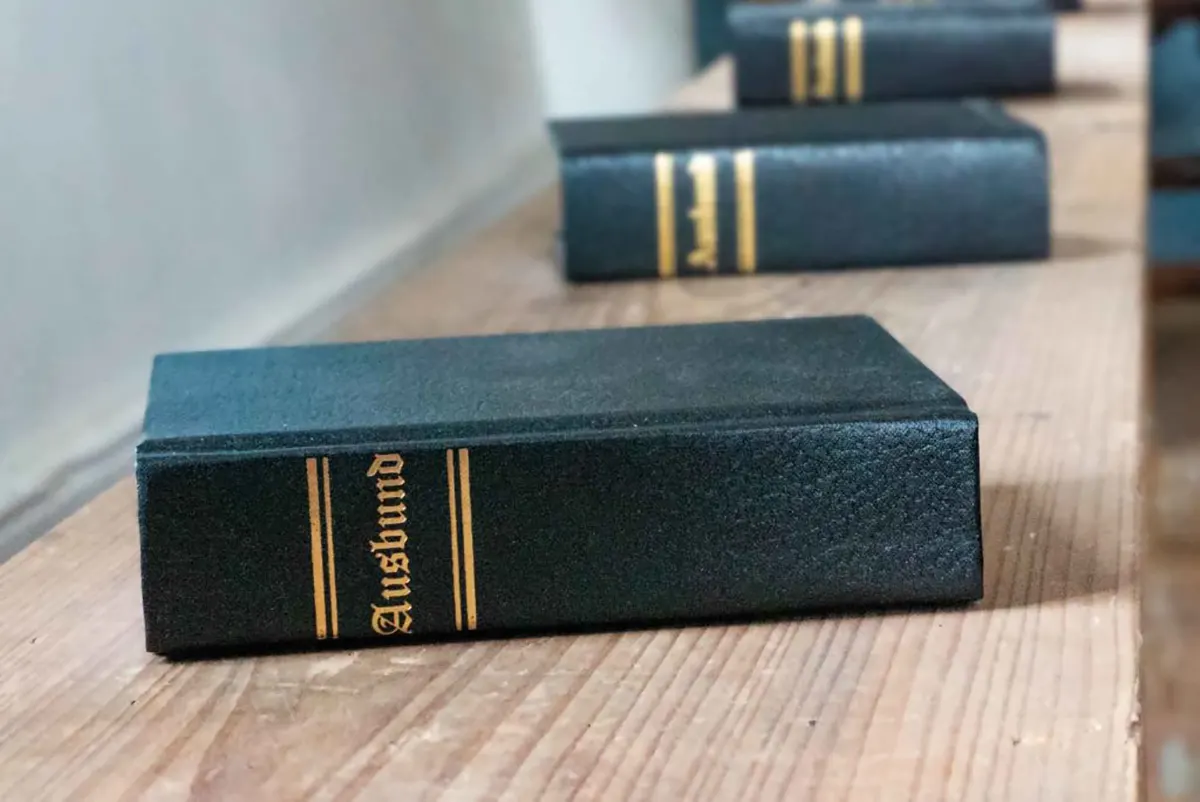
The Ausbund is central to understanding the roots of Amish music. It is the oldest Anabaptist hymnal, first published in 1564, and remains in continuous use by Amish congregations today. Its core emerged from the writings of about 50–60 Swiss Anabaptists (often called Philippites), who between 1535–1540 were imprisoned in the dungeon at Passau Castle, in Bavaria, Germany. There they composed hymns that expressed hope, suffering, faith, and steadfastness under persecution—many of those original hymns are still part of the Ausbund’s canon.
Over time the Ausbund grew beyond its initial 50-odd hymns. In the 1583 edition, roughly 80 additional hymns were added, bringing the total in Europe to about 130. Subsequent editions, including those produced in North America, expanded it slightly further (around 140 hymns in many modern printings) while retaining the old texts in German and preserving many of the tunes historically associated with them.
Key Characteristics of Amish Music
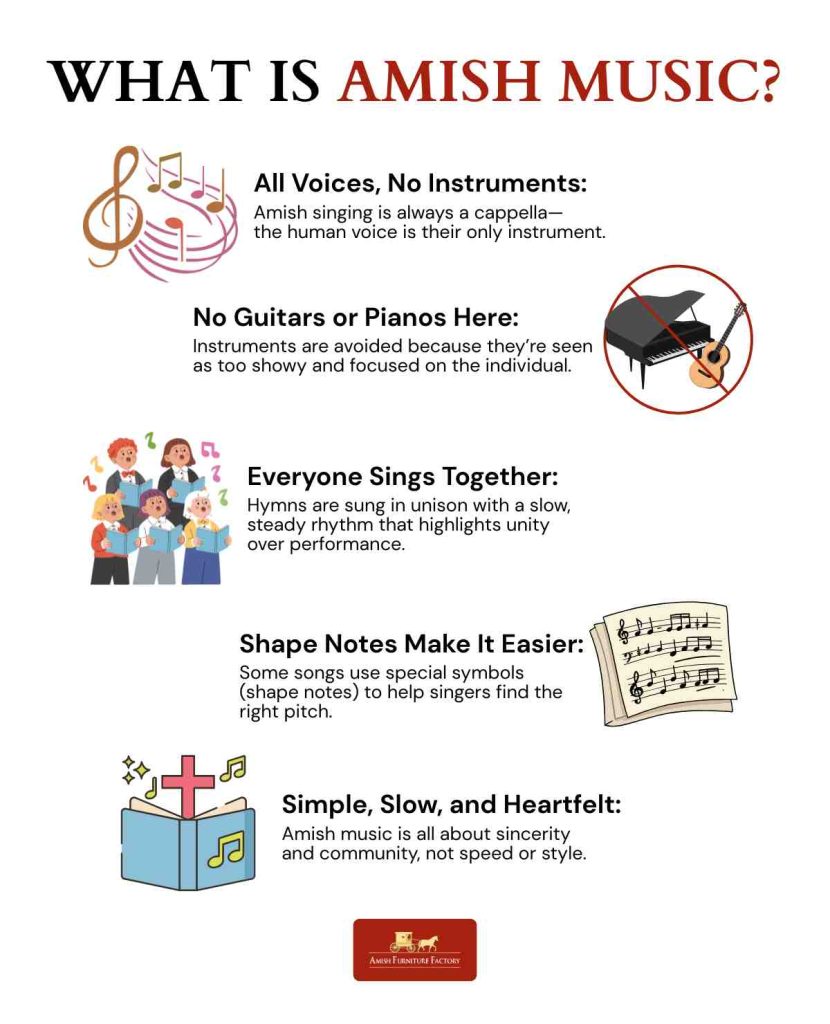
Amish music is defined by its purity and restraint—an art form stripped of embellishment, focused entirely on worship and humility.

A Cappella Singing
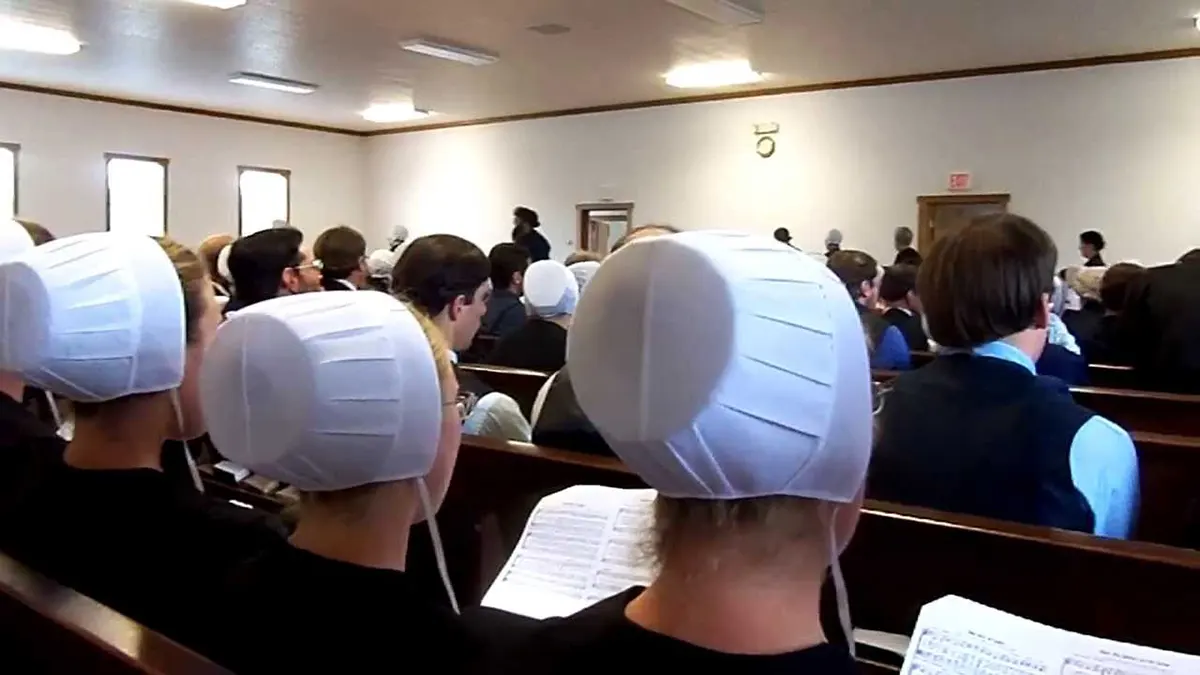
All Amish singing is performed a cappella, meaning without instrumental accompaniment. This tradition reflects their belief that worship should remain pure and unadorned, free from distractions or vanity. The human voice, created by God, is considered the only fitting instrument for praise. In Amish church services, hymns are sung in unison often in a slow, drawn-out tempo known as “lining out,” where the song leader chants each line before the congregation joins in.
Forbidden Instruments
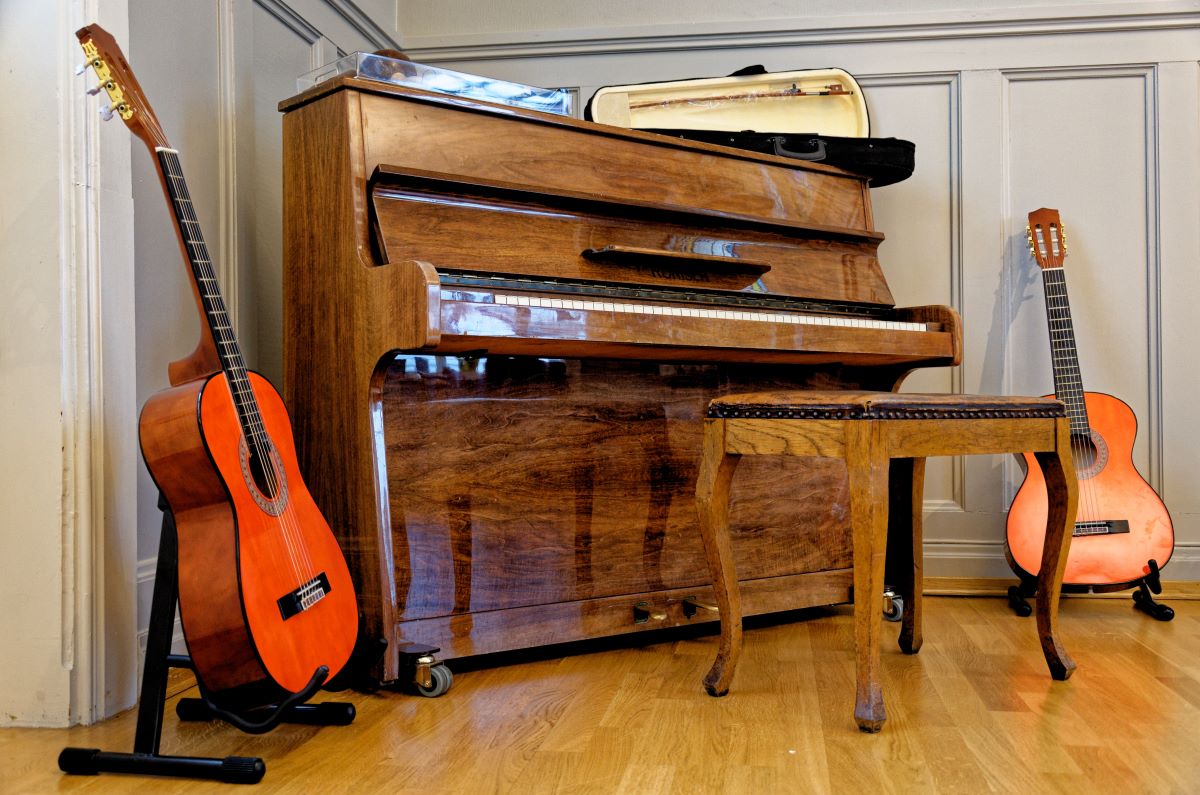
Musical instruments are strictly forbidden in Amish communities, not because music itself is discouraged, but because instruments are seen as promoting individuality and pride. Playing a musical instrument would single out one person’s talent, which contradicts the Amish principle of humility and equality.
Four-Part Harmony
Amish hymns are typically sung in four-part harmony. The congregation is divided into four sections: soprano, alto, tenor, and bass. Each section sings a different vocal line, creating a rich and harmonious texture. The four-part harmony is carefully balanced, with each voice part contributing to the overall musical arrangement.
Shape-Note Singing, Slow Tempo, and Reverence
Shape-note singing is a unique feature of Amish music. The hymnal used by the Amish often employs shape notes, special symbols printed above the musical staff. These symbols indicate the shape of the musical intervals and help singers quickly identify and pitch the notes. Amish music also tends to have a slower tempo, emphasizing a sense of solemnity and reverence. The purpose is to create an atmosphere conducive to worship and reflection.
Simple and Sincere
Simplicity defines not only how Amish music sounds but also what it means. The melodies are plain and slow, often carrying centuries-old German lyrics that express faith, endurance, and gratitude. There are no harmonies, rhythmic complexities, or dramatic crescendos, just a shared, heartfelt sincerity.
The Role of Music in The Amish Culture
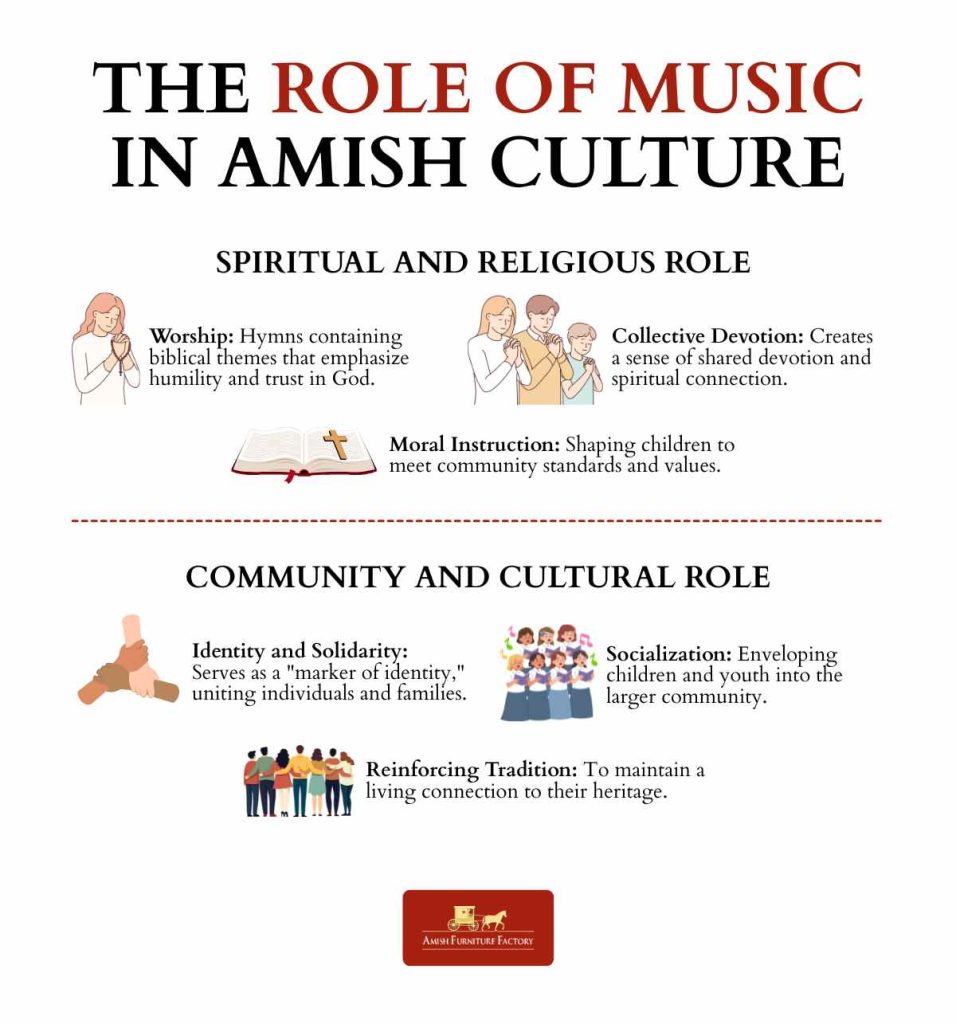
Music is woven tightly into Amish worship and daily devotion. In church services, hymns from the Ausbund are sung a cappella and at a slow, deliberate pace, allowing time for reflection and reverence. The singing is communal—there are no solos or harmonies—symbolizing equality before God. These hymns aren’t chosen for emotional flair but for their spiritual depth, often recounting themes of faith, persecution, and steadfastness. Through this practice, the Amish keep alive the spirit of their early Anabaptist ancestors.
Beyond worship, Amish music strengthens the bonds within their tight-knit communities. Singing together during gatherings, barn raisings, or youth singings fosters unity and joy while staying true to their values of modesty and cooperation. It serves as a living link between generations, with elders teaching traditional songs to the young in Pennsylvania Dutch or High German. Unlike mainstream music that often focuses on self-expression, Amish music emphasizes shared experience and moral grounding.
Do the Amish Allow Music in Schools?
Amish schools do allow music, but it’s usually simple and faith-centered rather than for entertainment. Most songs are hymns or spiritual pieces that teach values like gratitude, humility, and love for God. Some schools use the Ausbund, the traditional Amish hymnbook, to help children learn songs that connect them to their history and religious roots. The focus is always on worship and reflection, not performance.
That said, Amish children also sing folk and seasonal songs that reflect their way of life. These might include tunes about family, nature, or holidays like Christmas and Easter, all with a strong spiritual message. The songs are gentle and meaningful, helping kids understand their faith and traditions while fostering a sense of community and belonging.
Explore our list of reality TV shows featuring the Amish.
Do Amish Listen to Music or Dance in their Leisure Time?
Music holds a meaningful yet restrained place in Amish culture. In most Old Order Amish communities, listening to non-Amish or secular music is discouraged because it may foster pride or worldly desires contrary to their values of humility and simplicity. Instead, music takes the form of unaccompanied singing, especially hymns from the Ausbund. Singing is communal, slow, and meditative—emphasizing unity rather than performance.
That said, attitudes toward music vary among communities. Some less conservative Amish groups, such as those in Holmes County, Ohio, have shown openness to folk or country music. John Schmid, a local singer who performs in both English and Pennsylvania German, has become especially beloved among Amish and Mennonites for his faith-inspired songs. However, recorded or popular music remains controversial and is typically experienced only indirectly through workplaces or non-Amish interactions.

Dancing, on the other hand, is strictly prohibited across nearly all Amish groups. It is viewed as immodest and “worldly,” encouraging self-expression and physical closeness that conflict with Amish values of modesty and discipline. In essence, while a few modern influences like folk and country music have found small acceptance, Amish communities continue to value music that strengthens faith, work, and togetherness—never for entertainment or display.
Ready to delve deeper into the traditions that guide the Amish ways? Read all our Amish articles for an immersive look at their unique culture and music.
Conclusion
Amish music plays a significant role in their culture, serving as a vital thread that weaves together their religious, cultural, and communal identity. While the Amish approach to music may be characterized by simplicity and a focus on “a cappella singing” and strict rules against playing instruments, it encompasses diverse practices and beliefs.
Beyond religious contexts, the Amish engage with music that aligns with their values. This include folk songs and certain forms of secular music. As the Amish people navigate the tension between preserving tradition and engaging with the broader world, their relationship with music continues to evolve, reflecting the nuanced tapestry of Amish culture and beliefs.
Frequently Asked Questions
Do all Amish groups sing the same hymns and tunes?
Not exactly. While nearly all Amish communities use the Ausbund for their church services, the specific hymns and tunes can vary depending on the district and affiliation. Old Order Amish congregations tend to follow the most traditional versions of Ausbund hymns. The Ausbund maintain the original High German texts and slower tempos.
How does music help Amish children learn their faith and community norms?
Amish children grow up surrounded by song—both at home and in church. This helps them internalize their community’s values, beliefs, and language. Since many of these hymns are sung in Pennsylvania Dutch or High German, they also serve as tools for language preservation and cultural continuity.
Do Amish youth listen to or sing secular “English” music during Rumspringa?
During Rumspringa, some may listen to secular or “English” music out of curiosity. However, this is typically temporary. Once they decide to be baptized and join the church, they are expected to give up worldly influences, including popular music.
What kind of music do Amish people listen to?
Amish people mainly listen to and sing religious hymns, especially from the Ausbund, their traditional hymnbook. Their music is simple, a cappella, and focused on worship rather than entertainment.
What do the Amish believe about music?
The Amish believe music should honor God and bring the community together, not draw attention to the individual. They avoid instruments and modern music because they see them as promoting pride and worldliness.
I would love to know more about the amish I’m a musician I played music and all types of religion churches play piano, keyboard acoustic guitar and also electric lead guitar. Just curious about the Amish religion.