
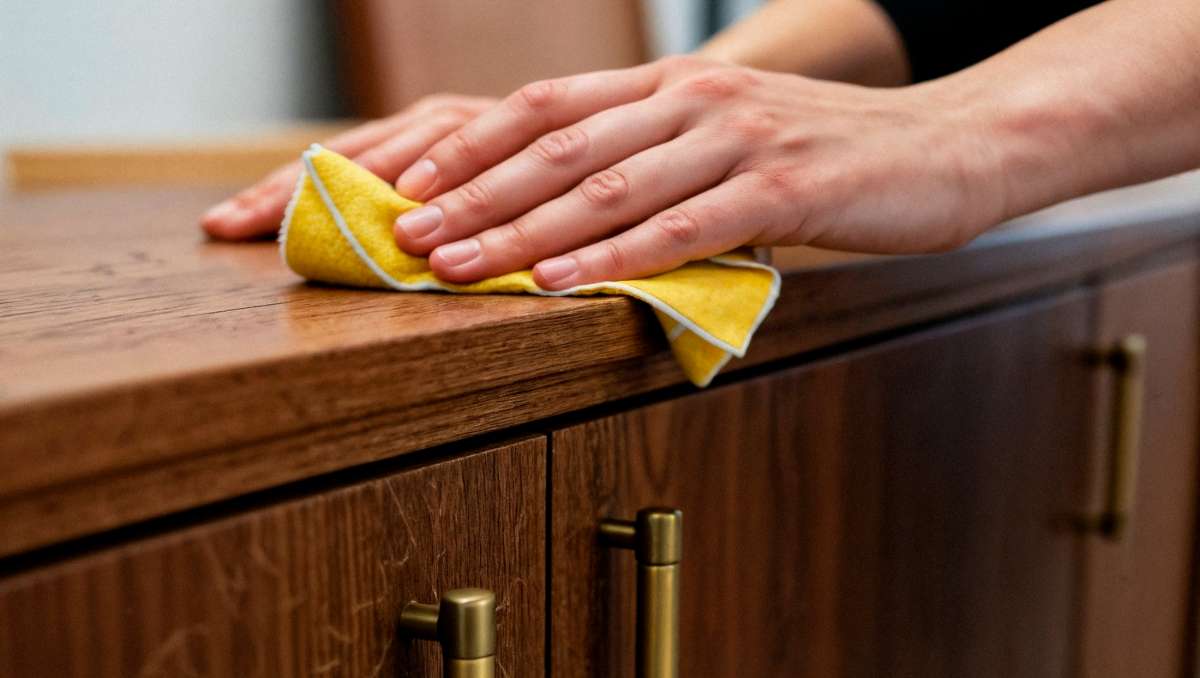
Wood furniture naturally shows signs of everyday use, especially in the places our hands touch most like chair arms, table edges, and drawer fronts, where hand oils slowly build up and leave the surface looking dull or grimy. The challenge is that wood finishes can be easily damaged by harsh cleaners or aggressive scrubbing, which often makes people hesitant to clean these areas at all.
Key Takeaways:
- To remove hand oil from wood furniture without damaging the finish, dust first, then gently wipe with mild soapy water.
- Use mineral spirits if needed, and always dry thoroughly and polish to restore the finish.
- Different finishes react differently to cleaners, so always choose finish-safe methods and spot-test before applying any solution widely.
In this article, you’ll learn how to remove hand oil from wood furniture safely and effectively without damaging the finish, using gentle methods that preserve both the look and longevity of your furniture.
What Is Hand Oil and How It Affects Wood Over Time
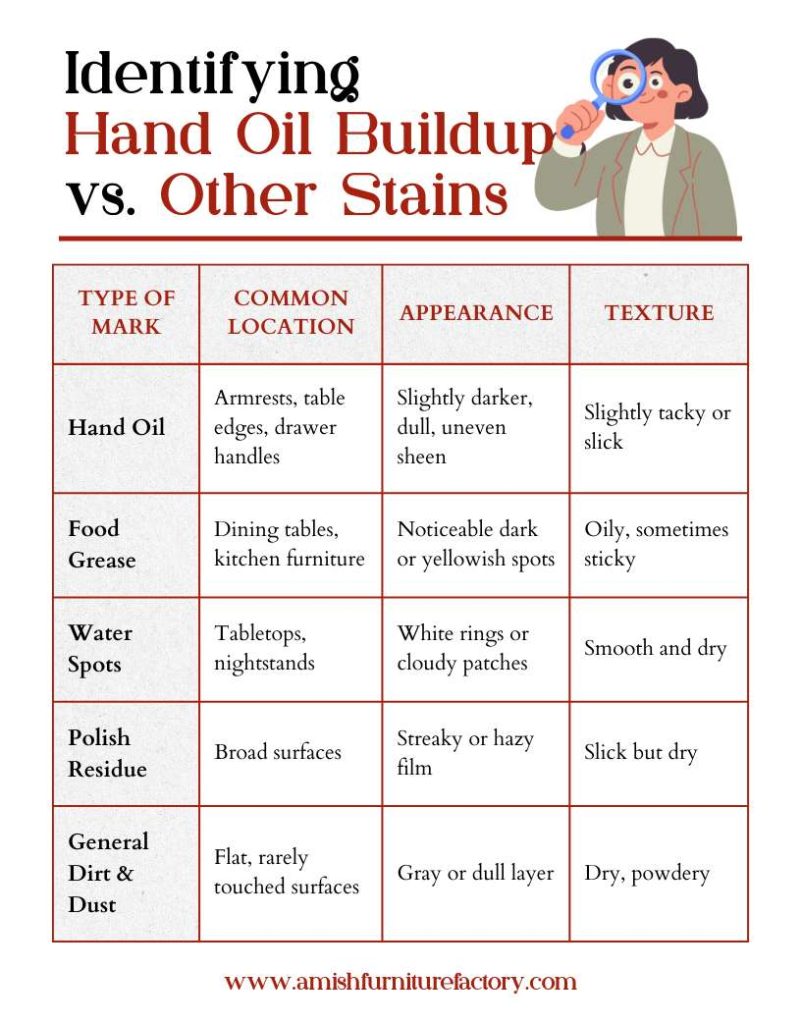
Hand oil is a natural mix of skin oils, sweat, and microscopic debris that transfers to surfaces every time we touch them. On wood furniture, this residue doesn’t simply sit on the surface. It slowly mixes with dust and airborne particles, forming a thin, sticky film that can be easy to miss at first. Instead of an obvious stain, it often shows up as subtle darkening, dullness, or cloudy patches. As Amy Kunst, principal designer of Designed, explains:
“Human skin oils (sebum) are slightly acidic and act as a magnet for dust and dirt. When left untreated for a good period of time, they can disturb the traditional finishing of the furniture… Once the wood fibers are affected, it creates dark strains that can only be removed with aggressive fixing efforts.”
How to Identify Your Wood Furniture Finish
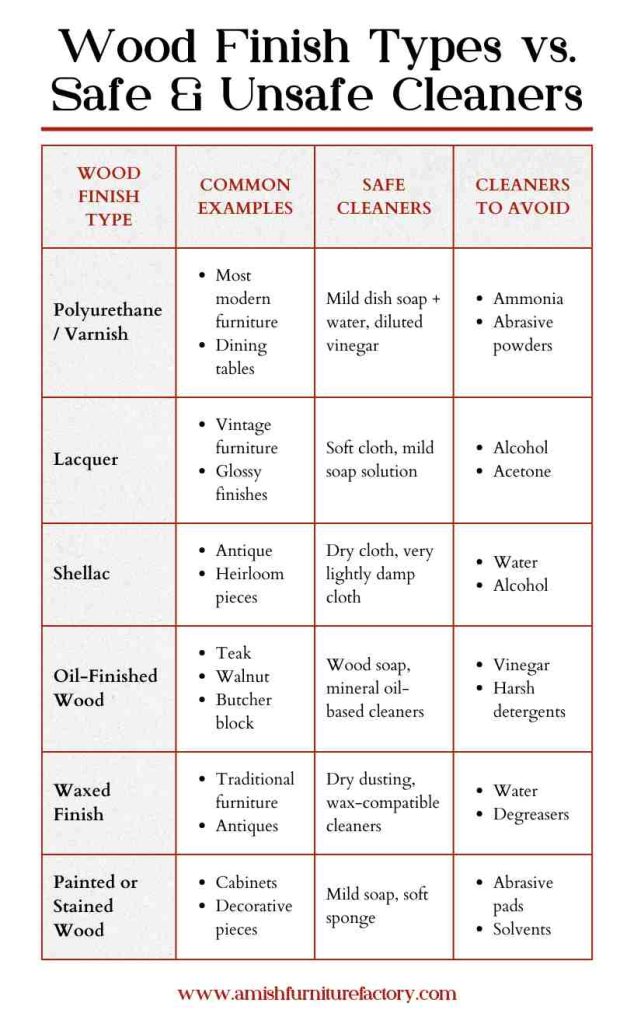
Before you attempt to remove any buildup, it’s important to understand that you’re not cleaning bare wood; you’re cleaning the finish that protects it. Wood finishes act as a barrier against moisture, oils, and daily wear, but each type responds differently to cleaners and techniques. Taking a moment to identify the furniture finish helps you choose methods that lift hand oil without stripping, softening, or clouding the surface. Some finishes tolerate mild moisture, while others react poorly to alcohol or acidic solutions. Knowing this upfront makes it far easier to remove buildup gradually and safely.
Tools and Supplies You’ll Need (Finish-Safe Only)
The items below are chosen specifically to support safe cleaning when learning how to remove hand oil from wood furniture without damaging the finish.
- Microfiber cloths
- Mild dish soap
- Distilled water
- White vinegar
- Mineral spirits (advanced use)
- Natural oils and conditioners
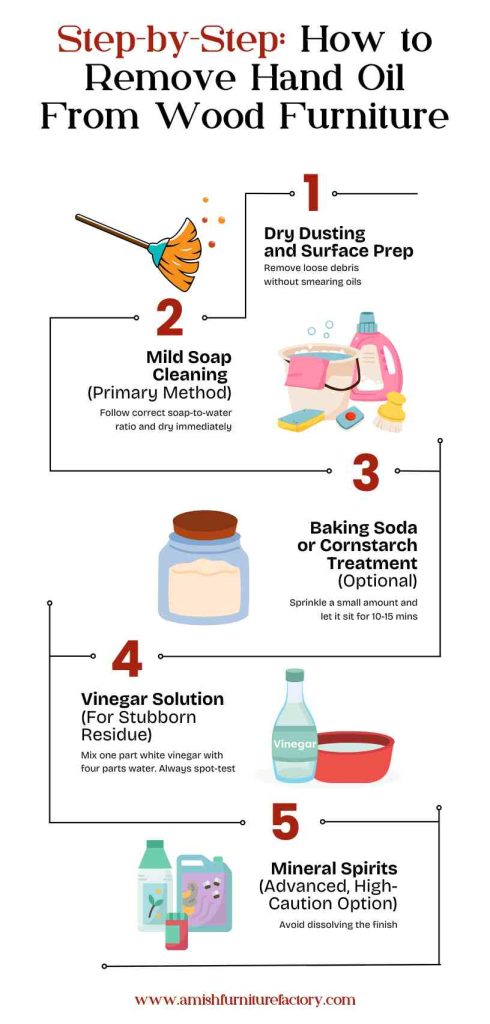
Step-by-Step: How to Remove Hand Oil From Wood Furniture
The safest way to deal with hand oil is to start gently and only increase strength when the surface truly needs it. Hand oil buildup is gradual, so removal should be the same.
Step 1: Dry Dusting and Surface Prep
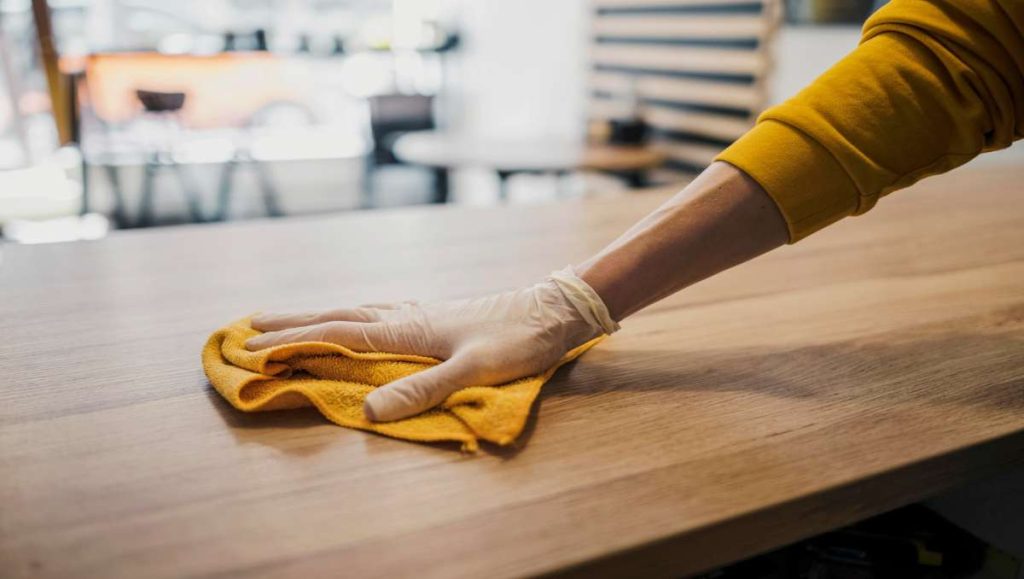
Before introducing any moisture, remove loose dust and grit from the surface. Fine particles can act like sandpaper when mixed with oils, spreading residue and creating micro-scratches. Use a clean, dry microfiber cloth and work in the direction of the wood grain, paying extra attention to high-touch areas.
Step 2: Mild Soap Cleaning (Primary Method)
For most sealed wood finishes, mild soap cleaning is the safest first-line approach. A few drops of gentle dish soap mixed into warm water can break down surface oils without harming the finish. Use a soft cloth that is damp, wring it thoroughly, and wipe using light pressure and short strokes along the grain. Rinse the cloth frequently to avoid spreading oils, then immediately dry. Amy Kunst advises:
“I advise my clients to create a solution of warm water and a small drop of mild dish soap (very ordinary but effective). Use a soft cloth that is damp (not wet)… Then immediately wipe it off with a dry cloth to avoid moisture damage.”
Step 3: Baking Soda or Cornstarch Treatment (Optional)
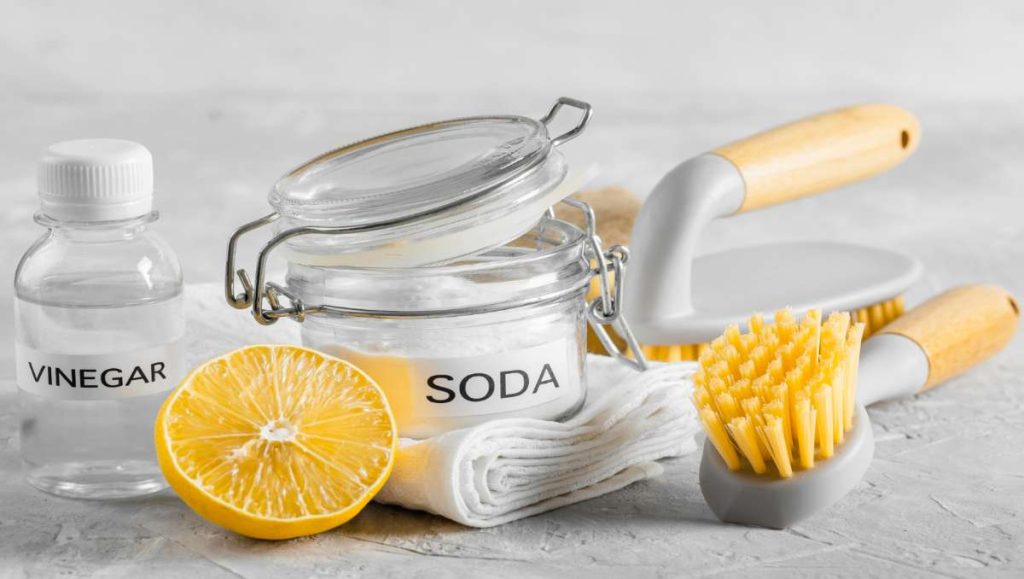
If hand oil persists after mild soap cleaning, sprinkle a small amount of baking soda or cornstarch over the affected area. Let it sit for 10–15 minutes to absorb excess oils. Gently wipe away with a soft, dry cloth, brushing in the direction of the wood grain.
Step 4: Vinegar Solution (For Stubborn Residue)
When mild soap isn’t enough, a diluted vinegar solution can help cut through stubborn buildup. Mix one part white vinegar with four parts water, and always spot-test in an inconspicuous area first. Apply sparingly with a soft cloth, never directly onto the wood, and wipe gently before drying the area right away. Vinegar should not be used on oil-finished, waxed, or shellac surfaces.
| ⚠ Warning: Avoid vinegar on oil, shellac, or wax finishes—it can damage the surface. |
Step 5: Mineral Spirits (Advanced, High-Caution Option)
When hand oil has hardened and lighter methods no longer work, mineral spirits can be effective, but only on durable finishes like polyurethane or varnish, and only with extreme care. Apply a small amount to a soft cloth, work in small sections, wipe with the grain, and remove it immediately. Adequate ventilation and gloves are essential. Mark Carter from Homevisory explains the most common mistake people make:
“If you’re still seeing buildup, and this is the part most people skip or do wrong, you need mineral spirits. Not paint thinner… and you wipe it off right away. Don’t let it sit. People let it sit because they think it needs to soak in or something and then they wonder why their finish looks cloudy. Wipe on, wipe off, done.”
When dealing with hand oil stains, it’s just as important to know what not to use as it is to know what works. Avoid abrasive pads, steel wool, and scrubbing sponges, which can scratch finishes. Harsh household cleaners, especially those containing ammonia, bleach, citrus solvents, or alcohol which can strip or soften wood finishes.
Want more help with stubborn residue? Watch this quick video for practical tips on removing tough grease stains from wood without damaging the finish.
Restoring and Protecting Wood Finishes After Hand Oil Exposure
After you remove hand oil, the finish may look a bit uneven, especially in areas that get touched the most. Those spots can appear dull or flat because the oils change how light reflects off the surface. Rebalancing the sheen is usually easy. Apply a finish-appropriate polish or restorer in small amounts and buff gently with a soft cloth. The goal is not added shine, but a consistent look. If the wood feels dry or slightly rough, light conditioning can help, particularly on older or oil-finished pieces. Use a product made for that finish and apply only where needed, since over-conditioning can attract dust and cause buildup.
Preventing hand oil buildup is far easier than fixing it later. Simple habits make a big difference. Wipe high-touch areas weekly with a dry microfiber cloth, clean smudges promptly, and avoid excessive furniture polish. Washing hands before long periods of contact, especially after using lotion, helps more than most people expect. Using desk mats, runners, or armrest covers in high-use areas and rotating decor or seating positions can also spread wear more evenly and keep the finish looking consistent for much longer.
If you’re looking for a timeless blend of durability and handcrafted elegance, explore our collection of Amish Mission furniture to find the perfect heirloom piece for your home.
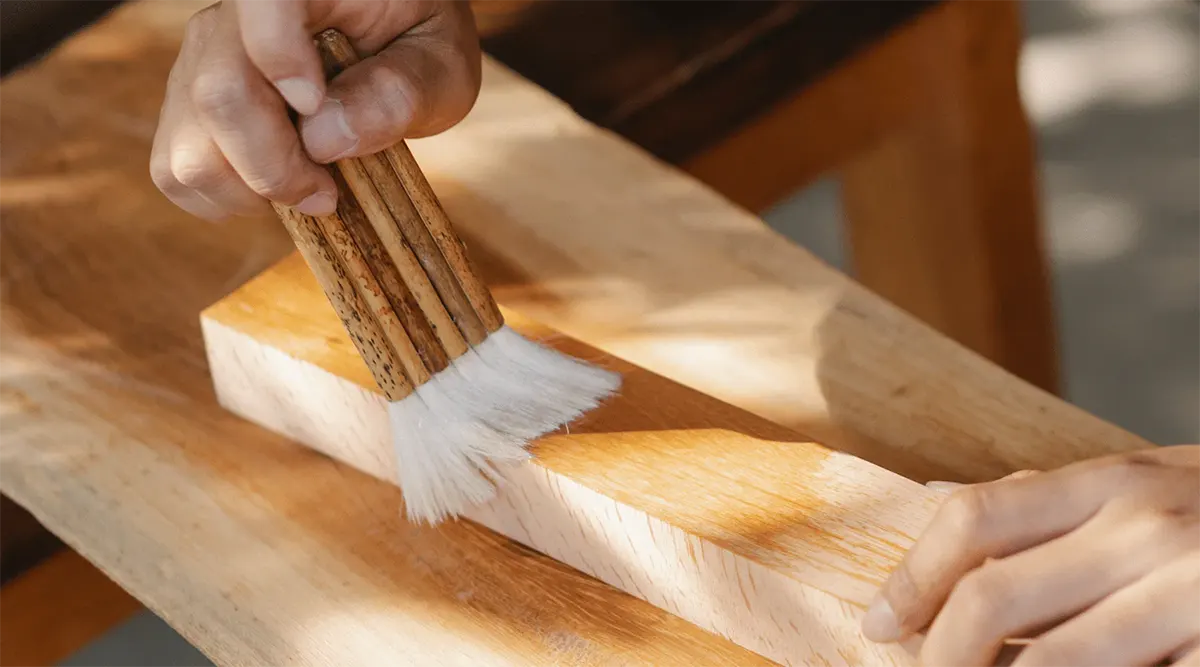
For long-term protection, a sacrificial barrier can make a major difference. As Amy Dunst recommends:
“I recommend applying a high-quality micro-crystalline wax (like Renaissance Wax) once a year. Unlike grocery store sprays, this museum-grade wax creates a hard and protective barrier that repels oil and fingerprints. It takes the wear so the wood finish doesn’t have to.”
Conclusion: Clean Hands, Clean Wood, Lasting Finish
Hand oil buildup is one of those problems that creeps in quietly, but with the right approach, it doesn’t have to leave a lasting mark. Understanding how and why oils collect, choosing finish-safe cleaning methods, and knowing when to stop are what truly protect your furniture. Learning how to remove hand oil from wood furniture isn’t about restoring it to a “like new” state; it’s about maintaining its character while keeping the surface clean, balanced, and protected. With gentle care and a few preventive habits, wood furniture can age gracefully without looking worn or neglected.
Frequently Asked Questions
How to remove sticky residue from wood furniture?
Sticky residue often comes from a combination of hand oils, polish, or food spills. Start with a dry microfiber cloth to remove loose debris, then try a mild soap-and-water solution applied with a lightly damp cloth.
Can hand oil permanently damage wood furniture finishes?
If left untreated for years, hand oil can dull finishes, attract dust, and in some cases, slightly soften or discolor the surface, particularly on delicate finishes like shellac or wax. Prompt and gentle cleaning prevents permanent damage, preserving both the wood and its finish.
Is vinegar safe to use on all types of wood furniture?
No. Vinegar is acidic and can damage sensitive finishes. It is generally safe only for durable, sealed finishes like polyurethane or varnish when diluted properly.
How often should I clean hand oil from frequently used wood furniture?
For high-touch areas like armrests, table edges, and drawer pulls, weekly or biweekly dry dusting with a microfiber cloth is recommended. Mild soap cleaning can be done monthly or as needed.
What should I do if hand oil stains won’t come off after cleaning?
If gentle cleaning doesn’t remove stubborn oil, consider a finish-safe stronger option, such as mineral spirits on durable finishes, applied cautiously with good ventilation.