
Before you start measuring corners or scrolling through furniture catalogs, it’s worth asking a simple question: how many end tables does a living room actually need? The answer isn’t one-size-fits-all, and it has far less to do with design rules than with how the space is lived in day to day. End tables sit at the intersection of function and style. But too many can make a room feel crowded, while too few can leave it awkward and impractical.
Key Takeaways
- Living rooms work best with one to two end tables, providing convenience and visual balance without overcrowding the space.
- Larger rooms may benefit from two or more end tables to anchor seating groups and improve accessibility.
- The right number and placement of end tables always comes down to function, daily use, and maintaining a comfortable flow.
This guide looks past rigid decorating formulas and focuses on real living room scenarios. The size of your space, the layout of your seating, and the way you use the room all matter more than symmetry for symmetry’s sake.
What Exactly Is an End Table?
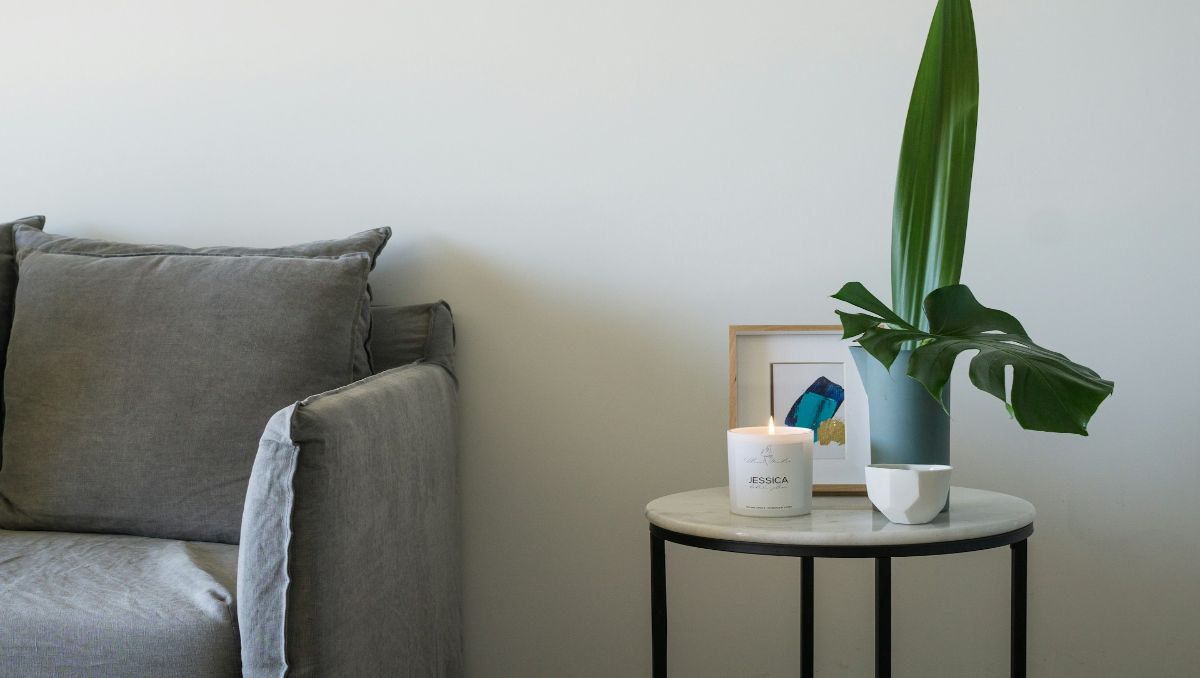
An end table is a small, versatile surface typically placed next to a sofa or armchair. Its main purpose is convenience: holding drinks, phones, books, or a lamp within easy reach. Unlike larger statement pieces, end tables are meant to blend into daily life rather than dominate the space. They come in countless shapes, heights, and materials, which makes them easy to adapt to different layouts and styles.
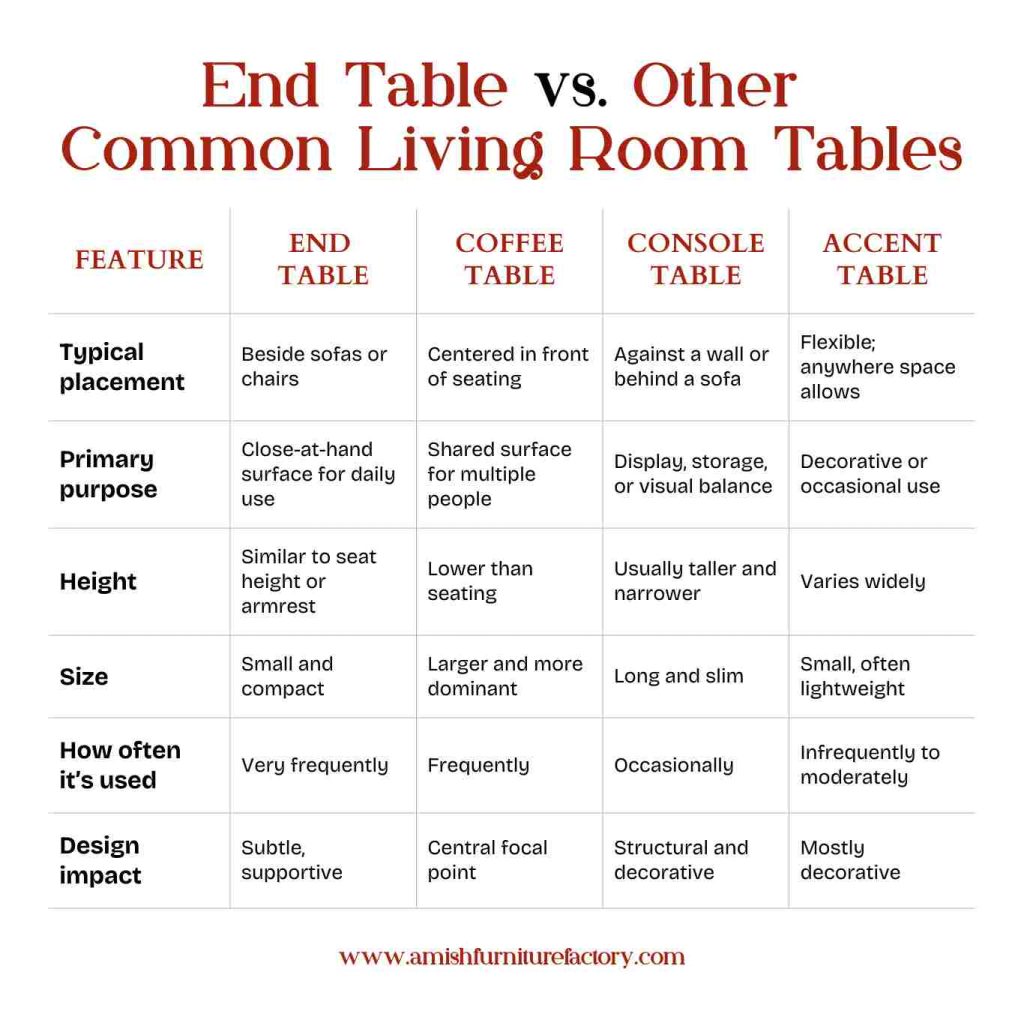
In comparison, coffee tables sit in front of sofas and are designed for shared use by everyone in the seating area. They are generally larger, lower, and more central in the room, often serving as a focal point or display surface. End tables, by contrast, provide personal, immediate access and support for individual seating areas.
Before deciding how many end tables you need, let’s understand how they differ from other living room tables that often serve very different purposes.
Key Considerations That Determine How Many End Tables You Need
If you’re wondering how many end tables should be in a living room? —the short answer is that most spaces work best with one to two end tables on average. That said, this number isn’t a rule so much as a starting point. The right choice depends on how your room is sized, arranged, and actually used, which is why a few practical considerations matter more than symmetry alone.
Living Room Size and Available Floor Space
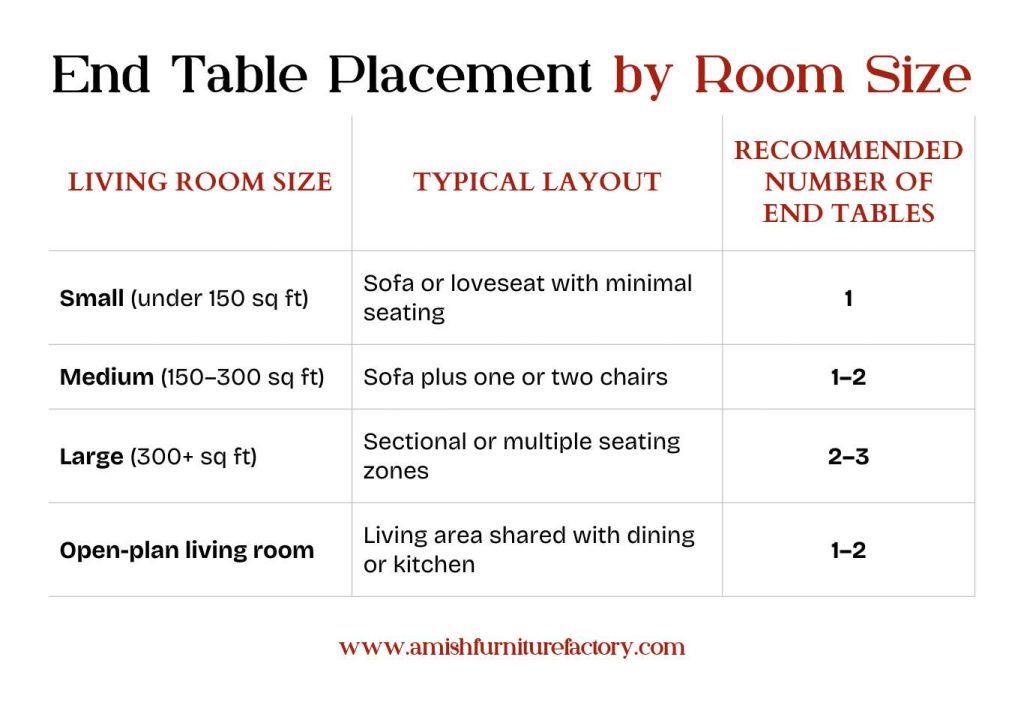
Room size is usually the biggest limiting factor when deciding how many end tables make sense. Compact spaces often benefit from choosing one end table on the most frequently used side of the sofa. Larger living rooms have more flexibility. The key is keeping enough clearance around seating so movement still feels natural.
Here’s a recommended end table placement by room size:
Seating Type and Layout
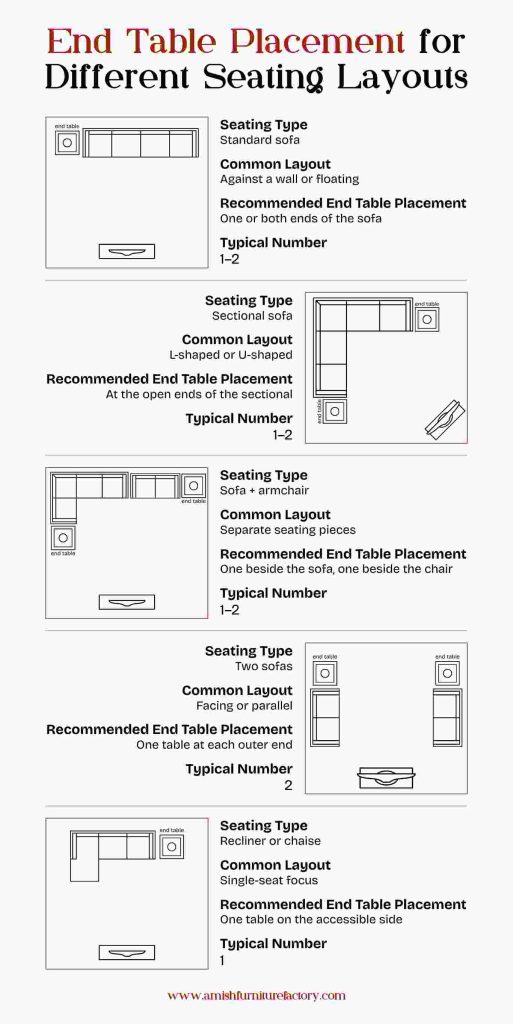
The type of seating in your living space plays a major role in determining whether one end table feels sufficient. A standard sofa typically pairs well with one end table, especially when it’s placed on the side used most often. Adding a second end table on the opposite end can create visual balance, but it’s only practical if there’s enough space for easy movement around the sofa. Sectionals and multi-seat arrangements change the equation.
Here’s a quick look at how end table placement typically works with different seating layouts.
Functionality and Daily Use
How you actually use your living room on a daily basis should heavily influence how many end tables you include. If the space is used for hosting guests or everyday lounging, having enough surfaces within arm’s reach makes the room feel more comfortable and intentional. On the other hand, if the living room is more of a pass-through or a lightly used space, fewer end tables may be all you need.
Visual Balance and Design Style
End tables also contribute to how balanced and cohesive a living room feels visually. Traditional or symmetrical layouts often look best with matching end tables on both sides of a sofa, while modern and minimalist spaces may feel more natural with just one table or a mix of different styles. Design preference matters here, because too many tables can make a room feel busy, while too few can leave seating areas looking unfinished.
💡 Pro Tip
Placing an end table next to a seating area at roughly the same height as the armrest creates a natural, ergonomic surface for reaching drinks or resting devices—this small adjustment makes a big difference in comfort and flow.
Where Should End Tables Be Placed in the Living Room?
Living room furniture placement is just as important as the number of end tables. The right spots make the room feel functional, balanced, and inviting. Here are the best spots plus practical design ideas to help you get the layout just right
Next to Sofas and Couches

Placing end tables at the ends of sofas is the classic approach. They provide a convenient surface for drinks, lamps, or remotes and help visually frame the seating area. When choosing a table for this spot, aim for a height within two to three inches of your sofa’s arm so it feels natural to reach for. In larger rooms, having one on each side can create symmetry and a more grounded layout.
Beside Accent Chairs and Recliners
End tables next to armchairs or recliners give each seat a personal landing spot. This placement boosts comfort and usability, especially when the table is sized appropriately for the chair. Round tables work beautifully beside curved or compact chairs because they soften corners, while square or rectangular tables fit better with modern or boxy silhouettes. Leaving a bit of breathing room, just enough for comfortable movement, helps the arrangement feel intentional rather than cramped.
Filling “Dead” Space
Unused corners or awkward gaps in the room can be softened with a well-placed end table. Adding one of these tables not only introduces surfaces for décor or lighting but also helps complete the room and make it feel more intentional. Choosing a style that contrasts slightly with nearby furniture, like a metal table in a room filled with soft fabrics can add dimension.
Adjacent to Fireplaces
An end table next to a fireplace can serve both practical and decorative purposes. It’s a convenient spot for candles, books, or seasonal décor, and it visually balances the fireplace when seating is arranged nearby. Opting for a sturdy wood or stone table here works especially well because the textures complement the fireplace surround, and placing a warm-toned lamp or accent piece on top helps create a cozy glow in the seating area.
Common Mistakes and Tips for Choosing End Tables
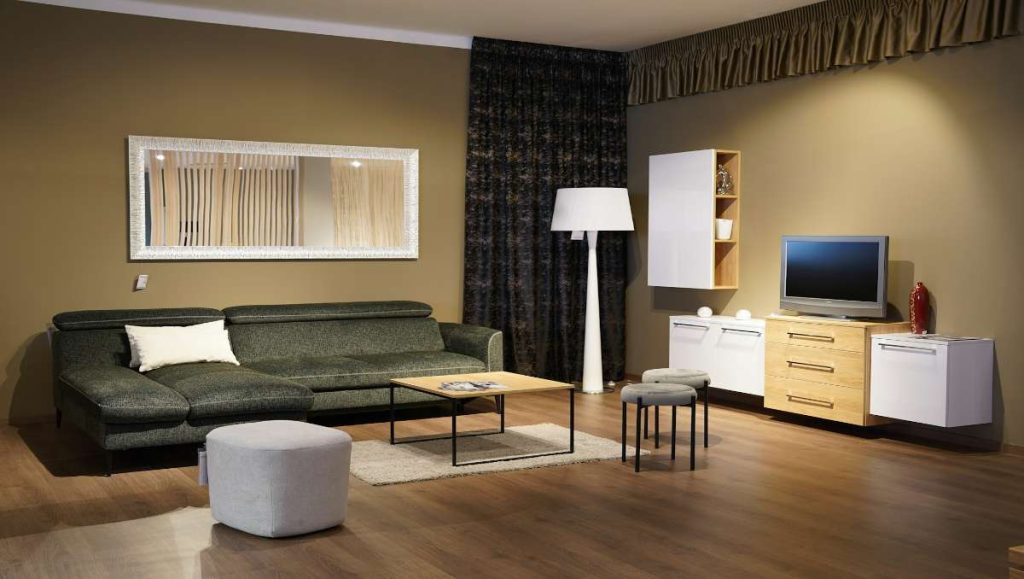
One of the most frequent mistakes people make with end tables is buying too many or too few without considering room size and layout. Overcrowding a space can feel cramped, while too few tables can leave seating areas inconvenient and incomplete. Another common misstep is choosing tables that are the wrong height or scale, which makes them awkward to use and visually unbalanced. People also often prioritize style over function, selecting pieces that are too small to hold a lamp or too heavy to move easily.
Here are some buying tips for choosing an end table:
- Measure first: Ensure the table fits the space, aligns with sofa or chair armrests, and leaves enough room to move around.
- Consider function: Think about how you’ll use the table—lighting, drinks, storage solution—and choose features accordingly.
- Match the room: Materials, style, and finishes should complement existing décor. Mixing similar but slightly varied styles can add personality without disrupting cohesion.
- Plan with surrounding furniture: Coordinate with coffee tables, sofas, and other pieces to avoid redundancy or overcrowding.
Complete your living room layout by pairing your seating with the perfect coffee and end tables to balance style and accessibility. Browse our curated collection today!
Final Thoughts: It’s About Use, Not Rules
When it comes to end tables, there’s no universal formula that works for every living room. The “right” number depends far more on how the space is used than on strict design rules or symmetry. One table might be perfect for a cozy apartment, while a larger family room could easily accommodate two or even three. Paying attention to scale, height, and placement ensures they integrate naturally with your seating arrangement and traffic flow. Remember that balance and style matter, but they come second to usability.
Frequently Asked Questions
Can you have two different end tables in a living room?
Yes. Mixing end tables of different shapes, materials, or styles can create visual interest while still serving the practical needs of the space. The key is keeping them proportionate to the seating and balanced within the overall layout.
Can a coffee table replace end tables entirely?
In some cases, yes, especially in small living rooms or minimalistic layouts. However, coffee tables sit further from seating, so you may lose the convenience of having surfaces within arm’s reach for drinks, lamps, or remotes.
How tall should an end table be compared to a sofa arm?
An end table should generally be the same height as the sofa or chair arm or just slightly lower. This ensures items placed on the table are easy to reach without awkward stretching or leaning.
Should your end tables always match your coffee table?
Not necessarily. Matching can create cohesion, but end tables can also complement or contrast with a coffee table in style, color, or material. The goal is visual harmony and functional balance, rather than exact matching.