
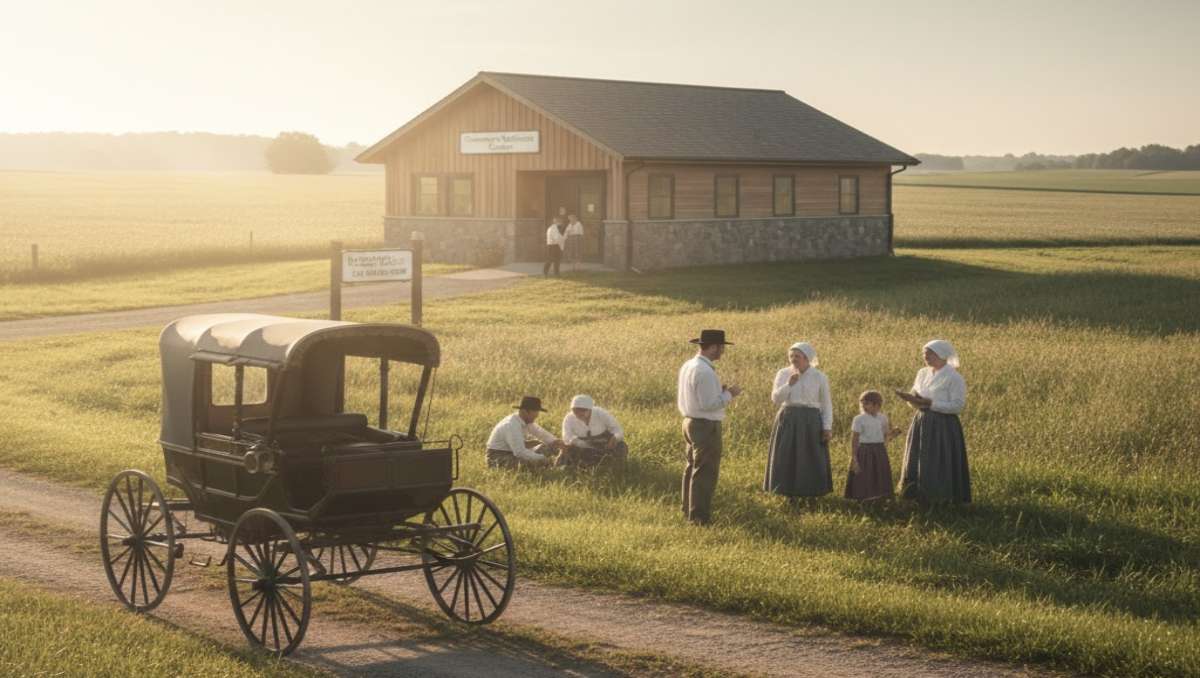
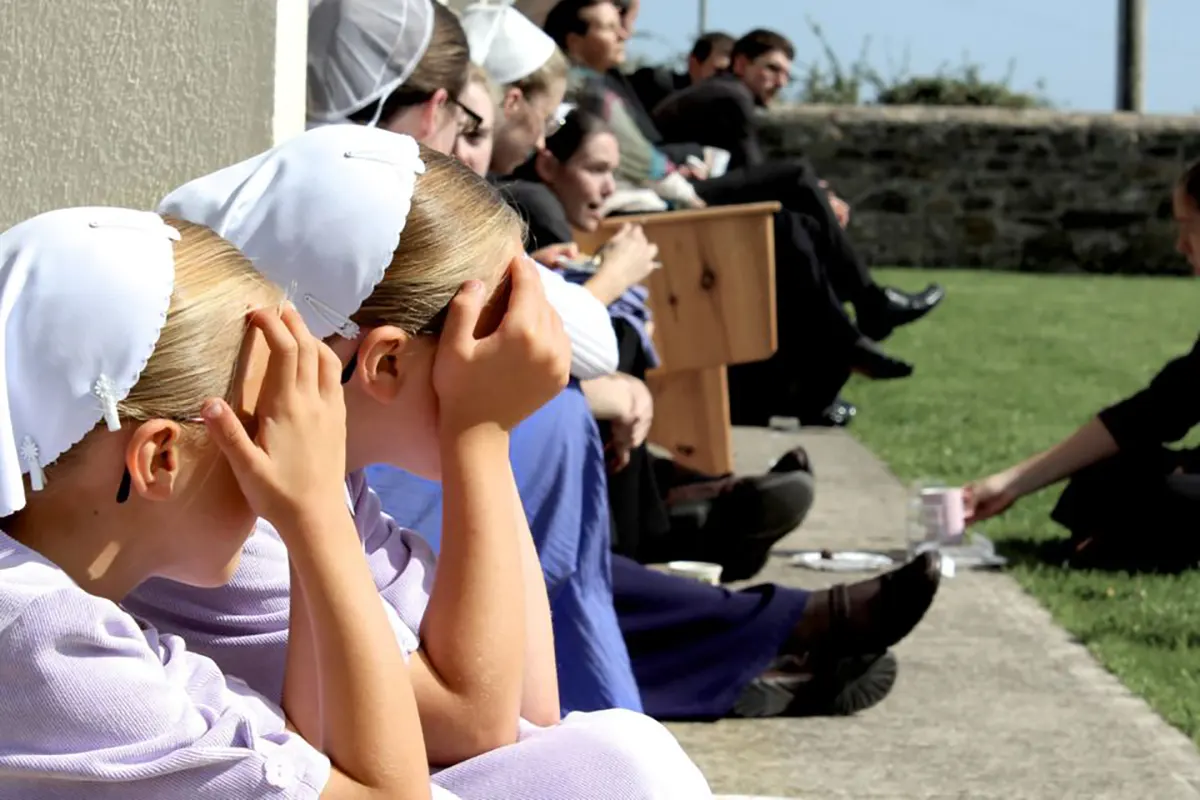
When it comes to healthcare, the Amish walk a path that blends faith, tradition, and practicality. Their approach is deeply rooted in community values and a belief in God’s providence, yet it’s far from being closed off to the modern world. Amish healthcare is a balance; one that favors natural remedies but also turns to hospitals and physicians when necessary. So, do Amish go to doctors? The answer isn’t as simple as yes or no.
Key Takeaways:
- Amish go to doctors when needed and usually try home remedies first for minor issues.
- Faith and community support guide most of their healthcare decisions.
- They rely on mutual aid funds to pay for medical care instead of insurance.
Understanding how the Amish view and manage health offers a glimpse into a culture that values faith over technology, people over profit, and care over convenience.
Core Beliefs That Shape Amish Healthcare
The way that the Amish manage health and illness is deeply informed by worldview, faith, and community structure. Below are some of the foundational beliefs that influence their healthcare choices.

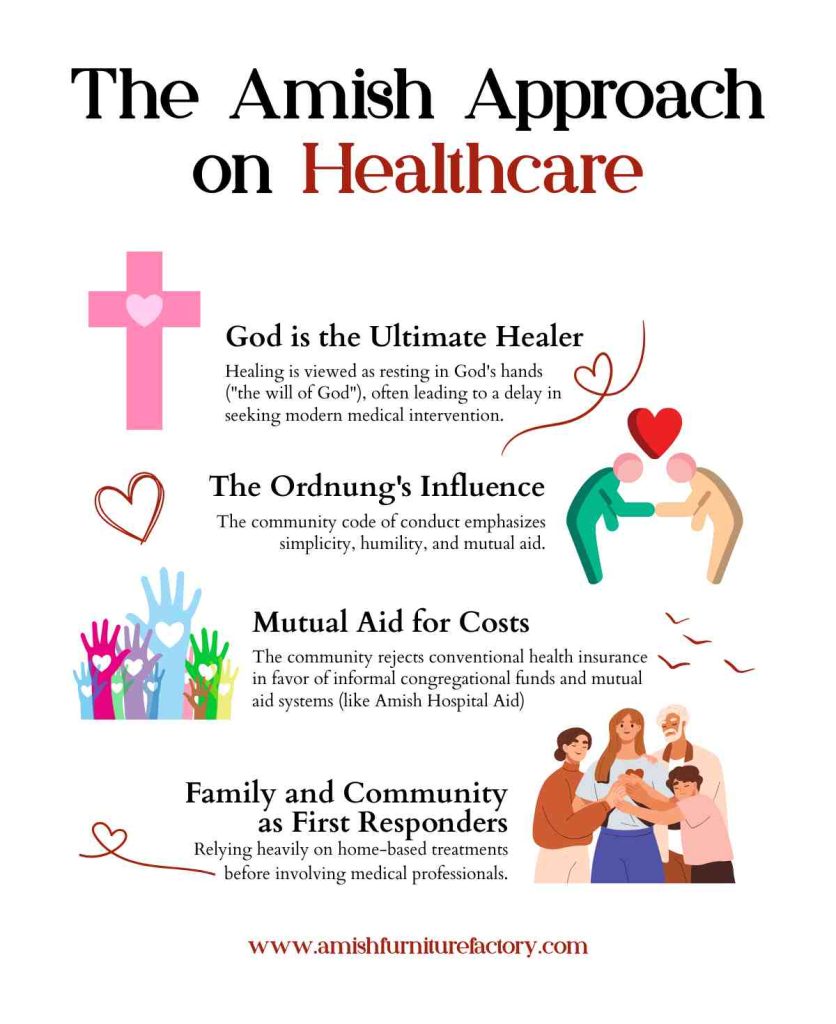
1. God as the Ultimate Healer
Many Amish believe that ultimate healing and health rest in God’s hands rather than the medical system. For example, one nursing case-study of an Old Order Amish family found that illness is regarded in part as “the will of God”.While modern medicine is not strictly forbidden, this belief means that the decision to seek a doctor is often delayed until home remedies or spiritual and communal care have been exhausted.This perspective also influences attitude toward preventive care and how aggressively treatment is pursued: medical intervention is not automatically the first line.
2. Ordnung in Medical Choices
The Ordnung — the code of community rules and values that governs many Amish settlements — indirectly shapes medical decisions. While the Ordnung doesn’t usually list specific medical prohibitions, its emphasis on simplicity, humility, and mutual aid shapes how families view options like insurance, specialist care, and high‐cost medical treatments.
3. Family and Church as the First Line of Care
In Amish communities, when someone gets sick, the first responders are often family members, church brethren, or home-based remedies rather than medical professionals. According to narratives on Amish health culture, everyday ailments are frequently treated at home with herbal teas, poultices, or by lay community members rather than going straight to a doctor.
4. Amish Mutual Aid and Community Support
Rather than rely on conventional health insurance, many Amish use mutual aid systems and informal congregational funds to handle significant medical costs. Research in Lancaster County, PA, documented that Amish Hospital Aid supplements congregational alms to cover major medical expenses. This mutual-aid approach reinforces a communal responsibility model: illness is not simply an individual’s burden, but something the community shoulders.
Do the Amish Go to Doctors?
The Amish do go to doctors, but typically as a second or last resort. For minor illnesses, injuries, or chronic discomforts, many Amish families rely on home remedies, herbal medicine, and spiritual healing. However, when a condition is serious or potentially life-threatening, they will seek professional medical care. This cautious yet pragmatic approach demonstrates that reliance on faith and tradition does not equate to rejection of modern medicine.
Here are situations when the Amish do seek medical care:
1. Emergency Injuries Accidents and Life-Threatening Illnesses

When an illness becomes serious, persistent, or poses a clear danger to life, Amish families seek professional medical treatment. Hospital visits, lab tests, and specialist care are all accepted when the situation exceeds what home remedies can manage. Severe injuries such as deep cuts, broken bones, or farm-related accidents also prompt immediate medical attention.
2. Complications During Childbirth
Although many Amish births occur at home or in birthing centers, complications like prolonged labor or hemorrhaging require hospital intervention. Midwives often coordinate emergency transfers when medical equipment or surgical care is needed.
3. Infections and Chronic Conditions Requiring Specialized Diagnosis
If herbal treatments fail to stop a spreading infection, the Amish turn to doctors for antibiotics or other medical intervention. For issues like heart problems, diabetes, or genetic disorders, the Amish seek physicians who can provide diagnostic testing and long-term management.
Traditional Remedies and Amish Healing Practices
Amish healthcare is deeply rooted in generations of traditional knowledge and faith-based healing.
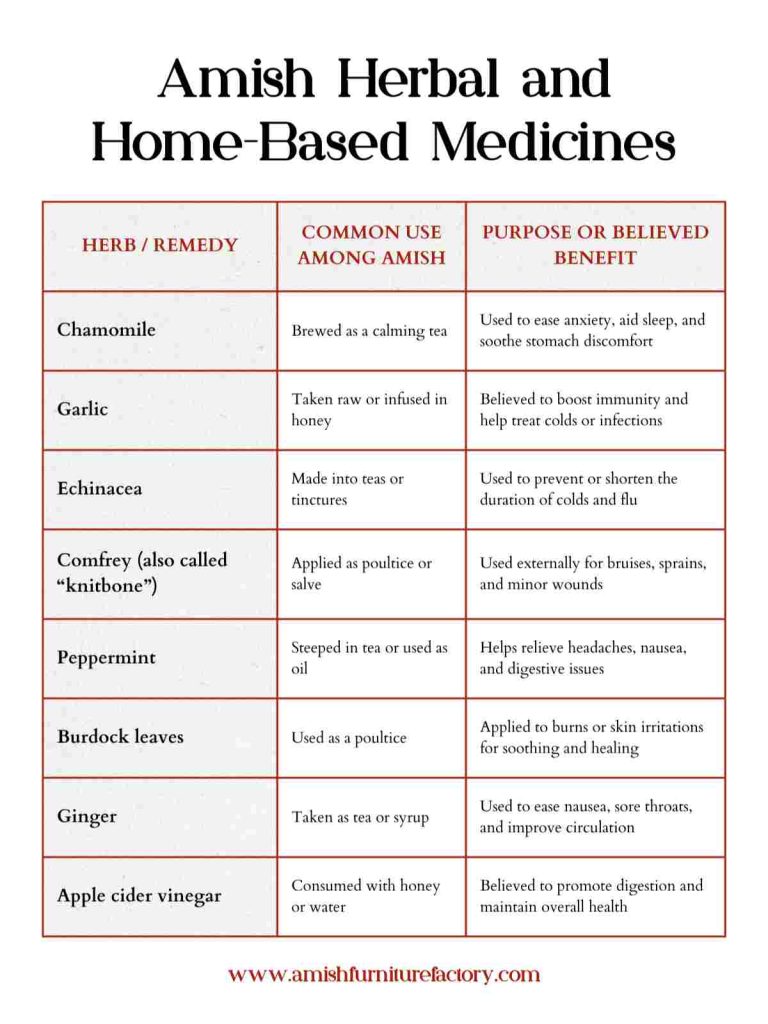
Herbal and Home-Based Medicine
Herbal medicine remains central to Amish health traditions. Commonly used herbs include echinacea, comfrey, and garlic for boosting immunity and treating infections. A study in Ohio found that over one-third of Amish women use herbal or natural remedies before seeking professional care. These treatments are typically passed down through families.
Faith Healing and Powwowing
Faith plays a strong role in Amish healing, often expressed through powwowing or Braucherei—a centuries-old practice blending prayer, scripture recitation, and folk medicine tradition. Originating from German Christian roots, powwowing is viewed as calling on God’s power to heal rather than replacing medical care. It is often practiced quietly within families, emphasizing trust in divine will and spiritual harmony alongside physical recovery.
Using Midwives and Traditional Birth Attendants
Home births are common in Amish communities, often assisted by lay midwives or traditional birth attendants familiar with Amish customs. These caregivers prioritize natural birth, privacy, and faith-centered support over hospital procedures. Studies of Amish birthing centers report low C-section rates and high success in natural deliveries. This approach reflects Amish values of modesty, family-centered care, and minimal reliance on outside institutions.
What Modern Medical Care Do the Amish Use?
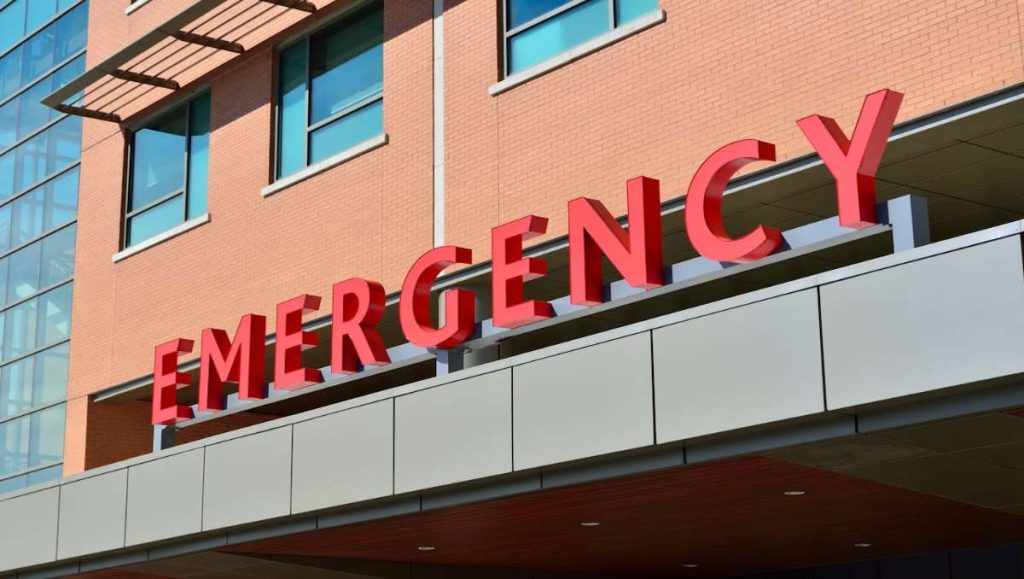
While the Amish continue to value home remedies and community-based care, many also turn to modern medical services when necessary. Routine doctor visits, surgeries, specialist consultations, and hospital care are used especially in emergencies. Vaccination practices vary widely: some Amish communities follow routine immunizations, while others delay or decline them, contributing at times to outbreaks of preventable diseases such as measles.
During the COVID-19 pandemic, the Amish response highlighted their strong communal culture and selective engagement with modern healthcare. According to a report by CDC, a rural Amish community in Ohio saw rapid virus spread after multiple social gatherings — which are central to Amish life — but community leaders cooperated with health officials to set up testing and organize mitigation efforts. A 2022–2023 study found that Amish-populated counties had about 1.6% lower COVID-19 vaccination rates compared to other counties.
Mental Health, Disability, and End-of-Life Care
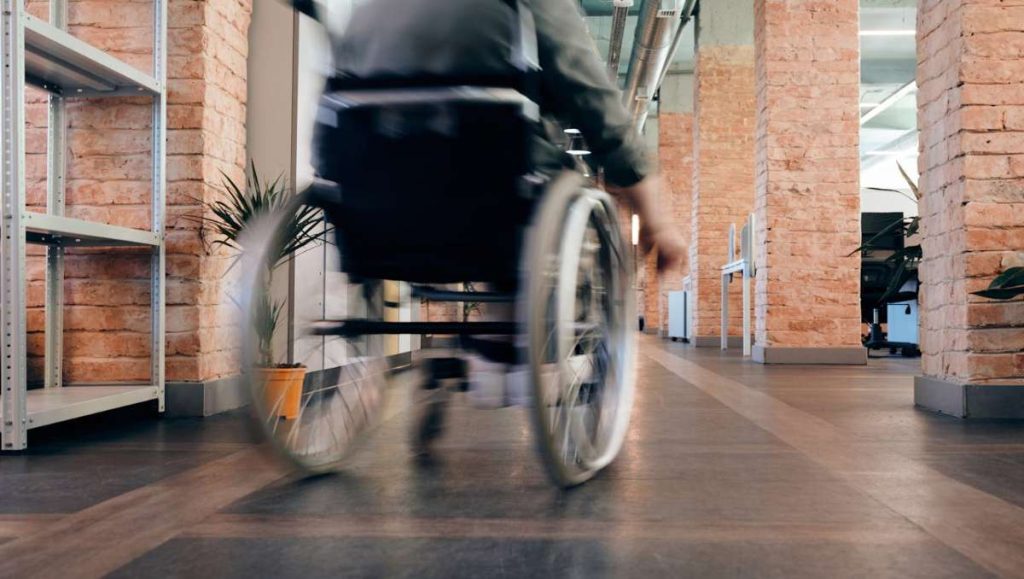
The Amish approach to mental health, disability, and aging is grounded in faith, family responsibility, and community care. Mental health concerns such as depression or anxiety are often viewed through a spiritual or communal lens, addressed first through prayer, pastoral counseling, and support from relatives or church members. While some families do seek professional mental-health services, stigma and a preference for non-medical approaches can delay formal treatment. Likewise, the Amish prioritize caring for elders and individuals with disabilities within the home: aging parents typically live with their children, and church members assist with daily needs.
End-of-life care also reflects this deeply relational and faith-driven model. When hospice services are used, they are typically coordinated to support home-based care. Decisions about life-sustaining treatments are made collectively, involving family members, church leaders, and sometimes the patient, with an emphasis on dignity, quality of life, and alignment with religious values rather than aggressive medical intervention.
Ready to understand the full context of Amish ways? Explore our comprehensive collection of articles and guides detailing the Amish approach to life, health, and community.
Conclusion: A Faith-Based Approach to Wellness
The Amish approach to healthcare blends faith, tradition, and modern medicine. While they have access to Western, allopathic treatments, many health decisions are guided by prayer and a strong reliance on God. Families often consult church leaders, such as pastors or bishops, when faced with health concerns, reinforcing the community’s role in wellness.
Home remedies and traditional practices are commonly used for minor ailments, but the Amish do not shy away from hospitals, clinics, or dental care when conditions require more advanced medical intervention. This balance between faith, folk practices, and modern health care reflects a uniquely holistic approach to wellness.
Frequently Asked Questions
Are Amish people allowed to take medicine?
Yes, the Amish may use prescription and over-the-counter medicine as needed, often combined with home remedies.
What are the health considerations of the Amish?
The Amish tend to have lower rates of lifestyle-related illnesses, such as heart disease, due to physical activity and diet, but genetic conditions can be more common in isolated communities.
Do the Amish go to the dentist?
Yes, dental care is commonly accessed, though preventive visits may be less frequent in some communities.
How do the Amish pay for extremely expensive procedures, like surgery or long-term hospitalization?
Amish communities often rely on mutual aid programs, church-based support, and community fundraising to cover major medical expenses, rather than traditional insurance.
Do Amish children receive vaccinations or common childhood immunizations?
Vaccination practices vary by Amish community, with some opting out entirely and others following limited immunization schedules based on health and religious considerations.
The CPSP (College of Physicians and Surgeons Pakistan) examination is a critical milestone for medical professionals aiming to specialize in various fields. It assesses the candidate’s clinical knowledge, skills, and practical expertise. Passing the CPSP exam is essential for obtaining board certification, ensuring that medical practitioners uphold the highest standards of patient care. Prepare diligently to succeed in this prestigious and challenging examination.
The Amish approach to healthcare highlights the important role that culture and community play in health decisions. Their blend of traditional remedies and selective use of modern medicine reflects a holistic understanding of wellness that many healthcare professionals could learn from. For students preparing for healthcare exams, including cultural competence topics, building a strong foundation is key. PrepHow offers comprehensive practice tests and study resources to help learners master the diverse knowledge needed for success in health-related fields.
Raising bison requires spacious, secure pastureland with strong fencing (at least 6–8 feet high and robust enough to contain these powerful animals), as they are not suited to confinement and thrive on open grazing. Provide a diet primarily of native grasses and forage, supplemented with hay or grain during winter or drought, along with free-choice mineral supplements and clean water.