
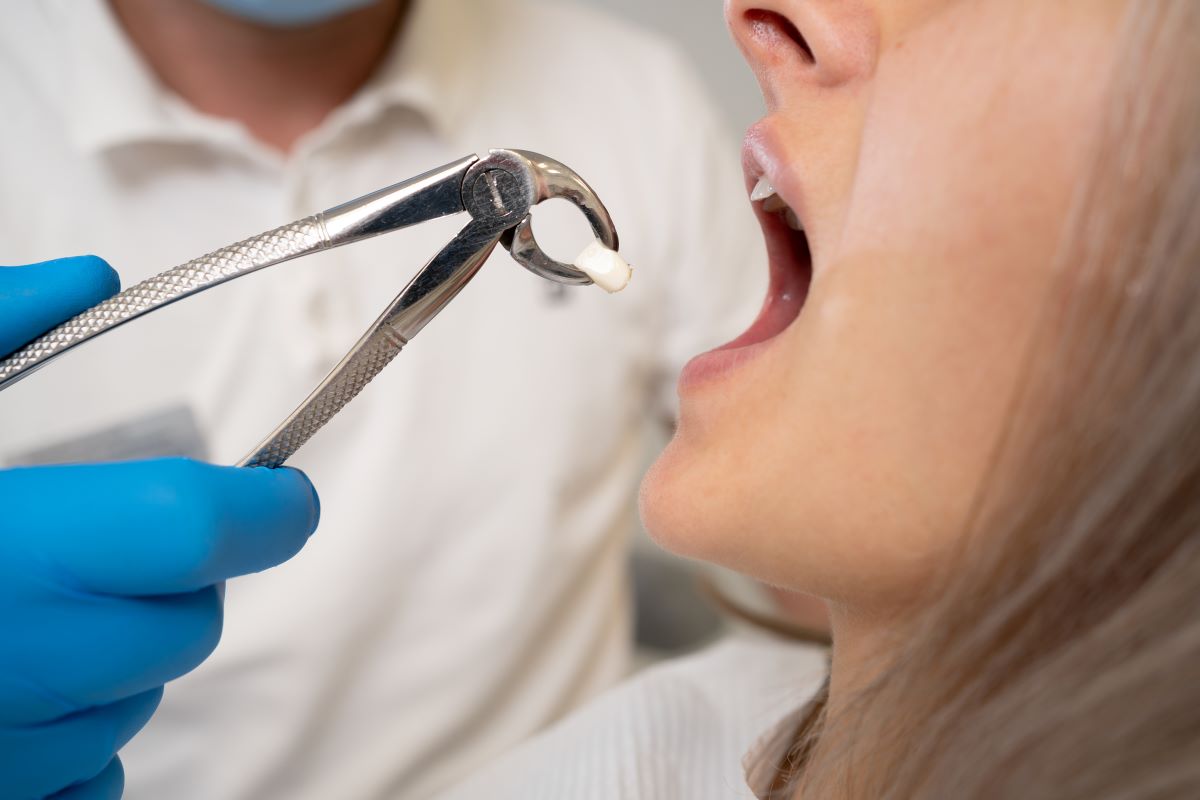
Many factors may influence the Amish people’s approach to dental health, including their cultural and religious beliefs, access to dental care, and individual preferences. In this article, we’ll explore everything about Amish dental health and provide insights into this often-misunderstood aspect of the Amish way of life.
Key Takeaways:
- Some Amish do have their teeth pulled, often as a practical alternative to ongoing dental care.
- Dentures are widely accepted, even among young adults, and are not seen as stigmatizing within Amish culture.
- Unlicensed “Amish dentists” may offer extractions within the community, though legal and safety concerns surround this practice.
Why Do Amish People Get Their Teeth Pulled?
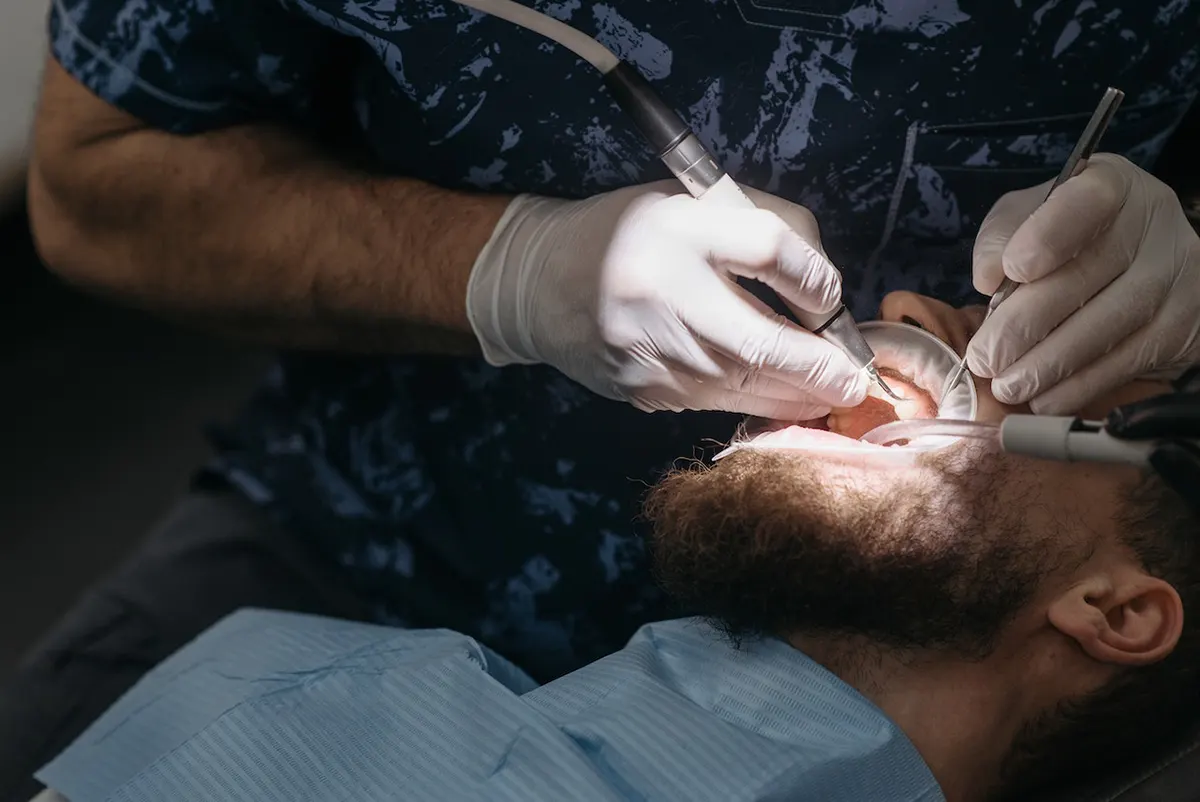
As people who value humility over vanity, Amish families don’t stress about the appearance of their teeth. Preventive care for their gums and teeth is never a priority for the Amish. In cases of severe toothache and decay, however, it is a different story.
The Amish don’t usually seek dental care from modern dentists, not because their church forbids them, but because they don’t have insurance, and the costs for such services are way too expensive for people living a simple life. In addition, modern dental care is inaccessible to some Amish communities. They would have to travel miles on their horse buggies before they could get help for their problem teeth.
Therefore, many Amish people choose to have all their teeth pulled out in one visit to prevent long-term dental visits and treatments. For them, the most effective preventive care for tooth decay is to remove one, a couple, or even a mouthful of healthy teeth.
Do the Amish Pull Teeth as Part of the Amish Tradition?
Contrary to what many non-Amish people believe, pulling teeth is not a cultural or religious practice specific to the Amish. While it is true that many Amish people may have teeth removed for medical reasons, such as severe tooth decay or gum disease, the idea that pulling teeth is an Amish tradition is a misconception and is not supported by evidence.

Does the Ordnung Affect How the Amish Approach Dental Care?
Yes, the Ordnung—the unwritten set of rules that governs daily life in Amish communities—plays a significant role in shaping attitudes toward healthcare, including dental care. While the Ordnung varies between communities, it generally promotes Amish values such as simplicity, humility, and separation from the modern world. These principles can influence how Amish individuals prioritize practical solutions over cosmetic or high-tech interventions.
For example, rather than undergoing ongoing dental treatments like fillings or root canals, many Amish opt for tooth extraction followed by dentures because it’s seen as more straightforward, cost-effective, and aligned with the community’s emphasis on function over appearance.
Do Amish People Wear Dentures?
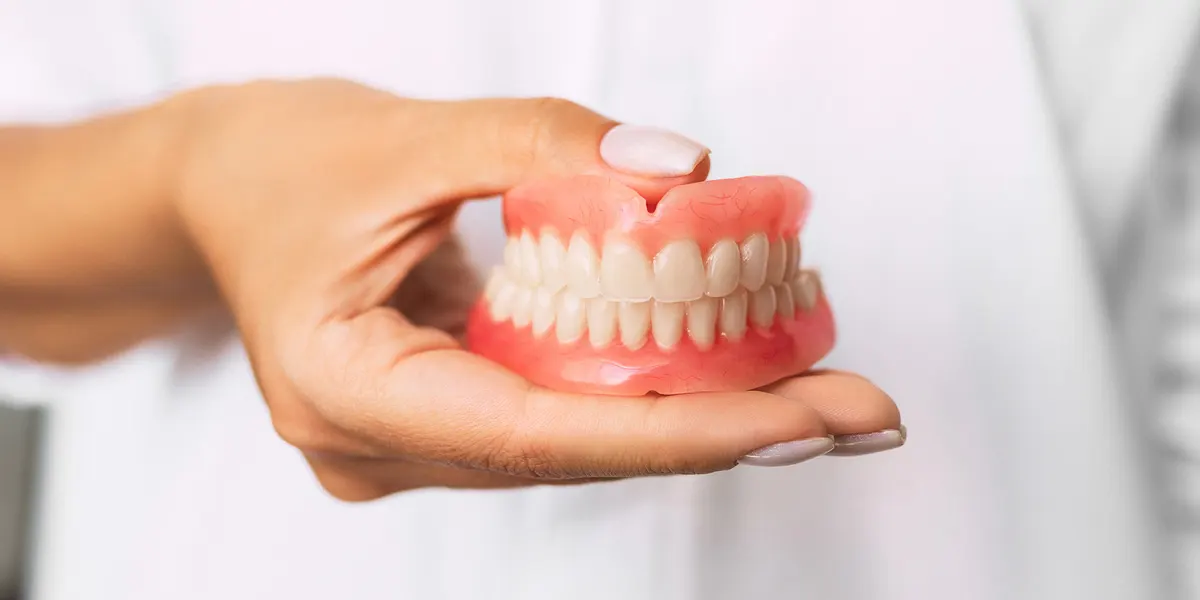
In many Amish communities, wearing dentures is often more common than trying to save natural teeth. Because dental care can be expensive and difficult to access, some Amish choose to have all their teeth removed early and replaced with dentures. This is sometimes a more practical and affordable option than paying for ongoing dental treatments—even among young adults and teenagers.
The reality of this practice gained attention when a young Amish woman named Rebecca appeared on Breaking Amish and revealed she had all her teeth pulled at age 19. While parts of the show sparked debate, her experience with early tooth extraction and dentures reflects a real trend in Amish dental care that other sources have also confirmed.
How Serious Are Dental Health Problems in Amish Children?
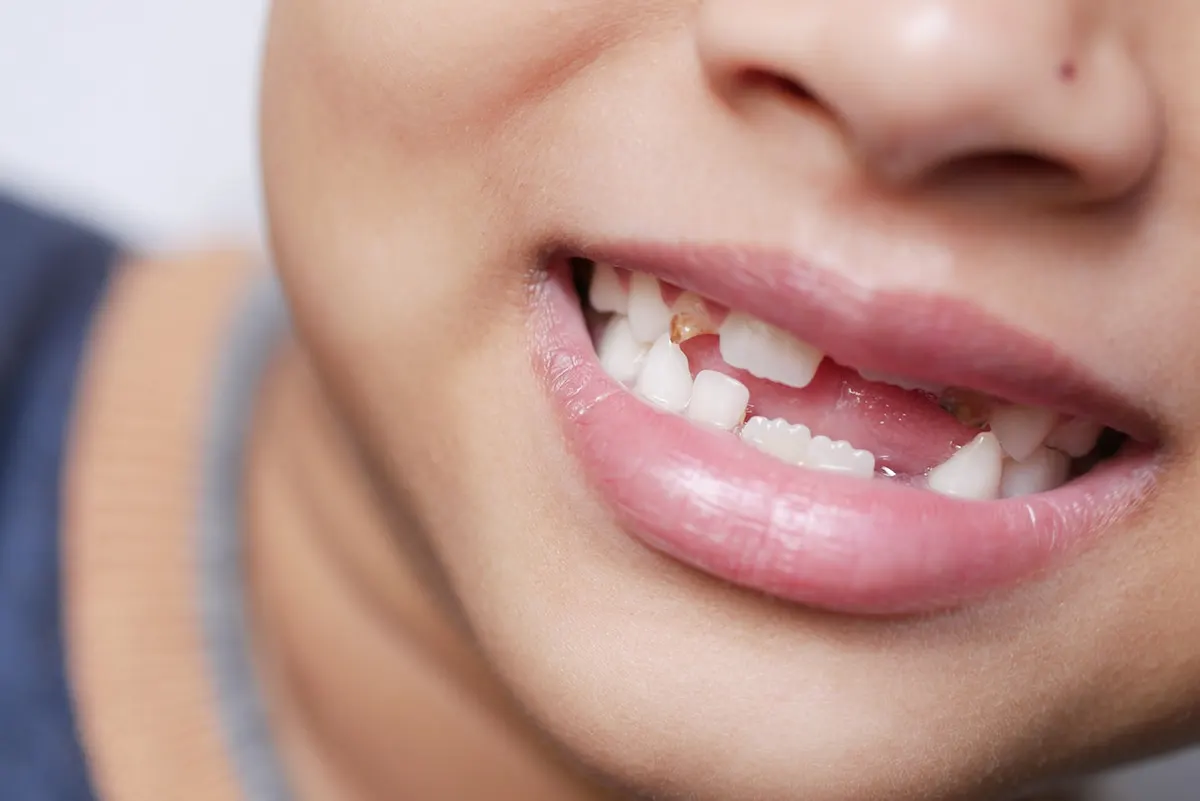
Dental health issues among Amish children are more serious than many parents realize. A study conducted in Geauga County, Ohio, found that while 87.7% of Amish parents believed their children had “very good” oral health, over 88% of the kids actually had untreated tooth decay. The study also showed that only 33% of the children had seen a dentist in the past year, and 28% had never been to one at all.
In Amish communities, limited access to modern dental care and different schooling may contribute to the problem. One Amish girl interviewed mentioned that “many Amish lost their teeth when they were young,” hinting at a cultural norm that may downplay the importance of preventive care. This disconnect between perception and reality highlights a growing need for dental health awareness among Amish families.
Do the Amish Have Dentists?
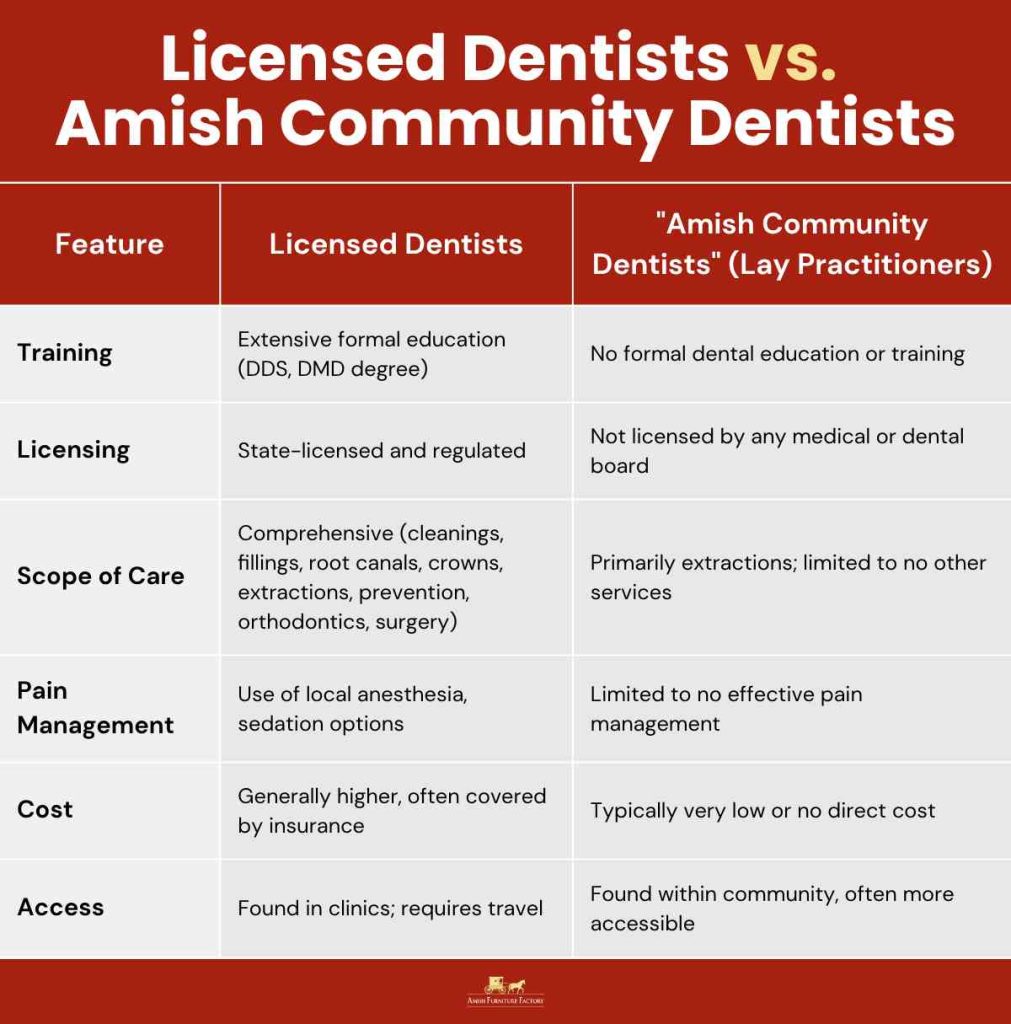
There are no licensed and certified healthcare professionals specializing in dentistry among the Amish people. The main reason is that there’s no stepping stone for any Amish person to become one since their community’s education is only up to the 8th grade.
To become a licensed and certified dentist, one has to complete a bachelor’s degree from a higher institution, take the Dental Admission Test, attend a dental school, pass the National Board Dental Examinations, and obtain a state license. The Amish, for starters, oppose formal education after the eighth grade because they believe that high school education would expose Amish children to worldly influences that contradict the Amish faith.
Therefore, if an Amish person wants to be a professional and licensed dentist, he may need to leave the church, his family, and the Amish culture and life he grew up to.
Who are the “Amish Dentists”?
“Amish dentists” exist, whose primary job is pulling teeth with pliers and drills, often without any numbing agents. Some offer dentures, which they often outsource to trained molders within the community. However, they don’t provide more complicated dental services, such as dental bonding, bridgework, dental crowns, root canal therapy, veneers, etc.
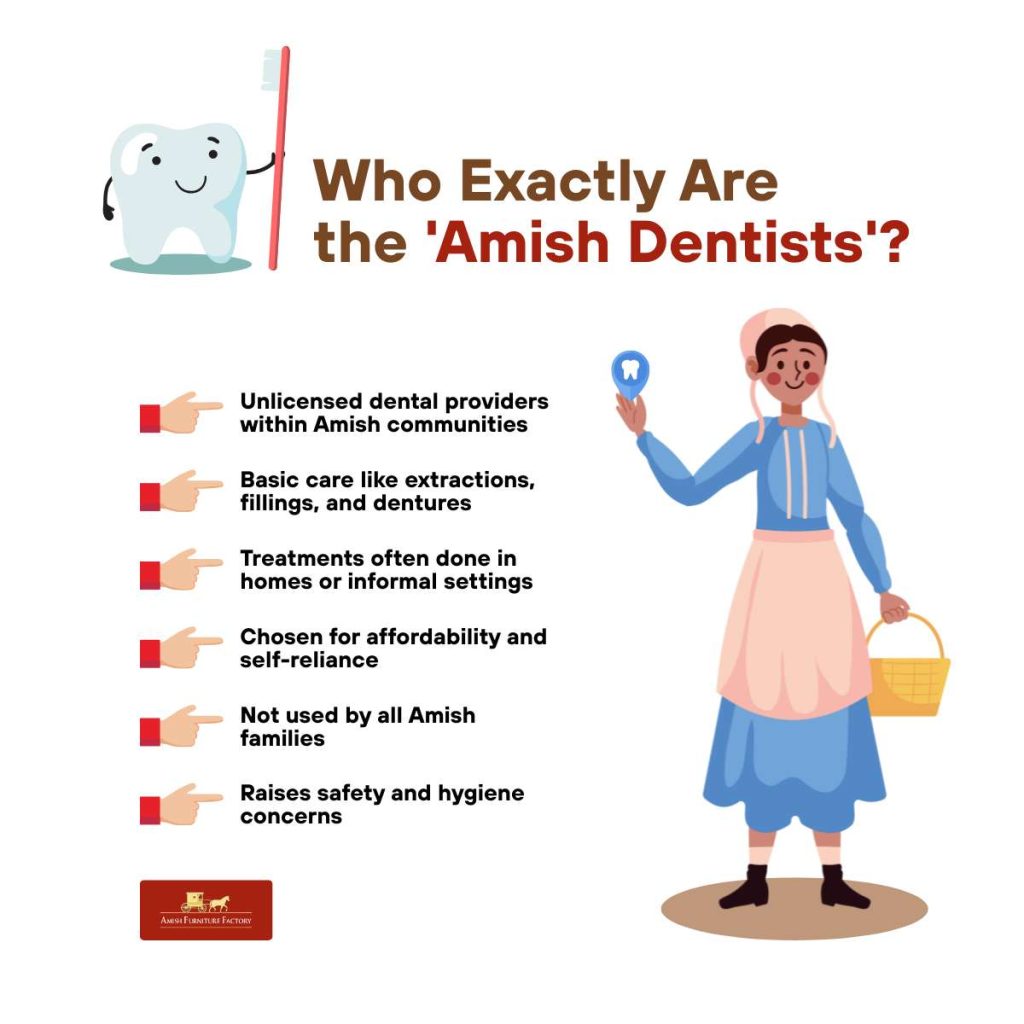
These Amish dentists are different from the licensed and certified modern dentists we are used to. However, because many Amish families prefer the inexpensive and quicker route, these local Amish dentists have become their best choice.
Amish dental care has been facing tons of controversies over the years. Some Amish dentists have faced legal problems, penalties, and even jail time due to their dentistry practice. Therefore, you may not see one hanging a sign on their front door advertising dental services.
Even though the practice is illegal, especially in a non-Amish society, these Amish dentists are highly valuable in many Amish communities. They generally receive donations in place of an official fee.
Modern Dental Care Trends Among the Amish
Though deeply rooted in tradition, many Amish communities today are gradually adopting aspects of modern dental care—especially among the younger generation. While older, conservative districts often favor home remedies (like homemade toothpaste from baking soda and salt) and natural treatments such as oil-pulling, some now regularly see licensed dentists for preventive care or minor restorative work.
Community mobile clinics also visit Amish regions to provide basic treatment, revealing that nearly 28% of Amish children served by one mobile unit had never received prior dental care—but others are now benefiting from topical fluoride treatments and sealants. Younger Amish may also be more open to modern diagnostics like X-rays and simple fillings when recommended.
Want to learn more about the Amish lifestyle? Visit our Facebook page for additional resources and insights.
Conclusion
Like any other society, Amish people may seek professional dental care when necessary since utilizing modern healthcare is allowed by their church. However, there are some factors to consider for each Amish family – the costs, access to healthcare, and even the severity of the dental problem.
As people who avoid complicated things in life, it is understandable if they choose a more convenient route – the local Amish dentists, for example.
While the Amish approach to dental care can vary among communities, pulling teeth is not a culturally-specific practice. The Amish are a diverse group of people with different religious beliefs and practices. What happens to a specific Amish community doesn’t always happen to all Amish communities worldwide.
Frequently Asked Questions (FAQ)
Are Amish children taught oral hygiene?
Oral hygiene education varies. In some communities, children may learn basic hygiene at home, but regular brushing and flossing aren’t always common as in mainstream culture.
Can Amish people go to regular dentists?
Yes, many do when necessary, especially if they can find affordable or community-recommended practitioners. However, preference is often for simple, lower-cost dental treatments like extractions.
Do all Amish people get their teeth pulled?
No, it’s not universal. Some Amish prefer extractions and dentures for cost and convenience, but others opt for fillings or retain their natural teeth if affordable oral care is available.
How often do Amish brush teeth?
Most Amish brush their teeth less than once a day. Only about 1.3 percent brush twice or more daily, and around 2.6 percent say they never brush their teeth.
Drinking fluoridated water could help.
Flourinated water is poison.
I drive for an amish community. Some do go to “english” dentists. However, many choose to go to the amish dentist. These dentists, in many cases, not only pull the teeth, but also make the dentures in the same day. Some have a numbing solution and some do not. Quite a few have dentures, as this article states by their early 20s.