
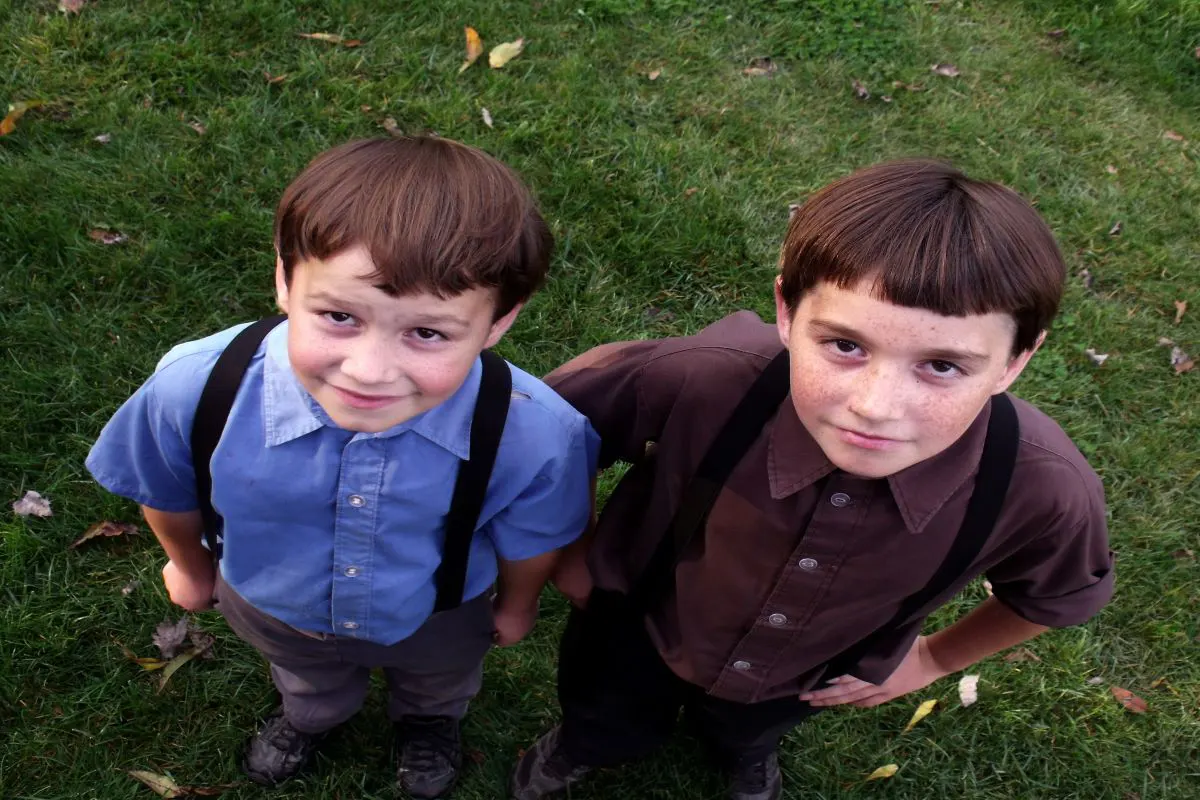
Adoption is a journey full of hope, love, and life-changing adjustments, and within the Amish community, it takes on a unique form. Known for their close-knit families, strong faith, and simple way of life, Amish families approach adoption in ways that reflect their values and traditions. The process often emphasizes family, community support, and adherence to cultural norms. Adjustments for both parents and children focus on maintaining faith, connection, and the rhythms of Amish life.
Key Takeaways:
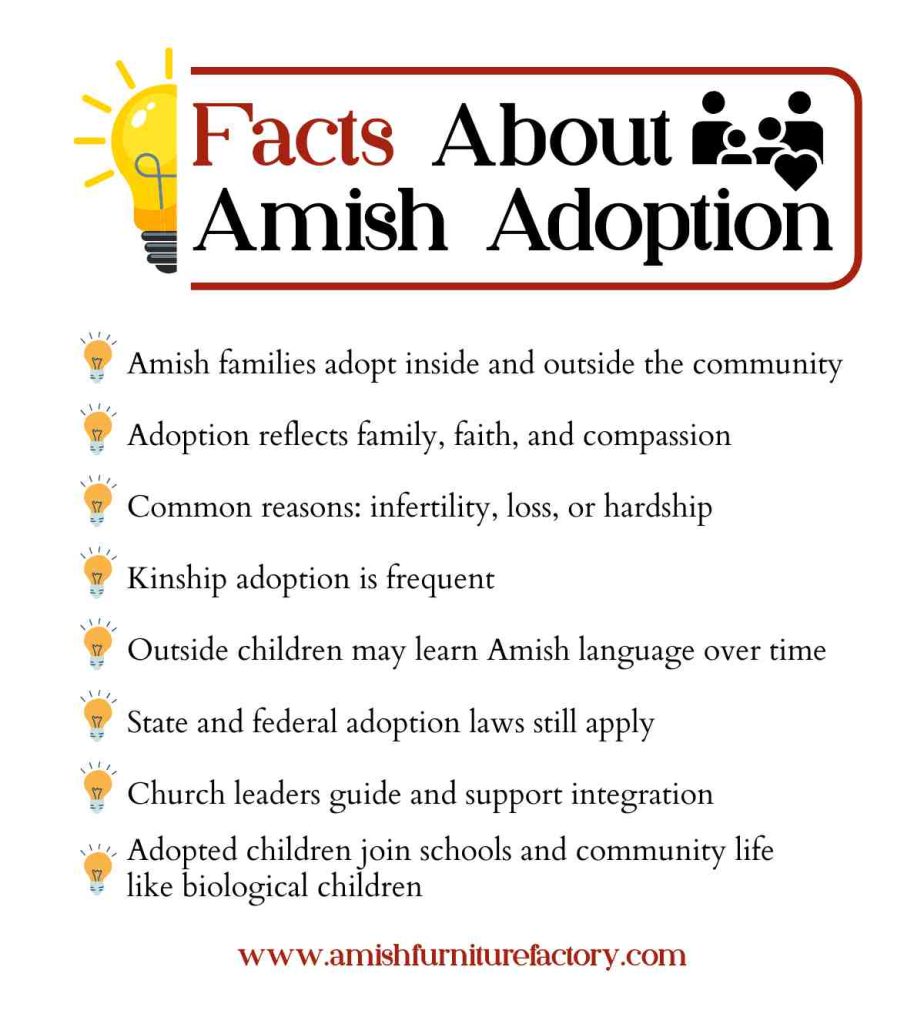
- Amish families can and do adopt, though the process can be tricky because of differences in lifestyle, education, and healthcare.
- There are no rules from their church leaders against adopting children, including who they can and can’t adopt.
- Reasons for adoption include infertility, the desire to care for unwanted children, and the tradition of caring for orphaned relatives.
In this article, we explore how adoption works within the Amish community, where faith, family, and tradition shape every step of the process.
Can Amish Adopt? Exploring Why Families Choose It
Yes, Amish families can and do adopt, and the practice is widely accepted across most Amish communities. Adoption fits naturally within Amish values of family, compassion, and responsibility, offering a stable, faith-centered home to children in need. Although they must follow the same legal adoption steps as non-Amish families, the Amish approach adoption thoughtfully, prayerfully, and with a sincere desire to care for and nurture a child.
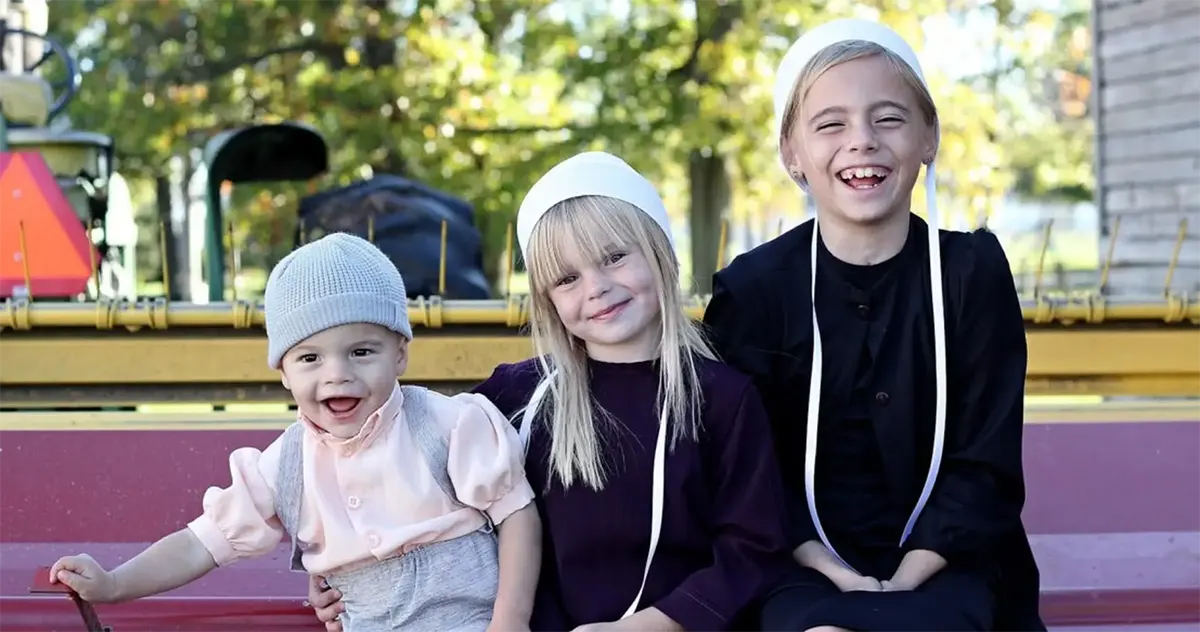
Here are the reasons why Amish families choose to adopt:
1. Compassion for Children in Need
Amish families adopt because they believe every child deserves a nurturing, stable home. Acts of service and caring for the vulnerable are deeply ingrained in their faith and community values.
2. Infertility or Difficulty Conceiving Biological Children
Some Amish couples adopt due to infertility or ongoing challenges with pregnancy. Adoption allows them to fulfill the important cultural and spiritual calling of raising a family when biological children are not possible.
3. Supporting Relatives or Community Members
Adoption often happens within the Amish community when parents face hardship, illness, or pass away. Taking in a child from relatives or neighbors ensures continuity of culture, language, and community belonging. For example, in one rare case, a 30-year old Amish uncle and aunt from Ohio had to sell a large home they built to move to Jasper and adopt 12 Amish children after their parents died in a road accident in New York.
4. Religious and Moral Beliefs About Caring for Others
The Amish view adoption as an expression of Christian love and obedience to biblical teachings about caring for orphans. This belief also supports occasional adoptions from outside the Amish community when the need arises.
How the Amish Adoption Process Works
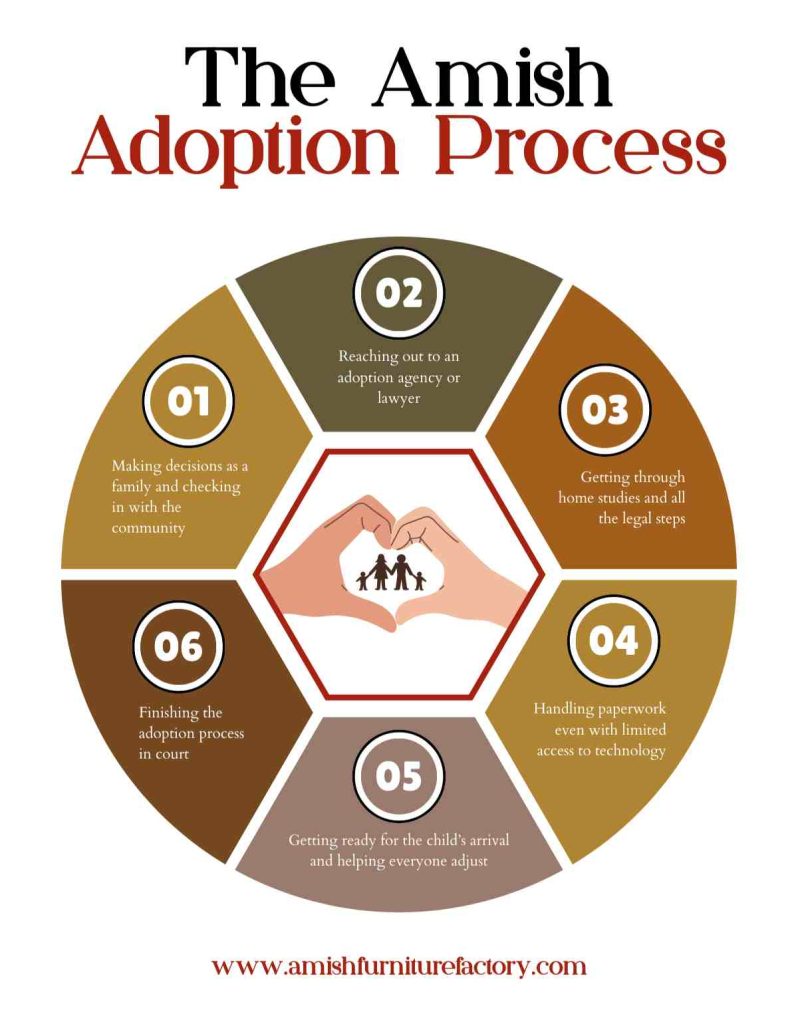
The Amish follow the same state and federal adoption regulations as any other family. Here’s a clear breakdown of how the adoption process typically unfolds for Amish families:

1. Family Decision-Making and Community Consultation
Amish couples begin with thoughtful discussion, prayer, and reflection before pursuing adoption. They often seek guidance from their bishop or church elders to ensure the decision aligns with community expectations and spiritual values.
2. Connecting With an Adoption Agency or Attorney
Since Amish families avoid technology and may lack convenient transportation, they often rely on English (non-Amish) drivers or trusted intermediaries to communicate with agencies or lawyers. Some Amish prefer private adoptions due to fewer technological requirements and more personal communication.
3. Completing Home Studies and Legal Requirements
Amish homes must still undergo state-mandated home studies, background checks, and interviews. Caseworkers are generally familiar with Amish lifestyles and adapt their evaluation to account for non-electric homes, simple furnishings, and traditional child-rearing practices.
4. Navigating Documentation with Limited Technology
Instead of emails or digital forms, Amish families handle paperwork in person or through mailed documents. Agencies often accommodate this by offering printed forms, written correspondence, and scheduled meetings at neutral locations.
5. Preparing for Placement and Adjustment
Once approved, families prepare by involving relatives and community members who will support the child’s transition. Because Amish life is slower-paced and community-driven, extended family often plays a major role in helping the new child feel secure and welcomed.
6. Finalizing the Adoption Through Court
Court hearings are unavoidable, but Amish families typically attend with a driver or agency representative. After the judge finalizes the adoption, the child legally becomes a full member of the family and community, with the same rights and expectations as biological children.
Adoption Within vs. Outside the Amish Community
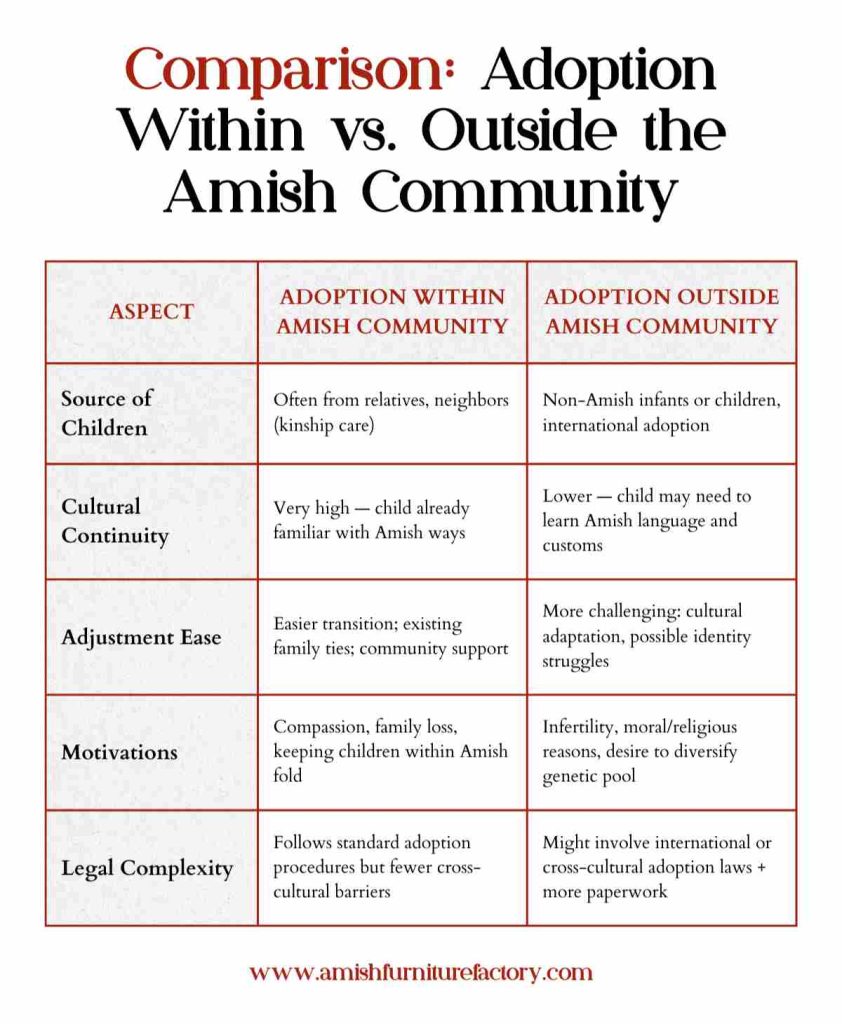
When Amish families adopt within their own community, the process is often rooted in kinship and communal support. In many cases, children are taken in from relatives, such as after the death or illness of a parent, so adoption helps preserve familial bonds and maintain the child’s Amish identity. Because the child is already familiar with Amish language, culture, and traditions, integration tends to be smoother.
On the other hand, some Amish families adopt outside their community, including from non-Amish backgrounds or even internationally. According to research on Amish-Mennonite adoption, while the number of formally tracked adoptees is small, there are cases of cross-cultural and inter-country adoption. These adoptions reflect both personal needs (such as infertility) and broader motivations, such as diversifying the genetic pool in a culturally isolated community.
The Amish Participation in Foster Care System
Many children from the English world who are in the foster care system are getting cared for by Amish foster families, many from the New Order Amish. They believe that every foster child that comes into their lives is God’s will. Many of these foster kids from the modern world are placed in the system due to various heartbreaking stories. They may be victims of abuse, abandonment, or neglect.
The length of a foster child’s stay with his foster parents depends on his needs and the biological parents’ participation (if applicable) in the program. A caseworker works with the foster parents to identify and assess the situation to properly determine the child’s placement goals. In the meantime, the Amish parents vow to love and care for them as much as they can.
How Amish Families and Children Navigate Adoption

Adopted children in Amish families navigate a communal path to integration, where faith, family, and community are central. Amish society emphasizes early and continuous cultural training, often described by sociologist John A. Hostetler as a “cultural apprenticeship.” Through one-room Amish schools and daily life, children are gradually socialized into community roles, traditions, and expectations.
At the same time, Amish families face practical and emotional challenges during adoption. Financial barriers such as agency fees, legal costs, and home studies can be substantial for families whose livelihoods are based on farming, craftsmanship, or small trades. Parents also navigate emotional pressures: building bonds with children who may have experienced trauma or loss. Despite these hurdles, the strong emphasis on family, shared responsibility, and community support helps many adopted children adjust successfully and thrive within Amish life.
How the Amish Community Supports Adoptive Families
Amish communities play a central role in ensuring that adoptive families feel supported, grounded, and fully integrated throughout the adoption process. Amish families rely heavily on their community for encouragement, prayer, and reassurance, especially during the early stages of adoption. Neighbors and extended relatives frequently visit, offer guidance, and help the family navigate the child’s emotional needs.
Church leaders, particularly the bishop and ministers, also play a vital role by offering spiritual direction and ensuring the adoption aligns with biblical principles and community expectations. They may visit the home, pray with the family, and provide counsel on integrating the child into Amish traditions and values.
Interested in learning more about the intricacies of Amish ways? Read our free guides to understand this unique cultural journey.
Final Thoughts on Amish Adoption
Adoption in Amish communities reflects both deep compassion and a commitment to preserving family and cultural values. Whether adopting within the community or welcoming a child from outside, Amish families carefully balance legal requirements, spiritual guidance, and community support to ensure that every child is nurtured and integrated into Amish life.
The collective involvement of extended family, neighbors, and church leadership strengthens the adoption process, allowing children to grow in a secure, faith-centered environment while embracing the traditions and values of their new home.
Frequently Asked Questions
How do Amish families handle modern legal requirements for adoption or foster care?
Amish families comply with all state and federal laws but often rely on intermediaries, printed forms, and in-person meetings to navigate paperwork, home studies, and court requirements while minimizing the use of modern technology.
Are Amish adoptive families allowed to maintain contact with the child’s birth parents?
Yes, but practices vary. Some adoptions are closed to maintain cultural and spiritual consistency, while others may allow limited communication if it aligns with community and family values.
Do non-Amish parents ever adopt Amish children?
This is very rare. Amish children are almost always adopted within their community to preserve cultural continuity, language, and religious upbringing.
What language is primarily spoken to an adopted child who is new to the community?
Adopted children are usually taught Pennsylvania Dutch (the local Amish dialect) at home and in social settings, while English may be used for communication with agencies, schools, or non-Amish contacts.
The 2V0-17.25 exam focuses on VMware vSphere 7.x, testing candidates’ skills in installing, configuring, and managing vSphere environments. The syllabus includes topics such as vCenter Server installation, ESXi host configuration, vSphere networking and storage, VM provisioning, security, and troubleshooting. It evaluates proficiency in managing virtual infrastructures and provides insights into cloud technologies, automation, and performance tuning. Passing the exam validates expertise in VMware vSphere administration.