
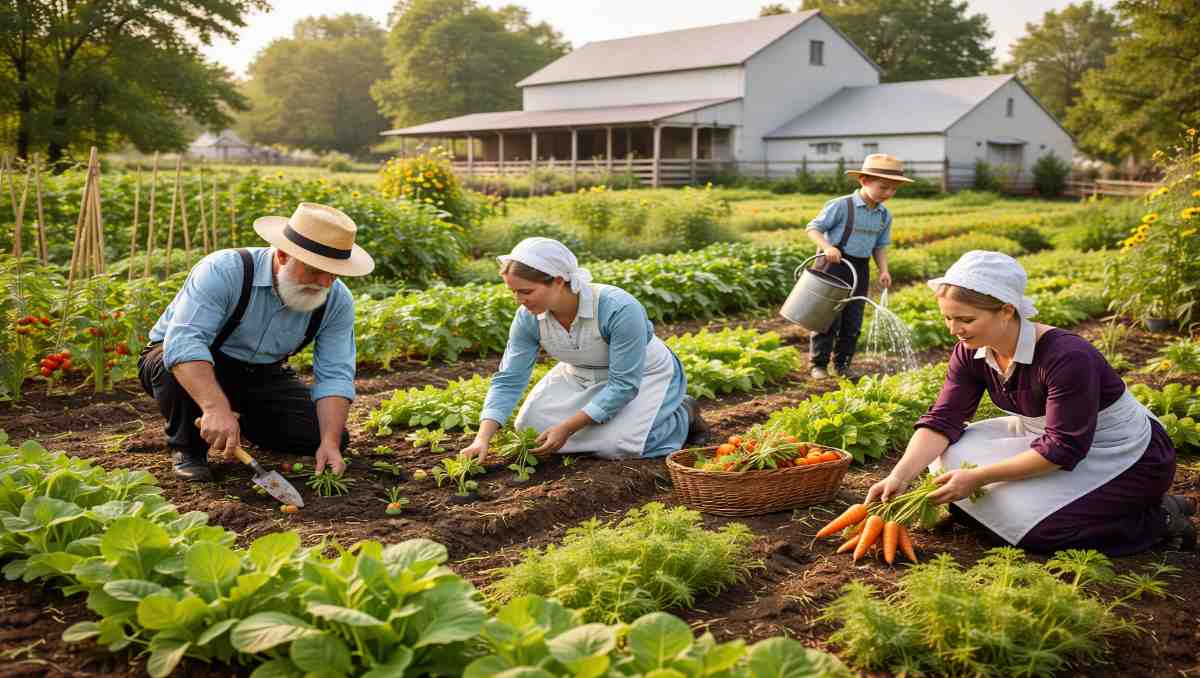
Long before leisure became something streamed, scrolled, or scheduled, Amish communities found joy in the ordinary moments of everyday life. Amish entertainment was never about flashy performances or passive consumption. It grew out of community, faith, and everyday life. These moments of recreation were deeply woven into Amish values, reinforcing humility, cooperation, and a strong sense of belonging.
Key Takeaways:
- Traditional Amish entertainment focuses on community, faith, and connection, emphasizing activities like music, storytelling, games, and shared work.
- Outdoor activities are popular, including children’s games, buggy races, and seasonal gatherings, which encourage socialization and physical engagement.
- Leisure in Amish life is purposeful, designed to strengthen family and community bonds rather than passive amusement from modern technology.
In this article, we’ll explore how traditional Amish entertainment developed before modern technology, the activities that shaped daily life, and what these simple practices reveal about a culture rooted in purpose.
The Amish View of Entertainment and Leisure
For the Amish, entertainment is woven into daily life, family, and faith. Leisure choices are guided by the Ordnung—the community’s unwritten rules governing behavior and technology.
Recreation is typically group-centered, nature-based, and non-commercial. Activities often include outdoor games and social gatherings that strengthen fellowship and shared values. Rather than relying on screens or commercial venues, the Amish favor simple experiences that promote humility, cooperation, and community belonging.
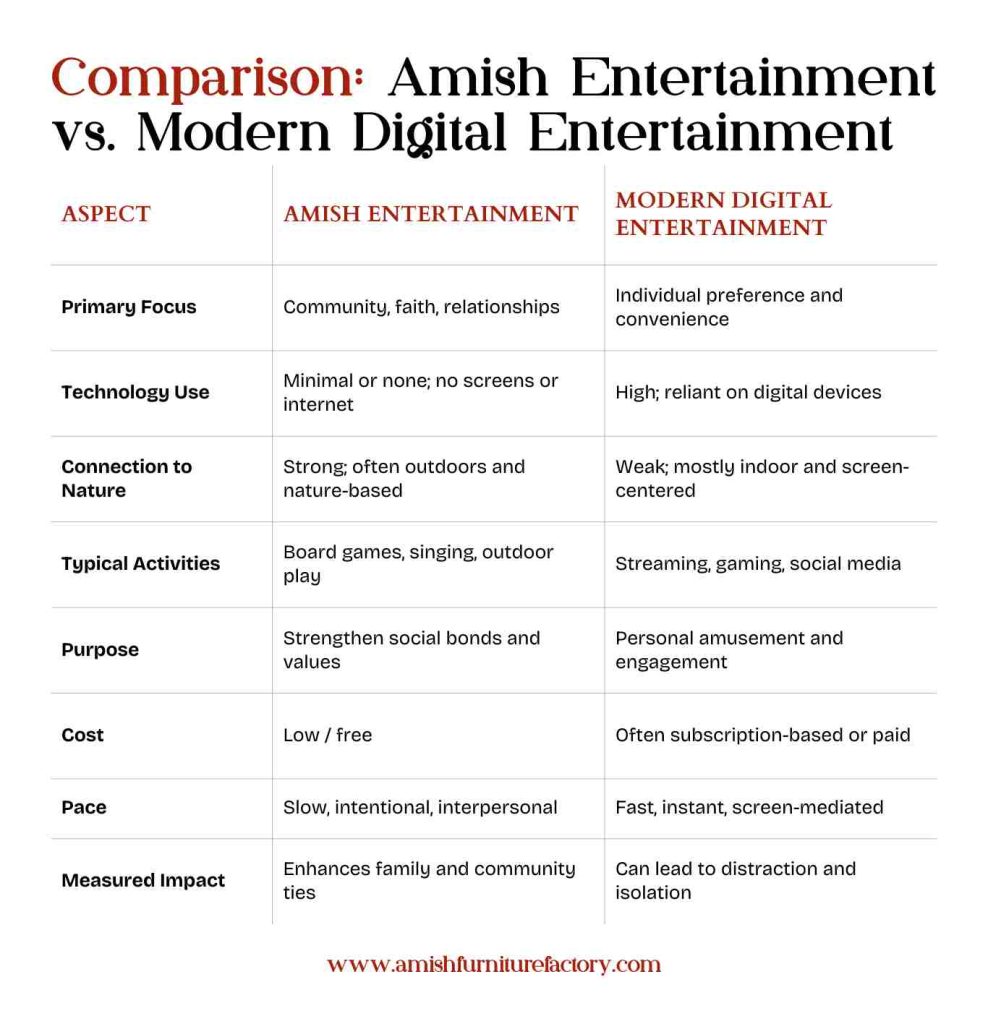
The table below offers a comparison of Amish entertainment versus modern digital entertainment, highlighting key differences in lifestyle, technology use, and leisure activities.
Social Gatherings as the Heart of Amish Life
Social gatherings formed the foundation of traditional Amish entertainment, offering meaningful connection rather than distraction.
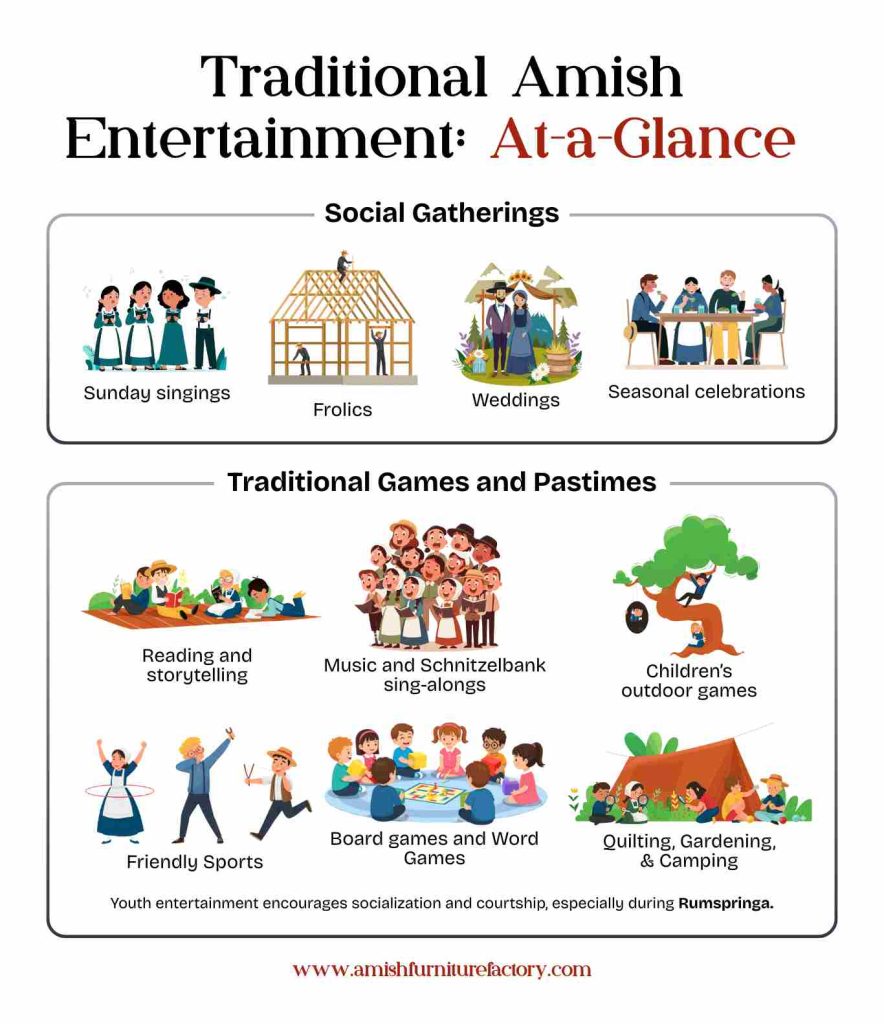
Sunday Singings
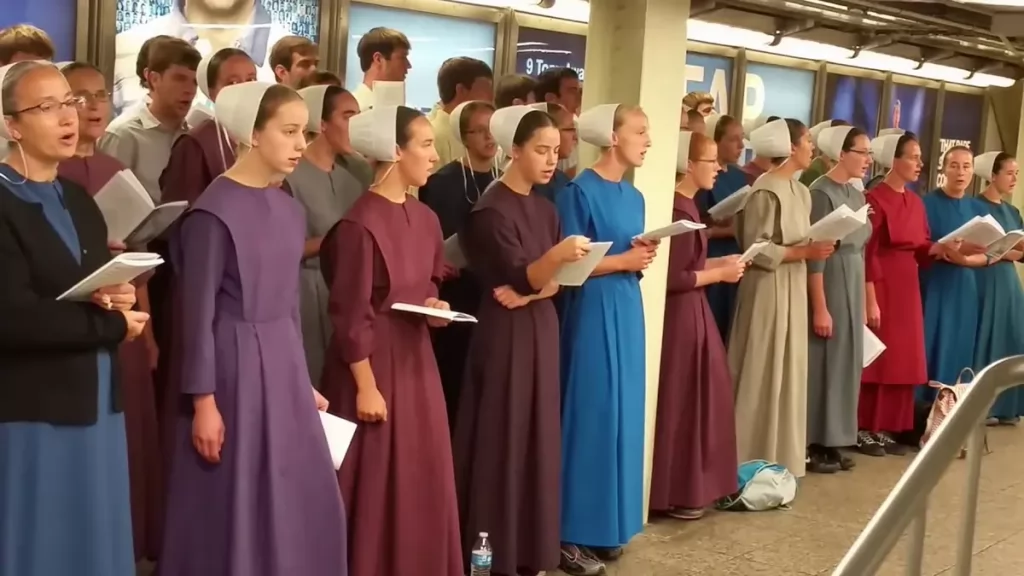
Sunday singings were one of the most cherished forms of Amish entertainment, especially for youth. After church or Sunday meals, groups gathered in homes to sing slow, unaccompanied hymns from the Ausbund hymnbook. The experience wasn’t about performance; it was about unity, reflection, and strengthening communal bonds through shared faith.
Frolics (Community Work Parties)
Frolics combined hard work with genuine enjoyment. When a family needed a barn raised, crops harvested, or a large project completed, neighbors would gather to help. The labor was followed by hearty meals, laughter, conversation, and informal socializing, turning practical cooperation into a form of recreation rooted in mutual support.
Weddings and Seasonal Celebrations
Weddings and seasonal gatherings brought entire communities together for long, joyful days. Amish weddings often included hundreds of guests, featuring communal meals, visiting, and quiet celebration rather than dancing or spectacle. Special events such as harvest gatherings or Amish quilts, including quilting bees or quilt auctions, where community members gather to work collectively or raise funds, offered similar opportunities for fellowship and cooperation.
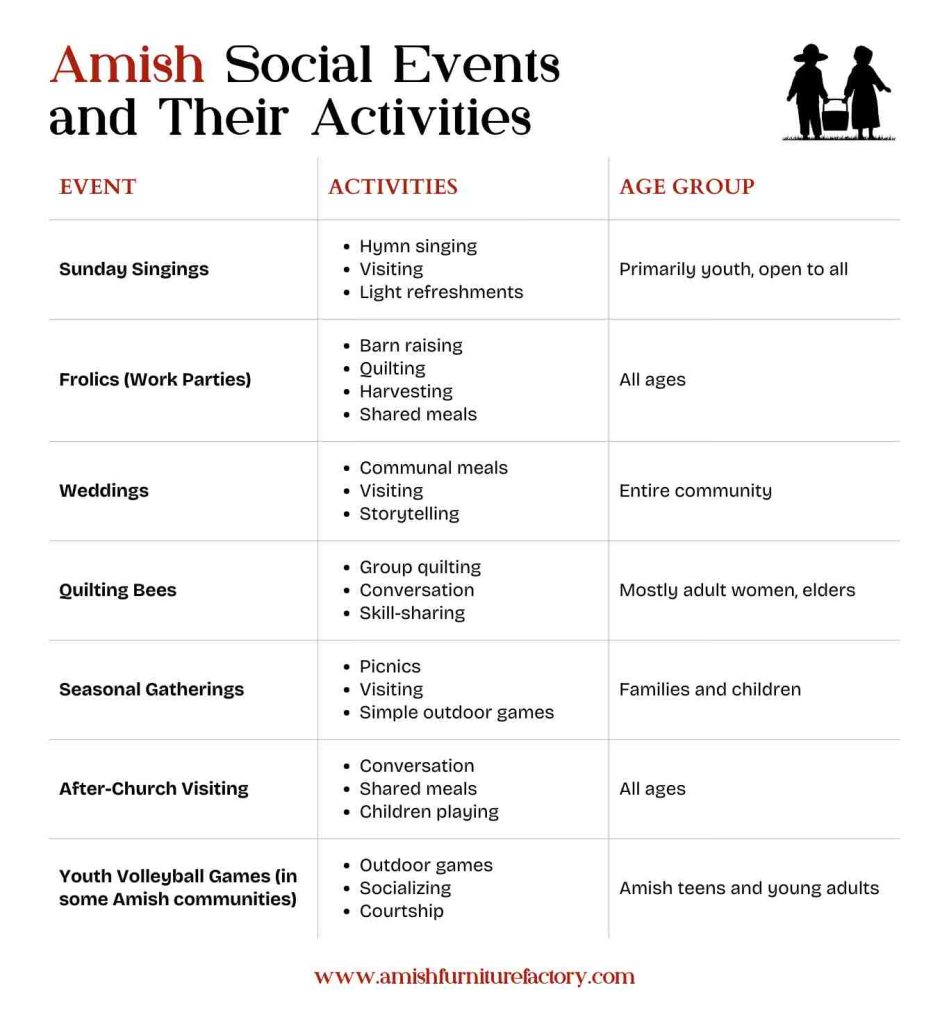
Here’s a list of Amish social events and their typical activities:
Traditional Amish Games and Pastimes
While community gatherings anchored Amish social life, everyday leisure was shaped by simple, homegrown activities that required little more than time, imagination, and togetherness.
Reading and Storytelling
Books, letters, and oral stories played an important role in Amish houses, especially during evenings and winter months. Families often read the Bible, devotional texts, and wholesome literature aloud, while elders passed down family histories and community stories that preserved Amish tradition and strengthened identity.
Music and Schnitzelbank Sing-Alongs
Music offered a joyful outlet within acceptable cultural boundaries. Some Amish communities, particularly those with strong Swiss or Swiss-German heritage, enjoyed lighthearted folk-style performances such as Schnitzelbank, a rhythmic, humorous sing-along in which verses describe everyday objects or events. The practice is more common in certain regions and church districts rather than being universal across all Amish communities.
Children’s Outdoor Games
Amish children spent much of their free time outdoors, inventing games in fields, barns, and farmyards. Tag, hide-and-seek, climbing hay bales, sledding in winter, and imaginative play were common, encouraging independence, physical activity, and creativity without the need for toys or technology.
Quilting, Gardening, and Camping
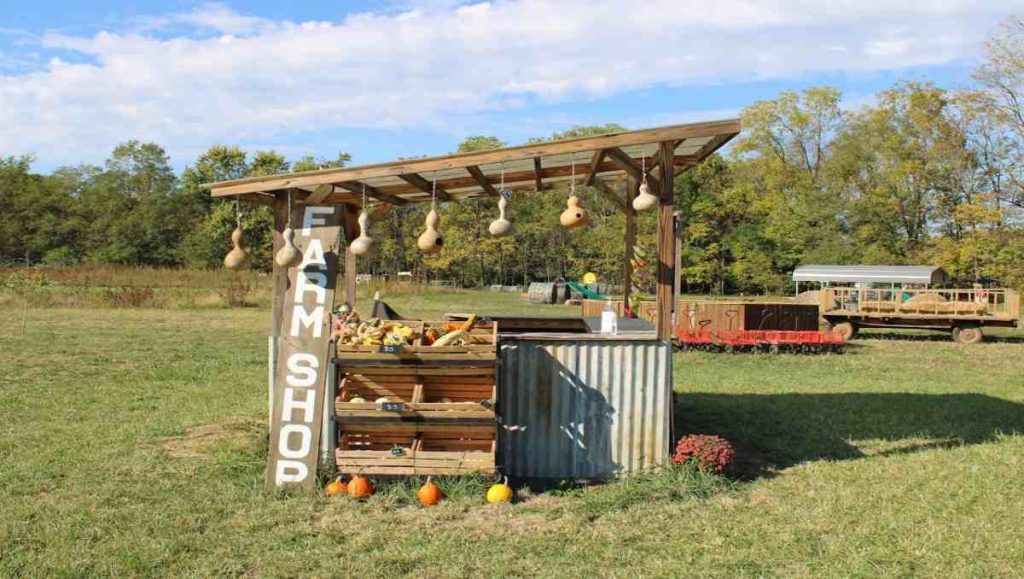
Many traditional Amish pastimes blended productivity with pleasure. Quilting circles provided space for conversation and craftsmanship. Gardening offered quiet satisfaction and connection to farm living. Family camping trips created opportunities for rest and bonding. These are all forms of leisure that felt purposeful rather than indulgent.
Friendly Sports
Although formal competition is often discouraged, some forms of friendly, low-key sports have found a place in Amish youth culture, depending on the local Ordnung. Informal softball games or volleyball matches (where permitted) allow young people to socialize, release energy, and build friendships in ways that remain community-centered rather than highly competitive. Activities that emphasize speed, spectacle, or risk, such as buggy racing, are generally discouraged and are not considered a standard or widely accepted form of Amish recreation.
Board Games and Word Games
Inside the home, board games and word-based activities offered simple entertainment option for families of all ages. Dominoes, checkers, homemade games, riddles, and word puzzles were popular choices, especially during evenings, reinforcing togetherness without relying on outside media.
Courtship and Social Fun Among Amish Youth
Courtship among Amish youth is closely tied to group activities and community gatherings, especially during Rumspringa, when teenagers are given more independence. During this time, they attend frolics, play youth-friendly games, and visit socially in ways that allow them to meet peers and form potential relationships. While practices vary by church district and family, many young people still remain fairly conservative.
For Amish youth, fun centers on shared activities rather than individual entertainment. Within these group settings, courtship develops naturally. This gives teenagers a structured and socially guided way to explore relationships while learning community expectations.
What Modern Society Can Learn from Traditional Amish Entertainment
Traditional Amish entertainment highlights the value of connection over consumption. In a world dominated by screens, algorithms, and instant gratification, Amish leisure reminds us that joy can be found in simple, shared experiences. These activities foster meaningful relationships, encourage creativity, and strengthen community bonds. This also shows that entertainment doesn’t need to be passive or expensive to be fulfilling.
Amish heritage also emphasizes intentionality and balance. By blending work, faith, and play, their approach to leisure encourages presence, mindfulness, and intergenerational interaction. Modern society can benefit from carving out space for slow, purpose-driven recreation that nurtures both personal well-being and social cohesion, rather than defaulting to constant digital distraction.
Elevate your living room with the timeless craftsmanship of Amish furniture such as wooden TV cabinets, designed to blend heirloom-quality durability with modern tech needs.
Final Reflections on Amish Entertainment
Traditional Amish entertainment provides a compelling model of how leisure can nurture community, values, and personal well-being. From Sunday singings and frolics to music, storytelling, outdoor games, and youth activities during Rumspringa, their pastimes are intentionally designed to strengthen social bonds, encourage creativity, and integrate fun into everyday life. These activities demonstrate that meaningful recreation does not require technology, commercialization, or passive consumption.
For modern society, the Amish approach offers valuable lessons. They prioritize connection over distraction, cultivate activities that bring generations together, and allow leisure to support personal growth, social cohesion, and mindfulness.
Frequently Asked Questions
What technology can the Amish use?
Amish communities generally limit technology to what aligns with their values of simplicity, humility, and community. Some may use battery-powered tools, propane appliances, or farm equipment, but electricity, smartphones, and the internet are usually avoided.
What did Amish families do for fun before electricity?
Before electricity, Amish families entertained themselves through activities embedded in daily life and community. This includes singing hymns, storytelling, playing board or word games, quilting, gardening, outdoor games, and attending social gatherings like frolics, Sunday singings, and seasonal celebrations.
Do Amish play musical instruments?
Yes, Amish people do play musical instruments, but it varies by community and church district. Instruments like the violin, guitar, and harmonica are commonly used for home music, social gatherings, and religious singings. Some stricter districts limit or avoid them.