Amish Furniture Factory
Home About Ordering Furniture Info Blog
 
Call
Contact Us | My Account | Shopping Cart | Login
 
  Go

  Shop By Type

  Shop By Area

  Shop By Style

See Our Satisfied Customers

    About Ordering     Furniture Options     Request Samples     Amish Furniture Blog     Contact Us

We received our table and chair set when expected and could not be happier.
- Charles Bennet
Read more...
Write Your Own Testimonial


Type the characters you see in the picture. (If you do not see any picture here, please enable images in your web browser options and refresh this page):

Get a different code
   View More Info
 

Hardwood Information


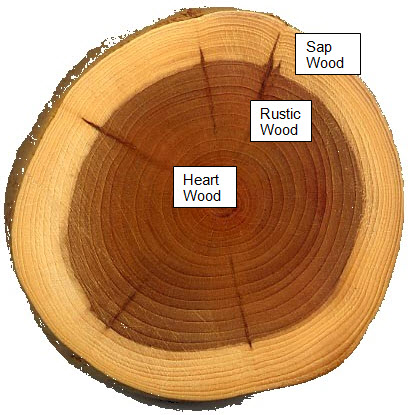
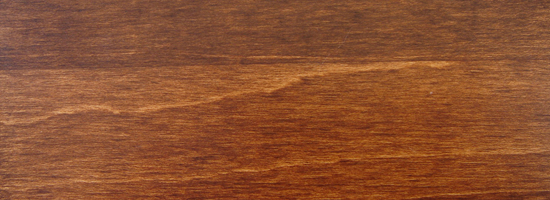
Brown Maple is derived from the center of various soft maple trees and is therefore commonly referred to as the "heart wood." Due to the variations in it's soft maple origins, the color of Brown Maple can range in colors from medium brown to a light beige or tan color. This wood is not typically stained in light colors but is best suited for a dark stain, such as Espresso, or painting due to the smooth nature of it's surface texture.

BM


Oak


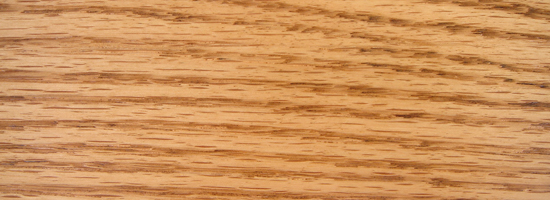
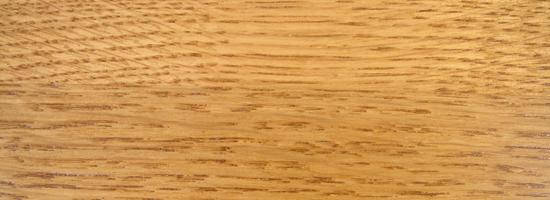
Red Oak, or Oak is an extremely durable wood with a distinct open grain. This wood is very popular among Amish furniture craftsman due to it's universal appeal, warm look and feel, uniform color, staining ease, and durability. The colors of Oak can vary from pink, light brown, and sometimes show hint's of green. This variation in color is due to the many subspecies Oak is harvested from.

Oak


1/4 Sawn White Oak

1/4 Sawn White Oak is Produced using White Oak, while regular Oak is produced from Red Oak. The reason we called it "1/4 Sawn" is due the way the log is cut at a 90 degree angle during processing. It's cut at a 90 degree angle to follow the lines of the growth rings in the wood. The results of this cut are distinctive lines, or "ray flakes" that closely resemble the look of antique style furniture. 1/4 Sawn White Oak is typically used on Shaker and Mission style pieces.

QS


Maple

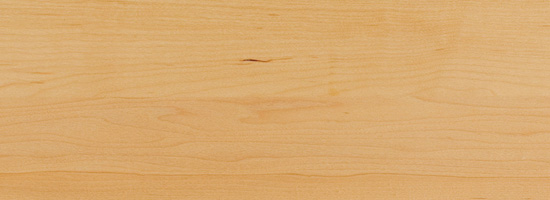
Maple is the hardest domestic wood in the US and has many fine characteristics that make this a top choice for furniture making. Tight, finely grained with white or brown stripes, Maple has unique ivory or cream color that changes in brilliance as light strikes the surface from various angles. This flexible wood can be stained either a natural, white color to a light brown or dark red. Like Brown Maple, Maple is extremely smooth and machines very well. Maple has recently grown in appeal due to it's natural beauty long lasting nature.

Maple


Cherry

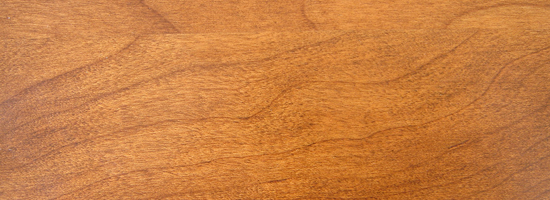
Cherry is the wine of woods. As Cherry ages, the grains goes from a reddish brown tone to a dark rich grain with an auburn glow. It's gum pockets and straight subtle grain give Cherry distinctly elegant character. Cherry is considered top prize wood for constructing superior quality heirloom furniture.

Cherry


Hickory

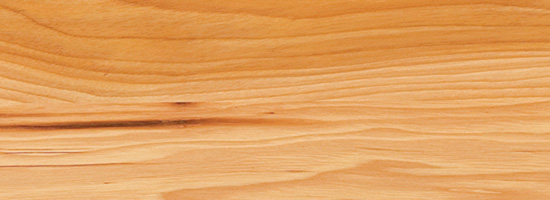
The beauty of Hickory lies in it's rich contrasting color variations mixed with it's exaggerated grains. On any hickory piece, you will notice light and dark sections whimsically blended together. The rustic appearance of hickory make it ideal for cabins, lodges or other rustic settings, and being the hardest domestic wood makes it suitable for everyday use furniture.

Hickory


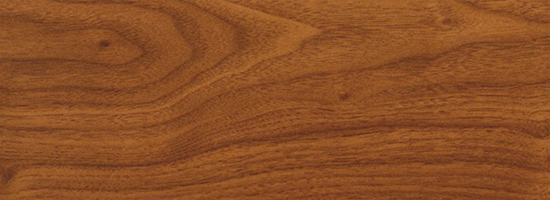
Walnut is a wood rich with colors and a beautiful grain pattern. It's color variations range from it's typical chocolate or purplish brown to having traces of black, gray, and even dark blue. Walnut is considered to be of medium hardness when compared to the other domestic hardwoods. It's an extremely easy wood to work with hand tools, glues and polishes well, and takes a stain or paint with ease.


Walnut


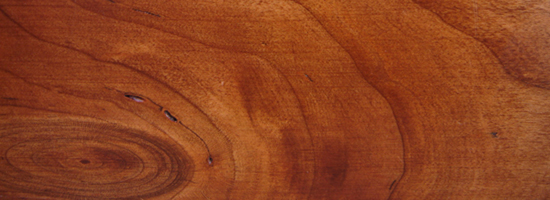
Rustic Cherry

Rustic cherry is a more unrefined version of the traditional cherry wood. With traditional cherry, builders cut the wood in a way that minimizes knots, sap wood and pitting left from mineral deposits. Rustic cherry, however, is cut so that these features are accentuated and brought to the surface so one can appreciate it's natural rustic appeal and beauty.

RCherry


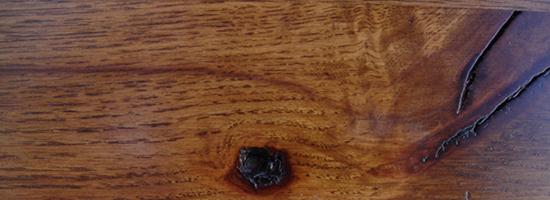
Rustic Hickory

Rustic hickory, like rustic cherry is a more unrefined version of the traditional hickory wood. With traditional hickory, builders cut the wood in a way that minimizes knots, sap wood and pitting left from mineral deposits. Rustic hickory, however, is cut so that these features are accentuated and brought to the surface so one can appreciate it's natural rustic appeal and beauty.

RHicokry


All hardwood has variation in its color and grain. In manufacturing and finishing our manufacturer's strive to bring out the natural beauty and character of each piece of wood. These wood characteristics give each piece of solid wood furniture its unique charm, and, although the finishing processes are identical, no two pieces will be exactly the same.

Because most hardwoods are open grained, solid wood furniture will expand and contract with changes in humidity and temperature, even after protective finishes have been applied. Care in controlling the furniture’s environment will help minimize the minor cracking and warping that is a natural part of the wood’s character.

Indoor humidity should be kept in the 35 to 40 percent range to minimize these effects. If the humidity moves out of the ideal range, solid wood furniture can expand or contract, causing a split in the wood grains.

Additionally, direct sunlight and fluorescent fixtures that contain ultra-violet rays can cause chemical changes in the wood and finish and should be avoided. Furniture should also be kept away from direct sources of heating and cooling and out of attic or basement storing environments. With proper care, solid wood furniture will provide a lifetime of enjoyment and can be passed on to future generations.
  • Place your table away from radiators, fireplaces, and heating ducts.
  • Position table out of direct sunlight or adjust blinds to avoid hour after hour of direct sunlight. sunlight and fluorescent fixtures that contain ultra-violet rays can cause chemical changes in the wood and finish and should be avoided.
  • Control humidity to 40%–45%. In winter use a humidifier, in summer use a dehumidifier or air conditioner. If the humidity moves out of the ideal range, solid wood furniture can expand or contract, causing a split in the wood grains.
  • Use coasters with non-scratching bottoms.
  • Use padding under all sharp, hot, or cold objects.
  • Furniture should be kept away from direct sources of heating and cooling and out of attic or basement storing environments.Store table leaves in close proximity to table or in the same humidity, avoid storing leaves in damp basements where the leaves may swell.
  • Avoid using nail polish remover, alcohol, and other solvents near or on table.
  • Ask your retailer about manufacturer provided finishes that resist damage from harmful liquids and objects.
DUST CAREFULLY with a soft cloth, following the grain pattern of the wood. Use an old T-shirt, baby diaper or cheesecloth that has been laundered to remove the sizing.

DUST OFTEN to remove everyday abrasive particles from wood surfaces.

CONSIDER CLEANING with a mild non-alkaline soap and water. Use the suds in a damp sponge or cloth, but be sure to pre-test the solution on an out-of-sight section to make sure it doesn’t damage the finish. Dry immediately with a soft cloth and buff lightly, following the grain.

DON’T WAX or use any polish that contains any silicons! Catalyzed heat and moisture resistant finishes don’t need additional polish, but if you want to use a polish we recommend Guardsman Furniture Polish.